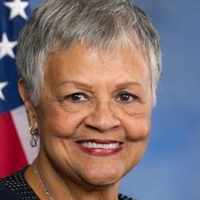
Legislative Activity
Track Bonnie's sponsored bills, co-sponsored legislation, and voting record
This bill expresses support for U.S. library staff, recognizes their essential community services, advocates for adequate funding, and defends their rights to free access to information and union organization.
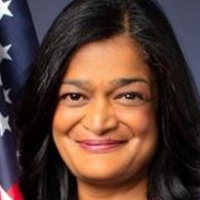
Pramila Jayapal
Representative
WA
Pramila Jayapal
Representative
WA
This resolution expresses strong support for library staff across the United States and recognizes the essential, expanding community services they provide. It advocates for commensurate funding, defends the right of all citizens to freely access information, and supports the civil rights and union voice of library workers. Furthermore, the bill condemns threats to library access and staff, such as book bans and funding cuts.
This bill establishes emergency grants to provide hazardous duty pay and safety measures for essential health care workers during declared emergencies or disasters.
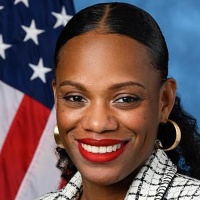
Summer Lee
Representative
PA
Summer Lee
Representative
PA
This bill, the Hazard Pay for Health Care Heroes Act, establishes a grant program to help health care facilities protect essential workers during declared emergencies or disasters. Funds can be used to provide eligible, non-remote health care workers with hazardous duty pay, up to $13 per hour, when their work or commute is deemed hazardous. Additionally, grants can cover safety measures like PPE and alternative transit for these essential personnel.
This resolution expresses support for honoring Earth Day while affirming Congress's commitment to environmental protection, climate action, and reversing recent environmental rollbacks.
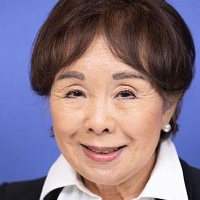
Doris Matsui
Representative
CA
Doris Matsui
Representative
CA
This resolution expresses support for honoring Earth Day and reaffirms Congress's commitment to environmental protection and sustainability. It recognizes the historical impact of Earth Day on the modern environmental movement and calls for continued action against threats like climate change and pollution. The bill urges immediate steps to reduce emissions, address environmental injustices, and ensure a healthy planet for future generations.
This Act establishes federal programs to address the impact of climate change risks, like extreme heat and pollution, on maternal and infant health through grants, education, research, and risk zone identification.
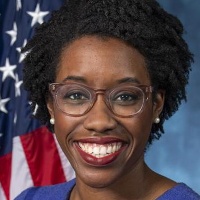
Lauren Underwood
Representative
IL
Lauren Underwood
Representative
IL
The Protecting Moms and Babies Against Climate Change Act directs the Department of Health and Human Services to address how climate change risks, like extreme heat and pollution, harm maternal and infant health. The bill establishes grant programs to support local efforts and education, and mandates research and strategies to identify high-risk zones for pregnant individuals and young children. Its goal is to reduce adverse outcomes such as preterm birth, low birth weight, and maternal mortality linked to climate change.
This resolution affirms housing as a fundamental human right and opposes policies that would force families with mixed immigration status to separate or lose federal housing assistance.
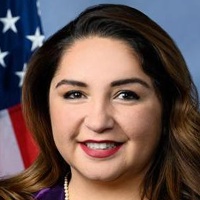
Delia Ramirez
Representative
IL
Delia Ramirez
Representative
IL
This resolution affirms that stable housing is a fundamental human right essential for all families, regardless of immigration status. It strongly condemns a proposed rule that would force families with mixed immigration status to separate or lose vital housing assistance. The bill calls for protecting families in federal housing programs and demands increased investment to address the national housing crisis.
This resolution censures President Trump and Special Envoy Witkoff for violating the Foreign Emoluments Clause by accepting undisclosed payments from the UAE and demands they divest from related foreign business interests.
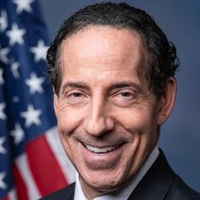
Jamie Raskin
Representative
MD
Jamie Raskin
Representative
MD
This resolution expresses the sense of the House that President Trump and Special Envoy Witkoff violated the Foreign Emoluments Clause by accepting undisclosed payments linked to a secret deal with an entity substantially funded by the UAE. It demands they immediately turn over all such payments to the Treasury and divest from any business interests connected to foreign governments. The bill cites specific financial transactions and subsequent U.S. policy actions favoring the UAE as evidence of a grave conflict of interest.
This resolution expresses the House's view that the Department of Justice must refuse to administratively settle President Trump's personal legal claims against the U.S. government due to the Domestic Emoluments Clause.
Jamie Raskin
Representative
MD
Jamie Raskin
Representative
MD
This resolution expresses the sense of the House that the Department of Justice must comply with the Domestic Emoluments Clause. It specifically calls for the DOJ to refuse to administratively settle the billions of dollars in legal claims filed against the United States by President Donald Trump. The bill asserts that allowing the President to settle his own personal claims against the government constitutes an unconstitutional conflict of interest.
This bill supports designating "Black Maternal Health Week" to highlight the urgent need to address and reduce the severe maternal mortality and morbidity crisis disproportionately affecting Black women and birthing people in the United States.
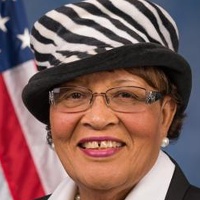
Alma Adams
Representative
NC
Alma Adams
Representative
NC
This bill supports designating a week in April 2026 as "Black Maternal Health Week" to focus national attention on the severe maternal health crisis facing Black women. It highlights the unacceptable and unjust disparities in maternal mortality and morbidity rates among Black women due to structural racism and inequities. The legislation urges Congress to invest in comprehensive maternal care and pass legislation, like the Momnibus Act, grounded in human rights and reproductive justice.
The YouthBuild for the Future Act reauthorizes and updates the YouthBuild program to provide education, job training, and green building experience for low-income young people, while also establishing new grants for employer partnerships.
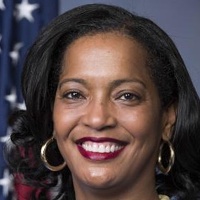
Jahana Hayes
Representative
CT
Jahana Hayes
Representative
CT
The YouthBuild for the Future Act reauthorizes and updates the YouthBuild program through 2030, providing education, job training, and leadership development for low-income young people, with a focus on green building skills. The bill increases funding authorization and expands allowable services, such as food assistance and help applying for benefits. It also establishes a new grant program to create employer partnerships that connect participants directly to local job opportunities.
This bill mandates comprehensive safety upgrades for civilian and military aviation, focusing on collision avoidance technology, air traffic control training, and enhanced airspace transparency, particularly around high-traffic airports.
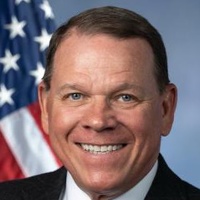
Sam Graves
Representative
MO
Sam Graves
Representative
MO
The Airspace Location and Enhanced Risk Transparency Act of 2026 mandates significant safety upgrades across both civilian and military aviation to prevent midair collisions. It requires the FAA to implement advanced collision avoidance systems and new air traffic controller training, while also compelling the Department of Defense to equip most military helicopters with transponders for increased visibility. The bill establishes new transparency measures, including public tracking of safety rule implementation and enhanced reporting on near-miss incidents, particularly around major airports like Reagan National.
This bill officially renames the United States Postal Service facility in Spring Lake, New Jersey, as the James J. Howard Post Office.
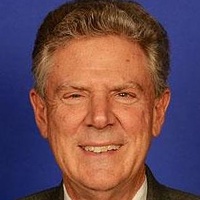
Frank Pallone
Representative
NJ
Frank Pallone
Representative
NJ
This bill officially renames the United States Postal Service facility located at 2407 State Route 71, Suite 1, in Spring Lake, New Jersey. The facility will now be known as the James J. Howard Post Office. This designation will apply to all future official federal references to the location.
This bill establishes a commission of medical and former government experts to evaluate a President's physical or mental capacity to discharge the duties of the office when directed by Congress.
Jamie Raskin
Representative
MD
Jamie Raskin
Representative
MD
This bill establishes the Commission on Presidential Capacity to Discharge the Powers and Duties of the Office, a body tasked with evaluating the physical or mental fitness of the President. The Commission, composed of medical experts and former high-ranking officials, can be directed by Congress to examine the President. Its findings regarding the President's ability to execute their duties are then reported to Congress and the Vice President.
This resolution formally introduces drafted Articles of Impeachment into the congressional record to facilitate public and legislative debate regarding presidential accountability and constitutional governance.
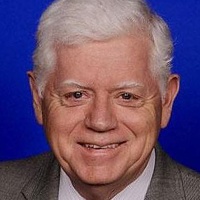
John Larson
Representative
CT
John Larson
Representative
CT
This resolution formally introduces drafted Articles of Impeachment against Donald J. Trump into the congressional record to facilitate an official debate on constitutional governance. By bypassing procedural restrictions on the House floor, the measure aims to elevate specific legal arguments regarding executive accountability for public and legislative consideration.
The Maternal Vaccination Act establishes a federal awareness and equity campaign to increase vaccination rates among pregnant and postpartum individuals and their children.
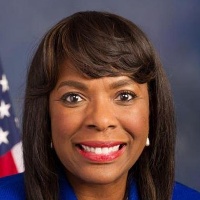
Terri Sewell
Representative
AL
Terri Sewell
Representative
AL
The Maternal Vaccination Act establishes a dedicated awareness and equity campaign to increase vaccination rates among pregnant and postpartum individuals. By providing targeted funding and expanding immunization program grants, the bill ensures that healthcare providers are better equipped to support maternal health, with a specific focus on reaching underserved and minority communities.
The Data to Save Moms Act directs federal funding and research toward improving maternal health data collection, supporting maternal mortality review committees, and addressing disparities in maternal health outcomes for minority and underserved populations.
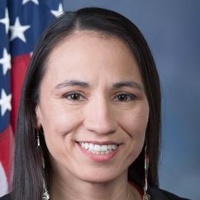
Sharice Davids
Representative
KS
Sharice Davids
Representative
KS
The Data to Save Moms Act aims to improve maternal health outcomes and eliminate disparities by enhancing data collection, research, and public awareness. The bill provides funding for Maternal Mortality Review Committees, supports community-based organizations addressing social determinants of health, and mandates training for providers on implicit bias and culturally congruent care. Additionally, it authorizes comprehensive studies and grant programs focused on high-risk populations, including racial and ethnic minority groups and American Indian and Alaska Native communities.
The Kira Johnson Act establishes grant programs and research initiatives to advance maternal health equity, reduce bias and discrimination in maternity care, and improve health outcomes for high-risk demographic groups.
Alma Adams
Representative
NC
Alma Adams
Representative
NC
The Kira Johnson Act aims to eliminate maternal health disparities by funding community-based organizations that provide evidence-based support to high-risk populations. The legislation also establishes grant programs to implement anti-bias training for maternity care providers and creates compliance programs to address racism and discrimination in clinical settings. Through these initiatives, the bill seeks to ensure respectful, culturally congruent care and improve health outcomes for pregnant and postpartum individuals.
The Ultra-Millionaire Tax Act of 2026 establishes an annual federal wealth tax on individuals with a net worth exceeding $50 million while increasing funding for IRS enforcement and taxpayer services.
Pramila Jayapal
Representative
WA
Pramila Jayapal
Representative
WA
The Ultra-Millionaire Tax Act of 2026 proposes a new annual federal wealth tax on individuals with a net worth exceeding $50 million, with rates ranging from 2% to 3% based on total assets. The legislation includes robust enforcement measures, such as increased IRS funding and mandatory audit requirements, to ensure compliance among the ultra-wealthy. Additionally, it strengthens foreign asset disclosure requirements to prevent tax avoidance.
The Voter Empowerment Act of 2026 comprehensively modernizes voter registration, expands access for all voters including those with disabilities and military personnel, prohibits deceptive practices, and restores voting rights for many Americans with past criminal convictions.

James Clyburn
Representative
SC
James Clyburn
Representative
SC
The Voter Empowerment Act of 2026 is a comprehensive bill designed to modernize and secure federal elections by expanding voter access and protecting voting rights. It mandates sweeping changes, including automatic and online voter registration, enhanced accessibility for voters with disabilities, and stricter rules against deceptive practices and voter intimidation. Furthermore, the Act restores voting rights for many Americans with past criminal convictions and requires all federal elections to use voter-verified paper ballots.
The Perinatal Workforce Act establishes grant programs and national initiatives to grow, diversify, and train a culturally competent maternal health workforce to improve health equity and patient outcomes.
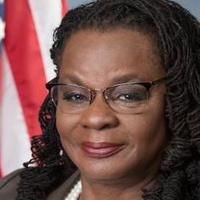
Gwen Moore
Representative
WI
Gwen Moore
Representative
WI
The Perinatal Workforce Act aims to improve maternal health outcomes by expanding and diversifying the perinatal health workforce. The bill establishes grant programs to support training for midwives, nurses, and other perinatal health workers, with a focus on recruiting individuals from underserved and minority communities. Additionally, it mandates national campaigns, federal coordination, and research to promote culturally congruent care and address systemic barriers to maternal health access.
This concurrent resolution affirms the duty of Congress to protect working women by addressing systemic wage disparities, workplace discrimination, and economic barriers to ensure equal opportunity and dignity for all.
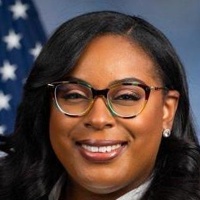
LaMonica McIver
Representative
NJ
LaMonica McIver
Representative
NJ
This concurrent resolution recognizes the economic challenges and systemic barriers facing working women, including wage disparities, discrimination, and the erosion of workplace protections. It affirms Congress's duty to champion policies that ensure equal opportunity, fair pay, and safe working conditions for all women. Ultimately, the resolution calls for collaborative action to strengthen labor rights and promote economic security as essential components of national prosperity.