This bill supports designating "Black Maternal Health Week" to highlight the urgent need to address and reduce the severe maternal mortality and morbidity crisis disproportionately affecting Black women and birthing people in the United States.
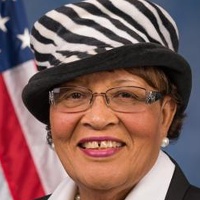
Alma Adams
Representative
NC-12
This bill supports designating a week in April 2026 as "Black Maternal Health Week" to focus national attention on the severe maternal health crisis facing Black women. It highlights the unacceptable and unjust disparities in maternal mortality and morbidity rates among Black women due to structural racism and inequities. The legislation urges Congress to invest in comprehensive maternal care and pass legislation, like the Momnibus Act, grounded in human rights and reproductive justice.
Black Maternal Health Week 2026 Designated: A National Spotlight on Systemic Inequities
Alright, let's talk about something that hits close to home for a lot of families: maternal health. This isn't just about healthcare; it's about fairness and making sure everyone has a shot at a healthy start. This resolution officially designates the week of April 11 through April 17, 2026, as "Black Maternal Health Week." It's not just a symbolic gesture; it’s a direct call to bring national attention to a crisis that’s been flying under the radar for too long, especially for Black women and birthing people in the U.S.
The Stark Reality: Why This Matters
So, what's the big deal? The numbers are pretty jarring. Black women are, get this, 23 times more likely to die from pregnancy-related causes than White women. Think about that for a second. And it’s not just mortality; they also face life-threatening complications at double the rate. While the U.S. maternal mortality rate has seen some ups and downs, the rate for Black women actually increased to 50.3 deaths per 100,000 live births in 2023, even as rates for other groups decreased. This isn't just bad luck; the resolution points to deeper issues like obstetric embolism, hemorrhage, eclampsia, and preeclampsia as leading causes, along with higher rates of C-sections. It’s a clear signal that something is fundamentally broken in the system.
Unpacking the Root Causes
This isn't just about individual health choices; the resolution pulls back the curtain on the systemic issues at play. It explicitly names structural racism, gender oppression, and social determinants of health inequities as the culprits. We’re talking about things like maternity care deserts—places where it’s nearly impossible to find a healthcare provider—low Medicaid reimbursements, and a shortage of healthcare workers. And for Black midwives, doulas, and perinatal health workers, there are additional hurdles with licensure and getting paid for their crucial work. The resolution also highlights how the overturn of Roe v. Wade further complicates access to reproductive healthcare for Black women, and how the pandemic disproportionately impacted Black Americans, leading to a 26% increase in maternal mortality for Black women since COVID-19 hit. Even workplace accommodations for pregnant workers are often denied, and Black pregnant individuals face disproportionate surveillance and even criminalization, including shackling during labor and forced separation from newborns. It's a heavy list, but it paints a clear picture of the interconnected challenges.
What the Resolution Calls For
Beyond just acknowledging the problem, this resolution pushes for some concrete actions. It calls for significant investment in maternity care for Black women and birthing people, especially community-led care models. This means empowering local organizations and trusted community members to provide support. It also emphasizes continuous health insurance coverage for the entire postpartum period—at least one year after giving birth. Right now, many lose coverage too soon, leaving them vulnerable during a critical recovery time. And it pushes for policies that ensure affordable, comprehensive, and holistic maternal healthcare, free from any kind of gender or racial discrimination, even for those who are incarcerated. It’s about making sure everyone has access, no matter their circumstances.
Beyond the Clinic: A Broader Vision for Health
The resolution doesn't stop at healthcare; it recognizes that health isn't just about what happens in a doctor's office. It urges Congress to address broader systemic issues that impact Black communities, like ensuring safe and affordable housing, transportation equity, access to nutritious food, clean air and water, and environments free from toxins. It also calls for decriminalization within the criminal and family regulation systems, and a focus on safety and freedom from violence. Economically, it pushes for a living wage and equal economic opportunity, along with a sustained pipeline for diverse perinatal professionals. Ultimately, it’s a call for policies grounded in human rights, reproductive justice, and birth justice frameworks, emphasizing that Black women and birthing people must be at the table when these decisions are made. It even specifically urges Congress to pass the Momnibus Act, which aims to improve maternal health outcomes. This week isn't just a recognition; it's a platform to amplify Black voices, invest in community-driven solutions, and push for real, lasting change.