This Act establishes federal programs to address the impact of climate change risks, like extreme heat and pollution, on maternal and infant health through grants, education, research, and risk zone identification.
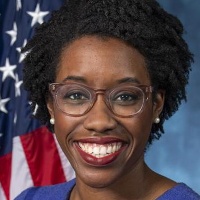
Lauren Underwood
Representative
IL-14
The Protecting Moms and Babies Against Climate Change Act directs the Department of Health and Human Services to address how climate change risks, like extreme heat and pollution, harm maternal and infant health. The bill establishes grant programs to support local efforts and education, and mandates research and strategies to identify high-risk zones for pregnant individuals and young children. Its goal is to reduce adverse outcomes such as preterm birth, low birth weight, and maternal mortality linked to climate change.
New Bill Funds $100M for Moms & Babies Climate Health, Trains Doctors, Boosts Research
Alright, let's talk about something that hits close to home for anyone juggling family life: the Protecting Moms and Babies Against Climate Change Act. This bill isn't just another piece of legislation; it's a direct response to how things like scorching summers, smoggy air, and wild weather are impacting the health of pregnant people, new moms, and their little ones under three.
Climate Change, Meet Crib Side
At its core, this bill is about connecting the dots between our changing climate and the health of our most vulnerable. It acknowledges that extreme heat, air pollution, and severe weather events aren't just inconveniences; they're serious health risks that can lead to things like preterm birth, low birth weight, and even maternal or infant mortality. The bill defines maternal mortality pretty broadly, including deaths up to a year after pregnancy, even those from mental health or substance use issues tied to pregnancy. Severe maternal morbidity also covers mental health and substance use disorders if they're aggravated by pregnancy or childbirth. It's a comprehensive look at what can go wrong.
Local Help for Local Heatwaves
One of the biggest pieces of this bill is a new competitive grant program, kicking off within 180 days of the bill becoming law. The Secretary of Health and Human Services (HHS) will hand out grants to 10 'covered entities'—think local consortiums of organizations. These groups, which must include a community-based organization and can include local governments, health departments, or even hospitals, will get funds to tackle climate risks head-on in their communities. We're talking about providing air conditioning units, weatherization support, filtration systems, or even direct financial aid and housing assistance to vulnerable individuals (pregnant people, new moms, and kids under three). Imagine a new mom in a low-income neighborhood getting help to keep her apartment cool and clean during a heatwave, or access to a cooling shelter if things get too intense. The bill specifically directs these funds to geographic areas with high climate change risks and aims to address racial and ethnic disparities in health outcomes, ensuring efforts don't inadvertently displace residents or raise housing costs.
Doctors Learning About Dirty Air
Ever wonder if your doctor knows how air quality might impact your pregnancy? This bill wants to make sure they do. It sets up another grant program, this time for health profession schools (like medical and nursing schools). Within a year, HHS will start awarding grants to these schools to develop and integrate training on climate-related health risks into their curriculum and continuing education programs. This means future doctors, nurses, and midwives will learn how to identify these risks, understand their effects on vulnerable individuals, and counsel patients on strategies to reduce them. They'll also get training on implicit and explicit bias, racism, and discrimination, which is crucial for addressing the disparities we often see in healthcare.
NIH Dives into the Data
For the science buffs out there, the bill also establishes the Consortium on Birth and Climate Change Research within the National Institutes of Health (NIH) within a year. This isn't just another committee; it's a dedicated group across various NIH institutes that will coordinate and prioritize research on how climate change affects pregnant people and young children. They'll be looking for gaps in data, identifying research opportunities, and figuring out how to get more funding to community-based organizations and diverse researchers. This means more studies on what exactly is happening to our bodies and our kids' bodies when the climate shifts, and how we can best protect them.
Mapping the Hot Spots
Finally, the bill tasks the Centers for Disease Control and Prevention (CDC) with developing a strategy to identify climate change risk zones for vulnerable mothers and babies. This isn't just about looking at temperature maps; it's about combining climate data with other factors like local disease rates, access to healthcare, English language proficiency, insurance status, and socioeconomic factors. The CDC will identify existing tools and data, pinpoint gaps (especially at the subcounty level), and figure out what resources are needed to build out better monitoring networks. This strategy will be critical for directing future resources and ensuring help goes where it's needed most. The Secretary has 18 months to publish this strategy after a public comment period, so there's a chance for public input.
What It Means for You
This legislation is a pretty comprehensive effort to protect families from the health consequences of climate change. If you're pregnant, a new parent, or planning to be, this bill could mean better access to resources and information to keep your family safe from environmental hazards. For healthcare professionals, it means updated training to better serve their patients. And for everyone, it means a more coordinated effort to understand and mitigate the real-world health impacts of a changing climate. The bill authorizes significant funding—$100,000,000 for the community grant program and $5,000,000 for the education grants, both for fiscal years 2027 through 2030—showing a serious commitment to these issues. It's a proactive step to ensure that the health of the next generation isn't just another casualty of climate change.