This resolution formally introduces drafted Articles of Impeachment into the congressional record to facilitate public and legislative debate regarding presidential accountability and constitutional governance.
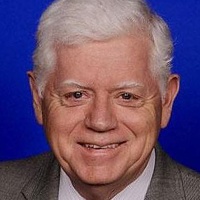
John Larson
Representative
CT-1
This resolution formally introduces drafted Articles of Impeachment against Donald J. Trump into the congressional record to facilitate an official debate on constitutional governance. By bypassing procedural restrictions on the House floor, the measure aims to elevate specific legal arguments regarding executive accountability for public and legislative consideration.
Congress Files Multi-Count Impeachment Charges: A Deep Dive into the Legal Battle Over Presidential Power
This massive collection of resolutions is essentially a formal legal indictment against former President Donald J. Trump, laying out a series of 'high crimes and misdemeanors' that range from the events of January 6th to the use of military force without a green light from Congress. The core of these filings is to trigger the constitutional process of impeachment, which doesn't just aim to provide a historical rebuke but specifically seeks to permanently bar him from holding any federal office in the future. Beyond the headline-grabbing charges of incitement of insurrection, the documents dig into the 'power of the purse,' alleging the administration illegally froze funds and bypassed spending laws that usually require a thumbs-up from the people's representatives.
The War Over War Powers
One of the most significant sections of this legislative push focuses on how the U.S. goes to combat. The resolutions charge that the executive branch overstepped by launching military strikes and blockades against various nations—including Iran, Venezuela, and Yemen—without the explicit authorization required by the Constitution. For a regular person, this is about who gets to decide when the country goes to war; the bill asserts that the President cannot unilaterally declare someone an 'enemy' and deploy troops. It even goes as far as accusing the former President of violating the War Crimes Act of 1996 during these engagements, arguing that bypassing Congress isn't just a procedural foul, but a violation of international and domestic law.
Checks, Balances, and the Kitchen Sink
The resolutions also take aim at how the government functions day-to-day, specifically focusing on the 'watchdogs' intended to keep agencies honest. One resolution formally condemns the firing of 17 Inspectors General in early 2025, arguing the move skipped the 30-day notice period required by the Inspectors General Act of 1978. This matters because these officials are the ones who track waste and fraud in how your tax dollars are spent. Additionally, the articles of impeachment allege a 'weaponization' of the justice system, claiming that security clearances were pulled and investigations launched specifically to silence political critics, which the bill frames as a direct hit to the First Amendment.
Money, Pardons, and the Public Trust
Finally, the legislation zeroes in on the financial and legal perks of the office. It alleges violations of the Emoluments Clauses, claiming the President's private businesses profited from foreign and domestic officials looking for political favors. There is also a sharp focus on the 'pardon power,' with resolutions condemning the mass pardoning of over 1,500 individuals involved in the Capitol attack and the alleged use of preemptive pardons to encourage officials to break the law. For the average citizen, these provisions are an attempt to define the limits of the presidency—arguing that no matter how high the office, the occupant is still bound by the same rulebook as everyone else.