Legislative Activity
Track Eugene's sponsored bills, co-sponsored legislation, and voting record
The Truck Parking Safety Improvement Act establishes a grant program to expand commercial truck parking and improve safety on Federal-aid highways.
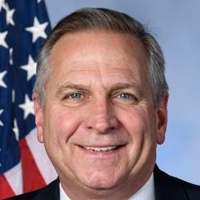
Mike Bost
Representative
IL
Mike Bost
Representative
IL
The Truck Parking Safety Improvement Act establishes a grant program to expand commercial truck parking and improve safety. The program provides funds to states, local governments, and tribal entities for projects that increase parking availability, improve existing facilities, and use technology to manage parking. The Act also requires a biennial report to Congress on the availability of truck parking and the effectiveness of funded projects. It authorizes $151 million per fiscal year from 2025 through 2029 for these initiatives.
This act reinstates criminal penalties for individuals who charge unauthorized fees to veterans for assisting with claims for VA benefits.
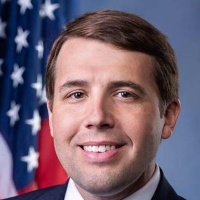
Chris Pappas
Representative
NH
Chris Pappas
Representative
NH
The GUARD VA Benefits Act establishes criminal penalties for individuals who charge veterans unauthorized fees for assisting with claims for benefits administered by the Department of Veterans Affairs. This legislation amends existing law to prohibit soliciting, contracting for, or receiving compensation for preparing or prosecuting VA benefit claims, except where explicitly authorized by other statutes.
The "Farm to Fly Act of 2025" aims to boost sustainable aviation fuel production and usage by including it in USDA bioenergy programs, supporting farmers, and promoting rural economic development.
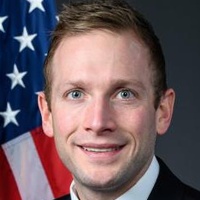
Max Miller
Representative
OH
Max Miller
Representative
OH
The "Farm to Fly Act of 2025" aims to boost the production and use of sustainable aviation fuels by including them in Department of Agriculture bio-energy programs. It amends existing definitions to recognize sustainable aviation fuel and directs the Secretary of Agriculture to promote its development through collaborative initiatives and manufacturing assistance. This act supports U.S. agriculture, enhances energy security, and promotes clean energy in the aviation sector by utilizing sustainable biomass resources.
This bill expands the types of healthcare providers eligible to offer telehealth services under Medicare.
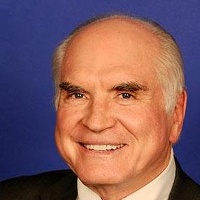
Mike Kelly
Representative
PA
Mike Kelly
Representative
PA
This bill amends Title XVIII of the Social Security Act to broaden access to telehealth services under Medicare. It expands the types of healthcare practitioners eligible to provide these services. This change aims to increase convenience and access to healthcare for Medicare beneficiaries.
This bill would allow nurse practitioners and physician assistants to complete Medicare paperwork for covering certain shoes for people with diabetes.
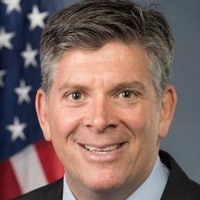
Darin LaHood
Representative
IL
Darin LaHood
Representative
IL
The "Promoting Access to Diabetic Shoes Act" allows nurse practitioners and physician assistants to complete Medicare paperwork for covering therapeutic shoes for people with diabetes, increasing access to this benefit.
The "Farm and Food Cybersecurity Act of 2025" mandates regular risk assessments of cybersecurity threats to the agriculture and food sector and requires annual simulation exercises to enhance food security and cyber resilience.
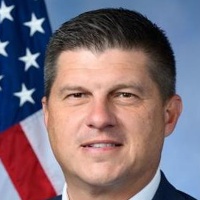
Brad Finstad
Representative
MN
Brad Finstad
Representative
MN
The Farm and Food Cybersecurity Act of 2025 aims to bolster the cybersecurity of the agriculture and food critical infrastructure sector by requiring the Secretary of Agriculture to conduct regular risk assessments of cybersecurity threats and vulnerabilities. It also mandates annual cross-sector crisis simulation exercises to assess preparedness, identify gaps, and improve coordination in the food supply chain. These exercises will involve government and private sector entities, with reports submitted to Congress to enhance cybersecurity and resilience in the agriculture and food sector. Finally, the Act authorizes $1,000,000 per fiscal year from 2026 through 2030 to carry out the simulation exercises.
Extends preferential trade treatment for certain apparel imports from Haiti and restores eligibility for specific articles under the Caribbean Basin Economic Recovery Act until September 30, 2035.
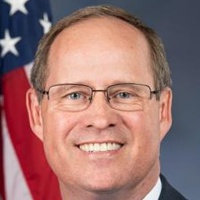
Gregory Murphy
Representative
NC
Gregory Murphy
Representative
NC
The Haiti Economic Lift Program Extension Act of 2025 extends preferential trade treatment to Haiti under the Caribbean Basin Economic Recovery Act until September 30, 2035. It clarifies eligibility for apparel articles containing U.S. fabric and restores preferential treatment for certain articles that were previously eligible. The Act aims to promote economic development in Haiti through trade benefits.
To award a Congressional Gold Medal to the 761st Tank Battalion, the first Black soldiers to serve in an American armored unit, for their valor and crucial contributions to the Allied victory in Europe.
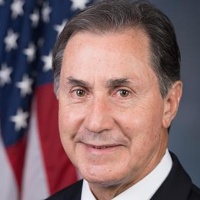
Gary Palmer
Representative
AL
Gary Palmer
Representative
AL
This bill authorizes the Speaker of the House and the President pro tempore of the Senate to award a Congressional Gold Medal to the 761st Tank Battalion, also known as the "Black Panthers," in recognition of their courageous service and crucial contributions during World War II. The medal will be given to the National Museum of African American History and Culture for display, honoring the 761st as the first Black soldiers to serve in an American armored unit and their significant role in the Allied victory in Europe. The bill also allows for the creation and sale of bronze duplicates of the medal to support the United States Mint Public Enterprise Fund.
The American Dream and Promise Act of 2025 provides a pathway to permanent residency for eligible individuals who came to the U.S. as children, or who have Temporary Protected Status (TPS) or Deferred Enforced Departure (DED) status.
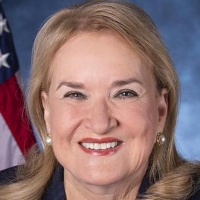
Sylvia Garcia
Representative
TX
Sylvia Garcia
Representative
TX
The American Dream and Promise Act of 2025 provides a pathway to permanent residency for eligible individuals who entered the United States as children and those with Temporary Protected Status (TPS) or Deferred Enforced Departure (DED). Title I, the Dream Act of 2025, establishes conditional permanent residency for eligible individuals who entered the U.S. as children. Title II, the American Promise Act of 2025, allows the Secretary of Homeland Security or the Attorney General to grant permanent resident status to eligible individuals from TPS or DED countries. Title III outlines general provisions, such as background checks, application processes, and fee exemptions, applicable to all seeking to adjust their status under this Act.
The "Protect Veteran Jobs Act" allows wrongly terminated veteran civil service employees to be reinstated and requires executive agencies to report to Congress on veteran employee terminations.
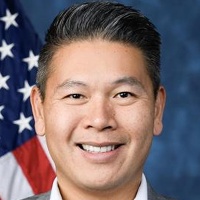
Derek Tran
Representative
CA
Derek Tran
Representative
CA
The Protect Veteran Jobs Act allows wrongly fired or dismissed veterans in civil service jobs between January 20, 2025, and the Act's enactment date to be reinstated to their previous position or a similar one. It mandates executive branch agencies to report to Congress every three months on all veteran employees who were fired or dismissed and the reasons for their termination, effective until January 20, 2029. The Act relies on existing U.S. Code definitions for key terms like "veteran" and "civil service."
This resolution condemns the Iranian regime’s terrorism and human rights abuses while affirming support for the Iranian people’s right to establish a democratic, secular, and non-nuclear republic.
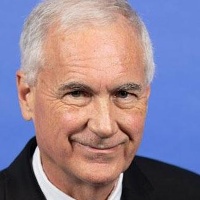
Tom McClintock
Representative
CA
Tom McClintock
Representative
CA
This resolution condemns the Iranian regime for its ongoing human rights abuses, state-sponsored terrorism, and regional instability. It expresses strong support for the Iranian people's struggle for a democratic, secular, and non-nuclear republic. Furthermore, the bill advocates for international accountability for the regime's crimes and calls for the protection of Iranian political refugees.
The "World Language Education Assistance Program Act" aims to improve access to world language programs and dual language programs in schools.
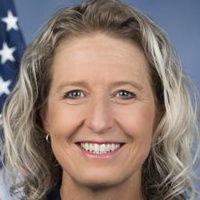
Jennifer Kiggans
Representative
VA
Jennifer Kiggans
Representative
VA
The "World Language Education Assistance Program Act" aims to address the language skills crisis in America by establishing a grant program to create, improve, and implement world language and dual language programs in schools. These grants will support professional development for teachers, partnerships with community-based language schools, and innovative language immersion programs. The act prioritizes programs that demonstrate language proficiency growth, can be replicated, and have a sustainability plan, with the goal of equipping students with the language skills needed for a globalized world. The act authorizes \$15,000,000 for fiscal year 2026 and each subsequent fiscal year to carry out this section.
This bill amends the law to grant non-unionized Postal Service employees in specific supervisory, professional, technical, clerical, administrative, or managerial roles the right to appeal certain employment decisions to the Merit Systems Protection Board.
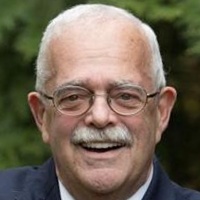
Gerald Connolly
Representative
VA
Gerald Connolly
Representative
VA
The Postal Employee Appeal Rights Amendment Act of 2025 updates which non-unionized Postal Service employees can appeal certain employment decisions to the Merit Systems Protection Board (MSPB). Specifically, it grants this appeal right to supervisory, professional, technical, clerical, administrative, or managerial employees under the Executive and Administrative Schedule who are not covered by a collective bargaining unit. This legislation clarifies the scope of appeal rights for certain non-bargaining unit personnel within the Postal Service.
Ethan's Law establishes federal penalties for improperly storing firearms where minors or prohibited persons can access them and creates grant programs to incentivize states to adopt matching safe storage laws.
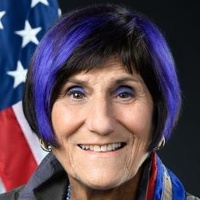
Rosa DeLauro
Representative
CT
Rosa DeLauro
Representative
CT
Ethan's Law establishes federal requirements for the secure storage of firearms to prevent unauthorized access by minors and prohibited persons, making improper storage a civil violation with escalating penalties if injury or death results. The bill also creates a federal grant program to incentivize states and Tribes to adopt matching safe storage laws. Furthermore, Congress declares that failing to comply with these storage requirements constitutes negligence and may be considered the direct cause of resulting firearm injuries.
The Conrad State 30 and Physician Access Reauthorization Act extends and modifies the Conrad 30 program, which allows foreign physicians to work in underserved areas of the U.S. in exchange for a waiver of certain visa requirements, while also providing employment protections and clarifying immigration procedures for these physicians.
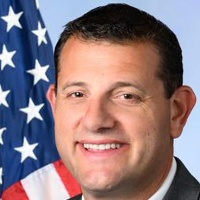
David Valadao
Representative
CA
David Valadao
Representative
CA
The Conrad State 30 and Physician Access Reauthorization Act extends the Conrad State 30 program, which allows foreign physicians to work in underserved areas of the U.S. in exchange for a waiver of certain visa requirements. It modifies requirements for foreign physicians seeking waivers, including employment protections, state waiver limits, and contract requirements. The bill also increases the number of waivers available to states and modifies immigration procedures for physicians, including allowing "dual intent" for medical graduates and clarifying national interest waivers. Finally, it requires an annual report on the Conrad State 30 J1 Visa Waiver Program.
This bill establishes the Fort Monroe National Historical Park in Virginia to preserve and interpret its historical, natural, and recreational resources, including its significance in early American history, the Civil War, and as a site of the Contraband Decision.
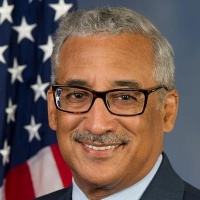
Robert Scott
Representative
VA
Robert Scott
Representative
VA
The "Fort Monroe National Historical Park Establishment Act" establishes the Fort Monroe National Historical Park, incorporating the former Fort Monroe National Monument, to preserve and interpret its significant historical, natural, and recreational resources. It defines the park's boundaries and authorizes the Secretary of the Interior to acquire land within these boundaries. The Act also outlines administrative guidelines, including cooperative agreements with the Commonwealth of Virginia, to ensure the preservation and appropriate use of historic resources within and near the park.
The "Protect and Serve Act of 2025" establishes federal penalties for intentionally causing serious harm or death to law enforcement officers because of their position, under certain circumstances, and requires Attorney General certification for federal prosecution in many cases.
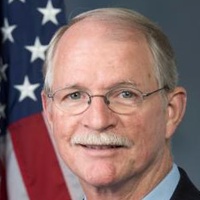
John Rutherford
Representative
FL
John Rutherford
Representative
FL
The "Protect and Serve Act of 2025" creates federal offenses for intentionally causing serious injury or death to law enforcement officers because of their status as officers. It sets penalties including imprisonment and fines, with increased penalties if death results or if kidnapping or attempted killing is involved. Federal prosecution requires certification from the Attorney General, based on a request from the state or if it is in the public interest to ensure substantial justice. The act defines "law enforcement officer" and "State" for the purposes of the new offenses.
This bill adds the Secretary of Agriculture to the Committee on Foreign Investment in the United States (CFIUS) and requires CFIUS to review agricultural land transactions, especially those involving entities from China, North Korea, Russia, or Iran.
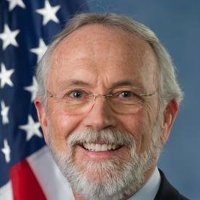
Dan Newhouse
Representative
WA
Dan Newhouse
Representative
WA
The "Protecting American Agriculture from Foreign Adversaries Act of 2025" adds the Secretary of Agriculture to the Committee on Foreign Investment in the United States (CFIUS) for agricultural matters. It mandates CFIUS review of agricultural land transactions, particularly those involving entities from China, North Korea, Russia, or Iran, to safeguard American agriculture. This ensures scrutiny of foreign investments in agricultural land and related industries, addressing potential threats to national security. The requirements for a specific country will end if that country is removed from the list of foreign adversaries in section 791.4 of title 15, Code of Federal Regulations.
This bill increases the standard mileage rate for charitable contributions to match the rate used for business expenses.
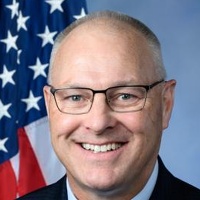
Pete Stauber
Representative
MN
Pete Stauber
Representative
MN
The "Volunteer Driver Tax Appreciation Act of 2025" aims to increase tax benefits for individuals who use their personal vehicles for charitable purposes. Starting after 2024, the bill allows the Secretary to set a higher mileage rate for charitable contributions, matching the standard rate used for business expenses. This adjustment seeks to provide greater financial relief to volunteer drivers by increasing their eligible deductions.
The REPAIR Act ensures vehicle owners and independent repair shops have access to vehicle data and repair information, promoting competition and protecting data privacy in the auto repair industry.
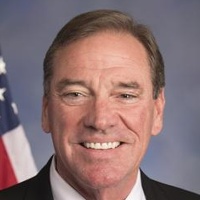
Neal Dunn
Representative
FL
Neal Dunn
Representative
FL
The "Right to Equitable and Professional Auto Industry Repair Act" or the "REPAIR Act" ensures vehicle owners and independent repair shops have access to necessary vehicle data, repair information, and tools, preventing manufacturers from creating barriers to repairs. It establishes an advisory committee to address competition issues in the auto repair industry and mandates that car buyers are informed of their rights to choose repair options. The Federal Trade Commission (FTC) is empowered to enforce the Act, protecting consumers from unfair restrictions on vehicle repair and ensuring control over their vehicle data.