Legislative Activity
Track Eugene's sponsored bills, co-sponsored legislation, and voting record
The Leveling the Playing Field 2.0 Act strengthens U.S. trade laws to counteract unfair trade practices like foreign subsidies, currency manipulation, and duty evasion, ensuring fair competition for American businesses.
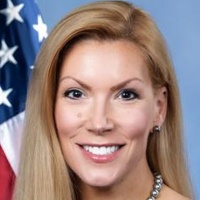
Beth Van Duyne
Representative
TX
Beth Van Duyne
Representative
TX
The Leveling the Playing Field 2.0 Act aims to strengthen U.S. trade laws by addressing unfair subsidies, currency undervaluation, duty evasion, and circumvention of trade remedies. It refines the process for handling successive trade investigations, ensuring that the International Trade Commission considers prior findings and assesses cumulative effects on domestic industries. The act also empowers authorities to counteract cost distortions in foreign countries and prevent importers from avoiding duties. Additionally, it includes provisions related to trade with Canada and Mexico and sets effective dates for new regulations.
The "Delivering for Rural Seniors Act of 2025" establishes a pilot program providing grants to states for home delivery of commodities to low-income elderly people, especially in rural areas, from 2026-2028.
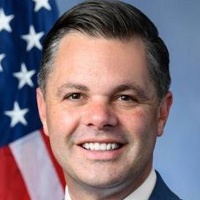
Zachary (Zach) Nunn
Representative
IA
Zachary (Zach) Nunn
Representative
IA
The "Delivering for Rural Seniors Act of 2025" aims to improve food access for low-income elderly individuals in rural areas by establishing a pilot program for home delivery of commodities. The program will award grants to state agencies, prioritizing those serving rural areas, to cover costs associated with transportation, staffing, and outreach. This act authorizes $10 million annually from 2026 to 2028 for these initiatives.
This resolution reaffirms the United States' unwavering commitment to Ukraine’s sovereignty and territorial integrity while condemning Russia’s ongoing war crimes and demanding the immediate withdrawal of its forces.
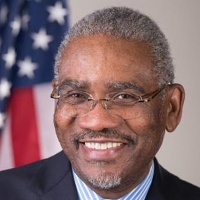
Gregory Meeks
Representative
NY
Gregory Meeks
Representative
NY
This resolution reaffirms the United States' unwavering commitment to Ukraine’s sovereignty, independence, and territorial integrity as the war enters its third year. It condemns Russia’s ongoing war crimes and human rights abuses, including the forced deportation of Ukrainian children, while demanding the immediate withdrawal of Russian forces. Furthermore, the bill insists that any path to peace must be determined by Ukraine and its allies, ensuring accountability for those responsible for atrocities.
The "Access Technology Affordability Act of 2025" creates a tax credit of up to $2,000 every three years for blind individuals who purchase qualified access technology.
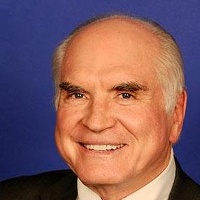
Mike Kelly
Representative
PA
Mike Kelly
Representative
PA
The "Access Technology Affordability Act of 2025" introduces a tax credit for blind individuals who purchase qualified access technology, such as hardware or software that converts visual information into accessible formats. The credit is capped at $2,000 per blind individual over any three consecutive tax years and will be adjusted for inflation after 2026. This credit is effective for tax years starting after December 31, 2025, and expires after December 31, 2030. It ensures that individuals cannot claim double benefits for the same expenses.
The "New Era of Preventing End-Stage Kidney Disease Act" aims to improve research, early intervention, and treatment for rare kidney diseases through centers of excellence, studies, and provider education initiatives.

Gus Bilirakis
Representative
FL
Gus Bilirakis
Representative
FL
The "New Era of Preventing End-Stage Kidney Disease Act" aims to improve the prevention, diagnosis, and treatment of rare kidney diseases through research, education, and increased public awareness. It establishes Centers of Excellence for Rare Kidney Disease Research, directs studies on testing and treatment approaches, and promotes provider education in nephrology. The Act prioritizes addressing disparities in affected populations and seeks to delay or eliminate the need for dialysis and transplant. It authorizes appropriations for these activities from 2026 through 2030.
This resolution reaffirms the vital strategic partnership between the United States and Canada, emphasizing their shared commitment to economic prosperity, energy security, and national defense.
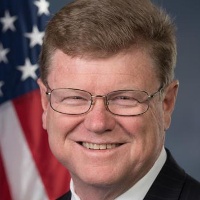
Mark Amodei
Representative
NV
Mark Amodei
Representative
NV
This resolution reaffirms the vital strategic partnership between the United States and Canada, emphasizing the deep ties that bolster North American economic prosperity and national security. It highlights the two nations' commitment to shared goals in energy independence, critical mineral supply chains, border management, and global defense. By strengthening this alliance, the bill aims to enhance regional competitiveness and ensure a unified front against common security threats.
The Federal Retirement Fairness Act allows temporary employees' service after 1988 to count toward retirement benefits under the Federal Employees Retirement System.

Gerald Connolly
Representative
VA
Gerald Connolly
Representative
VA
The Federal Retirement Fairness Act amends title 5 of the United States Code, allowing civilian service in a temporary position after December 31, 1988, to be creditable under the Federal Employees Retirement System. This change applies to current employees and Members of the United States Postal Service, and requires the Office of Personnel Management to notify eligible individuals and issue implementing regulations.
The American Victims of Terrorism Compensation Act amends the Justice for United States Victims of State Sponsored Terrorism Act to increase funding for victims of state-sponsored terrorism by redirecting forfeited assets and requiring annual payments to eligible claimants.
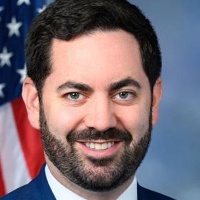
Michael Lawler
Representative
NY
Michael Lawler
Representative
NY
The American Victims of Terrorism Compensation Act amends the Justice for United States Victims of State Sponsored Terrorism Act to increase funding for victims of state-sponsored terrorism by redirecting forfeited assets and penalties into the United States Victims of State Sponsored Terrorism Fund. It mandates specific deposit timelines for forfeited funds, requires annual pro rata payments to eligible claimants beginning in 2026, and enhances transparency through detailed annual reports on fund activity. The Act also allows for the use of Department of Justice personnel to aid in the administration of the fund and ensures a supplemental payment to those already approved for fifth-round payments.
This bill ensures Medicare patients can continue receiving physical therapy services without interruption by allowing temporary substitute therapists ("locum tenens") to be covered when a physical therapist is temporarily unavailable.
Gus Bilirakis
Representative
FL
Gus Bilirakis
Representative
FL
The "Prevent Interruptions in Physical Therapy Act of 2025" ensures Medicare beneficiaries can continue receiving uninterrupted physical therapy services. It allows physical therapists to utilize temporary staffing arrangements, known as "locum tenens," when the regular therapist is temporarily unavailable. This ensures Medicare payments for services provided by qualified substitute physical therapists, maintaining consistent care for patients.
The "DOC Access Act of 2025" aims to improve dental and vision care coverage by ensuring fair payment practices, protecting providers' choices, and upholding state regulatory authority.
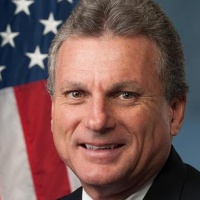
Earl Carter
Representative
GA
Earl Carter
Representative
GA
The "DOC Access Act of 2025" aims to enhance health care coverage under vision and dental plans by ensuring fair payment practices, protecting doctors' choices in labs and suppliers, and respecting state laws. It allows optometrists and dentists to charge their standard rate for non-covered services if the plan's payment is unreasonable, while ensuring they can only charge the contracted rate for dental cleanings. The bill also gives doctors more control over agreement extensions with limited benefit plans and allows them to opt out of certain provisions. Ultimately, this act seeks to balance federal guidelines with state oversight in regulating health insurance issuers and dental or vision benefit plans.
The "Agricultural and Forestry Hauling Efficiency Act" allows Virginia to issue special permits for heavier agricultural and forestry vehicles on the Interstate System, up to 90,000 pounds, to improve transportation efficiency.
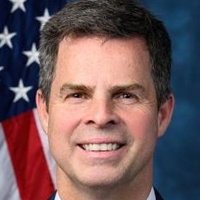
John McGuire
Representative
VA
John McGuire
Representative
VA
The "Agricultural and Forestry Hauling Efficiency Act" enables Virginia to issue special permits for agricultural vehicles, allowing them to operate on the Interstate System with a weight of up to 90,000 pounds. These permits apply to vehicles transporting unprocessed agricultural crops or raw forest products.
This bill encourages the deployment and use of automated external defibrillators (AEDs) by providing nationwide legal protections from civil liability for those who use them in emergencies, own them, or manage properties where they are used.
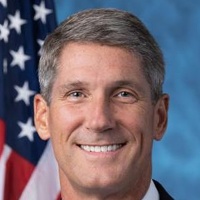
C. Franklin
Representative
FL
C. Franklin
Representative
FL
The Cardiac Arrest Survival Act of 2025 aims to establish a national standard of legal protection from civil liability for individuals using automated external defibrillators (AEDs) in emergencies, as well as for AED owners and property managers where AEDs are used. This bill amends the Public Health Service Act to encourage broader AED deployment by providing Good Samaritan protections for those who use or attempt to use an AED, premises owner/lessee/manager protections, and device owner-acquirer protections, with certain exceptions for misconduct or failure to maintain the device. The Act seeks to preempt inconsistent state laws and clarify that it does not mandate AED placement or create new causes of action. By creating consistent, nationwide legal protection, this bill intends to save lives from cardiac arrest.
This bill establishes a dedicated section within the Department of Justice to enforce federal animal cruelty laws, enhance investigations and prosecutions, and improve inter-agency coordination.
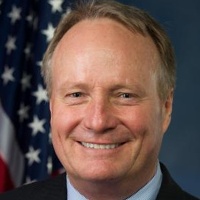
David Joyce
Representative
OH
David Joyce
Representative
OH
The Animal Cruelty Enforcement Act of 2025 establishes an Animal Cruelty Crimes Section within the Department of Justice to enforce federal animal cruelty laws, pursue investigations and prosecutions, and coordinate with other agencies. The section is required to submit an annual report to Congress regarding charges, convictions, and investigations. The bill recognizes the connection between animal cruelty and other crimes and aims to address the lack of dedicated enforcement of animal protection laws.
The "MODERN WIC Act of 2025" expands remote access to WIC benefits by allowing virtual certification appointments, remote benefit issuance, and requires a report to Congress on the use of remote technologies within the WIC program.
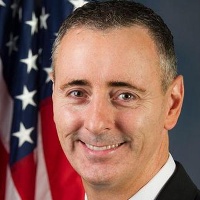
Brian Fitzpatrick
Representative
PA
Brian Fitzpatrick
Representative
PA
The MODERN WIC Act of 2025 aims to modernize the WIC program by expanding options for remote certification appointments, including telephone and video calls, and allowing for remote delivery of food benefits. It requires state agencies to offer various formats for certification appointments, ensuring accessibility for individuals with disabilities. The Act also mandates a report to Congress on the use of remote technologies in WIC, focusing on their impact and best practices.
The "Postal Processing Protection Act" would require the USPS to meet specific requirements before closing or consolidating any facility that supports a post office.
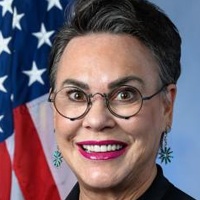
Harriet Hageman
Representative
WY
Harriet Hageman
Representative
WY
The Postal Processing Protection Act amends title 39 of the United States Code to include any Postal Service owned or operated acceptance, processing, shipping, delivery, or distribution facility that supports one or more post offices. This change broadens the scope of facilities subject to specific requirements when the Postal Service considers closing or consolidating them.
The "Accelerating Kids’ Access to Care Act of 2025" streamlines Medicaid and CHIP enrollment for out-of-state providers, increasing healthcare access for children.
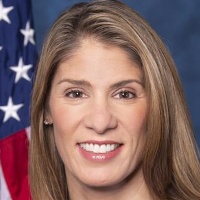
Lori Trahan
Representative
MA
Lori Trahan
Representative
MA
The "Accelerating Kids Access to Care Act of 2025" streamlines the enrollment process for out-of-state healthcare providers in Medicaid and CHIP, ensuring children under 21 have access to care from eligible providers across state lines. By reducing administrative burdens and unnecessary screening requirements, the Act aims to improve healthcare access for children while maintaining necessary safeguards against fraud and abuse. Participating providers will be enrolled for a 5-year period, and the changes will take effect three years after the Act's enactment.
The SWIM Act of 2025 amends the Internal Revenue Code to allow a deduction of up to $500 for qualified water competency and water safety lesson expenses for children.
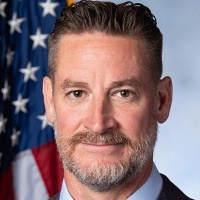
W. Steube
Representative
FL
W. Steube
Representative
FL
The SWIM Act of 2025 amends the Internal Revenue Code to allow taxpayers to deduct up to $500 ($1,000 for joint returns/heads of household) for expenses related to water competency and safety lessons for minors. This includes costs for basic swimming instruction and necessary equipment, with equipment expenses limited to $100 per item. The lessons must focus on water safety and competency, not competitive swimming. This change applies to taxable years starting after the Act's enactment.
The Public Safety Employer-Employee Cooperation Act establishes collective bargaining rights for public safety officers nationwide, ensuring fair labor practices and cooperation between employers and employees.
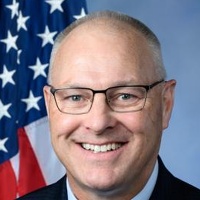
Pete Stauber
Representative
MN
Pete Stauber
Representative
MN
The Public Safety Employer-Employee Cooperation Act establishes a framework for collective bargaining rights for public safety officers (law enforcement, firefighters, and emergency medical services personnel) at the state level. It directs the Federal Labor Relations Authority to determine if states substantially protect these rights, and if not, the Authority will establish collective bargaining procedures. The Act aims to promote cooperation between public safety employers and employees while respecting existing state laws and prohibiting strikes and lockouts. This law does not override state laws that provide similar or stronger protections for public safety officers.
This bill amends the Civilian Health and Medical Program of the Department of Veterans Affairs (CHAMPVA) to extend eligibility for medical care to children until their 26th birthday, regardless of marital status.
Julia Brownley
Representative
CA
Julia Brownley
Representative
CA
The CHAMPVA Children's Care Protection Act of 2025 amends the eligibility requirements for the Civilian Health and Medical Program of the Department of Veterans Affairs (CHAMPVA). This act increases the maximum age for eligible children to receive medical care under the program to 26 years old, regardless of their marital status. This change does not affect benefits for children incapable of self-support and takes effect for medical care provided on or after the enactment of this act.
This bill provides veterans who served at the Nevada Test and Training Range between 1972 and 2005 with presumptive service connection for certain conditions related to radiation and toxic exposure.
Mark Amodei
Representative
NV
Mark Amodei
Representative
NV
This bill amends Title 38 of the U.S. Code to establish presumptions regarding radiation and toxin exposure for veterans who served at the Nevada Test and Training Range between 1972 and 2005, excluding Nellis and Creech Air Force Bases. It recognizes certain activities at the range as radiation-risk activities and presumes exposure to toxins for veterans stationed there during the specified period. Additionally, it establishes a presumption of service connection for lipomas and tumor-related conditions for these veterans.