
Legislative Activity
Track Jefferson's sponsored bills, co-sponsored legislation, and voting record
This act establishes a federally funded national public safety campaign utilizing television, radio, and digital media to warn against illegally passing stopped school buses.
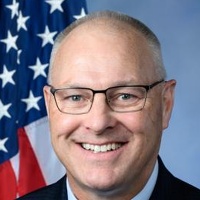
Pete Stauber
Representative
MN
Pete Stauber
Representative
MN
The Brake for Kids Act of 2025 establishes a national public safety messaging campaign to raise awareness about the dangers of illegally passing a stopped school bus. This initiative will be funded using existing allocations from the Infrastructure Investment and Jobs Act. The required campaign must utilize broad outreach methods, including national television, radio, social media, and edge service advertising.
This bill expands Medicare coverage under Part B to pay qualified home infusion suppliers for augmentation therapy kits and nursing services for Medicare beneficiaries with Alpha-1 Antitrypsin Deficiency Disorder who require emphysema treatment in their homes.

Maria Salazar
Representative
FL
Maria Salazar
Representative
FL
The John W. Walsh Alpha-1 Home Infusion Act of 2025 amends Medicare to specifically cover augmentation therapy for individuals with severe Alpha-1 Antitrypsin Deficiency Disorder when administered in the home. This legislation establishes new payment rules under Medicare Part B for the necessary intravenous kits and associated nursing services. The goal is to ensure qualified home infusion suppliers are reimbursed directly for providing this essential, ongoing maintenance treatment.
This bill establishes national reciprocity for concealed carry permits, allowing individuals legally permitted to carry in their home state to carry a handgun in any other state that allows concealed carry.
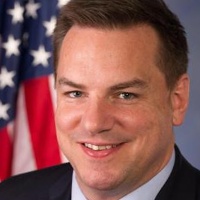
Richard Hudson
Representative
NC
Richard Hudson
Representative
NC
The Constitutional Concealed Carry Reciprocity Act of 2025 establishes a national standard for carrying concealed handguns across state lines. This act allows individuals legally permitted to carry in their home state to carry concealed in any other state that allows its residents to carry concealed firearms. The law does not override private property restrictions or prohibitions on government property, but it provides protections and legal recourse for those traveling in compliance with the new federal standard.
This Act increases the maximum financial assistance available to disabled veterans for necessary in-home structural improvements and mandates annual inflation adjustments to certain benefit amounts.
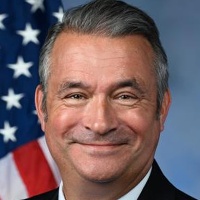
Don Bacon
Representative
NE
Don Bacon
Representative
NE
The Autonomy for Disabled Veterans Act increases the maximum financial assistance available to disabled veterans for necessary home improvements related to their health services. This legislation raises the existing benefit caps to provide greater support for accessibility modifications. Furthermore, it mandates annual adjustments to a specific benefit amount based on the rate of inflation to ensure continued relevance.
The Puppy Protection Act of 2025 establishes stricter housing, daily care, veterinary, and breeding standards for dog dealers under the Animal Welfare Act.

Brian Fitzpatrick
Representative
PA
Brian Fitzpatrick
Representative
PA
The Puppy Protection Act of 2025 significantly increases humane treatment standards for dog dealers under the Animal Welfare Act. This legislation mandates specific minimum space requirements, daily exercise access, and mandatory socialization for housed dogs. Furthermore, it establishes strict limits on female dog breeding frequency and age, alongside enhanced veterinary care protocols.
This bill prohibits discrimination against pregnancy centers that offer life-affirming alternatives to abortion and strengthens enforcement mechanisms for related conscience protections.
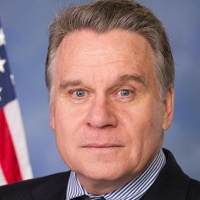
Christopher Smith
Representative
NJ
Christopher Smith
Representative
NJ
The Let Pregnancy Centers Serve Act of 2025 aims to protect pregnancy resource centers from discrimination by federal and state entities due to their commitment to offering life-affirming alternatives to abortion. This bill prohibits government agencies receiving federal funds from penalizing organizations that do not perform, refer for, or counsel in favor of abortion. Furthermore, it strengthens enforcement by allowing qualified parties to directly sue government entities for violating these conscience protections.
The Air America Act of 2025 authorizes one-time monetary awards to former Air America employees or their survivors for service supporting the CIA between 1950 and 1976.
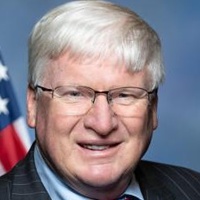
Glenn Grothman
Representative
WI
Glenn Grothman
Representative
WI
The Air America Act of 2025 recognizes the sacrifices of former Air America employees who served the U.S. Government between 1950 and 1976. This Act authorizes a one-time monetary award, up to $40,000 plus potential additional amounts, for qualifying service members or their survivors. The CIA Director is responsible for administering these payments, which are capped at a total of $60 million, and establishing the application procedures. Decisions made by the Director regarding these awards are final and not subject to judicial review.
The SLOT Act of 2025 raises the mandatory tax reporting threshold for casino slot machine winnings to \$5,000, effective after 2025, with future adjustments for inflation.
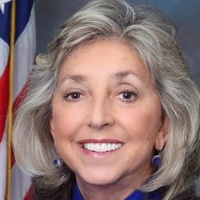
Dina Titus
Representative
NV
Dina Titus
Representative
NV
The Shifting Limits on Thresholds Act of 2025 (SLOT Act) revises the federal tax reporting requirement for slot machine winnings. Under this act, businesses will only need to file an information return for slot machine payouts of **$5,000 or more** per single play, effective after December 31, 2025. Furthermore, this $5,000 threshold will be automatically adjusted annually for inflation starting in 2027.
The Major Richard Star Act ensures that military retirees with combat-related disabilities can concurrently receive their full military retirement pay and VA disability compensation without reduction.

Gus Bilirakis
Representative
FL
Gus Bilirakis
Representative
FL
The Major Richard Star Act ensures that military retirees with combat-related disabilities can receive both their military retirement pay and VA disability compensation concurrently without reduction. This law removes previous restrictions that caused military retirement pay to be offset by VA disability payments for these specific cases. The changes take effect on the first day of the month following the Act's enactment.
The HELPER Act of 2025 establishes a new FHA mortgage insurance program offering 100% financing with an upfront premium and no monthly premiums for eligible first responders, educators, and law enforcement officers.

John Rutherford
Representative
FL
John Rutherford
Representative
FL
The HELPER Act of 2025 establishes a new FHA mortgage insurance program to assist first responders, educators, and law enforcement officers in purchasing homes. This program offers eligible first-time homebuyers 100% financing with no down payment required. Instead of monthly premiums, borrowers pay an upfront FHA insurance premium at closing.
The TRACE Act mandates the tracking of missing persons and unidentified remains on federal lands within the National Missing and Unidentified Persons System and requires annual reporting on these cases by land management agency.

Joe Neguse
Representative
CO
Joe Neguse
Representative
CO
The TRACE Act mandates updates to the National Missing and Unidentified Persons System (NMUPS) to specifically track cases involving federal land. This includes adding data fields to record when a missing person's last known location or the discovery of unidentified remains occurred on federal property. Furthermore, the Attorney General must submit an annual report detailing these cases, categorized by the managing federal agency.
This bill reauthorizes funding for children's hospital graduate medical education programs through 2030 while restricting payments to hospitals that provide certain gender-affirming surgeries and medications to minors.

Dan Crenshaw
Representative
TX
Dan Crenshaw
Representative
TX
The Children’s Hospital GME Support Reauthorization Act of 2025 extends critical federal funding for graduate medical education programs at children's hospitals through fiscal year 2030. The bill increases annual funding allocations for the program during this extension period. Notably, it introduces a new restriction that prohibits payments to hospitals that provided certain gender-affirming surgeries and high-dose hormone treatments to minors in the preceding year, with specific exceptions for emergency care and treatment of certain medical conditions.
The REDI Act allows medical and dental interns and residents to defer both principal and interest payments on their student loans while in training.
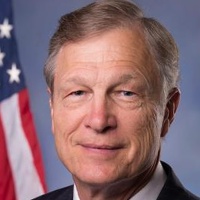
Brian Babin
Representative
TX
Brian Babin
Representative
TX
The Resident Education Deferred Interest (REDI) Act amends federal student loan regulations to provide a specific deferment for medical and dental residents. This allows borrowers currently serving in an internship or residency program to pause principal payments and prevent interest accrual on their student loans during that training period.
This Act eliminates the waiting periods for Social Security disability benefits and Medicare coverage for individuals diagnosed with metastatic breast cancer.
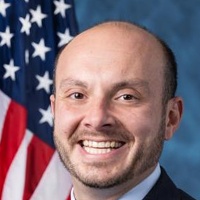
Andrew Garbarino
Representative
NY
Andrew Garbarino
Representative
NY
The Metastatic Breast Cancer Access to Care Act aims to improve support for individuals diagnosed with metastatic breast cancer. This bill eliminates the standard waiting period for receiving Social Security disability insurance benefits and waives the 24-month waiting period for Medicare coverage. These changes ensure immediate access to crucial financial and healthcare support upon diagnosis.
This Act converts Transportation Security Administration (TSA) personnel to standard federal employment rules under Title 5, establishes transition protections, mandates workforce reviews, and addresses labor relations and employee safety.
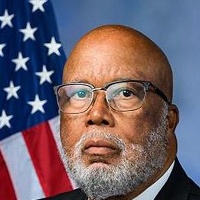
Bennie Thompson
Representative
MS
Bennie Thompson
Representative
MS
The Rights for the Transportation Security Administration Workforce Act transitions TSA personnel to standard federal employment rules under Title 5 of the U.S. Code by a set date no later than December 31, 2025. This mandates the freezing of current personnel policies during the transition while protecting current employee pay and benefits. The bill also requires extensive reviews by the Comptroller General on hiring, diversity, and workplace safety, and mandates consultation with employee representatives regarding labor relations. Finally, it ensures that screening agents retain collective bargaining rights and addresses specific concerns for Federal Air Marshals.
This bill directs Congress to award a Congressional Gold Medal to honor the service of the Red Cross "Donut Dollies" who provided recreation and morale support to U.S. troops during the Vietnam War.

Mikie Sherrill
Representative
NJ
Mikie Sherrill
Representative
NJ
This bill, the Donut Dollies Congressional Gold Medal Act, directs the striking of a Congressional Gold Medal to honor the American Red Cross volunteers who served in the Supplemental Recreation Activities Overseas (SRAO) program during the Vietnam War. These volunteers, known as "Donut Dollies," provided crucial morale support to troops on the front lines. The original medal will be presented on behalf of Congress and ultimately housed at the Smithsonian Institution, with provisions made for selling bronze duplicates.
The Credit for Caring Act of 2025 establishes a new, partially refundable federal income tax credit for working family caregivers covering qualified expenses exceeding \$2,000, up to a \$5,000 annual limit.

Mike Carey
Representative
OH
Mike Carey
Representative
OH
The Credit for Caring Act of 2025 establishes a new, non-refundable federal income tax credit for working family caregivers who incur significant expenses caring for a relative with long-term care needs. Eligible caregivers can claim a credit equal to 30% of qualified expenses exceeding \$2,000, up to a maximum annual credit of \$5,000. The bill specifies detailed requirements for the care recipient's needs, the types of allowable expenses, and includes income phase-out limits for claiming the benefit.
This Act establishes a program to automatically reduce the interest rate on eligible federal student loans to 2.0 percent and sets the future interest rate for new direct loans at 2.0 percent.
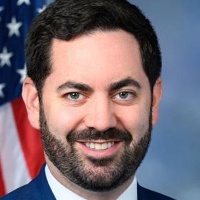
Michael Lawler
Representative
NY
Michael Lawler
Representative
NY
The Affordable Loans for Students Act establishes a sweeping program to lower student debt burdens by automatically refinancing eligible federal loans held by the government to a fixed 2.0% interest rate. It also creates procedures for refinancing other federal loans into new Direct Consolidation Loans at the same low 2.0% rate, without origination fees. Furthermore, new federal student loans disbursed after the Act's enactment will also carry a fixed 2.0% interest rate.
Expressing appreciation for the contributions of military animals and their handlers, this bill supports recognizing their valor and meritorious achievements through awards and ceremonies.
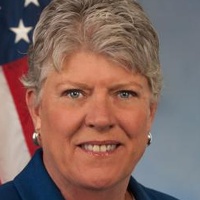
Julia Brownley
Representative
CA
Julia Brownley
Representative
CA
This bill acknowledges and honors the significant contributions, valor, and sacrifices of military animals and their handlers throughout history, recognizing their vital role in the United States' freedom and safety. It supports establishing a yearly process to nominate animals for the Medal of Bravery and Distinguished Service Medal, further commemorating their meritorious achievements.
This act amends the tax code to give businesses the option to immediately deduct or amortize (spread out over at least five years) their research and experimental expenditures.
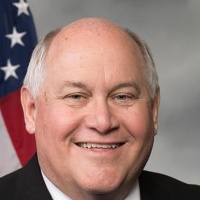
Ron Estes
Representative
KS
Ron Estes
Representative
KS
The American Innovation and R&D Competitiveness Act of 2025 revises how businesses treat research and experimental (R&E) expenditures for tax purposes. Taxpayers can now choose between immediately deducting R&E costs or amortizing them over a period of at least 60 months. This legislation also makes technical adjustments to ensure consistency between immediate deductions and claiming the research tax credit.