Legislative Activity
Track Jefferson's sponsored bills, co-sponsored legislation, and voting record
The PBM Reform Act of 2025 mandates sweeping changes to increase transparency, ensure fair pharmacy access in Medicare, and prohibit abusive spread pricing in Medicaid by holding Pharmacy Benefit Managers accountable for their financial dealings.
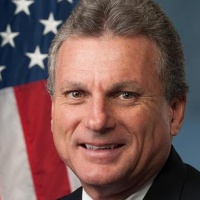
Earl Carter
Representative
GA
Earl Carter
Representative
GA
The Pharmacy Benefit Manager Reform Act of 2025 aims to increase transparency and accountability across the prescription drug supply chain. It mandates fairer pharmacy network access for Medicare beneficiaries and imposes strict new financial reporting and service fee requirements on Pharmacy Benefit Managers (PBMs) working with Medicare and private health plans. Furthermore, the bill establishes new federal mechanisms to accurately track drug acquisition costs in Medicaid and explicitly bans the practice of "spread pricing" in state Medicaid contracts.
This bill mandates quarterly rebates from manufacturers of selected drugs based on the difference between standard Medicare payment rates and the negotiated Maximum Fair Price, while adjusting beneficiary coinsurance accordingly.
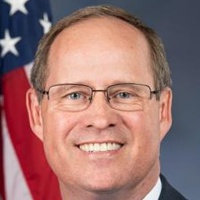
Gregory Murphy
Representative
NC
Gregory Murphy
Representative
NC
This bill, the Protecting Patient Access to Cancer and Complex Therapies Act, establishes a new mandatory rebate system for manufacturers of certain drugs selected for Maximum Fair Price (MFP) negotiation under Medicare. Manufacturers must pay quarterly rebates based on the difference between the standard Medicare payment and the lower negotiated MFP for units sold under Part B. These changes also adjust beneficiary coinsurance calculations to reflect the lower MFP, ensuring patient out-of-pocket costs are based on the negotiated price.
This act amends tax law to allow taxpayers to deduct wagering losses dollar-for-dollar against their wagering winnings, up to the full amount of those winnings.
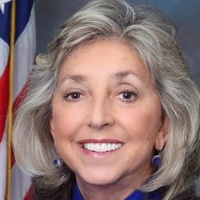
Dina Titus
Representative
NV
Dina Titus
Representative
NV
The FAIR Bet Act amends tax law to allow taxpayers to deduct wagering losses dollar-for-dollar against their wagering winnings, up to 100% of those winnings. This change modifies the previous limitation on deducting gambling losses. Essentially, it ensures that gambling losses can fully offset gambling income for tax purposes.
This resolution condemns Russia's forced deportation and Russification of Ukrainian children and demands their return before any final peace agreement is reached.
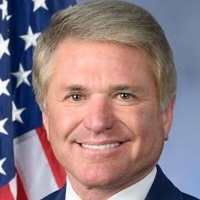
Michael McCaul
Representative
TX
Michael McCaul
Representative
TX
This resolution strongly condemns Russia for the abduction and forced "Russification" of Ukrainian children, highlighting these actions as grave violations of international law. It emphasizes that these children must be safely returned to Ukraine before any final peace agreement to end the war is considered. The document also underscores the heightened risks of trafficking, violence, and trauma faced by Ukrainian children due to the ongoing invasion.
This Act establishes a grant program, managed by the Secretary of the Interior, to provide funding for local governments and nonprofits to build, repair, or maintain memorials honoring veterans, law enforcement, and firefighters.
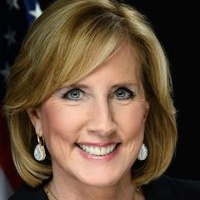
Claudia Tenney
Representative
NY
Claudia Tenney
Representative
NY
The Remembering Our Local Heroes Act establishes a new grant program, managed by the Secretary of the Interior, to support the building, repair, or maintenance of local memorials. This funding is available to local governments and nonprofits for structures honoring veterans, law enforcement, or firefighters. Recipients must secure matching funds for at least half of the project cost.
This Act amends immigration law to make non-citizens inadmissible or deportable for convictions related to driving while intoxicated or impaired (DWI/DUI).
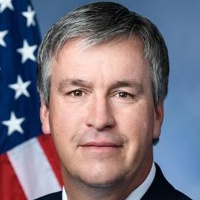
Barry Moore
Representative
AL
Barry Moore
Representative
AL
The Jeremy and Angel Seay and Sergeant Brandon Mendoza Protect Our Communities from DUIs Act of 2025 amends immigration law to address driving while intoxicated or impaired (DWI/DUI) offenses. This legislation establishes that a conviction for, or admission to the underlying acts of, a DWI/DUI offense makes a non-citizen inadmissible to the United States or deportable if already present. This applies regardless of whether the offense is classified as a misdemeanor or felony under local law.
This bill allows associations of employers to sponsor group health plans, treating them as a single employer under ERISA, with specific requirements for plan structure and premium rating.
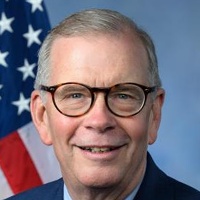
Tim Walberg
Representative
MI
Tim Walberg
Representative
MI
The Association Health Plans Act amends federal law to allow certain groups or associations of employers to sponsor a single group health plan, treating them as a single employer for coverage purposes. This aims to expand access to health coverage by enabling broader risk pooling across different industries. The bill establishes specific criteria these associations must meet to qualify, including minimum size and operational standards. Finally, it outlines rules for setting premium rates and prohibits discrimination based on health status for plans established under this Act.
This bill makes technical corrections and clarifications to the Camp Lejeune Justice Act of 2022, including adjusting venue options, setting standards of proof, and capping attorney fees, all retroactively applied to August 10, 2022.
Gregory Murphy
Representative
NC
Gregory Murphy
Representative
NC
The Ensuring Justice for Camp Lejeune Victims Act of 2025 makes technical corrections to the 2022 Camp Lejeune Justice Act to clarify standards for proving harm and venue for trials. This legislation sets specific caps on attorney fees and retroactively applies these changes to all existing and future claims filed under the original 2022 Act. The bill ensures that existing statutes of limitations for filing claims remain unchanged.
The Protect RAIL Act makes non-citizens inadmissible to the U.S. and deportable if they commit or conspire to commit crimes involving theft or tampering with goods shipped across state or international lines.

Paul Gosar
Representative
AZ
Paul Gosar
Representative
AZ
The Protect RAIL Act amends immigration law to prevent non-citizens convicted of or admitting to crimes involving the theft or tampering of goods shipped across state or international lines from entering the United States. Furthermore, this bill makes non-citizens already in the U.S. deportable if they have committed such offenses related to interstate or foreign shipments.
The Disability Access to Transportation Act aims to modernize paratransit services, establish new pedestrian access standards, and create pilot programs to improve transportation accessibility data and on-demand stop flexibility for people with disabilities.
Dina Titus
Representative
NV
Dina Titus
Representative
NV
The Disability Access to Transportation Act aims to modernize and improve transportation accessibility for people with disabilities, addressing systemic discrimination that persists despite the ADA. The bill establishes a pilot program for "one-stop" paratransit services to reduce wait times and mandates new rules for accessible pedestrian facilities in public rights-of-way. Furthermore, it creates new mechanisms for reporting accessibility complaints and launches a pilot program to measure and analyze transportation access data across different populations.
The LEDGER Act mandates the establishment of a comprehensive, government-wide system to track and record the exact destination and availability period of every federal expenditure.
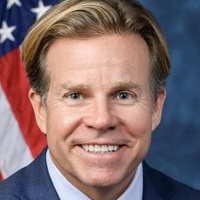
Mike Haridopolos
Representative
FL
Mike Haridopolos
Representative
FL
The LEDGER Act mandates the creation of a comprehensive, centralized system managed by the Secretary of the Treasury to track every expenditure made by all branches of the U.S. Government. This new system must detail exactly where federal funds are spent and how long those funds were available for obligation. The goal is to significantly enhance the traceability and transparency of government spending.
This resolution affirms U.S. support for Israel's actions to dismantle Iran's nuclear capabilities and condemns Iran's retaliatory attacks on Israeli civilians.
Claudia Tenney
Representative
NY
Claudia Tenney
Representative
NY
This resolution expresses the strong support of the U.S. Congress for Israel's recent military actions aimed at dismantling Iran's nuclear enrichment capabilities. It condemns Iran's advancement toward nuclear weapons and its retaliatory attacks against Israeli civilians. Furthermore, the bill urges Iran to immediately cease all nuclear activities and reaffirms the United States' commitment to Israel's security.
The FIGHT Act of 2025 strengthens federal prohibitions against animal fighting, enhances enforcement mechanisms, and allows citizens to sue violators of animal fighting provisions.
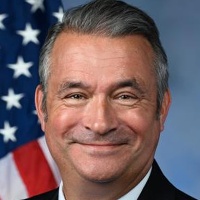
Don Bacon
Representative
NE
Don Bacon
Representative
NE
The FIGHT Act of 2025 significantly strengthens federal prohibitions against animal fighting ventures, specifically targeting the sponsorship, exhibition, and gambling associated with these events. This legislation clarifies the definition of a rooster for legal purposes and bans the interstate transport of roosters for fighting. Furthermore, it empowers private citizens to file lawsuits against violators, allowing for civil penalties and the potential seizure of property used to facilitate illegal animal fighting.
The RAPID Reserve Act establishes a system for the HHS Secretary to contract with companies to maintain rolling reserves of critical drugs and their active pharmaceutical ingredients to secure vulnerable supply chains.
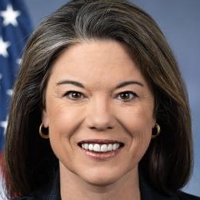
Angie Craig
Representative
MN
Angie Craig
Representative
MN
The RAPID Reserve Act establishes a new program for the Secretary of HHS to contract with companies to create and maintain rolling reserves of critical drugs and their active pharmaceutical ingredients (APIs) with vulnerable supply chains. These agreements require companies to maintain a six-month supply, be ready to produce on demand, and allow for reserve sharing during emergencies. The Act prioritizes strengthening domestic manufacturing capacity when awarding these essential preparedness contracts.
This Act temporarily suspends certain duties on imported bicycle parts for ten years to encourage domestic bicycle assembly and manufacturing.
Vern Buchanan
Representative
FL
Vern Buchanan
Representative
FL
This Act temporarily suspends certain duties on imported bicycle parts for a 10-year period to encourage domestic assembly and manufacturing. Importers must declare their intent to use the parts for building complete bicycles in the U.S. to qualify for this duty exclusion. The law also mandates a report to Congress evaluating progress toward specific annual domestic production targets.
The STOP CSAM Act of 2025 strengthens protections for child victims in federal court, mandates technology companies to report suspected child sexual exploitation, and expands civil remedies for victims against perpetrators and online platforms.
Barry Moore
Representative
AL
Barry Moore
Representative
AL
The STOP CSAM Act of 2025 significantly strengthens protections for child victims and witnesses in federal court by expanding definitions of harm and restricting the public disclosure of their identities. It mandates new, strict reporting duties for tech providers regarding child sexual exploitation material, backed by substantial criminal and civil penalties for non-compliance. Furthermore, the Act creates broad new civil remedies allowing victims to sue responsible online platforms and app stores for damages related to exploitation that occurred during their childhood. Finally, it improves restitution procedures, particularly for vulnerable victims, while ensuring existing state and tribal protections remain intact.
This bill explicitly designates officials and members of Hamas, Hezbollah, Al-Qaeda, Palestine Islamic Jihad, and ISIS, as well as their supporters, as inadmissible to the United States.
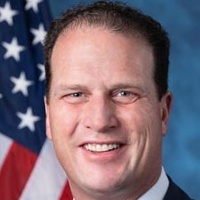
August Pfluger
Representative
TX
August Pfluger
Representative
TX
The Terrorist Inadmissibility Codification Act explicitly names officials and members of Hamas, Hezbollah, Al-Qaeda, Palestine Islamic Jihad, and ISIS as inadmissible to the United States. This legislation broadens existing immigration security provisions to clearly bar individuals associated with these designated terrorist organizations. Furthermore, the bill also prohibits entry for anyone who publicly supports or advocates for terrorist acts committed by these groups.
This bill amends House rules to mandate criminal background checks for all House employees by the U.S. Capitol Police and requires employees to publicly report any past payments or current citizenship related to foreign governments.
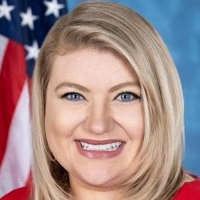
Katherine Cammack
Representative
FL
Katherine Cammack
Representative
FL
This bill amends the Rules of the House of Representatives to mandate criminal background checks conducted by the U.S. Capitol Police for all House employees. Additionally, it requires current and new House employees to publicly disclose any prior payments or contracts received from foreign governments within the last three years. Employees must also report any current foreign citizenship status. These new requirements apply starting with the One Hundred Nineteenth Congress.
This bill prohibits non-citizens from voting in District of Columbia elections and repeals the Local Resident Voting Rights Amendment Act of 2022.
August Pfluger
Representative
TX
August Pfluger
Representative
TX
This bill prohibits non-U.S. citizens from voting in any election in the District of Columbia. It also repeals the Local Resident Voting Rights Amendment Act of 2022, effectively reverting D.C. voting eligibility rules to their pre-2022 status.
This Act aims to combat the rise in syphilis cases, particularly congenital syphilis, by providing guidance and technical assistance to state Medicaid and CHIP programs to improve screening, education, and treatment for pregnant women and infants.
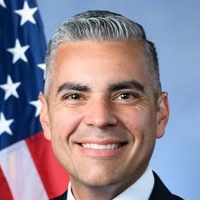
Juan Ciscomani
Representative
AZ
Juan Ciscomani
Representative
AZ
The Maternal and Infant Syphilis Prevention Act addresses the alarming national spike in syphilis cases, particularly the resulting rise in devastating congenital syphilis cases. This bill directs the Secretary of Health and Human Services to issue comprehensive guidance to state Medicaid and CHIP programs on improving syphilis screening, education, and treatment access for pregnant women and infants. The goal is to promote consistent, timely testing—including third-trimester and delivery screening—to prevent nearly all cases of congenital syphilis.