Legislative Activity
Track Jefferson's sponsored bills, co-sponsored legislation, and voting record
This Act mandates a comprehensive review of liquid cooling technologies for data centers to address growing energy demands driven by AI.
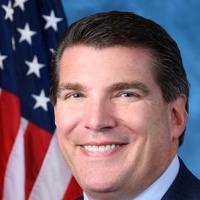
Jay Obernolte
Representative
CA
Jay Obernolte
Representative
CA
The Liquid Cooling for AI Act of 2025 addresses the rapidly growing energy demands of AI data centers by mandating a comprehensive review of liquid cooling technologies. This review, conducted by the GAO, will assess the costs, benefits, and market readiness of systems like direct-to-chip and immersion cooling. Ultimately, the bill seeks to establish federal standards and recommendations to promote the efficient and secure deployment of advanced cooling solutions necessary for future high-performance computing.
This bill establishes September 11th as a legal public holiday known as the September 11 Day of Remembrance.
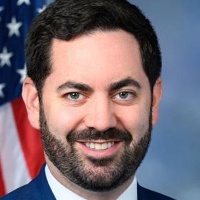
Michael Lawler
Representative
NY
Michael Lawler
Representative
NY
This bill, the **September 11 Day of Remembrance Act**, officially designates September 11th as a legal public holiday. This amendment updates federal law to recognize September 11th as the "September 11 Day of Remembrance," observed annually. Consequently, federal employees will observe this day as a recognized federal holiday.
This resolution condemns the assassination of Charlie Kirk and honors his life, legacy, and commitment to civil discourse.
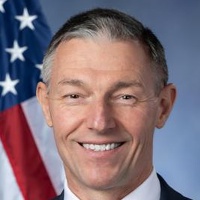
Mike Kennedy
Representative
UT
Mike Kennedy
Representative
UT
This resolution condemns the assassination of conservative activist Charlie Kirk and extends condolences to his family. It honors his life and legacy, recognizing his founding of Turning Point USA and his commitment to encouraging civil discourse on college campuses.
This bill protects firearm licensees from license revocation for self-reported or correctable violations by requiring notice, a chance to fix mistakes, and granting federal courts the power to review revocations *de novo*.
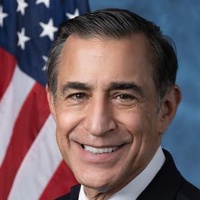
Darrell Issa
Representative
CA
Darrell Issa
Representative
CA
The FIREARM Act aims to protect licensed firearm dealers from overly harsh penalties for minor or self-reported mistakes. It establishes new standards requiring the government to provide notice and an opportunity for dealers to correct violations before license revocation. Furthermore, the bill retroactively applies these protections to licenses previously revoked under a specific 2021 enforcement policy, allowing affected individuals a path to reapply.
This act ensures that essential Border Patrol Agents and Customs Officers receive their salaries during a government shutdown in fiscal year 2026.
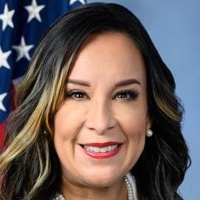
Mónica De La Cruz
Representative
TX
Mónica De La Cruz
Representative
TX
The Pay Our Border Patrol and Customs Agents Act ensures that essential U.S. Border Patrol Agents and Customs and Border Protection officers who must work during a government shutdown in fiscal year 2026 will receive their salaries. This legislation appropriates necessary funds from the Treasury to cover these payments during the lapse in appropriations. The goal is to guarantee that critical border security personnel are paid even if the government temporarily closes.
This bill mandates a study on the energy impact of growing AI and data centers, especially in rural areas, and explores solutions for infrastructure and alternative power sources.
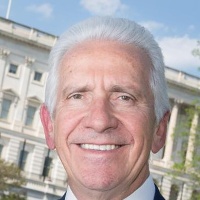
Jim Costa
Representative
CA
Jim Costa
Representative
CA
The Unleashing Low-Cost Rural AI Act mandates a comprehensive study by the Secretary of Energy to assess the impact of growing AI and data center infrastructure on the nation's energy supply. This study must specifically examine energy needs, alternative power sources, and consumer costs, with a special focus on frontier and remote areas. The goal is to identify supply gaps and explore ways to expedite necessary infrastructure permitting.
The Mental Health in Aviation Act of 2025 mandates the FAA to update mental health regulations, improve medical clearance processes, fund more aviation medical examiners, and launch an anti-stigma campaign for aviation workers.
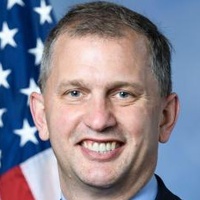
Sean Casten
Representative
IL
Sean Casten
Representative
IL
The Mental Health in Aviation Act of 2025 directs the FAA to update regulations to encourage aviation workers to seek mental health support without fear of stigma. The bill mandates annual reviews of the medical clearance process and allocates funding to hire more Aviation Medical Examiners. Furthermore, it requires the FAA to implement recommendations from a recent mental health task force and launch a public awareness campaign to reduce stigma.
This bill establishes a phased schedule through fiscal year 2031 to increase federal appropriations for Impact Aid programs supporting school districts impacted by federal property.
Mike Levin
Representative
CA
Mike Levin
Representative
CA
The Advancing Toward Impact Aid Full Funding Act establishes a new, increasing schedule of authorized appropriations for key Impact Aid programs through fiscal year 2031. This legislation specifically sets funding levels for federal property acquisition, basic payments to heavily impacted school districts, payments for children with disabilities, and construction activities. The goal is to gradually increase federal support for these essential educational services.
This bill officially names the Department of Veterans Affairs community-based outpatient clinic in Toms River, New Jersey, the Leonard G. 'Bud' Lomell, VA Clinic.
Christopher Smith
Representative
NJ
Christopher Smith
Representative
NJ
This bill officially names the Department of Veterans Affairs community-based outpatient clinic in Toms River, New Jersey, in honor of decorated World War II hero, Second Lieutenant Leonard G. "Bud" Lomell. The renaming recognizes Lomell's extraordinary bravery on D-Day and his lifelong commitment to his community. This legislation ensures the Toms River VA clinic will henceforth be known as the Leonard G. Bud Lomell VA Clinic.
This Act mandates the Bureau of Prisons to issue a REAL ID-compliant identification card, valid for at least 18 months, to all departing federal prisoners to facilitate access to essential federal services and state IDs.
Barry Moore
Representative
AL
Barry Moore
Representative
AL
The BOP Release Card ID Act of 2025 mandates that the Bureau of Prisons issue a REAL ID-compliant photo identification card to all departing federal prisoners, valid for at least 18 months. This federal release card must be accepted for identity verification when accessing major federal benefits like Social Security, Medicaid, and SNAP. Furthermore, the BOP must establish agreements with states to help former inmates use this card to obtain standard state identification. The Attorney General will also issue guidance to states on creating similar release ID programs for state prisoners.
This bill extends enhanced financial assistance for purchasing health insurance through the Marketplace until the end of 2026.
Jennifer Kiggans
Representative
VA
Jennifer Kiggans
Representative
VA
The Bipartisan Premium Tax Credit Extension Act extends the enhanced financial assistance available for purchasing health insurance through the Marketplace. This legislation pushes the expiration date for these boosted premium tax credits, including those for higher earners, from the end of 2025 through the end of 2026. Essentially, it ensures continued, robust subsidies for Marketplace health coverage.
This Act bans Members of Congress and their immediate families from trading or owning specific investments while in office, requiring divestment within 90 to 180 days or facing significant financial penalties.
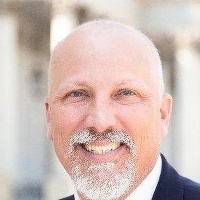
Chip Roy
Representative
TX
Chip Roy
Representative
TX
The Restore Trust in Congress Act establishes strict new rules prohibiting Members of Congress and their immediate families from owning or trading specific financial assets, referred to as "covered investments," while in office. Covered individuals must divest existing prohibited holdings within a set timeframe or face significant financial penalties, including fines and forfeiture of profits. The legislation aims to eliminate conflicts of interest arising from personal financial trading while serving in federal office.
The FEMA Act of 2025 establishes FEMA as an independent, cabinet-level agency and enacts sweeping reforms across public assistance, individual aid, and mitigation programs to speed up recovery and increase transparency.
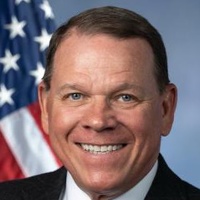
Sam Graves
Representative
MO
Sam Graves
Representative
MO
The FEMA Act of 2025 establishes the Federal Emergency Management Agency (FEMA) as an independent, cabinet-level agency to lead a unified, all-hazards approach to national emergency management. The bill enacts sweeping reforms across Public Assistance, Individual Assistance, and Mitigation programs to accelerate recovery, streamline funding, and reduce bureaucratic hurdles for disaster survivors and communities. Furthermore, it mandates significant new transparency measures, including public data reporting and GAO oversight, to ensure accountability for federal disaster spending.
This bill establishes and reauthorizes federal and pilot programs for detecting, tracking, and mitigating unauthorized drones near critical sites and airports, while also updating drone safety information requirements.
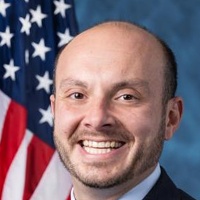
Andrew Garbarino
Representative
NY
Andrew Garbarino
Representative
NY
The Counter-UAS Authority Security, Safety, and Reauthorization Act significantly expands federal authority to detect, track, and neutralize unauthorized drones posing threats to critical infrastructure and national airspace. The bill establishes new coordination requirements between the Department of Homeland Security, the FAA, and the Department of Justice for deploying counter-drone technology, including restrictions on foreign-made equipment. It also creates pilot programs allowing state and local law enforcement to use drone mitigation technology at specific sites and events. Finally, the legislation mandates new safety reporting requirements for drone manufacturers and sets an expiration date of October 1, 2030, for most of the new authorities granted.
This Act establishes a comprehensive EPA program to research, guide, and assist in improving indoor air quality across all buildings, with a special focus on schools and childcare facilities.
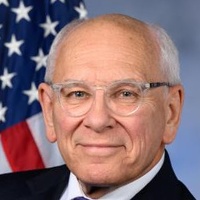
Paul Tonko
Representative
NY
Paul Tonko
Representative
NY
The Indoor Air Quality and Healthy Schools Act of 2025 establishes a comprehensive federal program, managed by the EPA Administrator, to assess, reduce, and prevent exposure to indoor air contaminants in all buildings, with a special focus on schools and childcare facilities. The Act mandates the creation of science-based guidelines for contaminants of concern and supports technical assistance, training, and voluntary "Healthy Building Certifications." It also directs the development of model building codes and a national assessment of air quality in educational settings to ensure healthier indoor environments nationwide.
This Act allows urbanized area formula grant funds to be used for public transportation operating costs, contingent upon recipients certifying and maintaining their local spending efforts.
Michael Lawler
Representative
NY
Michael Lawler
Representative
NY
The Transit Funding Flexibility Act amends federal law to allow Urbanized Area Formula grant funds to be used more flexibly for public transportation operating costs. It removes specific population-based restrictions on grant eligibility. Crucially, recipients must now annually certify they will maintain their local spending effort for federally funded equipment and facilities, or face a mandatory 13% reduction in future federal funding.
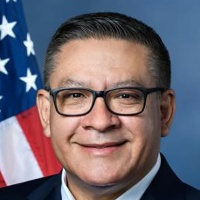
The Greyhound Protection Act of 2025 bans commercial greyhound racing, live lure training, and open field coursing nationwide starting in late 2027 due to documented animal welfare concerns.
Salud Carbajal
Representative
CA
Salud Carbajal
Representative
CA
The Greyhound Protection Act of 2025 seeks to end commercial greyhound racing and related cruel training practices nationwide by October 1, 2027. This legislation bans all forms of wagering on greyhound races and prohibits the use of live animals for training or coursing events. Violators face significant fines and potential imprisonment under the strengthened Animal Welfare Act. The bill reflects concerns over widespread animal injuries, drug use, and inhumane confinement within the declining industry.
This Act establishes national, standardized phrases ("BEST If Used By" and "USE By") for voluntary quality and mandatory discard date labels on food packaging.

Chellie Pingree
Representative
ME
Chellie Pingree
Representative
ME
The Food Date Labeling Act of 2025 establishes national standards for food date labels, requiring manufacturers to use specific phrases like "**BEST If Used By**" for quality and "**USE By**" for discard dates, if they choose to include them. This legislation standardizes labeling language across different food products overseen by the USDA and FDA. The Act also ensures that non-compliant labeling is treated as misbranding under existing federal food laws. Manufacturers will have two years from enactment to comply with these new federal labeling requirements.
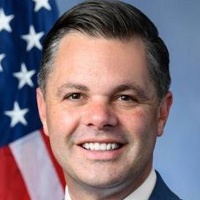
This Act establishes a multi-sector Task Force, led by the Treasury Secretary, to study, recommend strategies for, and report on preventing evolving electronic payment scams.
Zachary (Zach) Nunn
Representative
IA
Zachary (Zach) Nunn
Representative
IA
The Taskforce for Recognizing and Averting Payment Scams Act (TRAPS Act) establishes a new Task Force led by the Secretary of the Treasury. This diverse group, including federal agencies, industry experts, and consumer advocates, will study evolving payment scams. The Task Force is charged with developing cross-sector prevention strategies and submitting comprehensive recommendations for new laws and improved coordination to combat these fraudulent activities.
This act mandates that the Veterans Health Administration expand its informed consent requirements to specifically cover the prescription of antipsychotics, stimulants, antidepressants, anxiolytics, and narcotics.

Gus Bilirakis
Representative
FL
Gus Bilirakis
Representative
FL
The Written Informed Consent Act mandates that the Veterans Health Administration (VHA) expand its informed consent directives to specifically cover several classes of medications, including antipsychotics, stimulants, antidepressants, anxiolytics, and narcotics. This ensures veterans receive a thorough understanding of these prescribed drugs. The Secretary of Veterans Affairs must update VHA Directive 1005 to reflect these expanded requirements.