Legislative Activity
Track Chris's sponsored bills, co-sponsored legislation, and voting record
The Credit for Caring Act of 2025 establishes a new, non-refundable tax credit for working family caregivers based on qualified expenses paid for eligible care recipients.

Shelley Capito
Senator
WV
Shelley Capito
Senator
WV
The Credit for Caring Act of 2025 establishes a new, non-refundable tax credit for working family caregivers who incur qualified expenses for a dependent with long-term care needs. This "Working Family Caregivers Credit" equals 30% of eligible expenses exceeding $2,000, up to a maximum annual credit of $5,000. To qualify, caregivers must have earned income over $7,500 and the care recipient must be certified by a healthcare practitioner as needing long-term care. The credit begins to phase out for taxpayers with Modified Adjusted Gross Income over $150,000 (joint filers) or $75,000 (all others).
This bill prohibits the shackling and mandates the release of pregnant and postpartum noncitizens in immigration custody, except in extraordinary circumstances, while ensuring humane treatment and comprehensive medical care.
Patty Murray
Senator
WA
Patty Murray
Senator
WA
The Stop Shackling and Detaining Pregnant Women Act aims to significantly restrict the detention of pregnant and postpartum noncitizens in immigration custody. It mandates immediate testing for pregnancy upon intake and establishes a strong presumption against detention unless extraordinary, case-by-case public safety risks are proven. Furthermore, the bill strictly limits the use of physical restraints on pregnant detainees and requires comprehensive medical care, including reproductive health services, alongside detailed public reporting on detention statistics and restraint incidents.
This bill limits the application of the Religious Freedom Restoration Act (RFRA) when federal anti-discrimination, labor, funding, and equal access laws are being enforced, and clarifies that RFRA can only be used to challenge government actions in litigation.
Cory Booker
Senator
NJ
Cory Booker
Senator
NJ
The Do No Harm Act amends the Religious Freedom Restoration Act (RFRA) to ensure that federal anti-discrimination, labor, and equal access laws take precedence over religious freedom claims in specific circumstances. This legislation clarifies that RFRA protections cannot be used to override requirements in federal contracts or agreements involving government funding. Furthermore, the Act explicitly limits the application of RFRA to challenges against government actions, precluding its use in private litigation between non-governmental parties.
This Act establishes a federal grant program to help states and tribes implement and enforce Extreme Risk Protection Orders (ERPOs), which temporarily remove firearms from individuals deemed a danger to themselves or others, while also updating federal background check laws to recognize these orders.
Richard Blumenthal
Senator
CT
Richard Blumenthal
Senator
CT
The Extreme Risk Protection Order Expansion Act of 2025 establishes a federal grant program to help states and tribes implement laws allowing for Extreme Risk Protection Orders (ERPOs), which temporarily remove firearms from individuals deemed a danger to themselves or others. The bill mandates specific due process protections for individuals subject to these orders and ensures that any issued ERPO is recognized and enforced across all states and tribes. Furthermore, it updates federal law to prohibit firearm possession by anyone subject to a qualifying court order and requires that these orders be entered into the National Instant Criminal Background Check System (NICS).
This Act restores U.S. funding to UNRWA, mandates the cancellation of previous funding bans, and requires regular reporting on the agency's implementation of accountability reforms.
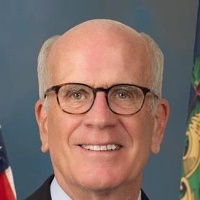
Peter Welch
Senator
VT
Peter Welch
Senator
VT
This Act aims to immediately restore U.S. funding to the United Nations Relief and Works Agency for Palestine Refugees in the Near East (UNRWA) to address the humanitarian crisis in Gaza and support refugees across the region. It repeals previous legislative bans on UNRWA funding and directs the Secretary of State to resume payments promptly. The bill mandates regular reporting to Congress detailing UNRWA's progress in implementing accountability reforms recommended by the Independent Review Group.
This Act establishes new minimum fleet sizes for Air Force fighter aircraft, mandates detailed quarterly reporting on inventory status, prioritizes upgrades for existing squadrons, and freezes Air National Guard fighter force structure until 2030.

Michael Crapo
Senator
ID
Michael Crapo
Senator
ID
The Fighter Force Preservation and Recapitalization Act of 2025 establishes new minimum fleet sizes for the Air Force's fighter aircraft inventory and delays the enforcement date for these higher requirements until 2030. The bill mandates strict quarterly reporting on new aircraft procurement and distribution, while prioritizing the assignment of new, advanced fighters to existing operational squadrons. Furthermore, it places a freeze on reducing the number of Air National Guard fighter squadrons through 2030 and requires an annual plan to ensure the Guard's fleet recapitalizes at the same pace as the active force.
Recognizes the week of March 3-7, 2025, as "National Social and Emotional Learning Week" to highlight the importance of social and emotional skills for students' academic success and well-being.
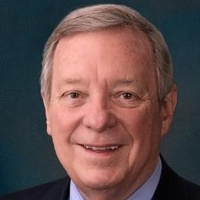
Richard Durbin
Senator
IL
Richard Durbin
Senator
IL
This resolution supports designating March 3-7, 2025, as "National Social and Emotional Learning Week" to highlight the role of social and emotional learning in academic success and well-being. It recognizes SEL's impact on students' mental health and career readiness while advocating for expanded access to SEL programs for students and teachers. The resolution also encourages federal agencies to identify opportunities to promote social and emotional learning.
This Act prohibits the FCC from punishing broadcasters or conditioning business approvals based on the viewpoints expressed over the airwaves, except in cases of fraud, obscenity, or incitement.
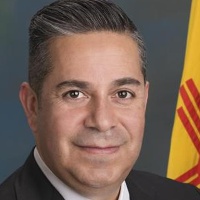
Ben Luján
Senator
NM
Ben Luján
Senator
NM
The Broadcast Freedom and Independence Act of 2025 reinforces the independence of the Federal Communications Commission (FCC) from political pressure. This bill explicitly prohibits the FCC from taking punitive action against broadcasters based solely on the viewpoints or opinions they air. It ensures that broadcast licenses and business transaction approvals cannot be conditioned on changing content or political speech. However, this protection does not shield broadcasters from enforcement actions related to fraud, obscenity, or incitement to lawless action.
The Mining Waste, Fraud, and Abuse Prevention Act of 2025 updates regulations for mining on federal lands by setting fees, royalties, and environmental standards, and establishing a fund for reclaiming abandoned mines.
Ben Luján
Senator
NM
Ben Luján
Senator
NM
This bill aims to reform mining practices on federal lands by setting royalties on mineral extraction, introducing stricter permitting and environmental regulations, and establishing a fund for reclaiming abandoned mines. It requires mining operators to pay annual fees and royalties, obtain permits for mineral activities, and provide financial assurances for land reclamation. The bill also prioritizes the protection of sensitive lands and mandates tribal consultation before mineral activities begin. These changes are intended to balance resource extraction with environmental protection and ensure fair compensation for the use of public lands.
The Richard L. Trumka Protecting the Right to Organize Act of 2025 significantly strengthens worker rights by overhauling the NLRA to impose stricter penalties on employers, redefine joint employment, protect striking workers, and mandate binding arbitration for first contracts.
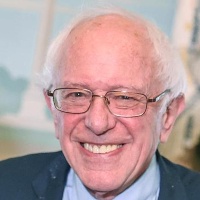
Bernard Sanders
Senator
VT
Bernard Sanders
Senator
VT
The Richard L. Trumka Protecting the Right to Organize Act of 2025 significantly strengthens the National Labor Relations Act to bolster worker organizing rights and impose stricter penalties on employers who violate labor laws. It redefines joint employment, makes it harder to classify workers as independent contractors, and bans class action waivers. The bill also establishes mandatory arbitration for first contracts and allows employees to sue employers directly for serious unfair labor practices.
This Act repeals four specific Executive Orders issued on January 20, 2025, concerning energy, environmental agreements, and offshore wind leasing, while preserving existing Presidential authority.
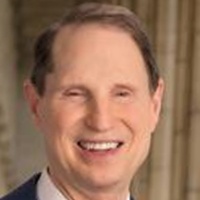
Ron Wyden
Senator
OR
Ron Wyden
Senator
OR
The Defending American Jobs and Affordable Energy Act of 2025 immediately repeals four specific Executive Orders issued on January 20, 2025, concerning energy policy and international agreements. This action prevents federal funds from being used to enforce those canceled directives. The bill also includes a savings provision to ensure it does not limit any existing authority of the President.
This resolution condemns the mass termination of Department of Veterans Affairs employees and calls for their immediate reinstatement due to the lack of justification and the resulting negative impact on veteran services.
Richard Blumenthal
Senator
CT
Richard Blumenthal
Senator
CT
This resolution formally condemns the recent mass termination of 2,400 Department of Veterans Affairs employees, which was carried out without justification or analysis of the impact on veteran services. It highlights the resulting disruption to critical healthcare and support programs and calls for the immediate reinstatement of all affected personnel.
The HOPE for Homeownership Act imposes new excise taxes on large investment entities that own excess single-family residences and disallows mortgage interest and depreciation deductions for those properties.
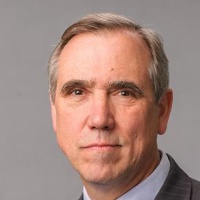
Jeff Merkley
Senator
OR
Jeff Merkley
Senator
OR
The HOPE for Homeownership Act imposes new federal excise taxes on large investment entities, such as hedge funds, that own excess single-family residences. These taxes apply both at the time of purchase and annually based on the number of homes owned above a set limit. Furthermore, taxpayers subject to these new taxes are disallowed from claiming mortgage interest deductions or depreciation on those residential properties. The goal is to discourage large-scale corporate ownership of single-family homes.
This Act bans the sale and possession of ammunition feeding devices holding more than 10 rounds, with exceptions for current and retired law enforcement and grandfathered owners, while allowing federal funds for buy-back programs.
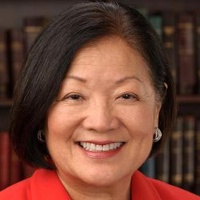
Mazie Hirono
Senator
HI
Mazie Hirono
Senator
HI
The Keep Americans Safe Act generally bans the sale, transfer, and possession of ammunition feeding devices capable of holding more than 10 rounds, with exceptions for current and retired law enforcement, government use, and existing lawful possession. The bill mandates serial numbers and manufacturing dates on newly produced devices. Furthermore, it permits states to use federal Byrne grant funds for buy-back programs targeting these large-capacity magazines.
The Social Security Expansion Act increases Social Security benefits, changes cost-of-living adjustments, extends benefits to student children, raises payroll taxes on high earners, taxes investment gains, and establishes a new Social Security Trust Fund.
Bernard Sanders
Senator
VT
Bernard Sanders
Senator
VT
The Social Security Expansion Act aims to increase Social Security benefits across the board, including increased cost-of-living adjustments, expanded eligibility for students, and a higher minimum benefit for low-income earners. To fund these expansions, the bill raises payroll taxes on earnings above $250,000 and increases taxes on investment gains. It also establishes a new "Social Security Trust Fund" to manage the program's finances.
The SAFE Lending Act of 2025 aims to protect consumers from abusive lending practices by increasing transparency, empowering consumer control over bank accounts, and restricting lead generation in small-dollar lending.
Jeff Merkley
Senator
OR
Jeff Merkley
Senator
OR
The SAFE Lending Act of 2025 aims to protect consumers from abusive practices in electronic and small-dollar lending. It requires small-dollar lenders to register with the Bureau of Consumer Financial Protection, ensures state laws apply to online and national bank loans, and restricts the distribution of sensitive financial information. The Act also expands consumer control over bank accounts by limiting remotely created checks and overdraft fees on prepaid accounts. Finally, the Act mandates a study on the impact of small-dollar lending on economic opportunity for Native American tribes.
This bill establishes a new State Department office and mandates specific reporting requirements to monitor and combat acts of international Islamophobia and incitement against Muslims.
Cory Booker
Senator
NJ
Cory Booker
Senator
NJ
This Act establishes a new Office within the State Department, led by a Special Envoy, dedicated to monitoring and combating international Islamophobia. It mandates that the State Department specifically track and report on acts of Islamophobia and anti-Muslim incitement in its annual human rights and religious freedom reports. The goal is to systematically address and document prejudice and violence targeting Muslims abroad.
This resolution celebrates Black History Month by honoring the profound contributions of African Americans to the nation’s history and encouraging continued reflection on the journey toward equality and justice.
Cory Booker
Senator
NJ
Cory Booker
Senator
NJ
This resolution celebrates Black History Month by honoring the profound contributions and resilience of African Americans throughout United States history. It acknowledges both the struggles of the past and the significant achievements of individuals who have shaped the nation’s progress. By recognizing this history, the resolution encourages all Americans to reflect on our shared past and continue working toward a future of unity and justice.
This joint resolution terminates the national emergency regarding energy declared by the President on January 20, 2025.
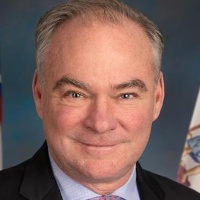
Timothy Kaine
Senator
VA
Timothy Kaine
Senator
VA
This joint resolution terminates the national emergency regarding energy that was declared by the President on January 20, 2025, via Executive Order 14156. It effectively ends the emergency authorities granted under the National Emergencies Act in relation to this specific order.
Streamlines Medicaid and CHIP enrollment for out-of-state providers serving children, reducing administrative burdens and enhancing access to care.
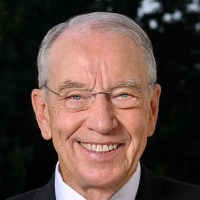
Charles Grassley
Senator
IA
Charles Grassley
Senator
IA
The "Accelerating Kids’ Access to Care Act" streamlines the Medicaid and CHIP enrollment process for out-of-state providers, allowing them to furnish services to individuals under 21 more efficiently. By reducing excessive screening and enrollment requirements, the bill aims to improve access to care for children. Enrolled providers will have a 5-year enrollment period, and the changes will take effect three years after enactment.