Legislative Activity
Track Shri's sponsored bills, co-sponsored legislation, and voting record
The Data Center Community Impact Act establishes a federal grant fund to support infrastructure and community development in areas affected by data centers while mandating a comprehensive study on their environmental and socioeconomic impacts.
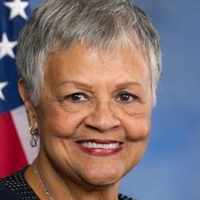
Bonnie Watson Coleman
Representative
NJ
Bonnie Watson Coleman
Representative
NJ
The Data Center Community Impact Act establishes a federal fund to provide grants to state, local, and tribal governments for infrastructure, housing, and environmental projects in communities affected by data center operations. The bill prioritizes support for low-income communities and communities of color, which are often disproportionately impacted by the energy and water demands of these facilities. Additionally, the Act mandates a comprehensive federal study to assess the long-term environmental, economic, and public health effects of data centers on these vulnerable populations.
The PrEP Access and Coverage Act of 2026 mandates comprehensive, cost-free insurance coverage for HIV prevention services across public and private health plans while prohibiting discriminatory insurance practices and funding national education and outreach programs.
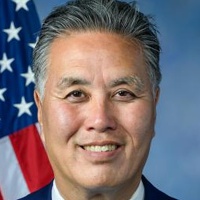
Mark Takano
Representative
CA
Mark Takano
Representative
CA
The PrEP Access and Coverage Act of 2026 mandates comprehensive, cost-free insurance coverage for HIV prevention services (PrEP and PEP) across private health plans, Medicare, Medicaid, TRICARE, and veteran health programs. The bill prohibits insurers from denying coverage or increasing premiums based on the use of HIV prevention medication and establishes robust patient confidentiality protections. Additionally, it authorizes national public health education campaigns and provides grant funding to expand access to prevention services for uninsured and underinsured populations.
This bill strengthens democracy by banning foreign spending in U.S. elections, increasing transparency for "dark money" in politics, and mandating clear disclosure of funders in political advertising.
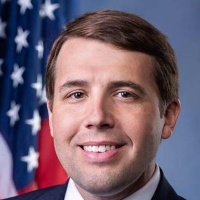
Chris Pappas
Representative
NH
Chris Pappas
Representative
NH
The Democracy Is Strengthened by Casting Light On Spending in Elections Act of 2026 aims to increase transparency and security in U.S. elections. It closes loopholes to ban foreign national spending in elections, mandates disclosure for "dark money" political spending, and requires clear funding disclosures on political ads. The bill also centralizes legal challenges to campaign finance laws in Washington, D.C., for faster resolution.
The Direct File Act of 2026 establishes a permanent, free, government-owned online tax filing system within the IRS while prohibiting agreements that restrict the government from providing tax preparation services.
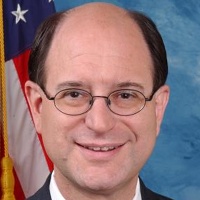
Brad Sherman
Representative
CA
Brad Sherman
Representative
CA
The Direct File Act of 2026 establishes a permanent, free, government-owned online tax filing system within the IRS, ensuring taxpayers have a simplified and accessible way to file their returns. The bill prohibits the Treasury from entering into agreements that restrict the government's ability to provide these services and mandates the integration of state tax filing options. Additionally, it streamlines the tax process by setting new filing deadlines for employer information returns to improve efficiency for all taxpayers.
This resolution honors the life, legacy, and enduring commitment to civil rights and equality of Reverend Jesse Louis Jackson, Sr.
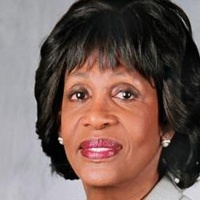
Maxine Waters
Representative
CA
Maxine Waters
Representative
CA
This resolution honors the life, leadership, and enduring legacy of Reverend Jesse Louis Jackson, Sr. It recognizes his pivotal role as a civil rights leader, his groundbreaking political campaigns, and his global advocacy for human rights and equality. The measure encourages all Americans to continue his work by moving forward with hope rather than fear and division.
This act restricts the transfer of surplus military equipment from the Department of Defense to local law enforcement agencies by banning certain military gear and imposing strict new accountability and community notification requirements.
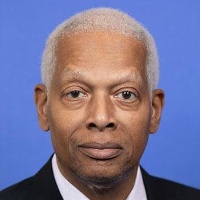
Henry Johnson
Representative
GA
Henry Johnson
Representative
GA
The Stop Militarizing Law Enforcement Act aims to significantly restrict the transfer of surplus military equipment from the Department of Defense to local law enforcement agencies. This bill bans the transfer of many military-grade items, such as armored vehicles and certain weapons, while imposing strict new public notification, local approval, and annual accountability requirements for any approved transfers. The legislation seeks to prevent the inappropriate militarization of police forces by increasing oversight and limiting access to combat-ready gear.
The RELIEF Act mandates the refunding of certain tariffs collected by U.S. Customs and Border Protection under the International Emergency Economic Powers Act starting January 1, 2025.
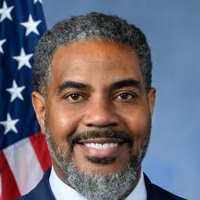
Steven Horsford
Representative
NV
Steven Horsford
Representative
NV
The RELIEF Act establishes a mandatory refund process for certain tariffs collected by U.S. Customs and Border Protection starting January 1, 2025, specifically those imposed under the International Emergency Economic Powers Act. This legislation requires the Commissioner of Customs and Border Protection to automatically issue refunds to importers within 90 days of enactment. Importers will receive these refunds without needing to file an application or protest.
This bill amends federal law to expand the definition of unlicensed money transmitting businesses to include those exercising control over digital assets and substitute currencies.
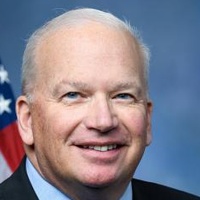
Scott Fitzgerald
Representative
WI
Scott Fitzgerald
Representative
WI
The Promoting Innovation in Blockchain Development Act amends federal law to expand the definition of unlicensed money transmitting businesses. This legislation establishes criminal penalties for individuals who knowingly manage or control unlicensed operations involving currency or digital value substitutes.
The African American History Act of 2026 authorizes the National Museum of African American History and Culture to develop and support educational programs, resources, and curricula to enhance the teaching of African American history nationwide.
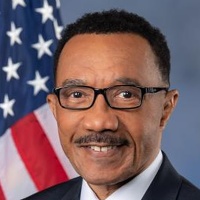
Kweisi Mfume
Representative
MD
Kweisi Mfume
Representative
MD
The African American History Act of 2026 authorizes the National Museum of African American History and Culture to develop and expand educational resources, curricula, and digital programming for students and educators nationwide. By providing $10 million in annual funding through 2030, the Act aims to promote a deeper understanding of African American history through a social justice and anti-bias lens. Additionally, the legislation encourages the development of similar educational initiatives across other Smithsonian museums dedicated to diverse American histories.
This bill mandates that the Bureau of Prisons employ obstetrician-gynecologists at facilities with female prisoners to ensure comprehensive gynecological, prenatal, and postpartum care.
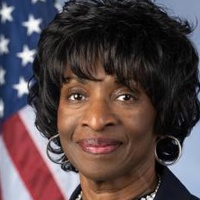
Valerie Foushee
Representative
NC
Valerie Foushee
Representative
NC
The Ensuring OBGYN Care in Prisons Act mandates that the Bureau of Prisons employ full-time obstetrician-gynecologists at all facilities housing female prisoners. This bill ensures comprehensive gynecological, prenatal, and postpartum care, including required initial visits within 14 days of incarceration. Furthermore, it establishes patient protections like informed consent and the right to refuse non-emergency care. The Bureau of Prisons must also submit annual reports detailing staffing, services provided, and pregnancy outcomes.
This bill establishes independent offices within the Supreme Court to provide ethics guidance to justices and investigate potential ethics violations.

Dan Goldman
Representative
NY
Dan Goldman
Representative
NY
The Supreme Court Ethics and Investigations Act establishes two independent offices within the Supreme Court to enhance judicial accountability. The Office of Ethics Counsel will provide guidance and mandatory training for justices on conduct and financial disclosures, while the Office of Investigative Counsel will be empowered to investigate and report on ethics complaints filed against justices.
This Act establishes an Office for Students and Young Consumers within the Consumer Financial Protection Bureau and mandates formal coordination between the Bureau and the Department of Education to improve student loan oversight, complaint resolution, and data transparency.
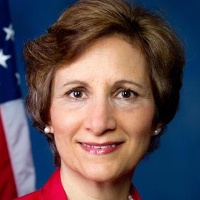
Suzanne Bonamici
Representative
OR
Suzanne Bonamici
Representative
OR
The Students and Young Consumers Empowerment Act establishes an Office for Students and Young Consumers within the Consumer Financial Protection Bureau to better advocate for and educate student loan borrowers. The bill mandates formal cooperation and data sharing between the Bureau and the Department of Education to streamline the resolution of student loan complaints. Additionally, it requires regular reporting to Congress on student loan market risks, campus banking practices, and the financial challenges facing young consumers.
This resolution congratulates and honors the Michigan athletes who competed in the 2026 Olympic and Paralympic Games in Italy.

Debbie Dingell
Representative
MI
Debbie Dingell
Representative
MI
This resolution congratulates and honors the dedicated Olympians and Paralympians from Michigan who competed in the 2026 Milano Cortina Games. It recognizes their patriotic efforts, highlights the significance of the Games in promoting peace, and specifically names the Michigan athletes who represented Team USA. The resolution celebrates their heroic accomplishments and contributions to the United States.
The Respect for Local Communities Act requires the Department of Homeland Security to provide public notice, hold local hearings, and secure state and local government approval before establishing or modifying any new ICE processing or detention facilities.
Chris Pappas
Representative
NH
Chris Pappas
Representative
NH
The Respect for Local Communities Act mandates that the Department of Homeland Security provide advance notice and conduct public hearings before establishing or modifying ICE processing and detention facilities. The bill requires federal agencies to complete comprehensive impact assessments and secure formal, written agreements from state and local officials prior to project approval. This ensures greater transparency and local oversight regarding the economic and social impacts of new immigration detention sites.
The Southeast Asian Deportation Relief Act of 2026 provides relief from detention and removal, grants work authorization, and establishes a process for reopening cases for certain long-term residents from Cambodia, Laos, and Vietnam.
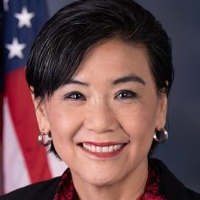
Judy Chu
Representative
CA
Judy Chu
Representative
CA
The Southeast Asian Deportation Relief Act of 2026 provides significant relief for long-term residents from Cambodia, Laos, and Vietnam facing deportation. It prohibits the detention and removal of eligible individuals who entered the U.S. before 2008 and grants them permanent work authorization. Furthermore, the Act establishes a streamlined process for those previously ordered removed to reopen and terminate their immigration cases, effectively vacating past removal orders.
This act reforms the process for negotiating pay and benefits for Postal Service supervisors, managers, and postmasters, ensuring timely proposals and binding dispute resolution.
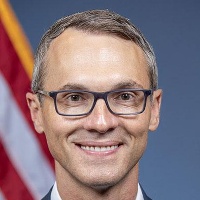
James Walkinshaw
Representative
VA
James Walkinshaw
Representative
VA
The Postal Supervisors, Managers, and Postmasters Fairness Act of 2026 updates the process for determining pay and benefits for Postal Service supervisory personnel. This bill requires the Postal Service to formally propose pay changes to supervisor organizations before existing decisions expire or after related union contracts are settled. Any unresolved disputes regarding these proposals will result in a final, binding determination issued quickly by a review panel.
This bill establishes a federal process for Extreme Risk Protection Orders, creates a grant program to incentivize states to adopt similar laws, and mandates the recognition of such orders across state lines.
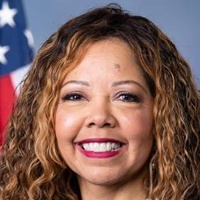
Lucy McBath
Representative
GA
Lucy McBath
Representative
GA
The Federal Extreme Risk Protection Order Act of 2026 establishes a federal process for issuing Extreme Risk Protection Orders (ERPOs) that temporarily prohibit individuals deemed a danger from possessing firearms. The bill allows family members or law enforcement to petition federal courts for temporary or long-term orders based on evidence of imminent risk of harm. Furthermore, it creates a federal grant program to incentivize and support states and tribes in implementing their own qualifying ERPO laws. Finally, it mandates that individuals subject to these federal orders surrender their firearms and ensures these orders are recognized across state lines.
The AI Workforce Training Act provides businesses with a tax credit for employee artificial intelligence training expenses and establishes a public outreach campaign to promote workforce development.
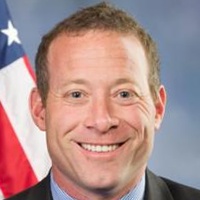
Josh Gottheimer
Representative
NJ
Josh Gottheimer
Representative
NJ
The AI Workforce Training Act incentivizes businesses to upskill their employees by providing a tax credit covering 30% of qualified artificial intelligence training expenses, up to $2,500 per employee. To ensure widespread adoption, the bill also mandates a federal public outreach campaign to promote the credit and requires annual reports to Congress on its impact.
The **BE HEARD in the Workplace Act** comprehensively overhauls federal workplace protections by strengthening anti-discrimination laws, phasing out the tipped minimum wage, expanding worker rights against silencing agreements, and establishing new federal grant programs for prevention and legal aid.
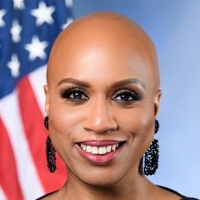
Ayanna Pressley
Representative
MA
Ayanna Pressley
Representative
MA
The **BE HEARD in the Workplace Act** comprehensively reforms workplace protections by mandating new anti-discrimination policies and training, while strengthening federal laws to explicitly protect LGBTQ+ individuals and expand filing deadlines for all workers. The bill also phases out the lower federal minimum wage for tipped employees and restricts employers' use of mandatory arbitration and non-disclosure agreements. Finally, it establishes federal grant programs to fund education, legal assistance, and state-level advocacy systems to combat workplace discrimination.
This bill exempts specific less-than-lethal projectile devices from federal firearm restrictions, excise taxes, and National Firearms Act regulations to promote de-escalation innovation in law enforcement.
Scott Fitzgerald
Representative
WI
Scott Fitzgerald
Representative
WI
The Law-Enforcement Innovate to De-Escalate Act aims to promote de-escalation by exempting specific, clearly defined less-than-lethal projectile devices from federal firearm restrictions and excise taxes. This legislation provides a formal process for determining which devices qualify for these exemptions under both federal law and the National Firearms Act. The bill also modernizes tax regulations by exempting qualifying less-than-lethal devices and their ammunition from federal excise taxes.