The **BE HEARD in the Workplace Act** comprehensively overhauls federal workplace protections by strengthening anti-discrimination laws, phasing out the tipped minimum wage, expanding worker rights against silencing agreements, and establishing new federal grant programs for prevention and legal aid.
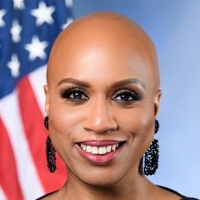
Ayanna Pressley
Representative
MA-7
The **BE HEARD in the Workplace Act** comprehensively reforms workplace protections by mandating new anti-discrimination policies and training, while strengthening federal laws to explicitly protect LGBTQ+ individuals and expand filing deadlines for all workers. The bill also phases out the lower federal minimum wage for tipped employees and restricts employers' use of mandatory arbitration and non-disclosure agreements. Finally, it establishes federal grant programs to fund education, legal assistance, and state-level advocacy systems to combat workplace discrimination.
BE HEARD Act Overhauls Workplace Rules: Ending Gag Orders and Expanding Protections for Every Worker by 2025.
The BE HEARD in the Workplace Act is a massive rewrite of how harassment and discrimination are handled on the job. It moves the goalposts by expanding legal protections to nearly every person who works, including independent contractors, interns, and volunteers who were previously left in a legal gray area. Beyond just expanding who is covered, the bill fundamentally changes the rules of engagement by banning mandatory arbitration and 'gag orders' (NDAs) that often prevent workers from speaking out or taking their cases to a public court. It also sets a new, uniform 'motivating factor' standard, meaning if a protected characteristic like race or sex played any part in a firing or demotion, it counts as discrimination, even if the employer had other reasons.
No More Shushing and Secret Meetings
One of the biggest shifts here is the crackdown on the fine print. For years, many of us have signed employment contracts that force legal disputes into private arbitration—basically a private room instead of a public courtroom. This bill effectively kills those mandatory clauses for harassment and discrimination claims. It also puts a heavy leash on non-disclosure agreements. If you’re a freelance graphic designer or a college intern, you’d now have the same right to a safe workplace as a full-time executive. Under Title III, employers can’t make you sign away your right to talk about harassment as a condition of getting the job, and settlement deals can only include secrecy if you specifically request it and have 45 days to change your mind.
Raising the Bar for Bosses
This isn't just about what happens after a problem starts; it’s about forcing companies to be proactive. Employers with 15 or more workers will be required to hand out clear, written anti-discrimination policies and provide interactive training. If you’re a manager, the bill holds your company liable for your conduct if you have authority over an employee or if the company was negligent in stopping you. For the smallest businesses—even those with just one employee—federal anti-discrimination laws will now apply for the first time. This means a local coffee shop or a two-person tech startup will need to follow the same federal playbooks as a massive corporation, which is a major win for worker safety but a significant new administrative hurdle for micro-business owners.
Fair Pay and Filing Windows
The bill also takes a swing at the 'tipped wage' system. It phases out the lower federal minimum wage for tipped workers (like servers and bartenders) until it matches the standard federal minimum wage, ensuring a stable base paycheck regardless of how busy the shift is. Plus, it legally guarantees that you keep 100% of your tips. On the legal side, the bill acknowledges that it takes time to process trauma or realize a pattern of abuse. It stretches the deadline to file a complaint with the EEOC from the current 180 or 300 days all the way out to four years. This gives a construction worker or a software dev much more breathing room to seek justice if they’ve been pushed out of a job.
The Cost of Compliance
While the benefits for workers are clear, the bill introduces some real-world friction for employers. Federal contractors bidding on projects over $500,000 will now have to air their dirty laundry, disclosing past labor and civil rights violations to the government. This could make it harder for companies with a spotty record to land big contracts. Additionally, because the 'motivating factor' legal standard is broader than current law, we’ll likely see an increase in litigation. For a small business owner, the cost of defending a single lawsuit—even a meritless one—can be a business-ending event. To help balance this, the bill does promise free, 'plain English' resources and grants for small businesses to help them get their policies right before anyone ever walks into a courtroom.