Legislative Activity
Track Ritchie's sponsored bills, co-sponsored legislation, and voting record
This bill officially designates the United States Postal Service facility at 86 Main Street in Haverstraw, New York, as the Paul Piperato Post Office Building.
Michael Lawler
Representative
NY
Michael Lawler
Representative
NY
This bill officially designates the United States Postal Service facility located at 86 Main Street in Haverstraw, New York, as the "Paul Piperato Post Office Building." This action ensures the facility will be known by this name in all official federal records and documents moving forward.
This bill officially renames the United States Postal Service facility in Holmes, New York, as the Sheriff Adrian Butch Anderson Post Office Building.
Michael Lawler
Representative
NY
Michael Lawler
Representative
NY
This bill officially designates the United States Postal Service facility located at 298 Route 292 in Holmes, New York, as the "Sheriff Adrian Butch Anderson Post Office Building." This change ensures all federal records and documents will use the new official name for this location.
This bill officially renames the U.S. Postal Service facility in Avon, New York, as the Officer Anthony Mazurkiewicz Memorial Post Office Building.

Claudia Tenney
Representative
NY
Claudia Tenney
Representative
NY
This bill officially designates the United States Postal Service facility located at 80 Prospect Street in Avon, New York, as the **Officer Anthony Mazurkiewicz Memorial Post Office Building**. This action ensures the facility will bear this name in all federal records and references moving forward.
This bill prohibits immigration enforcement officers from arresting or detaining individuals at or near immigration court facilities unless there is a judicial warrant or an imminent threat.

Dan Goldman
Representative
NY
Dan Goldman
Representative
NY
The Immigration Court Due Process Protection Act of 2025 restricts Department of Homeland Security (DHS) officers from arresting or detaining individuals attending or departing from immigration court proceedings or scheduled appointments, unless a judicial warrant is present or an imminent threat exists. The bill mandates specific supervisory approval for arrests during scheduled check-ins. Furthermore, it requires the DHS Inspector General to submit an annual report to Congress detailing compliance with these new protections.
The HELP Copays Act mandates that financial assistance from non-profits and drug manufacturers must count toward a patient's deductible, copay, and out-of-pocket maximum for prescription drugs.
Thomas Kean
Representative
NJ
Thomas Kean
Representative
NJ
The HELP Copays Act requires that financial assistance provided by non-profit organizations and drug manufacturers must count toward a patient's deductible, copayments, and out-of-pocket maximums for prescription drugs. This change ensures that patient assistance dollars directly reduce the amount a patient must pay before their coverage fully kicks in. The legislation specifically applies to specialty drugs and those subject to utilization management. These provisions will take effect for plan years beginning on or after January 1, 2026.
This resolution reaffirms U.S. partnership with Honduras to counter narcotics while strongly condemning the pardon of former Honduran President Juan Orlando Hernández following his conviction on drug trafficking charges.
Gregory Meeks
Representative
NY
Gregory Meeks
Representative
NY
This resolution reaffirms the U.S. commitment to partnering with Honduras on security and counter-narcotics efforts while strongly condemning the pardon of former President Juan Orlando Hernández. It highlights Hernández's conviction for drug trafficking and argues that the pardon undermines U.S. anti-corruption efforts and justice for victims. The resolution also urges continued cooperation with Honduras on fair elections, security, and development, while rejecting unauthorized military force.
The Dignity for Detained Immigrants Act establishes comprehensive standards, rigorous oversight, and new custody procedures to ensure humane treatment and due process for all noncitizens detained by the Department of Homeland Security, while phasing out for-profit detention facilities.

Pramila Jayapal
Representative
WA
Pramila Jayapal
Representative
WA
The Dignity for Detained Immigrants Act aims to overhaul immigration detention by establishing mandatory, high standards based on ABA guidelines and increasing transparency through rigorous, unannounced inspections. The bill prohibits the use of private, for-profit detention facilities within three years and ends the mandatory detention of most noncitizens, prioritizing release or community-based alternatives. Furthermore, it establishes new due process rights, including timely custody hearings, a presumption of release, and prohibitions on detaining children or using solitary confinement.
This resolution commemorates World AIDS Day by recognizing global and domestic progress, highlighting ongoing challenges, and encouraging continued support for ending the HIV epidemic by 2030.
Mark Pocan
Representative
WI
Mark Pocan
Representative
WI
This resolution commemorates World AIDS Day and recognizes significant progress made in combating HIV/AIDS globally and domestically through programs like PEPFAR and the Ryan White Act. It highlights ongoing challenges, particularly disparities in impact, while encouraging continued robust funding for research, prevention, and treatment efforts worldwide. The resolution supports the goal of ending the HIV epidemic by 2030 through zero new transmissions and zero discrimination.
The Mikaela Naylon Give Kids a Chance Act primarily focuses on enhancing pediatric drug research, ensuring completion of pediatric study requirements, extending incentives for rare pediatric disease treatments, and making targeted updates to FDA and organ transplant network operations.
Michael McCaul
Representative
TX
Michael McCaul
Representative
TX
The Mikaela Naylon Give Kids a Chance Act focuses primarily on improving pediatric drug development and ensuring patient access to necessary treatments. This legislation mandates new research requirements for molecularly targeted pediatric cancer drugs, strengthens FDA enforcement of pediatric study completion, and extends incentives for developing drugs for rare pediatric diseases. Additionally, the bill updates organ transplant network functions and establishes an Abraham Accords Office within the FDA to enhance international regulatory cooperation.
This Act provides liability protection for individuals and organizations who donate or distribute menstrual products in good faith to those in need.

Grace Meng
Representative
NY
Grace Meng
Representative
NY
The Good Samaritan Menstrual Products Act provides liability protections for individuals, manufacturers, and nonprofit organizations that donate or distribute menstrual products in good faith to those in need. This protection covers the nature, age, or condition of apparently usable donated products. However, these protections do not apply in cases of gross negligence or intentional misconduct.
This act establishes a national mental health awareness campaign, funds studies on the mental health crisis and workforce shortages, and seeks to improve mental health outcomes for Latino youth.
Andrea Salinas
Representative
OR
Andrea Salinas
Representative
OR
The Latino Youth Mental Health Empowerment Act aims to address the significant mental health challenges faced by Hispanic and Latino youth. It establishes a national, culturally competent awareness and outreach campaign to reduce stigma and increase access to care. Furthermore, the bill mandates comprehensive studies to better understand the scope of the youth mental health crisis and the shortage of Latino mental health professionals.
This resolution recognizes the epidemic of violence against transgender people, memorializes those lost this year, and calls for action to ensure their safety and dignity.
Pramila Jayapal
Representative
WA
Pramila Jayapal
Representative
WA
This resolution supports the goals of Transgender Day of Remembrance by recognizing the ongoing epidemic of violence targeting transgender people, particularly transgender women of color. It memorializes the lives lost this year and highlights the systemic barriers, including discrimination and lack of healthcare access, faced by the transgender community. The bill calls for urgent action from the government to protect these lives through inclusive legislation and policies that ensure dignity and respect for all individuals.
This Act prohibits discrimination based on religion, sex, or marital status in federally funded child welfare services to improve outcomes for all children, especially LGBTQ youth.

Danny Davis
Representative
IL
Danny Davis
Representative
IL
The John Lewis Every Child Deserves a Family Act prohibits discrimination based on religion, sex, or marital status in federally funded child welfare services. This aims to increase the number of stable, family-like placements for children, especially for LGBTQ youth who are overrepresented in foster care. The bill mandates federal guidance, training, and data collection to improve safety and well-being outcomes for all children involved in the system.
This bill establishes sanctions against foreign individuals responsible for human rights violations against LGBTQI people and mandates enhanced tracking and reporting of such abuses in annual human rights reports.

Sarah McBride
Representative
DE
Sarah McBride
Representative
DE
The Global Respect Act aims to promote and protect the human rights of LGBTQI individuals worldwide. It mandates the President to identify and report foreign persons responsible for human rights violations against LGBTQI people, leading to their inadmissibility to the United States. Furthermore, the Act requires enhanced tracking and reporting of violence and discrimination targeting individuals based on sexual orientation, gender identity, or sex characteristics in the annual human rights reports.
This bill repeals recent changes to Medicaid eligibility redetermination procedures, restoring prior law.
Rick Larsen
Representative
WA
Rick Larsen
Representative
WA
The Patients Over Paperwork Act of 2025 aims to streamline healthcare by repealing recent changes to Medicaid eligibility redeterminations. This action effectively restores prior regulations concerning how beneficiaries' eligibility is reviewed. The bill focuses on reducing administrative burdens to prioritize patient care.
This Act updates and increases the dollar limits for multifamily loans under the National Housing Act and establishes a formula for future adjustments based on construction price indexes.
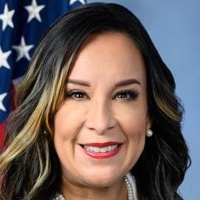
Mónica De La Cruz
Representative
TX
Mónica De La Cruz
Representative
TX
The Housing Affordability Act updates and significantly increases the dollar limits for federally insured multifamily housing loans under the National Housing Act. It establishes a new formula, based on the Price Deflator Index for Multifamily Residential Units, to automatically adjust these loan limits annually starting in 2026. This legislation aims to support the financing of more affordable multifamily housing projects by raising current statutory caps.
This bill mandates the revision of the Standard Occupational Classification system to establish a distinct code for Direct Support Professionals to better recognize their critical role in supporting individuals with disabilities.

Brian Fitzpatrick
Representative
PA
Brian Fitzpatrick
Representative
PA
The Recognizing the Role of Direct Support Professionals Act aims to address the critical shortage and high turnover among Direct Support Professionals (DSPs) who assist individuals with intellectual and developmental disabilities. The bill mandates that the Office of Management and Budget review and revise the Standard Occupational Classification system to establish a distinct code for DSPs. This change will allow for more accurate labor market data collection to better support these essential workers. The Act does not authorize any new funding.
This act mandates Medicare coverage for FDA-approved early detection screening tests for Alzheimer's disease and related dementias beginning in 2028.

Vern Buchanan
Representative
FL
Vern Buchanan
Representative
FL
The Alzheimer’s Screening and Prevention Act of 2025 (ASAP Act) amends Medicare to cover early detection screening tests for Alzheimer's disease and related dementias starting in 2028. This coverage applies to FDA-cleared tests, including genomic sequencing and other equivalent diagnostic methods, designed to detect pre-symptomatic or early-stage conditions. The bill ensures these screenings are added to the list of covered medical services under Medicare.
This act repeals specific sections of a prior reconciliation act to restore previous laws affecting American families and farmers.
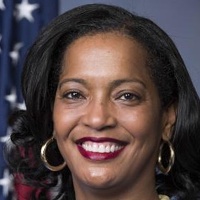
Jahana Hayes
Representative
CT
Jahana Hayes
Representative
CT
The Restoring Food Security for American Families and Farmers Act of 2025 aims to strengthen domestic food security by repealing specific sections of a prior reconciliation act. This action effectively revives the original laws that were previously amended by the repealed provisions. The bill seeks to revert existing agricultural and food-related statutes to their pre-amendment status.
This bill establishes a permanent Special Envoy for the Human Rights of LGBTQI+ Peoples within the Department of State to advance U.S. policy countering global criminalization, violence, and discrimination against LGBTQI+ individuals.
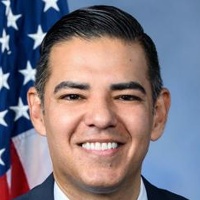
Robert Garcia
Representative
CA
Robert Garcia
Representative
CA
This bill, the International Human Rights Defense Act of 2025, establishes a permanent Special Envoy for the Human Rights of LGBTQI+ Peoples within the Department of State. It codifies U.S. policy to actively combat international criminalization, violence, and discrimination against LGBTQI+ individuals worldwide. The legislation also mandates enhanced reporting on these abuses in annual human rights reports and authorizes assistance to support related protection efforts abroad.