This act establishes a national mental health awareness campaign, funds studies on the mental health crisis and workforce shortages, and seeks to improve mental health outcomes for Latino youth.
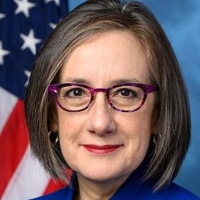
Andrea Salinas
Representative
OR-6
The Latino Youth Mental Health Empowerment Act aims to address the significant mental health challenges faced by Hispanic and Latino youth. It establishes a national, culturally competent awareness and outreach campaign to reduce stigma and increase access to care. Furthermore, the bill mandates comprehensive studies to better understand the scope of the youth mental health crisis and the shortage of Latino mental health professionals.
New Act Funds $5 Million Mental Health Campaign for Latino Youth, Mandates Studies on Crisis and Workforce Shortages
The newly proposed “Latino Youth Mental Health Empowerment Act” aims to tackle the significant mental health crisis documented among Hispanic and Latino young people. This isn't just about throwing money at a problem; it’s a multi-pronged strategy focused on research, targeted outreach, and workforce development.
The $5 Million Outreach Plan: Making Mental Health Visible
Section 3 is where the immediate action is, authorizing $5 million annually from fiscal years 2026 through 2030 for a national mental health awareness and outreach campaign. This isn't your standard public service announcement. The bill mandates that the Secretary of Health and Human Services (HHS) first study past mental health campaigns to see what messaging actually worked within the Latino community. Then, they have to roll out a campaign that is culturally and linguistically competent.
For everyday people, this means better, more relevant resources. If you’re a parent or a teacher, the campaign is designed to help you spot symptoms, combat stigma, and connect youth with evidence-based, culturally tailored treatment options. The outreach component is practical: it requires hosting in-person and virtual workshops at schools and community centers, providing Youth Mental Health First Aid training to adults who work with kids, and establishing partnerships that bring mental health screenings and on-site consultations directly to these locations. Think of it as bringing the clinic and the classroom closer together, making it easier for a busy working parent to access help for their child.
The Deep Dive: Understanding the Crisis and the Barriers
Sections 4 and 5 focus on the research side, requiring two major studies, each funded with $1 million for fiscal year 2026. This is the part that acknowledges we need to understand the problem better before we can truly fix it.
Section 4 mandates a study on the current state of the mental health crisis among Hispanic and Latino youth. This includes assessing the prevalence of disorders, suicide attempts, and, crucially, how often young people are actually receiving treatment. It also requires an assessment of how aware this community is of the 988 National Suicide Prevention and Mental Health Hotline, and whether they are using mobile crisis care teams or crisis centers. The data collected must be granular—broken down by age, gender identity, geographic region, and immigration status—ensuring the recommendations that follow are precise and targeted. If you’ve ever wondered why certain resources aren't reaching your neighborhood, this study is designed to find out.
Fixing the Workforce Gap
Section 5 tackles the workforce shortage, which is a massive barrier to culturally competent care. This study will map out the total number of licensed clinical and non-clinical mental health providers who identify as Hispanic or Latino, noting their location, employer, and, importantly, the languages they speak and their proficiency. They will also track the current enrollment of Hispanic and Latino individuals in mental health education programs.
Why does this matter to you? Because if you or your child needs care, you are far more likely to stick with treatment if your provider understands your cultural context and can speak your language. This study aims to provide concrete recommendations for HHS to increase the number of Hispanic and Latino professionals in the pipeline, ultimately making it easier for people to find a provider who truly “gets it.” The bill defines providers broadly, including social workers, counselors, peer support specialists, and even those in pediatrics and primary care, recognizing that mental health support comes from many places.