This resolution commemorates World AIDS Day by recognizing global and domestic progress, highlighting ongoing challenges, and encouraging continued support for ending the HIV epidemic by 2030.
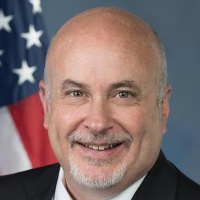
Mark Pocan
Representative
WI-2
This resolution commemorates World AIDS Day and recognizes significant progress made in combating HIV/AIDS globally and domestically through programs like PEPFAR and the Ryan White Act. It highlights ongoing challenges, particularly disparities in impact, while encouraging continued robust funding for research, prevention, and treatment efforts worldwide. The resolution supports the goal of ending the HIV epidemic by 2030 through zero new transmissions and zero discrimination.
Resolution Backs Global HIV Fight, Pushes for U=U Awareness and Continued Funding for PEPFAR and Research
This resolution is all about formally recognizing World AIDS Day and taking stock of where we are in the fight against HIV/AIDS, both at home and globally. It’s not a bill that changes a law or allocates new money, but it’s a strong statement of support for the programs that do the heavy lifting. The core message is clear: keep funding the research, keep supporting the people, and keep pushing toward the goal of ending the HIV epidemic by 2030.
The State of Play: Why This Still Matters
Think of this resolution as a detailed status report. It rattles off some sobering statistics, noting that as of late 2024, an estimated 40.8 million people globally were living with HIV, and over 790,000 Americans have died since the epidemic began. Crucially, it highlights that the disease disproportionately affects communities of color, especially Black and Hispanic Americans, and is a growing concern in Southern states. For the person juggling work and family, this resolution is a reminder that public health crises aren't solved yet, and the impact often lands hardest on the most vulnerable groups.
Backing the Lifelines: Ryan White and PEPFAR
The resolution spends a lot of time commending the programs that are actually saving lives. Domestically, it praises the Ryan White Comprehensive AIDS Resources Emergency Act, which provides primary medical care and support services for uninsured or underinsured people living with HIV—it serves over half of all people diagnosed in the U.S. Globally, it champions the President's Emergency Plan for AIDS Relief (PEPFAR), which has supported treatment for over 20 million people worldwide since 2003. When the resolution supports continued funding for these programs, it’s signaling that these are non-negotiable budget items that keep people alive and healthy, allowing them to remain active in the workforce and community.
Science and Prevention: Spreading the Good News
Perhaps the most practical takeaway for the average person is the resolution's focus on prevention science. It strongly encourages federal, state, and local agencies to spread the word about U=U (Undetectable = Untransmittable). This means people on effective treatment who have an undetectable viral load cannot transmit HIV sexually. This is a game-changer for reducing stigma and encouraging treatment adherence. Furthermore, the resolution pushes for scaling up comprehensive prevention services like PrEP (pre-exposure prophylaxis), which reduces transmission risk by 99% when taken as prescribed. For someone who might be hesitant about testing or worried about risk, this resolution elevates the scientific facts that make HIV a manageable, preventable condition.
The Long Game: Research and Accountability
Looking ahead, the resolution calls for robust funding for research and development through the National Institutes of Health, specifically targeting an HIV vaccine and cure, as well as treatments for related conditions like tuberculosis. This is the long-term investment that could eventually take HIV off the table entirely. It also emphasizes the need for transparency and accountability, encouraging input from civil society in developing and implementing policies. While this resolution is aspirational and doesn't mandate specific spending, its value lies in reinforcing the political commitment necessary to sustain these domestic and global health efforts. It’s essentially Congress saying, 'We see the progress, we see the challenges, and we need to keep the pedal down.'