Legislative Activity
Track Rashida's sponsored bills, co-sponsored legislation, and voting record
This bill grants college athletes who receive compensation from their schools the right to organize and collectively bargain under federal labor law.
Summer Lee
Representative
PA
Summer Lee
Representative
PA
The College Athlete Right to Organize Act amends the National Labor Relations Act to formally recognize college athletes receiving compensation as employees. This grants them the right to organize and collectively bargain with their universities and athletic conferences over wages and working conditions. The bill ensures that this new employee status does not negatively impact their current tax status or eligibility for federal financial aid. The National Labor Relations Board is given jurisdiction to oversee these new labor relations.
The Fair Representation Act mandates Ranked Choice Voting for federal elections, overhauls House representation through multi-member or at-large districts, and establishes national standards for nonpartisan redistricting starting after the 2030 census.
Donald Beyer
Representative
VA
Donald Beyer
Representative
VA
The Fair Representation Act fundamentally reforms federal elections by mandating Ranked Choice Voting (RCV) for all federal contests and restructuring how states elect their House delegations, potentially moving toward multi-member or at-large districts. It also establishes strict, nonpartisan criteria and public transparency requirements for drawing congressional district maps, banning partisan gerrymandering. The bill provides federal funding to help states implement these changes, with most new district structure rules taking effect after the 2030 census.
The Appalachian Communities Health Equity (ACHE) Act of 2025 immediately halts new mountaintop removal coal mining permits pending a federal health study while mandating increased pollution monitoring at existing sites.
Morgan McGarvey
Representative
KY
Morgan McGarvey
Representative
KY
The Appalachian Communities Health Equity (ACHE) Act of 2025 addresses health concerns linked to mountaintop removal coal mining by immediately halting new federal permits for these operations. The bill mandates a comprehensive health study led by the NIEHS to investigate potential risks to nearby communities. Furthermore, it requires enhanced, publicly accessible pollution monitoring at active sites until the Secretary of Health and Human Services determines the practice poses no health risk.
This Concurrent Resolution affirms Congress's commitment to ensuring equal physical access to federally funded facilities for all people, especially those with disabilities, by supporting existing laws and pledging to use universal design principles in future projects.
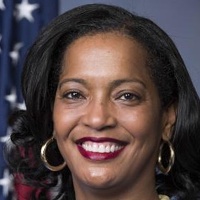
Jahana Hayes
Representative
CT
Jahana Hayes
Representative
CT
This Concurrent Resolution affirms the importance of equal physical access to federally funded facilities for all Americans, especially people with disabilities. It recognizes that current infrastructure often fails to meet the needs of the growing population of people with disabilities. The resolution reaffirms support for existing accessibility laws like the ADA and pledges to use universal design principles in future federal projects. Ultimately, it calls for the removal of existing barriers to ensure full societal participation.
The Corporate Crime Database Act of 2025 establishes a public, searchable national database managed by the Bureau of Justice Statistics to track and report on federal enforcement actions related to corporate offenses.
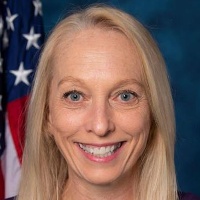
Mary Scanlon
Representative
PA
Mary Scanlon
Representative
PA
The Corporate Crime Database Act of 2025 establishes a new, public, and searchable national database managed by the Bureau of Justice Statistics to track federal enforcement actions against corporate offenses. This database will require federal agencies to report detailed information on violations, enforcement outcomes, and involved entities. The Act mandates annual public reporting and analysis of the data to Congress, including estimates of victim harm and recommendations for future crime prevention.
The RAP Act of 2025 generally prohibits the use of a defendant's creative or artistic expressions as evidence in court unless the prosecution meets a high burden of proof demonstrating the work's literal relevance to the case.

Henry Johnson
Representative
GA
Henry Johnson
Representative
GA
The Restoring Artistic Protection Act of 2025 (RAP Act) seeks to limit the admissibility of a defendant's creative or artistic expression in court proceedings. This bill adds a new rule to the Federal Rules of Evidence, generally banning the use of a defendant's art as evidence against them. The government can only introduce such evidence if it meets strict exceptions requiring clear and convincing proof that the art directly relates to the facts of the case and possesses unique evidentiary value. If admitted, the court must provide specific instructions to the jury regarding its consideration.
This Act prohibits businesses from using automated systems that rely on personal data surveillance to set individualized prices or determine worker wages, while preserving stronger state and collective bargaining protections.
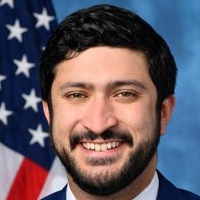
Gregorio Casar
Representative
TX
Gregorio Casar
Representative
TX
The Stop AI Price Gouging and Wage Fixing Act of 2025 prohibits businesses from using automated systems that analyze personal data to set individualized prices or determine employee wages. This legislation establishes strict transparency requirements for any permitted pricing exceptions and grants enforcement power to the FTC, EEOC, State Attorneys General, and private citizens. Furthermore, the Act ensures that existing state laws providing greater protections and collective bargaining rights remain fully in effect.
This bill establishes a new system for distributing up to 2,000 additional Medicare-funded residency positions annually from 2026 through 2032, prioritizing hospitals serving underserved areas, and mandates a study on strategies to increase workforce diversity.
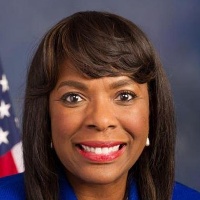
Terri Sewell
Representative
AL
Terri Sewell
Representative
AL
The Resident Physician Shortage Reduction Act of 2025 establishes a structured process for distributing up to 2,000 additional, federally funded residency positions annually between fiscal years 2026 and 2032. This distribution prioritizes hospitals serving in underserved areas, those already training above their limit, and those committed to primary care and general surgery training. The bill also mandates a study and report by the Comptroller General on effective strategies to increase diversity within the health professional workforce.
The End Polluter Welfare Act of 2025 systematically eliminates federal subsidies, tax breaks, and financial support for the fossil fuel industry while increasing royalties and tightening environmental liability.

Ilhan Omar
Representative
MN
Ilhan Omar
Representative
MN
The End Polluter Welfare Act of 2025 is a comprehensive bill designed to eliminate financial support for the fossil fuel industry across the federal government. It achieves this by terminating numerous tax incentives, increasing royalties on federal energy leases, and blocking federal funding for fossil fuel projects through various agencies. Ultimately, the Act aims to shift financial burdens onto polluters while redirecting federal support toward cleaner energy initiatives.
This constitutional amendment prohibits immunity from criminal prosecution for federal officials based on their official duties and bars the President from self-pardoning.
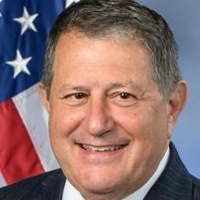
Joseph Morelle
Representative
NY
Joseph Morelle
Representative
NY
This proposed constitutional amendment would eliminate immunity from criminal prosecution for federal officials, including the President, based on their official duties. It also explicitly prohibits the President from issuing a self-pardon for any federal crimes. If ratified, these changes would take effect immediately.
This Act prohibits insurance companies from discriminating against living organ donors when issuing life, disability, or long-term care policies and mandates the updating of educational materials regarding donation risks and insurance implications.
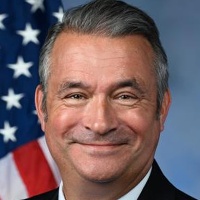
Don Bacon
Representative
NE
Don Bacon
Representative
NE
The Living Donor Protection Act of 2025 prohibits life, disability, and long-term care insurance companies from denying coverage or increasing premiums solely because an individual is a living organ donor. This legislation ensures that living donors are not financially penalized for their altruistic act. Additionally, the bill requires the Secretary of HHS to update educational materials to accurately reflect the insurance protections afforded to living donors.
Ally's Act mandates that certain private health insurance plans must cover auditory implant devices, related services, and upgrades for qualifying individuals without imposing stricter cost-sharing or treatment limitations than other medical benefits.
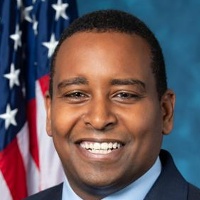
Joe Neguse
Representative
CO
Joe Neguse
Representative
CO
The Ally's Act mandates that certain private health insurance plans must cover auditory implant devices, related supplies, and necessary services for qualifying individuals. This coverage must be comparable to other medical and surgical benefits regarding cost-sharing and treatment limitations. Furthermore, plans cannot deny coverage if a physician or qualified audiologist determines the required hearing items or services are medically necessary. These new requirements take effect for plan years beginning on or after January 1, 2026.
The EACH Act of 2025 mandates that all federally funded health programs and facilities must cover and provide abortion services, while also prohibiting federal interference with private insurance coverage.
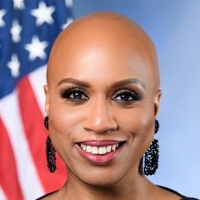
Ayanna Pressley
Representative
MA
Ayanna Pressley
Representative
MA
The EACH Act of 2025 aims to ensure equal access to abortion coverage by requiring all federally funded health programs and facilities to cover abortion services. This legislation prohibits federal interference with state or private insurance coverage of abortion and repeals Section 1303 of the Affordable Care Act. Ultimately, the bill seeks to eliminate financial and insurance barriers to abortion care, particularly for low-income individuals relying on programs like Medicaid.
This bill amends the Family and Medical Leave Act to explicitly qualify time taken for an employee's own organ donation surgery as a serious health condition.
Don Bacon
Representative
NE
Don Bacon
Representative
NE
This bill amends the Family and Medical Leave Act (FMLA) to explicitly clarify that time taken off for an employee's own organ donation surgery qualifies as a serious health condition. This ensures both private and federal sector workers receive FMLA protection for recovery from organ donation. The legislation also specifies how federal employees must substitute existing paid leave when taking FMLA time for this purpose.
The 340B PATIENTS Act of 2025 clarifies that drug manufacturers must provide 340B discounts without imposing restrictions on covered entities' ability to purchase or use those drugs, regardless of dispensing location, and establishes penalties for non-compliance.

Doris Matsui
Representative
CA
Doris Matsui
Representative
CA
The 340B PATIENTS Act of 2025 clarifies and strengthens the existing 340B drug discount program for covered entities like hospitals and clinics. It explicitly prohibits drug manufacturers from placing restrictions on how or where these entities purchase or dispense discounted outpatient drugs, including through contract pharmacies. The bill also establishes significant civil monetary penalties for manufacturers who intentionally violate these non-restriction rules. Ultimately, this legislation aims to ensure that covered entities can fully utilize 340B savings to expand patient care.
This House resolution expresses support for honoring Nelson Mandela's legacy of peace, reconciliation, and human rights through the observance of Nelson Mandela International Day.
Henry Johnson
Representative
GA
Henry Johnson
Representative
GA
This resolution expresses the sense of the House of Representatives honoring the life and legacy of Nelson Mandela. It recognizes his pivotal role in ending apartheid in South Africa through nonviolent resistance and reconciliation. The bill supports the international observance of Nelson Mandela International Day as a time for reflection on peace, tolerance, and human rights.
The Silver Shield Act of 2025 establishes a Department of State program to monitor the end-use of U.S. defense items overseas for evidence of civilian harm or human rights violations, and amends existing law to require written agreements prohibiting such misuse before any transfer.
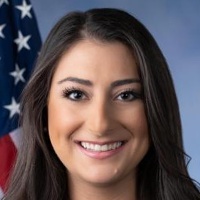
Sara Jacobs
Representative
CA
Sara Jacobs
Representative
CA
The Silver Shield Act of 2025 establishes a new Department of State-led program to rigorously monitor U.S. defense items and services transferred overseas for evidence of use in committing serious human rights or international law violations. The Act mandates written agreements ensuring recipients comply with international law and authorizes the suspension of future transfers if violations are confirmed. Furthermore, it requires comprehensive reporting to Congress on the program's operations, staffing, and ongoing investigations.
This Act mandates that federal agencies integrate specific equity goals into their strategic and performance planning, establish internal equity advisory teams, and enhance data practices to ensure fair service delivery to underserved communities.
Ayanna Pressley
Representative
MA
Ayanna Pressley
Representative
MA
The Equity in Government Act mandates that federal agencies integrate specific equity goals into their strategic and performance plans, ensuring at least 20% of goals focus on improving service delivery to underserved communities. The bill establishes new leadership structures, including an Agency Equity Advisory Team, and enhances the role of the Chief Data Officer Council to prioritize equitable data collection and use. Furthermore, it creates an Equitable Data Working Group to guide the government toward fairer methods and outcomes in federal operations.
This Act prohibits federal funding for immigration detention facilities in the Everglades ecosystem and mandates unannounced Congressional access and an Inspector General review of any existing facilities in the area.
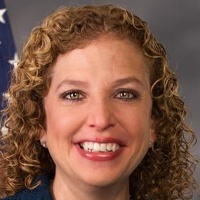
Debbie Wasserman Schultz
Representative
FL
Debbie Wasserman Schultz
Representative
FL
The No Cages in the Everglades Act prohibits the Department of Homeland Security from using any federal funds to operate or build immigration detention facilities within the Everglades ecosystem. The bill also mandates immediate, unannounced access for Members of Congress to all immigration detention centers for oversight purposes. Furthermore, it requires the DHS Inspector General to conduct a comprehensive review of any existing detention facilities in the area.
The Price Gouging Prevention Act of 2025 prohibits selling goods or services at grossly excessive prices, especially following exceptional market shocks, and mandates new revenue and pricing disclosures for companies filing with the SEC.

Janice Schakowsky
Representative
IL
Janice Schakowsky
Representative
IL
The Price Gouging Prevention Act of 2025 establishes federal prohibitions against selling goods or services at "grossly excessive prices," particularly following an "exceptional market shock." The bill grants enforcement authority to the Federal Trade Commission (FTC) and allows State Attorneys General to bring actions against violators. Furthermore, it mandates that companies experiencing a market shock must provide detailed financial and pricing strategy disclosures in subsequent SEC filings.