This bill establishes an independent Office of the Ombuds for Reproductive and Sexual Health within HHS to educate the public, analyze access to care, address misinformation, and investigate issues related to reproductive and sexual health services.
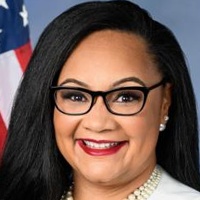
Nikema Williams
Representative
GA-5
The HHS Reproductive and Sexual Health Ombuds Act of 2025 establishes an independent Office of the Ombuds within HHS to support access to reproductive and sexual health care. This office will educate the public, analyze access data, and address misinformation concerning these services. The Ombuds will report directly to the Secretary and submit annual evaluations to Congress regarding their functions.
New HHS Ombuds Office Targets Health Misinformation and Insurance Gaps in Reproductive Care
If you’ve ever tried to figure out what your health insurance actually covers—especially for sensitive topics like reproductive care—you know the struggle is real. The HHS Reproductive and Sexual Health Ombuds Act of 2025 aims to cut through that noise and confusion by creating a dedicated watchdog within the Department of Health and Human Services (HHS).
This bill establishes the Office of the Ombuds for Reproductive and Sexual Health. Think of the Ombuds as a specialized consumer protection advocate who reports directly to the HHS Secretary. The person appointed to this role must have expertise in reproductive health and a specific track record of serving vulnerable populations, including LGBTQ individuals, racial or ethnic minorities, and people with disabilities or low socio-economic status. The core mission is to make sure people can access and understand accurate, evidence-based care, and that the office operates independently from other HHS activities that might create a conflict of interest.
The Fact-Checker and the Coverage Detective
One of the most immediate impacts of this office will be on the information landscape. The Ombuds is tasked with two major education efforts. First, they will educate the public by making medically accurate materials available, which is a direct response to the explosion of health misinformation online. Second, and perhaps more critically, they will be the coverage detective. The Ombuds must coordinate with the Department of Labor, the Treasury, and State insurance commissioners to analyze benefits for specified health care services across all major health plans—from large group coverage to individual market plans and even self-insured plans. The goal here is to publish an analysis that highlights any gaps found in that coverage.
For the average person juggling a high-deductible plan, this could mean finally getting a clear, unbiased picture of what your employer’s plan actually covers related to family planning or reproductive care, rather than relying on confusing plan documents. The bill also specifically requires the Ombuds to disseminate information on how individuals can connect with providers receiving federal funds (Title X), abortion funds, and other clinics offering specified services, essentially creating a centralized resource hub.
Data Privacy and the Digital Age
Recognizing that reproductive health is increasingly tied to digital data, the bill gives the Ombuds a role in consumer protection. The office is required to coordinate with the Federal Trade Commission (FTC) to collect information about and address consumer protection and data privacy concerns related to reproductive and sexual health services. This is a crucial provision in an era where period tracking apps, location data, and digital communication surrounding health care are under intense scrutiny. The Ombuds will be looking out for how your sensitive health information is being handled.
Furthermore, the Ombuds is charged with collecting information and addressing instances of reproductive and sexual health misinformation. The bill defines this misinformation as any information that is not evidence-based or medically accurate. While this focus on accuracy is beneficial for consumers, the medium level of vagueness in defining what counts as “evidence-based” gives the Ombuds significant discretion in deciding what information to challenge or correct. This discretion is something to watch, though the overall intent is clearly to protect the public from harmful or inaccurate claims.
The Watchdog’s Teeth
The Ombuds isn't just an information clearinghouse; they have oversight authority. They can request that the Inspector General of HHS conduct inspections, investigations, and audits related to any of their functions. This means if the Ombuds finds systemic issues with access or coverage, they can trigger a formal investigation into the inner workings of HHS programs or federally funded entities. They must report their findings and efforts to Congress every June 30th, starting in 2026, ensuring continued public accountability.
Crucially, the bill includes a strong rule of construction: the Ombuds is not authorized to collect any individually identifiable patient information, including protected health information (PHI). This ensures that while the office gathers data on systemic issues and coverage gaps, it cannot compromise the privacy of the very individuals it is trying to help. This focus on systemic analysis, rather than individual patient records, keeps the focus on policy and access, which is exactly what a good legislative analyst—and a busy, concerned consumer—wants to see.