Legislative Activity
Track Rashida's sponsored bills, co-sponsored legislation, and voting record
The PATH to Education Act establishes grants to improve public transit access for students attending community colleges, minority-serving institutions, Head Start programs, and other eligible schools.
Maggie Goodlander
Representative
NH
Maggie Goodlander
Representative
NH
The PATH to Education Act establishes a new federal grant program to improve public transit access for students attending community colleges, technical schools, and Head Start programs. These grants will fund projects like adding new routes or increasing service frequency to better connect students with their educational institutions. Priority will be given to partnerships serving institutions with a high percentage of Pell Grant recipients.
This Act mandates that newly elected House members from special elections must be sworn in within five legislative days of their election certification.
Adelita Grijalva
Representative
AZ
Adelita Grijalva
Representative
AZ
The No Delay in Representation Act ensures that individuals elected to the House of Representatives through special elections are seated promptly. It mandates that these new members must be given the opportunity to take the oath of office within five legislative days of their election certification. This act aims to prevent delays in representation for newly elected members.
This resolution honors the 97th anniversary of Dr. Martin Luther King, Jr.’s birth by reaffirming his legacy of equality, condemning hate, and promoting tolerance and civil discourse.

Shontel Brown
Representative
OH
Shontel Brown
Representative
OH
This resolution honors the 97th anniversary of the birth of Reverend Dr. Martin Luther King, Jr. by celebrating his legacy of equality, diversity, and civil discourse. It reaffirms a national commitment to his values of justice and tolerance while explicitly condemning all forms of hate, discrimination, and prejudice.
This bill establishes a Department of Justice Task Force to combat anti-Sikh hate and discrimination through definition, education, and reporting.
Josh Gottheimer
Representative
NJ
Josh Gottheimer
Representative
NJ
The Sikh American Anti-Discrimination Act of 2026 establishes a Department of Justice Task Force dedicated to combating anti-Sikh hate and discrimination. This Task Force is charged with formally defining anti-Sikh hate, developing educational programs for law enforcement and schools, and collaborating with the Sikh community. The bill mandates annual reporting to Congress on hate crimes, legal actions, and ongoing threats against Sikhs.
This bill impeaches Secretary of Homeland Security Kristi Lynn Arnold Noem for high crimes and misdemeanors, citing willful refusal to comply with oversight law, violating the Impoundment Control Act, directing unlawful ICE misconduct, and misusing federal funds for personal gain.
Robin Kelly
Representative
IL
Robin Kelly
Representative
IL
This resolution initiates impeachment proceedings against Secretary of Homeland Security Kristi Lynn Arnold Noem for high crimes and misdemeanors. The articles of impeachment charge her with willfully refusing to comply with Congressional oversight laws and violating the Impoundment Control Act by improperly withholding funds. Further articles allege she directed widespread misconduct by ICE agents that violated federal law and constitutional rights, and misused taxpayer funds for personal gain through improper contracting.
This Act establishes federal minimum salary and wage floors for school paraprofessionals and support staff, providing federal funding to help states meet these new pay standards within four years.
Jesús García
Representative
IL
Jesús García
Representative
IL
The Pay Paraprofessionals and Support Staff Act establishes minimum federal salary and wage floors for school support staff, requiring states to implement higher state-level standards. It authorizes significant federal funding through grants to help states and local districts meet these new pay requirements within four years. States must prioritize funding distribution to districts serving high numbers of low-income students to ensure compliance with the mandated pay increases.
This act eliminates qualified immunity as a defense for law enforcement officers in civil lawsuits alleging constitutional rights violations and establishes a right to sue federal officers for such violations.
Ayanna Pressley
Representative
MA
Ayanna Pressley
Representative
MA
The Qualified Immunity Abolition Act of 2026 eliminates qualified immunity as a defense for law enforcement officers in civil lawsuits alleging constitutional rights violations. This means officers can no longer claim good faith or lack of clearly established law to avoid liability. The Act also establishes a new civil cause of action allowing citizens to sue federal law enforcement officers for constitutional violations.
This bill modifies deposits into the Crime Victims Fund by excluding certain False Claims Act recoveries and mandates an Inspector General audit of the Fund's sustainability.
Ann Wagner
Representative
MO
Ann Wagner
Representative
MO
This bill amends the Victims of Crime Act of 1984 to temporarily exclude certain False Claims Act recoveries from being deposited into the Crime Victims Fund through fiscal year 2029. It also mandates a comprehensive audit by the Department of Justice Inspector General on the Fund's sustainability and the impact of recent legislative changes. The resulting report will provide recommendations for improving the Fund's effectiveness and oversight.
This bill designates Burma for Temporary Protected Status (TPS) for eligible nationals present in the U.S. since enactment.
Bill Huizenga
Representative
MI
Bill Huizenga
Representative
MI
This bill designates Burma for Temporary Protected Status (TPS) for an initial period of 18 months, beginning November 25, 2025. It establishes eligibility requirements for Burmese nationals already present in the U.S. and outlines conditions for emergency travel authorization.
This resolution declares elective declawing of cats inhumane and urges states to prohibit the practice except when medically necessary.
Jerrold Nadler
Representative
NY
Jerrold Nadler
Representative
NY
This resolution expresses strong opposition to elective declawing (onychectomy) of cats, deeming the procedure inhumane due to the lifelong pain and adverse behavioral effects it causes. It defines declawing broadly to include any procedure that disables a cat's claws and affirms that it should only be performed when medically necessary for the cat's health. The bill urges states to prohibit the practice on animal welfare and public health grounds, noting that humane alternatives exist.
This act prohibits federal officials and employees from trading prediction market contracts while possessing material nonpublic government information.
Ritchie Torres
Representative
NY
Ritchie Torres
Representative
NY
The Public Integrity in Financial Prediction Markets Act of 2026 prohibits federal officials and employees from trading in prediction market contracts while possessing material, nonpublic government information. This ban specifically targets transactions related to government policy, actions, or political outcomes. The goal is to prevent insider trading within these emerging financial markets by those with privileged access to government knowledge.
This bill explicitly prohibits discrimination based on sex, sexual orientation, and gender identity in all places of public accommodation.
Bonnie Watson Coleman
Representative
NJ
Bonnie Watson Coleman
Representative
NJ
The Customer Non-Discrimination Act amends the Civil Rights Act of 1964 to explicitly prohibit discrimination in public accommodations based on sex, sexual orientation, and gender identity. This expansion covers a wide range of establishments, including retailers, service providers, and transportation services. The bill also provides clear definitions for these protected characteristics and clarifies that existing federal sex discrimination laws already cover these areas.
This resolution recognizes the 15th anniversary of the 2011 Tucson shooting, honoring the victims, survivors, and the ongoing advocacy of Gabby Giffords.
Debbie Wasserman Schultz
Representative
FL
Debbie Wasserman Schultz
Representative
FL
This resolution commemorates the 15th anniversary of the tragic January 8, 2011, Tucson shooting, honoring the six lives lost and the thirteen injured. It specifically commends the courage and ongoing advocacy of gun violence survivor and former Congresswoman Gabby Giffords. The resolution also recognizes the resilience of the community and reaffirms a commitment to ending political violence.
This act prohibits the use of federal funds to support any U.S. occupation, control, or administration of Venezuela, with specific exceptions for diplomatic property acquisition and existing humanitarian aid.
Raja Krishnamoorthi
Representative
IL
Raja Krishnamoorthi
Representative
IL
The No Occupation of Venezuela Act of 2026 (NOVA Act) strictly prohibits the use of U.S. Federal funds to support any form of U.S. military occupation, control, or administration over Venezuela. This ban includes funding for military deployments intended to assert sovereignty or control over Venezuelan territory or resources. The Act carves out narrow exceptions allowing for the acquisition or use of property for U.S. diplomatic or consular establishments, provided the Venezuelan government approves. Importantly, this legislation does not affect existing laws governing the provision of emergency humanitarian aid.
This act mandates the EPA to list all PFAS chemicals with fully fluorinated carbon atoms as hazardous air pollutants and identify their emission source categories under the Clean Air Act.
Haley Stevens
Representative
MI
Haley Stevens
Representative
MI
The PROTECT Act of 2026 mandates the Environmental Protection Agency (EPA) to list all perfluoroalkyl and polyfluoroalkyl substances (PFAS) with at least one fully fluorinated carbon atom as hazardous air pollutants. This action requires the EPA to identify and list the specific source categories that emit these newly designated hazardous substances under the Clean Air Act.
This act prohibits states from imposing new liens on Medicaid recipients' homes or recovering correctly paid Medicaid benefits from their estates.
Janice Schakowsky
Representative
IL
Janice Schakowsky
Representative
IL
The Stop Unfair Medicaid Recoveries Act prohibits states from imposing new liens on an individual's home for Medicaid benefits already paid. This legislation also stops states from initiating or continuing efforts to recover the costs of correctly paid Medicaid benefits from an individual's estate. Furthermore, existing liens related to these recoveries must be withdrawn shortly after the law is enacted.
This bill expresses support for designating a week in September as "National Hispanic-Serving Institutions Week" to recognize their achievements and goals.
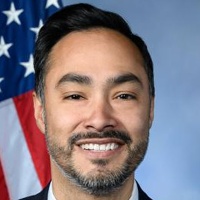
Joaquin Castro
Representative
TX
Joaquin Castro
Representative
TX
This bill officially designates the week of September 15 through September 21, 2024, as "National Hispanic-Serving Institutions Week." It recognizes the significant achievements and goals of these vital institutions across the nation. The resolution encourages public observance with appropriate activities to demonstrate support for Hispanic-Serving Institutions during Hispanic Heritage Month.
This bill applies key consumer protections from the Truth in Lending Act to "buy now, pay later" loans and subjects BNPL lenders to federal supervision by the CFPB.
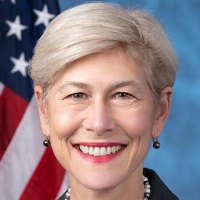
Deborah Ross
Representative
NC
Deborah Ross
Representative
NC
The Buy Now, Pay Later Protection Act of 2025 aims to enhance consumer safeguards for "buy now, pay later" (BNPL) loans. It amends the Truth in Lending Act to apply specific credit card protections, such as dispute resolution rights, to these short-term installment loans. Furthermore, the bill subjects BNPL lenders to direct federal supervision by the Consumer Financial Protection Bureau (CFPB). The CFPB is required to issue implementing rules within one year of enactment.
This Act establishes a national certification program, administered by the Secretary of Labor, to recognize employers who provide comprehensive benefits supporting work-life balance, including paid family leave, childcare subsidies, and flexible work options.
Grace Meng
Representative
NY
Grace Meng
Representative
NY
The Honoring Family-Friendly Workplaces Act establishes a national certification program, administered by the Secretary of Labor, to recognize employers who support work-life balance. To qualify, employers must meet rigorous standards, including offering at least 12 weeks of paid family leave and providing childcare assistance and flexible work options. This certification aims to encourage and publicly acknowledge businesses that actively help employees manage family responsibilities.
This bill restricts immigration enforcement authority to federal officials, rescinding the ability of state and local entities to inquire about or apprehend individuals for immigration violations.

Mike Quigley
Representative
IL
Mike Quigley
Representative
IL
The PROTECT Immigration Act of 2025 aims to centralize immigration enforcement exclusively with federal officials. This legislation amends existing law to restrict state and local entities from inquiring about, apprehending, or detaining individuals based on immigration status, with only three specific statutory exceptions. Essentially, it removes the authority granted under Section 287(g) from non-federal personnel.