Legislative Activity
Track Claudia's sponsored bills, co-sponsored legislation, and voting record
The "Delphi Retirees Pension Restoration Act" restores full pension benefits to eligible Delphi retirees and beneficiaries, compensating for past underpayments with interest, using existing funds and allowing for favorable tax treatment of lump-sum payments.
Victoria Spartz
Representative
IN
Victoria Spartz
Representative
IN
The Delphi Retirees Pension Restoration Act aims to restore the full pension benefits to eligible participants and beneficiaries under specific terminated pension plans, such as the Delphi Hourly-Rate Employees Pension Plan. It mandates the recalculation of benefits to match the full vested plan benefit, provides for lump-sum payments to cover past underpayments with interest, and funds these increased benefits through existing resources. The bill also includes provisions for the tax treatment of these payments, allowing recipients to spread the income over three years.
This bill repeals the excise tax on indoor tanning services, effective after the date of enactment.
Carol Miller
Representative
WV
Carol Miller
Representative
WV
The "Tanning Tax Repeal Act of 2025" eliminates the federal excise tax on indoor tanning services. This bill removes Chapter 49 from the Internal Revenue Code, effectively repealing the tax. The repeal is applicable for services provided after the bill's enactment.
The "Pay Our Troops Act of 2025" ensures continued pay and allowances for members of the Armed Forces, essential DOD civilians, and contractors during funding gaps until January 1, 2026, or when regular appropriations are enacted.
Jennifer Kiggans
Representative
VA
Jennifer Kiggans
Representative
VA
The "Pay Our Troops Act of 2025" ensures that members of the Armed Forces, essential Department of Defense civilians, and contractors continue to receive pay and allowances during periods when regular funding is disrupted. This act provides necessary appropriations to cover these costs for fiscal year 2025. The Act's provisions will terminate upon the enactment of regular appropriations, a continuing resolution that provides funding for the same purpose, or on January 1, 2026.
The "Protecting American Students Act" modifies the calculation and reporting requirements for the excise tax on net investment income for private colleges and universities, specifically excluding certain students from the calculation and requiring detailed reporting of student counts.
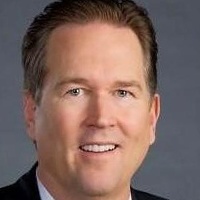
Vern Buchanan
Representative
FL
Vern Buchanan
Representative
FL
The "Protecting American Students Act" amends the Internal Revenue Code to change how certain students are counted when determining if private colleges and universities are subject to an excise tax on net investment income. It stipulates that only students meeting specific eligibility requirements under the Higher Education Act of 1965 are to be included in this calculation. The Act also mandates that these institutions report the number of students used before and after adjustments when calculating the tax. These provisions are set to take effect for taxable years beginning after December 31, 2025.
This bill ensures that U.S. Border Patrol agents and Customs and Border Protection officers are paid during any government shutdown in fiscal year 2025.
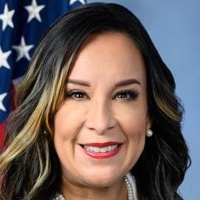
Mónica De La Cruz
Representative
TX
Mónica De La Cruz
Representative
TX
The "Pay Our Border Patrol and Customs Agents Act of 2025" ensures that U.S. Border Patrol agents and Customs and Border Protection officers are paid during any government shutdown in fiscal year 2025. The bill appropriates the necessary funds to cover the salaries and expenses of these essential employees, guaranteeing they continue to receive paychecks even when the government is shut down.
This bill reinstates the pre-American Rescue Plan Act threshold for third-party payment networks to report gig economy earnings to the IRS, requiring both over $20,000 in payments and over 200 transactions.
Carol Miller
Representative
WV
Carol Miller
Representative
WV
The Saving Gig Economy Taxpayers Act seeks to reinstate the previous, higher reporting thresholds for third-party payment processors issuing Form 1099-K. This means payment networks will only be required to report earnings to the IRS if a user exceeds both a \$20,000 total payment amount and 200 separate transactions in a calendar year. Furthermore, the bill applies this "de minimis" standard to backup withholding rules for these network payments starting in 2025.
This bill postpones tax deadlines and provides refunds or abatement of penalties for U.S. nationals held hostage or wrongfully detained abroad, and their spouses.
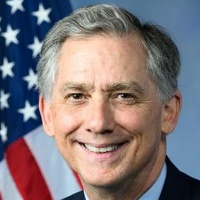
J. Hill
Representative
AR
J. Hill
Representative
AR
The "Stop Tax Penalties on American Hostages Act of 2025" postpones tax deadlines and waives penalties for U.S. nationals held hostage or wrongfully detained abroad, including their spouses, by disregarding the period of detention when determining tax liabilities. It requires the Secretary of State and the Attorney General to identify affected individuals and inform the Secretary of the Treasury. The Secretary of the Treasury will establish a program for eligible individuals to apply for a refund or abatement of penalties and fines related to the "applicable period" from January 1, 2021, to the date this law is enacted. This ensures that those who have been held hostage or wrongfully detained are not penalized for their inability to meet tax obligations during their captivity.
The "Chronic Disease Flexible Coverage Act" allows individuals with health savings accounts to use those funds for certain services and items that help manage chronic conditions.
Vern Buchanan
Representative
FL
Vern Buchanan
Representative
FL
The Chronic Disease Flexible Coverage Act allows individuals with health savings accounts to use those funds for certain services and items that help manage chronic conditions. These services and items will be treated as preventive care under IRS guidelines. The Act does not change any other existing or future rules regarding preventative services as long as they remain consistent with the Act.
This bill aims to enhance border security, address environmental damage on federal lands, and restrict housing options for undocumented non-citizens on federally managed lands.
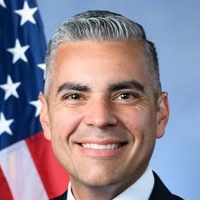
Juan Ciscomani
Representative
AZ
Juan Ciscomani
Representative
AZ
This bill aims to enhance security along the southern border by constructing roads, increasing access for U.S. Customs and Border Protection, and allowing temporary placement of structures by border states. It also seeks to mitigate environmental damage on federal lands caused by illegal activities through initiatives focused on reducing trash, preventing wildfires, and remediating contamination. Additionally, the bill restricts housing options for non-citizens who have not been formally admitted into the country by preventing the use of federal funds to house these individuals on federally managed lands.
This resolution expresses formal condolences to the families and loved ones of the 67 victims of the January 2025 collision between American Eagle Flight 5342 and a U.S. Army flight, while honoring the victims and commending the first responders.
Ron Estes
Representative
KS
Ron Estes
Representative
KS
This resolution expresses the House of Representatives' deepest condolences to the families and loved ones of the 67 individuals who lost their lives in the January 29, 2025, collision of American Eagle Flight 5342 and a U.S. Army flight. It honors the victims, many of whom had strong ties to Wichita, Kansas, and commends the heroic efforts of the first responders and emergency personnel who managed the recovery.
The "Roberto Clemente Commemorative Coin Act" directs the Treasury to mint coins in 2027 honoring Roberto Clemente, with surcharges benefiting the Roberto Clemente Foundation.
Adriano Espaillat
Representative
NY
Adriano Espaillat
Representative
NY
The Roberto Clemente Commemorative Coin Act directs the Department of Treasury to mint and issue gold, silver, and half-dollar coins in 2027 to commemorate the life and legacy of Roberto Clemente. The coins' designs will represent Clemente's life, including his baseball achievements and humanitarian work. Surcharges from the coin sales will benefit the Roberto Clemente Foundation, supporting their educational programs, youth sports initiatives, disaster relief efforts, and historic preservation projects. The Act ensures that the coin program will not incur any net cost to the United States government.
The "Federal Firearms Licensee Protection Act of 2025" increases penalties for stealing firearms from licensed dealers, manufacturers, or importers, especially during burglaries or robberies, and clarifies related definitions.
John Rutherford
Representative
FL
John Rutherford
Representative
FL
The "Federal Firearms Licensee Protection Act of 2025" increases penalties for stealing firearms from licensed dealers. It sets stricter punishments, including up to 20 years in prison, for violating laws related to firearm theft. The act also mandates minimum prison sentences of 3 years for burglaries and 5 years for robberies targeting licensed firearm businesses.
The American Innovation Act of 2025 incentivizes entrepreneurship by increasing tax deductions for start-up costs, allowing unused losses and credits to be preserved after an ownership change under certain conditions.
Vern Buchanan
Representative
FL
Vern Buchanan
Representative
FL
The American Innovation Act of 2025 modifies the tax code to simplify and expand deductions for start-up and organizational expenditures for new businesses, allowing businesses to deduct up to $20,000 in start-up costs in the first year. The Act also preserves start-up net operating losses and tax credits after an ownership change, with specific conditions to ensure the continuation of the business. These changes aim to support new businesses by providing more immediate tax relief and ensuring that their losses and credits are not entirely forfeited after an ownership change. The provisions of this act generally apply to businesses starting after December 31, 2025.
The "Rebuild America’s Health Care Schools Act of 2025" expands Medicare coverage to include all direct and indirect costs hospitals incur for nursing and allied health education programs, ensuring better funding and preventing recoupment of previously covered costs.
Darin LaHood
Representative
IL
Darin LaHood
Representative
IL
The "Rebuild America’s Health Care Schools Act of 2025" updates how Medicare reimburses hospitals for the costs of running nursing and allied health education programs. It broadens the definition of "reasonable costs" to include both direct and indirect expenses, regardless of whether they are incurred directly by the hospital or through related entities. The Act also requires the Secretary of Health and Human Services to issue rules implementing these changes and to refund hospitals for past cost reductions that would now be allowable. This aims to provide greater financial support for these crucial healthcare education programs.
The PLO and PA Terror Payments Accountability Act of 2025 imposes sanctions on foreign individuals, entities, and financial institutions that support terrorism through the Palestine Liberation Organization (PLO) and Palestinian Authority (PA) compensation systems.
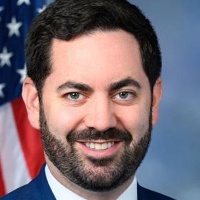
Michael Lawler
Representative
NY
Michael Lawler
Representative
NY
The PLO and PA Terror Payments Accountability Act of 2025 aims to hold the Palestine Liberation Organization (PLO) and Palestinian Authority (PA) accountable for providing payments to terrorists and their families by mandating the President to impose sanctions on foreign individuals, entities, and financial institutions involved in facilitating these payments. These sanctions include blocking property, visa restrictions, and prohibiting U.S. bank accounts for foreign financial institutions. The Act will be terminated once the Secretary of State certifies that the PLO and PA have ceased these payments.
The "Farm to Fly Act of 2025" aims to boost sustainable aviation fuel production and usage by including it in USDA bioenergy programs, supporting farmers, and promoting rural economic development.

Max Miller
Representative
OH
Max Miller
Representative
OH
The "Farm to Fly Act of 2025" aims to boost the production and use of sustainable aviation fuels by including them in Department of Agriculture bio-energy programs. It amends existing definitions to recognize sustainable aviation fuel and directs the Secretary of Agriculture to promote its development through collaborative initiatives and manufacturing assistance. This act supports U.S. agriculture, enhances energy security, and promotes clean energy in the aviation sector by utilizing sustainable biomass resources.
This bill creates a tax credit for investments in innovative agricultural technology, such as precision and controlled environment agriculture, to encourage advancements in specialty crop production.
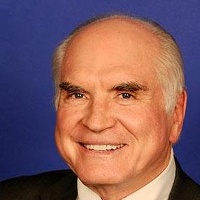
Mike Kelly
Representative
PA
Mike Kelly
Representative
PA
The Supporting Innovation in Agriculture Act of 2025 introduces a tax credit for investments in innovative agricultural technology, aiming to boost the production, storage, and processing of specialty crops through precision and controlled environment agriculture. This credit covers 30% of qualified investments in projects using technologies like precision agriculture and controlled environment agriculture, effective for construction starting after January 1, 2025, and includes options for direct payment or transfer of the credit.
This bill modifies the definition of "qualifying single source drug" under the Social Security Act to include certain advanced drugs using genetically targeted technology for a limited time.
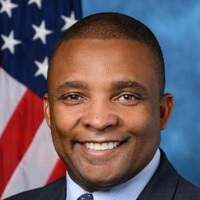
Donald Davis
Representative
NC
Donald Davis
Representative
NC
The "Maintaining Investments in New Innovation Act" amends the Social Security Act's definition of "qualifying single source drug" to include advanced drugs using genetically targeted technology. This update applies to drugs that can modify gene function, potentially impacting drug pricing and access regulations under the Act.
Nullifies the EPA's rule on greenhouse gas emissions from power plants and reinstates the Affordable Clean Energy Rule.
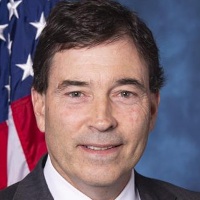
Troy Balderson
Representative
OH
Troy Balderson
Representative
OH
This bill nullifies the Environmental Protection Agency's rule on greenhouse gas emissions from power plants. The rule targeted new, modified, and reconstructed fossil fuel-fired electric generating units. It also set emission guidelines and repealed the Affordable Clean Energy Rule.
The Law Enforcement Protection and Privacy Act of 2025 protects law enforcement and firearm licensee information by amending FOIA, penalizing unauthorized disclosures, and allowing private lawsuits for damages.
Clay Higgins
Representative
LA
Clay Higgins
Representative
LA
The Law Enforcement Protection and Privacy Act of 2025 amends FOIA to protect sensitive firearms data, penalizes unauthorized disclosures of protected information by non-federal entities, and grants licensees the right to sue for damages resulting from such disclosures. It establishes financial penalties for improper disclosures and allows harmed parties to seek compensation in court. The act defines key terms and ensures that other legal remedies remain available.