
Legislative Activity
Track Claudia's sponsored bills, co-sponsored legislation, and voting record
This act establishes immutable biological definitions for "male" and "female" based on reproductive capacity at conception for all federal laws and interpretations.
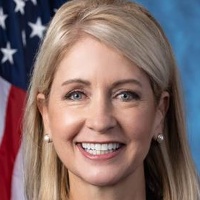
Mary Miller
Representative
IL
Mary Miller
Representative
IL
The Defining Male and Female Act of 2025 establishes statutory definitions for "male" and "female" across all federal laws, based strictly on biological sex determined at conception (sperm or egg production). This legislation explicitly defines sex as an immutable biological classification, while stating that subjective gender identity will not be recognized as a replacement for biological sex in federal contexts. The Act also clarifies related terms like "mother," "father," "man," and "woman" based on these biological standards.
This Act limits the FCC's authority to prohibit state and federal correctional facilities from using authorized cellphone jamming systems within their premises under specific operational and funding conditions.
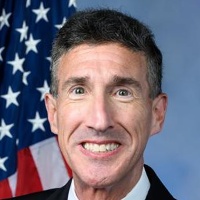
David Kustoff
Representative
TN
David Kustoff
Representative
TN
The Cellphone Jamming Reform Act of 2025 limits the FCC's authority to prohibit the use of cell phone jamming systems within jails and prisons. This legislation specifically permits state and federal correctional facilities to deploy jamming technology to block communications involving inmates or contraband devices. Any facility using these systems must adhere to strict operational limits, ensure state funding for state-run systems, and coordinate with local public safety officials beforehand.
This resolution formally recognizes the 250th anniversary of the United States Marine Corps, honoring its legacy, service, and core values.
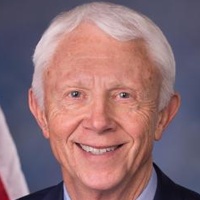
Jack Bergman
Representative
MI
Jack Bergman
Representative
MI
This resolution formally recognizes the upcoming 250th anniversary of the United States Marine Corps in 2025. Congress is honoring the Corps' long history, core values of honor, courage, and commitment, and its consistent readiness to defend the nation. The bill encourages the public to join in celebrating this significant milestone and acknowledging the service and sacrifice of all Marines.
This bill establishes national reciprocity for concealed carry permits, allowing individuals legally permitted to carry in their home state to carry a handgun in any other state that allows concealed carry.
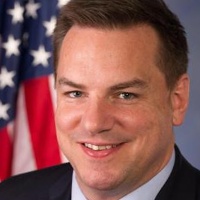
Richard Hudson
Representative
NC
Richard Hudson
Representative
NC
The Constitutional Concealed Carry Reciprocity Act of 2025 establishes a national standard for carrying concealed handguns across state lines. This act allows individuals legally permitted to carry in their home state to carry concealed in any other state that allows its residents to carry concealed firearms. The law does not override private property restrictions or prohibitions on government property, but it provides protections and legal recourse for those traveling in compliance with the new federal standard.
This act establishes expedited judicial review and shifts the burden of proof to the government when individuals challenge NICS denials, while also mandating annual reporting on record challenges.
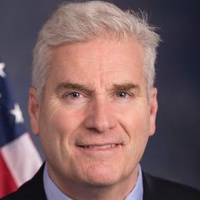
Tom Emmer
Representative
MN
Tom Emmer
Representative
MN
The Firearm Due Process Protection Act of 2025 aims to strengthen due process rights for individuals challenging denials in the National Instant Criminal Background Check System (NICS). It mandates expedited court hearings for record correction lawsuits and shifts the burden of proof onto the government to demonstrate why a person should be ineligible to own a firearm. Additionally, the bill requires the FBI to submit annual reports detailing the outcomes and timelines of all NICS record challenges.
This bill imposes terrorism sanctions on the Popular Resistance Committees (PRC) for their role in the October 7th attacks and mandates a report on designating the PRC and the Lions Den as terrorist entities.
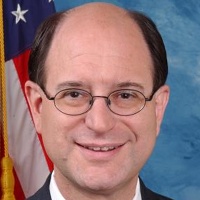
Brad Sherman
Representative
CA
Brad Sherman
Representative
CA
This Act imposes immediate sanctions, including asset freezes and visa bans, on the Popular Resistance Committees (PRC) for their involvement in terrorism, particularly the October 7th attacks. It also mandates a report from the Secretary of State on designating the Lions Den and the PRC as Specially Designated Global Terrorists. Furthermore, the bill requires ongoing reviews to identify and potentially sanction successor or affiliated terrorist groups.
This Act establishes joint research and development activities between the Department of Energy and the Department of Agriculture across various sectors, including smart technology, biofuels, and rural development.

Frank Lucas
Representative
OK
Frank Lucas
Representative
OK
The DOE and USDA Interagency Research Act mandates that the Secretaries of Energy and Agriculture formally collaborate on joint research and development projects benefiting both departments. This collaboration will focus on critical areas like smart technology, biofuels, water-energy connections, and grid modernization, utilizing competitive, merit-based processes. The Secretaries must establish a formal agreement and report to Congress within two years detailing their coordination efforts and technical achievements.
This bill prohibits the sale or sharing of genetic information obtained from commercial DNA testing services with the People's Republic of China.

Tim Burchett
Representative
TN
Tim Burchett
Representative
TN
The American Genetic Privacy Act of 2025 prohibits the sale or disclosure of covered genetic information obtained from commercial DNA testing services to the People's Republic of China or entities it controls. This measure is designed to safeguard personal genetic data from being transferred to China. The Federal Trade Commission (FTC) is tasked with enforcing this prohibition as an unfair or deceptive business practice.
This bill reauthorizes and extends funding for the BIRD Energy Foundation and the U.S.-Israel Energy Center, while expanding the scope of joint energy cooperation projects between the two nations through 2035.
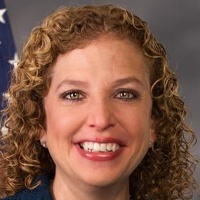
Debbie Wasserman Schultz
Representative
FL
Debbie Wasserman Schultz
Representative
FL
This bill reauthorizes and extends key U.S.-Israel energy cooperation programs, including BIRD Energy, through 2031 and expands the scope of joint research. It increases funding authorizations for strategic partnership projects and the Energy Center. Furthermore, the legislation adds crucial modern energy areas like hydrogen, fusion, and grid modernization to the official list of eligible cooperative fields through 2035.
This Act prohibits performing an abortion solely because an unborn child has been diagnosed with Down syndrome and establishes penalties and civil actions for violations.
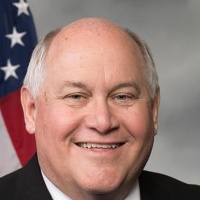
Ron Estes
Representative
KS
Ron Estes
Representative
KS
The Protecting Individuals with Down Syndrome Act prohibits performing an abortion solely because an unborn child has been diagnosed with Down syndrome. This law establishes criminal penalties for providers who violate the prohibition and allows civil lawsuits to be brought by qualified relatives. It also requires medical professionals to report suspected violations.
This bill prohibits discrimination against pregnancy centers that offer life-affirming alternatives to abortion and strengthens enforcement mechanisms for related conscience protections.
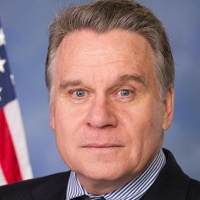
Christopher Smith
Representative
NJ
Christopher Smith
Representative
NJ
The Let Pregnancy Centers Serve Act of 2025 aims to protect pregnancy resource centers from discrimination by federal and state entities due to their commitment to offering life-affirming alternatives to abortion. This bill prohibits government agencies receiving federal funds from penalizing organizations that do not perform, refer for, or counsel in favor of abortion. Furthermore, it strengthens enforcement by allowing qualified parties to directly sue government entities for violating these conscience protections.
The Air America Act of 2025 authorizes one-time monetary awards to former Air America employees or their survivors for service supporting the CIA between 1950 and 1976.
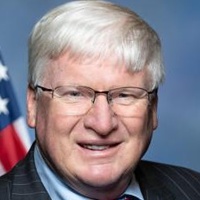
Glenn Grothman
Representative
WI
Glenn Grothman
Representative
WI
The Air America Act of 2025 recognizes the sacrifices of former Air America employees who served the U.S. Government between 1950 and 1976. This Act authorizes a one-time monetary award, up to $40,000 plus potential additional amounts, for qualifying service members or their survivors. The CIA Director is responsible for administering these payments, which are capped at a total of $60 million, and establishing the application procedures. Decisions made by the Director regarding these awards are final and not subject to judicial review.
This Act updates Medicare coverage and payment rules for home infusion therapy starting in 2026 to ensure continued patient access, clarify covered services, and adjust supplier reimbursement.

Vern Buchanan
Representative
FL
Vern Buchanan
Representative
FL
The Preserving Patient Access to Home Infusion Act updates Medicare coverage and payment rules for home infusion therapy starting in 2026 to ensure continued patient access. The bill explicitly adds pharmacy services to covered home infusion care and clarifies payment calculations for suppliers, including transitional rules based on infusion hours. Furthermore, it expands who can establish and review patient care plans to include nurse practitioners and physician assistants. Finally, the Act modifies definitions and payment rules for certain non-pump infusion drugs and stops separate Medicare payment for specific disposable supplies when infusion therapy is already being reimbursed.
This bill restores protections to prevent private health insurance plans from discriminating against dialysis patients with End-Stage Renal Disease (ESRD) or shifting their treatment costs unfairly onto Medicare.
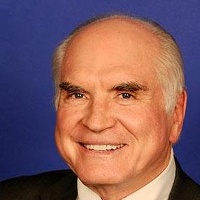
Mike Kelly
Representative
PA
Mike Kelly
Representative
PA
The Restore Protections for Dialysis Patients Act aims to prevent private health insurance plans from discriminating against patients with End-Stage Renal Disease (ESRD). This legislation clarifies that plans cannot offer worse benefits or unfairly limit coverage for dialysis treatments compared to other medical services. Furthermore, it stops these plans from shifting the primary financial responsibility for ESRD care onto Medicare. The bill maintains existing rules ensuring fair treatment while preserving a health plan's ability to select its network of dialysis providers.
Supports the designation of March 18, 2025, as "National Agriculture Day" and recognizes the importance of agriculture in the United States.
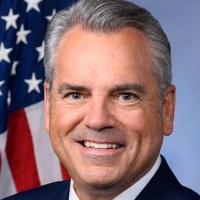
Mark Alford
Representative
MO
Mark Alford
Representative
MO
This resolution expresses support for designating March 18, 2025, as "National Agriculture Day." It recognizes and celebrates the significant impact of agriculture as a leading industry in the United States.
Urges Congress and the administration to collaborate on food and agricultural trade policies that expand market access, eliminate trade barriers, and ensure global competitiveness for U.S. farmers and ranchers.

Dusty Johnson
Representative
SD
Dusty Johnson
Representative
SD
This resolution urges Congress and the administration to work together to address the decline in U.S. food and agricultural exports by expanding market access, reducing trade barriers, and supporting domestic trade promotion programs. It emphasizes the importance of trade agreements and the enforcement of existing commitments to ensure global competitiveness for U.S. farmers and ranchers. The resolution seeks a global trading system grounded in scientific principles to bolster the U.S. agricultural sector.
This bill prohibits the use of federal taxpayer funds for gender transition procedures and bars federal health plans and ACA premium credits from covering such care.
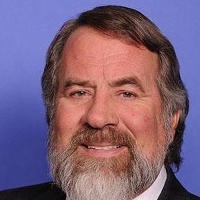
Doug LaMalfa
Representative
CA
Doug LaMalfa
Representative
CA
The End Taxpayer Funding of Gender Experimentation Act of 2025 prohibits the use of any federal funds for gender transition procedures, including those provided through federal health plans or facilities. This ban also extends to the Affordable Care Act, preventing individuals from using federal premium tax credits or cost-sharing reductions to cover plans that include such procedures. The legislation broadly defines gender transition procedures while excluding care for certain disorders of sex development and life-threatening emergencies.
This bill amends the Internal Revenue Code to increase the asset threshold for taxable REIT subsidiaries from 20 to 25 percent, effective for tax years beginning after December 31, 2025.
Mike Kelly
Representative
PA
Mike Kelly
Representative
PA
This bill amends the Internal Revenue Code to restore and modify the asset test for Real Estate Investment Trust (REIT) taxable REIT subsidiaries (TRSs). Specifically, it increases the allowable percentage for certain assets held by a TRS from 20 percent to 25 percent. This change will take effect for tax years beginning after December 31, 2025.
This Act establishes the authority to create trusted trade agreements to diversify and strengthen the U.S. medical supply chain against future crises.

Nicole Malliotakis
Representative
NY
Nicole Malliotakis
Representative
NY
The Medical Supply Chain Resiliency Act aims to secure the U.S. supply of critical medical goods by diversifying trade relationships and reducing reliance on high-risk sources. It authorizes the President to enter into special "trusted trade partner agreements" that lower trade barriers with reliable allies. These agreements focus on regulatory cooperation, intellectual property protection, and ensuring supply chain stability during public health emergencies. The bill also establishes strict reporting and oversight mechanisms for Congress before any such agreement can take effect.
The Innovative FEED Act of 2025 establishes a new regulatory pathway under the FDA for substances added to animal food intended to modify digestive byproducts, reduce foodborne pathogens, or alter gut function without providing nutrition.

Nicholas Langworthy
Representative
NY
Nicholas Langworthy
Representative
NY
The Innovative FEED Act of 2025 establishes a new regulatory category for "zootechnical animal food substances" intended to modify animal digestive byproducts or reduce foodborne pathogens without treating disease. This bill mandates that these new substances must undergo the standard food additive approval process with the FDA, requiring petitioners to provide extensive data on their intended effects. Approval is contingent upon proving the substance achieves its claimed function under proposed use conditions, and all resulting animal food must carry a specific disclaimer stating it is not for disease treatment.