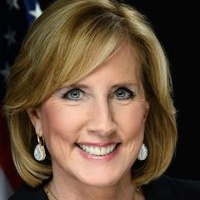
Legislative Activity
Track Claudia's sponsored bills, co-sponsored legislation, and voting record
The Safeguard American Voter Eligibility (SAVE) Act mandates that individuals registering to vote in federal elections must present documentary proof of U.S. citizenship.

Chip Roy
Representative
TX
Chip Roy
Representative
TX
The Safeguard American Voter Eligibility Act (SAVE Act) significantly amends federal law to require individuals registering to vote in federal elections to present documentary proof of U.S. citizenship. This legislation mandates that states actively clean their voter rolls and cooperate with federal agencies to verify citizenship status. It establishes new criminal penalties for officials who fail to enforce these documentation requirements.
The No Rogue Rulings Act of 2025 severely limits federal district courts from issuing injunctions that affect non-parties, with an exception for multi-state lawsuits against the executive branch heard by a randomly selected three-judge panel.
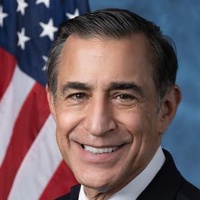
Darrell Issa
Representative
CA
Darrell Issa
Representative
CA
The No Rogue Rulings Act of 2025 significantly restricts federal district courts from issuing injunctions that affect parties not directly involved in a lawsuit. An exception allows a specially convened, randomly selected three-judge panel to issue broad injunctions in multi-state lawsuits against the executive branch. Decisions made by this panel regarding injunctions can be appealed directly to the Supreme Court or the relevant circuit court at the losing party's discretion.
This bill formally rejects the Internal Revenue Service's proposed rule requiring brokers to report gross proceeds from digital asset sales.
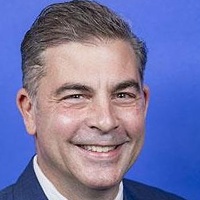
Mike Carey
Representative
OH
Mike Carey
Representative
OH
This bill seeks to formally reject a recent rule issued by the Internal Revenue Service (IRS) concerning gross proceeds reporting by brokers for digital asset sales. Through this joint resolution, Congress is exercising its authority to disapprove the specific IRS regulation. Consequently, the proposed reporting requirement will not take effect.
The Neighborhood Homes Investment Act establishes a new federal tax credit to incentivize the development and substantial rehabilitation of affordable starter homes in low-income communities by closing the financing gap between construction costs and sale prices.
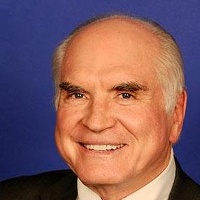
Mike Kelly
Representative
PA
Mike Kelly
Representative
PA
The Neighborhood Homes Investment Act establishes a new federal tax credit designed to close the financing gap hindering the construction and rehabilitation of affordable starter homes in distressed communities. This credit incentivizes developers to build or substantially renovate housing in specific low-income census tracts and sell it affordably to qualified moderate-income homeowners. State agencies will manage the allocation of these credits, ensuring projects meet affordability standards and promoting revitalization in struggling neighborhoods.
This Act updates definitions, raises capacity limits, and establishes a working group to promote the commercialization and industrial competitiveness of small modular nuclear reactors (SMRs).
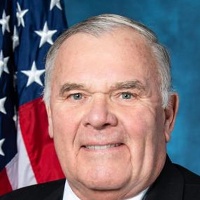
James Baird
Representative
IN
James Baird
Representative
IN
The Small Modular Reactor Commercialization Act of 2025 aims to accelerate the deployment of advanced nuclear technology by updating definitions and increasing size limits for Small Modular Reactors (SMRs) up to 500 MWe. The bill revises capacity limits under the Atomic Energy Act and ensures SMR developers remain eligible for federal funding regardless of size within the new parameters. Furthermore, it establishes a high-level working group tasked with developing strategies to ensure U.S. competitiveness in the global SMR market.
This bill removes the current restriction preventing direct charitable rollovers from Individual Retirement Accounts (IRAs) to Donor Advised Funds (DAFs).

Adrian Smith
Representative
NE
Adrian Smith
Representative
NE
The IRA Charitable Rollover Facilitation and Enhancement Act of 2025 removes the current restriction preventing individuals from making direct charitable rollovers from their Individual Retirement Accounts (IRAs) to Donor Advised Funds (DAFs). This change immediately allows IRA owners to transfer retirement assets directly to DAFs for charitable purposes. The bill simplifies and enhances charitable giving options for IRA holders.
This Act makes amounts paid for accredited private umbilical cord blood or tissue banking services deductible as medical care expenses for federal tax purposes beginning after 2024.
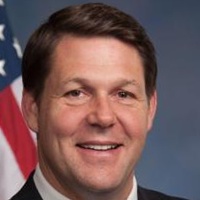
Jodey Arrington
Representative
TX
Jodey Arrington
Representative
TX
The Family Cord Blood Banking Act amends the tax code to allow individuals to treat payments for private umbilical cord blood or tissue banking services as deductible medical expenses. This change makes the cost of utilizing accredited private cord blood banks potentially tax-deductible for federal tax years beginning after December 31, 2024.
This bill expedites the approval process for large-scale domestic manufacturing projects by streamlining federal environmental reviews and limiting judicial review of those approvals.
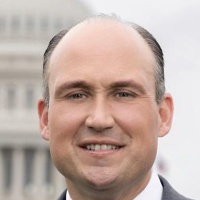
Nicholas Langworthy
Representative
NY
Nicholas Langworthy
Representative
NY
The Infrastructure Project Acceleration Act aims to rapidly advance major domestic manufacturing projects valued at over one billion dollars. This legislation expedites construction by waiving certain federal environmental permits and streamlining the National Environmental Policy Act (NEPA) review process. Furthermore, the bill severely limits judicial review of agency approvals for these priority projects to prevent delays from lawsuits.
This bill prohibits the sale or release of petroleum products from the Strategic Petroleum Reserve to any entity owned, controlled, or influenced by the Chinese Communist Party, and bars exports of SPR oil to the People's Republic of China.
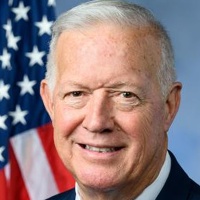
Randy Weber
Representative
TX
Randy Weber
Representative
TX
This bill, the Protecting America’s Strategic Petroleum Reserve from China Act, strictly prohibits the sale or release of oil from the U.S. Strategic Petroleum Reserve (SPR) to any entity owned, controlled, or influenced by the Chinese Communist Party. Furthermore, it prevents the sale of SPR products to non-Chinese buyers if those products are intended for export to the People's Republic of China. The legislation aims to safeguard U.S. energy reserves from benefiting the Chinese government.
This bill establishes pilot projects for the Department of Homeland Security to test advanced technologies, including AI, to improve the detection of contraband like fentanyl at U.S. land ports of entry.
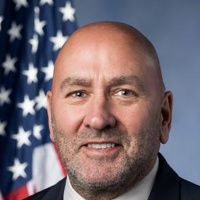
Clay Higgins
Representative
LA
Clay Higgins
Representative
LA
The CATCH Fentanyl Act mandates the Department of Homeland Security to establish pilot projects at land ports of entry to test advanced inspection technologies, including those utilizing Artificial Intelligence. These tests aim to improve the detection of contraband like fentanyl while increasing inspection efficiency. The Secretary must report on the effectiveness of these technologies and provide recommendations for nationwide deployment within five years of enactment.
This Act mandates increased reporting, sanctions review, and travel restrictions targeting Iran and foreign entities involved in hostage-taking of U.S. nationals.
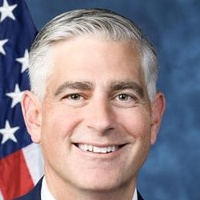
Michael Baumgartner
Representative
WA
Michael Baumgartner
Representative
WA
The **No Paydays for Hostage-Takers Act** aims to increase accountability for foreign entities and individuals who wrongfully detain Americans, particularly in response to Iran's history of hostage-taking. The bill mandates increased reporting on restricted Iranian funds, requires a review of sanctions against those involved in detentions, and tightens restrictions on Iranian diplomats in the U.S. Furthermore, it directs the President to develop a strategy to deter future hostage-taking incidents.
This act adjusts federal sentencing guidelines to ensure convictions for sexual offenses against minors under 18 count toward specific sentencing enhancements.
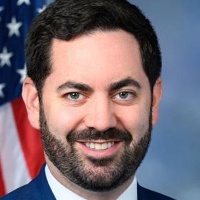
Michael Lawler
Representative
NY
Michael Lawler
Representative
NY
The Paula Bohovesky and Joan D’Alessandro Act amends federal sentencing guidelines to ensure that convictions for sexual offenses against minors under 18 count toward specific sentencing enhancements. This change adjusts the rules under 18 U.S.C. § 3559(d)(1)(A) regarding when certain sentencing triggers are met. The goal is to strengthen how prior offenses against children impact current sentencing decisions.
The Affordable Housing Credit Improvement Act of 2025 updates state allocation formulas, reforms tenant eligibility and credit determination rules, and enhances assistance for Native American and rural housing projects.
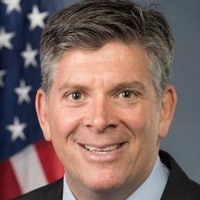
Darin LaHood
Representative
IL
Darin LaHood
Representative
IL
The Affordable Housing Credit Improvement Act of 2025 updates federal housing tax credit allocations to reflect current economic realities and boosts minimum state allotments. It reforms tenant eligibility rules to stabilize tenancy and enhance protections for vulnerable residents, including victims of abuse. The bill also provides disaster relief for property owners, increases incentives for housing the extremely low-income, and directs greater resources toward Native American and rural housing needs. Finally, it streamlines administrative processes and signals a future focus on data transparency and discouraging restrictive local zoning.
The CBO Scoring Accountability Act mandates that the Congressional Budget Office produce annual reports for ten years tracking the actual financial impact of major legislation against its initial cost estimates.
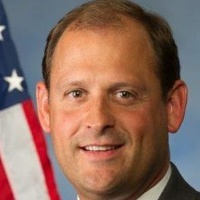
Garland Barr
Representative
KY
Garland Barr
Representative
KY
The CBO Scoring Accountability Act mandates that the Congressional Budget Office (CBO) produce annual reports for ten years following the enactment of any "major legislation." These reports must compare the actual financial impact of the law against the CBO's original estimates. If significant discrepancies occur, the CBO is required to explain the variance to Congress.
The Retirement Savings for Americans Act of 2025 establishes a mandatory, government-matched retirement savings account for workers, overseen by a new federal board, and provides a direct government match deposited into these accounts as a tax credit.
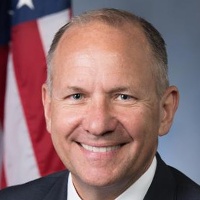
Lloyd Smucker
Representative
PA
Lloyd Smucker
Representative
PA
The Retirement Savings for Americans Act of 2025 establishes the American Worker Retirement Fund, a new, mandatory-enrollment retirement savings vehicle within the U.S. Treasury designed to help workers build protected savings through personal contributions and government matching credits. The bill also creates a governing Board to oversee the investment management system, imposing strict fiduciary duties on all administrators. Finally, it introduces a Government Match Tax Credit, which directly deposits a tiered government match into participants' accounts based on their savings rate and income level.
This act establishes new financial penalties and reporting requirements for tax-exempt educational institutions found guilty of civil rights violations in federal court, and mandates a review of tax-exempt status after repeat offenses.
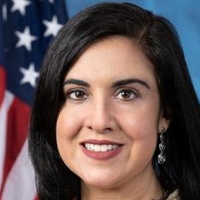
Nicole Malliotakis
Representative
NY
Nicole Malliotakis
Representative
NY
The University Accountability Act establishes new financial penalties and reporting requirements for tax-exempt educational institutions found guilty of civil rights violations in federal court. Penalties are set at the higher of $100,000 or 5% of the institution's administrative compensation for each violation. Furthermore, institutions facing a third or subsequent violation determination must undergo a review of their tax-exempt status.
This bill repeals the requirement for financial institutions to collect and report specific data on small business loans to reduce compliance costs and improve small business access to credit.
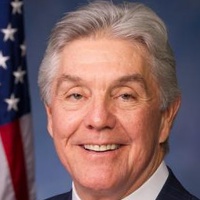
Roger Williams
Representative
TX
Roger Williams
Representative
TX
The 1071 Repeal to Protect Small Business Lending Act aims to eliminate the mandatory data collection and reporting requirements for small business loans previously established under Section 704B of the Equal Credit Opportunity Act. Proponents argue that these regulations impose unnecessary compliance costs on lenders, potentially hindering small business access to credit. This bill repeals those specific reporting mandates to reduce regulatory burdens on financial institutions.
This act restricts long-term retail concession agreements on U.S. military bases with businesses controlled by specified foreign nations, subject to national security review and potential termination.
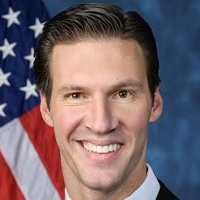
Pat Harrigan
Representative
NC
Pat Harrigan
Representative
NC
The Military Installation Retail Security Act of 2025 restricts the Department of Defense from entering into long-term retail concessions agreements with businesses controlled by designated foreign nations. This legislation mandates that existing agreements with such retailers undergo immediate review by CFIUS for national security risks, with termination required if control by a covered nation is confirmed. Exceptions are permitted only if the service provided is vital and security risks are mitigated, requiring notification to Congress.
This Act prohibits states from using ranked choice voting in elections for federal offices.
Michael Lawler
Representative
NY
Michael Lawler
Representative
NY
The One Vote One Choice Act prohibits states from using ranked choice voting (RCV) in any election for federal offices, such as President or Congress. This legislation amends the Help America Vote Act of 2002 to establish a uniform voting standard for federal races nationwide. The ban on RCV takes effect immediately upon the law's enactment.
This bill rescinds specific financial waivers and licenses related to Iran and prohibits the President from reauthorizing similar permissions for accessing certain Iranian funds.
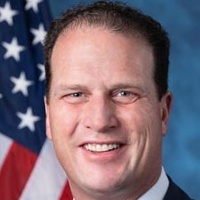
August Pfluger
Representative
TX
August Pfluger
Representative
TX
This bill mandates the immediate rescission of specific waivers and licenses that previously allowed certain international money transfers related to Iran. It explicitly prohibits the President from reissuing similar permissions or granting new licenses that would allow the Iranian government access to restricted financial accounts. In essence, this legislation closes specific financial pathways previously opened concerning Iran.