Legislative Activity
Track Claudia's sponsored bills, co-sponsored legislation, and voting record
The 287(g) Program Protection Act mandates that the Department of Homeland Security enter into immigration enforcement agreements with state and local law enforcement agencies upon request and establishes new oversight, reporting, and funding requirements for the program.
Michael Cloud
Representative
TX
Michael Cloud
Representative
TX
The 287(g) Program Protection Act mandates that the Department of Homeland Security enter into immigration enforcement agreements with any state or local law enforcement agency that requests one. The bill streamlines the approval process, protects existing agreements from arbitrary termination, and requires the Secretary to provide annual performance reports and recruitment plans to expand the program. Additionally, it establishes uniform training standards and reallocates funding to support these state and local partnerships.
The Build the Wall Act of 2025 mandates the construction and maintenance of physical barriers along the U.S. southern border by repurposing unobligated COVID-19 relief funds.
Jefferson Shreve
Representative
IN
Jefferson Shreve
Representative
IN
The Build the Wall Act of 2025 establishes a dedicated Treasury fund to finance the construction and maintenance of physical barriers along the U.S. southern border. The legislation mandates that this initiative be funded by reallocating all unobligated Coronavirus State and local fiscal recovery funds.
This bill recognizes the significant contributions of tax-exempt fraternal benefit societies to communities across the United States through charitable activities, volunteer work, and financial support for their members, and expresses Congressional support for their continued promotion.
Darin LaHood
Representative
IL
Darin LaHood
Representative
IL
This bill recognizes the significant historical and ongoing contributions of tax-exempt fraternal benefit societies to communities across the United States through charitable activities, volunteer work, and financial support for members. It expresses the sense of Congress that these societies are a valuable support system that addresses unmet needs and generates substantial returns to the U.S. through their tax-exempt status. The bill also advocates for the continued promotion of fraternal benefit societies.
The Charitable Act extends and modifies tax deductions for charitable contributions, allowing individuals who take the standard deduction to claim additional tax benefits for donations made in 2026 and 2027.
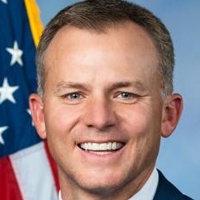
Blake Moore
Representative
UT
Blake Moore
Representative
UT
The Charitable Act allows individuals who take the standard deduction to also claim a deduction for charitable contributions during the 2026 and 2027 tax years. This legislation permits non-itemizers to deduct donations up to one-third of their standard deduction amount while removing previous penalties for overstatements.
The Second Chance for Moms Act of 2025 mandates warning labels on mifepristone regarding potential reversal treatments and establishes a 24/7 hotline to connect women with abortion pill reversal services.
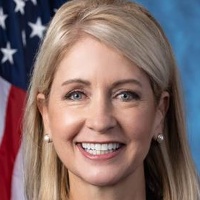
Mary Miller
Representative
IL
Mary Miller
Representative
IL
The Second Chance for Moms Act of 2025 mandates that mifepristone labeling include a warning regarding the potential to counteract the drug's effects with progesterone. Additionally, the bill directs the Department of Health and Human Services to establish a 24/7 hotline to provide support and referrals for individuals seeking abortion pill reversal services.
The STAR Act of 2025 establishes a 25 percent tax credit for qualified semiconductor design expenditures to incentivize domestic research and technological innovation.
Blake Moore
Representative
UT
Blake Moore
Representative
UT
The Semiconductor Technology Advancement and Research (STAR) Act of 2025 establishes a 25 percent tax credit for qualified semiconductor design expenditures conducted within the United States. This legislation aims to bolster domestic innovation by incentivizing both in-house and contract design costs for advanced semiconductor technology. The credit is available through 2036 and is designed to complement existing manufacturing investment incentives.
The Pregnancy Is Not an Illness Act of 2025 prohibits the FDA from classifying pregnancy as an illness when approving abortion drugs and voids existing approvals that relied on such a classification.
Mary Miller
Representative
IL
Mary Miller
Representative
IL
The Pregnancy Is Not an Illness Act of 2025 prohibits the FDA and the Department of Health and Human Services from classifying pregnancy as an illness when approving or regulating abortion drugs. The bill further mandates the immediate revocation of any existing abortion drug approvals that relied on such a classification, including the current approval of mifepristone.
The Illegitimate Court Counteraction Act sanctions individuals assisting the International Criminal Court (ICC) in investigating, arresting, or prosecuting protected persons, including U.S. citizens and allies, and rescinds funding for the ICC.

Chip Roy
Representative
TX
Chip Roy
Representative
TX
The Illegitimate Court Counteraction Act imposes sanctions on individuals and their families who assist the International Criminal Court (ICC) in investigating, arresting, detaining, or prosecuting "protected persons," which include U.S. citizens, military personnel, government officials, and citizens/residents of U.S. allies not consenting to the ICC. It requires the President to block the property of those who aid the ICC, deny them entry into the U.S., and rescinds any funds for the ICC. The bill allows for waivers of these sanctions if vital to U.S. national security and termination of sanctions if the ICC ceases action against protected persons.
The Life at Conception Act declares that the constitutional right to life begins at the moment of fertilization and applies to every member of the species *homo sapiens* at all stages of development.
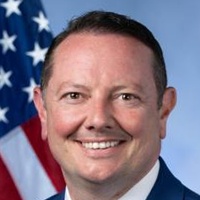
Eric Burlison
Representative
MO
Eric Burlison
Representative
MO
The Life at Conception Act declares that the constitutional right to life begins at the moment of fertilization, defining all human beings as persons from that point forward. The bill establishes legal personhood for every member of the species *homo sapiens* at all stages of development. Additionally, it explicitly prohibits the prosecution of any woman for the death of her unborn child.
The Green Tape Elimination Act of 2025 exempts hazardous fuel reduction activities on federal land from key environmental reviews and regulations for 10 years to expedite wildfire prevention efforts.
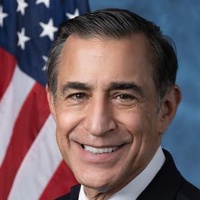
Darrell Issa
Representative
CA
Darrell Issa
Representative
CA
The Green Tape Elimination Act of 2025 aims to accelerate wildfire prevention by exempting hazardous fuel reduction activities on federal land from key environmental reviews and regulations, including NEPA and the Endangered Species Act, for a 10-year period. Additionally, the bill amends the Clean Air Act to exclude air quality data resulting from these fuel reduction activities from regulatory compliance determinations.
This bill prohibits states from accepting or utilizing private funding, donations, or services for the administration of federal elections, with a limited exception for the use of donated polling space.
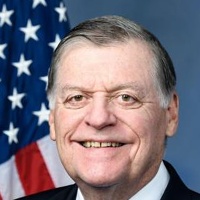
Tom Cole
Representative
OK
Tom Cole
Representative
OK
The Protect American Election Administration Act of 2025 prohibits state and local governments from accepting or spending private donations to fund the administration of federal elections, including voter outreach and registration activities. While it provides a limited exception for the donation of physical polling space, the bill mandates that all other election-related costs be covered by public funds. This legislation aims to ensure election integrity by enforcing these restrictions through the Help America Vote Act.
The CBO Show Your Work Act mandates that the Congressional Budget Office publicly release the models, data, and computational details used in its legislative cost estimates to ensure transparency and independent replicability.
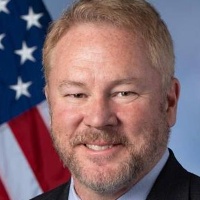
Warren Davidson
Representative
OH
Warren Davidson
Representative
OH
The CBO Show Your Work Act mandates that the Congressional Budget Office publicly release the models, data, and computational details used to estimate the fiscal and economic impacts of legislation. By requiring transparency and replicability, the bill ensures that outside parties can independently verify CBO findings. It also establishes clear protocols for handling confidential data to maintain privacy while maximizing public access to information.
The Performing Artist Tax Parity Act of 2025 updates and expands tax deductions for performing artists by including agent commissions, adjusting income thresholds for inflation, and increasing the nominal employer limit.

Vern Buchanan
Representative
FL
Vern Buchanan
Representative
FL
The Performing Artist Tax Parity Act of 2025 updates tax code deductions for performing artists by allowing them to deduct essential business expenses—including agent and manager commissions—directly from their taxable income. The bill introduces an income-based phaseout for the deduction, increases the "nominal employer" threshold, and implements annual inflation adjustments to ensure the policy remains current. These changes aim to provide greater financial relief for working artists by simplifying how they account for professional costs.
The Born-Alive Abortion Survivors Protection Act requires health care practitioners to provide the same level of care to infants born alive after an abortion attempt as they would to any other newborn, mandating immediate hospitalization and imposing penalties for violations, while protecting the mother from prosecution. It also allows the mother of a child born alive to file a civil action against anyone who violated the act.
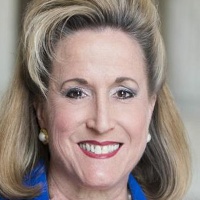
Ann Wagner
Representative
MO
Ann Wagner
Representative
MO
The "Born-Alive Abortion Survivors Protection Act" ensures that infants born alive after an abortion receive the same medical care as any other newborn, mandating immediate hospitalization and requiring healthcare practitioners to report any failures to comply. Violators face fines, imprisonment, and potential prosecution for homicide or attempted homicide, while the mother of the child cannot be prosecuted. The bill also allows the woman who had the abortion to file a civil action against anyone who violated the act. It defines abortion and attempts at abortion, and renames "Partial-Birth Abortions" to "Abortions" in relevant sections of the U.S. Code.
The National Constitutional Carry Act prohibits state and local governments from restricting the public carry of firearms by individuals who are legally eligible to possess them under federal law.

Thomas Massie
Representative
KY
Thomas Massie
Representative
KY
The National Constitutional Carry Act seeks to protect the Second Amendment right of law-abiding citizens to carry firearms in public for self-defense. The bill prohibits state and local governments from imposing criminal or civil penalties on individuals who are legally eligible to possess firearms. By overriding restrictive local regulations, the legislation aims to ensure a uniform standard for the right to bear arms across the United States.
The Small Business Investor Tax Parity Act of 2025 expands the qualified business income deduction to include interest dividends from qualified business development companies.
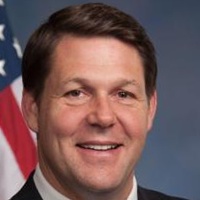
Jodey Arrington
Representative
TX
Jodey Arrington
Representative
TX
The Small Business Investor Tax Parity Act of 2025 amends the tax code to allow taxpayers to include qualified business development company (BDC) interest dividends in their qualified business income deduction. This change aligns the tax treatment of BDC dividends with that of real estate investment trust (REIT) dividends. The provision is set to take effect for tax years beginning after December 31, 2026.
This bill amends the Internal Revenue Code to allow corporations to deduct intangible drilling and development costs when calculating adjusted financial statement income for the corporate alternative minimum tax.

Mike Carey
Representative
OH
Mike Carey
Representative
OH
The Promoting Domestic Energy Production Act revises corporate tax accounting rules to incentivize domestic energy investment. By allowing corporations to deduct intangible drilling and development costs when calculating their alternative minimum tax, the bill aims to reduce the tax burden on energy producers.
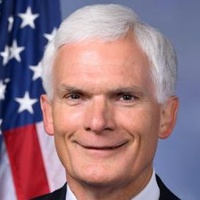
The SAVE Moms and Babies Act of 2025 prohibits the FDA from approving new abortion drugs and imposes strict federal restrictions on the distribution, usage, and reporting requirements for existing abortion medications.
Robert Latta
Representative
OH
Robert Latta
Representative
OH
The SAVE Moms and Babies Act of 2025 prohibits the FDA from approving new abortion drugs and restricts the use of existing ones. The bill mandates strict safety protocols, including in-person administration requirements, expanded adverse event reporting, and limitations on gestational age for drug use.
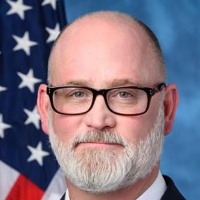
This bill mandates that the Department of Defense provide a variety of milk options to service members at military dining facilities while prohibiting the purchase of milk from foreign adversaries.
Derrick Van Orden
Representative
WI
Derrick Van Orden
Representative
WI
The Strengthening our Servicemembers with Milk Act requires the Department of Defense to provide a diverse range of milk options to service members at military dining facilities. The bill also mandates that all milk supplies be sourced exclusively from domestic or non-adversarial entities, prohibiting purchases from companies controlled by foreign adversaries.
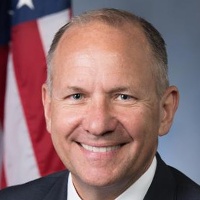
The Main Street Tax Certainty Act makes the 20% pass-through business income deduction permanent by removing its scheduled expiration after 2025.
Lloyd Smucker
Representative
PA
Lloyd Smucker
Representative
PA
The Main Street Tax Certainty Act makes the 20% pass-through business income deduction permanent. By removing the current 2025 expiration date, this legislation ensures long-term tax relief for owners of qualified pass-through entities.