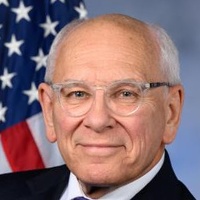
Legislative Activity
Track Paul's sponsored bills, co-sponsored legislation, and voting record
This bill prohibits civilians from purchasing, owning, or possessing enhanced body armor, with exceptions for government entities and law enforcement personnel.
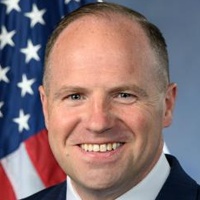
Timothy Kennedy
Representative
NY
Timothy Kennedy
Representative
NY
The Aaron Salter, Jr., Responsible Body Armor Possession Act prohibits civilians from purchasing, owning, or possessing "enhanced body armor," defined as gear meeting or exceeding NIJ RF1 protection standards. This ban includes exceptions for federal, state, and local government agencies, as well as covered law enforcement officers. Knowingly violating this new federal prohibition carries penalties including fines and up to five years in prison.
The HEADs UP Act of 2025 expands federal health center funding and grants to specifically include and support comprehensive primary and dental care services for individuals with developmental disabilities.
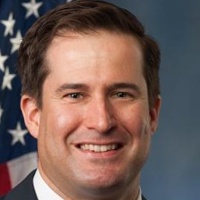
Seth Moulton
Representative
MA
Seth Moulton
Representative
MA
The HEADs UP Act of 2025 aims to expand access to primary and dental healthcare for individuals with developmental disabilities. It revises federal funding criteria to specifically recognize this population as medically underserved, allowing health centers to qualify for enhanced support. The bill authorizes dedicated federal grants for health centers to establish or expand comprehensive services tailored to this community through 2030. This legislation also updates designations for Health Professional Shortage Areas to include these individuals, incentivizing increased staffing.
This bill officially renames the Saratoga National Historical Park to the Saratoga National Battlefield Park.
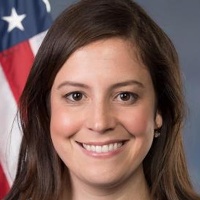
Elise Stefanik
Representative
NY
Elise Stefanik
Representative
NY
The Strengthening America’s Turning Point Act formally renames the Saratoga National Historical Park to the Saratoga National Battlefield Park. This legislation updates all official federal records, maps, and documents to reflect the new designation.
This bill prohibits the use of federal funds to implement Executive Order 14160, which sought to limit birthright citizenship guaranteed by the Fourteenth Amendment.
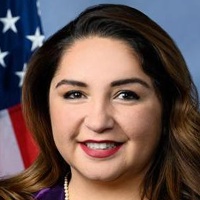
Delia Ramirez
Representative
IL
Delia Ramirez
Representative
IL
The Born in the USA Act of 2025 declares that Executive Order 14160, which attempted to restrict birthright citizenship, is unconstitutional and contrary to the 14th Amendment. This Act prohibits the use of any federal funds to implement or enforce that Executive Order. It affirms the established constitutional right to birthright citizenship for nearly everyone born on U.S. soil.
This resolution supports designating May 10, 2025, as "National Asian American, Native Hawaiian, and Pacific Islander Mental Health Day" to raise awareness and encourage action to address the mental health crisis in these communities.
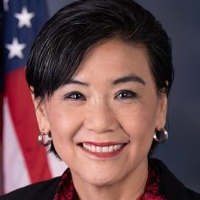
Judy Chu
Representative
CA
Judy Chu
Representative
CA
This resolution supports designating May 10, 2025, as "National Asian American, Native Hawaiian, and Pacific Islander Mental Health Day." It highlights the severe mental health disparities and lack of access to care within AANHPI communities. The bill encourages federal agencies to improve culturally and linguistically appropriate services to better address the unique needs of these diverse populations.
This Act establishes a national strategy to combat mental health stigma and improve behavioral health services, research, and workforce diversity within Asian American, Native Hawaiian, and Pacific Islander (AANHPI) communities.
Judy Chu
Representative
CA
Judy Chu
Representative
CA
The Stop Mental Health Stigma in Our Communities Act of 2025 aims to address the significant mental health disparities and high suicide rates within Asian American, Native Hawaiian, and Pacific Islander (AANHPI) communities. The bill mandates the creation of a national behavioral health outreach strategy tailored to the diverse AANHPI population to reduce stigma and increase culturally competent care. Furthermore, it requires comprehensive systematic reviews and reports on the AANHPI youth mental health crisis and strategies to increase the number of AANHPI behavioral health professionals.
This resolution officially recognizes and celebrates Asian American, Native Hawaiian, and Pacific Islander Heritage Month to honor their significant contributions to U.S. history while acknowledging past hardships and ongoing challenges.
Grace Meng
Representative
NY
Grace Meng
Representative
NY
This resolution officially recognizes and celebrates Asian American, Native Hawaiian, and Pacific Islander (AANHPI) Heritage Month every May. It highlights the significant historical contributions of these communities to the United States, while also acknowledging past hardships and ongoing challenges. The bill encourages the nation to observe this month to appreciate the diversity and strength AANHPI individuals bring to the country.
The VA Employee Fairness Act of 2025 streamlines collective bargaining rules for Veterans Health Administration employees by modifying existing statutes while preserving the Secretary's authority regarding incentive pay and expedited hiring.
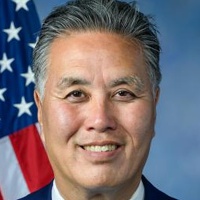
Mark Takano
Representative
CA
Mark Takano
Representative
CA
The VA Employee Fairness Act of 2025 modifies the collective bargaining rules for employees of the Veterans Health Administration (VHA) by streamlining existing statutes. This act removes outdated subsections related to bargaining and renumbers the remaining relevant section. Importantly, these changes do not affect the Secretary of Veterans Affairs' existing authority regarding incentive pay or expedited hiring processes.
This Act prohibits the advertising and provision of paid conversion therapy intended to change an individual's sexual orientation or gender identity, empowering the FTC and State Attorneys General to enforce these prohibitions.
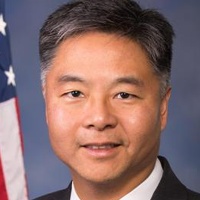
Ted Lieu
Representative
CA
Ted Lieu
Representative
CA
The Therapeutic Fraud Prevention Act of 2025 declares that practices attempting to change an individual's sexual orientation or gender identity for payment constitute an unfair and deceptive business practice. Citing professional consensus on the ineffectiveness and harm of such "conversion therapy," the bill prohibits its provision and advertising. Enforcement authority is granted to the Federal Trade Commission (FTC), and the law allows both the U.S. Attorney General and State Attorneys General to file civil actions against violators.
This bill expands the definition of "law enforcement officer" for federal retirement purposes under FERS and CSRS to include specific IRS, Postal Inspection, and VA police employees, and establishes rules for how current employees can count prior service under the new designation.
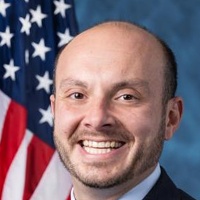
Andrew Garbarino
Representative
NY
Andrew Garbarino
Representative
NY
The Law Enforcement Officers Equity Act expands the definition of "law enforcement officer" for federal retirement purposes under both the Federal Employees Retirement System (FERS) and the Civil Service Retirement System (CSRS). This change adds specific IRS, Postal Inspection Service, and VA police roles to those eligible for enhanced retirement benefits. The bill also establishes procedures for current officers to elect to have their prior service counted under these new definitions, which may require a payment from the employee and their employing agency.
This Act establishes a grant program to provide emergency assistance to farm workers affected by covered disasters through eligible worker organizations.
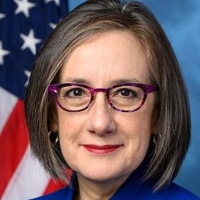
Andrea Salinas
Representative
OR
Andrea Salinas
Representative
OR
The Disaster Relief for Farm Workers Act establishes a new grant program to provide emergency assistance to farm workers following covered disasters, such as severe weather or health crises. Beginning in fiscal year 2026, the Secretary must award grants to eligible farm worker organizations to deliver direct relief and build community resilience. These funds are specifically designated to help workers who lose income or are unable to work due to a qualifying event.
This resolution expresses support for designating May as National Bladder Cancer Awareness Month to promote early detection, increase research funding, and support those affected by the often-overlooked disease.
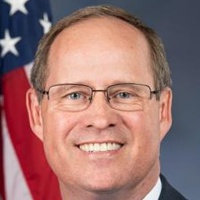
Gregory Murphy
Representative
NC
Gregory Murphy
Representative
NC
This resolution expresses support for designating May as National Bladder Cancer Awareness Month to highlight the serious impact of this often-overlooked cancer. It emphasizes that early detection is crucial for survival, yet awareness of symptoms and the need for research remain low. The designation aims to promote public education, support patients, and push for renewed research into better treatments and a cure.
The BASIC Act increases the investment tax credit rate for advanced semiconductor manufacturing from 25% to 35% and extends the eligibility period through December 31, 2030.
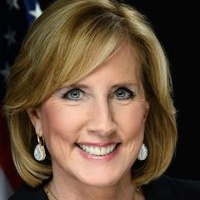
Claudia Tenney
Representative
NY
Claudia Tenney
Representative
NY
The Building Advanced Semiconductors Investment Credit Act (BASIC ACT) significantly boosts incentives for domestic semiconductor manufacturing. This bill increases the investment tax credit rate for advanced manufacturing from 25 percent to 35 percent. Furthermore, it extends the period during which this enhanced credit can be claimed, pushing the deadline from 2026 to December 31, 2030.
This act establishes research grants and training programs to develop and implement PFAS-free, next-generation turnout gear to protect firefighters from occupational illness and injury.

Debbie Dingell
Representative
MI
Debbie Dingell
Representative
MI
The PFAS Alternatives Act aims to protect firefighters by funding research and development for next-generation turnout gear that eliminates harmful PFAS chemicals. The bill establishes grants through NIOSH to create safer, PFAS-free protective equipment and separate funding for training programs on the proper care of this new gear. Ultimately, this legislation seeks to reduce occupational illness and injury among fire and EMS personnel.
This Act expands the Occupational Safety and Health Act (OSHA) to explicitly cover all public employees of the United States, states, and local governments.
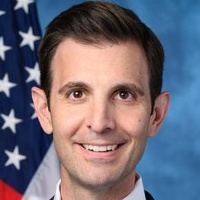
Chris Deluzio
Representative
PA
Chris Deluzio
Representative
PA
The Public Service Worker Protection Act expands the Occupational Safety and Health Act (OSHA) to explicitly cover all public employees, including those working for federal, state, and local governments. This change brings public sector workers under the general protections afforded by OSHA. While the expansion takes effect generally within 90 days, states without an existing OSHA plan are given a three-year transition period before federal oversight applies to their employees.
This resolution recognizes the impact of menstrual stigma and expresses support for designating May as National Menstrual Health Awareness Month to promote education, research, and equitable access to care.
Grace Meng
Representative
NY
Grace Meng
Representative
NY
This resolution expresses strong support for designating May as "National Menstrual Health Awareness Month." It recognizes the significant impact that menstruation stigma has on the health, education, and economic participation of women and people who menstruate. The bill advocates for increased education, better access to care for menstrual conditions, and greater clinical research into women's reproductive health.
This resolution urges the Secretary of Health and Human Services to withdraw any reduction in public notice and comment opportunities during the rulemaking process.

Lizzie Fletcher
Representative
TX
Lizzie Fletcher
Representative
TX
This House resolution urges the Secretary of Health and Human Services (HHS) to withdraw a recent notice that would reduce opportunities for public comment on new regulations. It affirms the importance of robust public input in the rulemaking process, which directly affects millions of Americans. The resolution calls for HHS to maintain its existing, open procedures for gathering feedback before finalizing any policy changes.
The Better CARE for Animals Act of 2025 strengthens the enforcement of the Animal Welfare Act by expanding investigative authority, establishing new civil penalties up to \$10,000 per day, and explicitly granting the Attorney General power to file civil actions, including seeking seizure and forfeiture of animals.
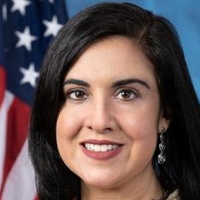
Nicole Malliotakis
Representative
NY
Nicole Malliotakis
Representative
NY
The Better CARE for Animals Act of 2025 significantly strengthens enforcement of the Animal Welfare Act by clarifying definitions and expanding the scope of investigations. It grants the Attorney General explicit authority to file civil actions seeking penalties up to $10,000 per day, and mandates that collected fines help cover temporary animal care costs. The bill also requires the Secretary of Agriculture and the Attorney General to establish a formal agreement for coordinated enforcement.
This bill designates the United States Postal Service facility located at 216 Cumberland Street in Rochester, New York, as the "Minister Franklin Florence Memorial Post Office."
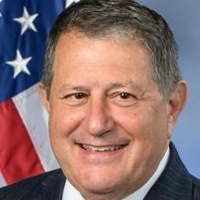
Joseph Morelle
Representative
NY
Joseph Morelle
Representative
NY
This bill officially designates the United States Postal Service facility located at 216 Cumberland Street in Rochester, New York, as the "Minister Franklin Florence Memorial Post Office." All official government records and documents will reflect this new name moving forward.
This bill bans the manufacture, sale, and transfer of specific semiautomatic assault weapons and large-capacity ammunition feeding devices while grandfathering existing possessions and establishing new transfer requirements.
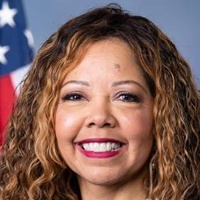
Lucy McBath
Representative
GA
Lucy McBath
Representative
GA
The Assault Weapons Ban of 2025 comprehensively defines and bans the manufacture, sale, and transfer of specific semiautomatic assault weapons and large capacity ammunition feeding devices. The bill grandfathers existing weapons but imposes new requirements for their secure storage and mandates dealer involvement for future private transfers. It also allows federal grant money to be used by states for buy-back programs targeting these banned items.