Legislative Activity
Track Mike's sponsored bills, co-sponsored legislation, and voting record
This Act establishes a bipartisan Fiscal Commission tasked with developing and reporting legislative recommendations to reduce the national debt, followed by an expedited congressional process for considering those recommendations.
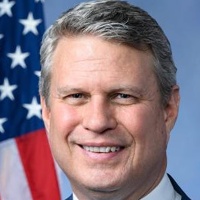
Bill Huizenga
Representative
MI
Bill Huizenga
Representative
MI
The Fiscal Commission Act establishes a bipartisan commission tasked with developing legislative recommendations to improve the nation's long-term fiscal health, aiming to reduce the national debt ratio to 100% of GDP by 2039. This Commission, composed of appointed members from both chambers of Congress and outside experts, must submit its final report and proposed legislation within a specific timeframe. The Act also creates an expedited, amendment-free process for Congress to consider and vote on any resulting "implementing bills."
This resolution officially recognizes and celebrates Asian American, Native Hawaiian, and Pacific Islander Heritage Month to honor their significant contributions to U.S. history while acknowledging past hardships and ongoing challenges.

Grace Meng
Representative
NY
Grace Meng
Representative
NY
This resolution officially recognizes and celebrates Asian American, Native Hawaiian, and Pacific Islander (AANHPI) Heritage Month every May. It highlights the significant historical contributions of these communities to the United States, while also acknowledging past hardships and ongoing challenges. The bill encourages the nation to observe this month to appreciate the diversity and strength AANHPI individuals bring to the country.
The VA Employee Fairness Act of 2025 streamlines collective bargaining rules for Veterans Health Administration employees by modifying existing statutes while preserving the Secretary's authority regarding incentive pay and expedited hiring.
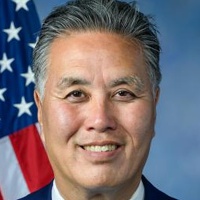
Mark Takano
Representative
CA
Mark Takano
Representative
CA
The VA Employee Fairness Act of 2025 modifies the collective bargaining rules for employees of the Veterans Health Administration (VHA) by streamlining existing statutes. This act removes outdated subsections related to bargaining and renumbers the remaining relevant section. Importantly, these changes do not affect the Secretary of Veterans Affairs' existing authority regarding incentive pay or expedited hiring processes.
This Act prohibits the advertising and provision of paid conversion therapy intended to change an individual's sexual orientation or gender identity, empowering the FTC and State Attorneys General to enforce these prohibitions.
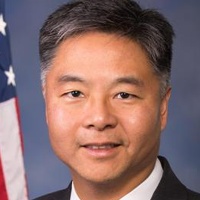
Ted Lieu
Representative
CA
Ted Lieu
Representative
CA
The Therapeutic Fraud Prevention Act of 2025 declares that practices attempting to change an individual's sexual orientation or gender identity for payment constitute an unfair and deceptive business practice. Citing professional consensus on the ineffectiveness and harm of such "conversion therapy," the bill prohibits its provision and advertising. Enforcement authority is granted to the Federal Trade Commission (FTC), and the law allows both the U.S. Attorney General and State Attorneys General to file civil actions against violators.
This Act revises the Migratory Bird Treaty Act to establish a permitting system for the incidental take of migratory birds, create civil penalties for unauthorized harm, and fund conservation efforts through new fees.
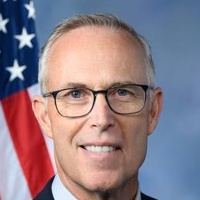
Jared Huffman
Representative
CA
Jared Huffman
Representative
CA
The Migratory Bird Protection Act of 2025 amends the Migratory Bird Treaty Act to establish a clear framework for authorizing the accidental "take" of migratory birds during otherwise legal activities. This includes creating a system for issuing incidental take permits and establishing civil penalties for unauthorized harm. The bill also creates the Migratory Bird Recovery Fund, financed by permit fees, to support bird conservation efforts and mandates ongoing research and reporting to Congress.
This resolution expresses support for designating May 5, 2025, as the "National Day of Awareness for Missing and Murdered Indigenous Women and Girls" while urging action to address the crisis of violence against Native women and girls.
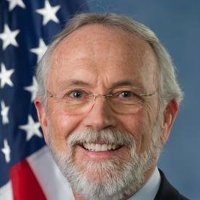
Dan Newhouse
Representative
WA
Dan Newhouse
Representative
WA
This resolution expresses the House of Representatives' support for designating May 5, 2025, as the "National Day of Awareness for Missing and Murdered Indigenous Women and Girls." It highlights the severe crisis of violence against Native women and girls and calls for remembrance and support for affected families. Additionally, the bill urges the Department of Justice to conduct an updated study on the data surrounding this ongoing national tragedy.
The Captive Primate Safety Act of 2025 bans the interstate commerce, breeding, and possession of most nonhuman primates, with limited exceptions for existing registered owners and research facilities.

Mike Quigley
Representative
IL
Mike Quigley
Representative
IL
The Captive Primate Safety Act of 2025 amends the Lacey Act to prohibit the importation, sale, breeding, and possession of most nonhuman primates across state lines. This sweeping ban includes species like monkeys and lemurs, with limited exceptions for registered research facilities and existing owners who register their animals promptly. The law establishes immediate prohibitions, even before the Secretary of the Interior finalizes all associated regulations.
This act ensures that certain loan repayments and scholarship benefits received through the Nurse Corps program are excluded from taxable income.
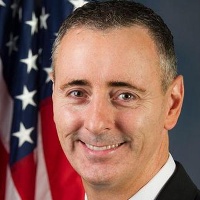
Brian Fitzpatrick
Representative
PA
Brian Fitzpatrick
Representative
PA
The Nurse Corps Tax Parity Act of 2025 aims to provide tax relief for healthcare professionals participating in the Nurse Corps program. This bill clarifies that certain loan repayments and scholarship benefits received through the program will be excluded from taxable income. Essentially, it updates the Internal Revenue Code to ensure these specific Nurse Corps payments are treated favorably for tax purposes.
The Shipbuilding and Harbor Infrastructure for Prosperity and Security for America Act of 2025 establishes a centralized maritime authority, creates a dedicated funding trust, strengthens sealift capability, mandates increased use of U.S.-flagged vessels, invests heavily in domestic shipbuilding, and enhances workforce development and tax incentives for the maritime industry.
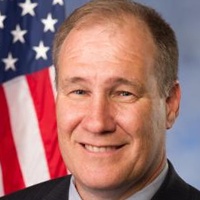
Trent Kelly
Representative
MS
Trent Kelly
Representative
MS
The **Shipbuilding and Harbor Infrastructure for Prosperity and Security for America Act of 2025** is a comprehensive bill designed to revitalize the U.S. maritime industry and secure critical supply chains. It establishes new centralized oversight for maritime policy, creates a dedicated Maritime Security Trust Fund financed by new vessel taxes, and mandates significant federal investment in domestic shipbuilding and workforce development. The legislation also imposes stricter cargo preference rules and tax incentives to ensure U.S.-flagged vessels dominate international commerce and defense sealift operations.
The Community Services Block Grant Improvement Act of 2025 updates program goals, redefines eligibility using 200% of the poverty line, sets specific funding levels through 2032, and overhauls state application, oversight, and local agency governance requirements to better combat poverty and promote self-sufficiency.
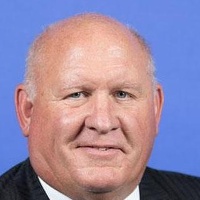
Glenn Thompson
Representative
PA
Glenn Thompson
Representative
PA
The Community Services Block Grant Improvement Act of 2025 aims to strengthen federal efforts to combat poverty by updating the core goals and operational rules of the Community Services Block Grant program. The bill revises definitions, sets a specific annual funding authorization through Fiscal Year 2032, and tightens requirements for state plans and local agency governance, including mandating tripartite boards. Ultimately, these changes seek to ensure grant funds are effectively used by local entities to promote the self-sufficiency of low-income individuals and families.
This resolution recognizes the 50th anniversary of the Fall of Saigon, honoring the history, service, and contributions of Vietnamese Americans while reaffirming U.S. commitment to democracy and human rights.
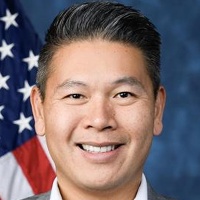
Derek Tran
Representative
CA
Derek Tran
Representative
CA
This resolution commemorates the 50th anniversary of the Fall of Saigon and recognizes the profound contributions of Vietnamese Americans to the United States. It honors those who fled the communist regime after April 30, 1975, and reaffirms American commitment to democracy and human rights. The bill encourages all citizens to observe this anniversary and remember the sacrifices made in the pursuit of freedom.
The Better CARE for Animals Act of 2025 strengthens the enforcement of the Animal Welfare Act by expanding investigative authority, establishing new civil penalties up to \$10,000 per day, and explicitly granting the Attorney General power to file civil actions, including seeking seizure and forfeiture of animals.
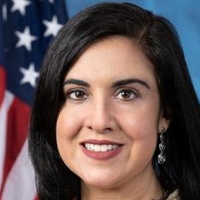
Nicole Malliotakis
Representative
NY
Nicole Malliotakis
Representative
NY
The Better CARE for Animals Act of 2025 significantly strengthens enforcement of the Animal Welfare Act by clarifying definitions and expanding the scope of investigations. It grants the Attorney General explicit authority to file civil actions seeking penalties up to $10,000 per day, and mandates that collected fines help cover temporary animal care costs. The bill also requires the Secretary of Agriculture and the Attorney General to establish a formal agreement for coordinated enforcement.
This bill bans the manufacture, sale, and transfer of specific semiautomatic assault weapons and large-capacity ammunition feeding devices while grandfathering existing possessions and establishing new transfer requirements.
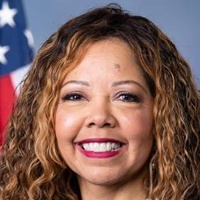
Lucy McBath
Representative
GA
Lucy McBath
Representative
GA
The Assault Weapons Ban of 2025 comprehensively defines and bans the manufacture, sale, and transfer of specific semiautomatic assault weapons and large capacity ammunition feeding devices. The bill grandfathers existing weapons but imposes new requirements for their secure storage and mandates dealer involvement for future private transfers. It also allows federal grant money to be used by states for buy-back programs targeting these banned items.
This Act significantly increases the civil and criminal penalties, including fines and jail time, for causing oil spills under federal law.
Ted Lieu
Representative
CA
Ted Lieu
Representative
CA
The Increasing Penalties for Offshore Polluters Act significantly strengthens federal enforcement against oil spills. This legislation revises the Federal Water Pollution Control Act to establish much higher minimum and maximum civil fines for polluters. Furthermore, it substantially increases the criminal penalties, doubling the maximum jail time and fines associated with various levels of oil spill violations.
This bill establishes a universal, comprehensive national health insurance program called "Medicare for All" that eliminates patient cost-sharing and transitions the nation away from private insurance duplication.

Pramila Jayapal
Representative
WA
Pramila Jayapal
Representative
WA
The Medicare for All Act establishes a universal, nationwide health insurance program providing comprehensive coverage for all U.S. residents with no out-of-pocket costs. It fundamentally restructures healthcare financing by implementing global budgets for institutions and a new fee schedule for individuals, while phasing out existing federal programs like Medicare and Medicaid. The legislation also sets strict quality standards for providers and creates a dedicated Trust Fund to manage the system's finances.
The Equality Act comprehensively prohibits discrimination based on sex, sexual orientation, and gender identity across key areas including public accommodations, employment, housing, credit, and jury service.
Mark Takano
Representative
CA
Mark Takano
Representative
CA
The Equality Act comprehensively expands federal civil rights protections against discrimination based on sex, sexual orientation, and gender identity across key areas of American life. It amends existing laws to prohibit discrimination in public accommodations, housing, credit, employment, and federal funding. The purpose of the bill is to provide consistent, explicit, and comprehensive remedies for individuals facing bias in these essential sectors.
This Act authorizes the President to impose sanctions, including asset freezes and visa bans, on foreign individuals involved in violence, property destruction, or displacement in the West Bank.
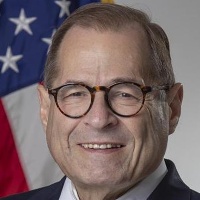
Jerrold Nadler
Representative
NY
Jerrold Nadler
Representative
NY
The West Bank Violence Prevention Act of 2025 declares extreme settler violence and displacement in the West Bank a threat to U.S. national security interests. This Act mandates the President to impose sanctions, including asset freezes and visa bans, on foreign individuals responsible for undermining peace and stability in the region. The Treasury Department must report to Congress on the implementation of these sanctions every 90 days.
The Save BRIC Act mandates proactive disaster mitigation measures, reversing the cancellation of the BRIC program to save billions in future recovery costs.
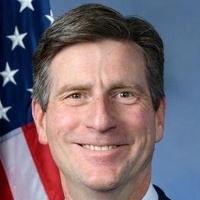
Greg Stanton
Representative
AZ
Greg Stanton
Representative
AZ
The Save BRIC Act aims to reinstate and strengthen proactive disaster mitigation efforts, emphasizing that preparation saves significant taxpayer money compared to recovery costs. Specifically, this bill mandates certain actions within existing disaster relief frameworks that were previously optional. By making these mitigation steps required, the Act seeks to build more resilient infrastructure and protect communities before the next disaster strikes.
This resolution supports designating April 10th as "Dolores Huerta Day" to honor the lifelong accomplishments and legacy of the trailblazing labor and civil rights leader.
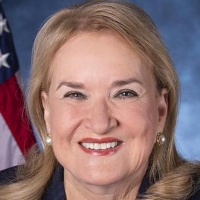
Sylvia Garcia
Representative
TX
Sylvia Garcia
Representative
TX
This resolution supports the designation of April 10th as "Dolores Huerta Day" to honor her legacy as a trailblazing labor and civil rights leader. It recognizes her foundational work co-founding the United Farm Workers and her lifelong fight for economic justice, workers' rights, and equality. The bill formally celebrates her accomplishments without creating new laws or programs.
This bill removes the current restriction preventing direct charitable rollovers from Individual Retirement Accounts (IRAs) to Donor Advised Funds (DAFs).

Adrian Smith
Representative
NE
Adrian Smith
Representative
NE
The IRA Charitable Rollover Facilitation and Enhancement Act of 2025 removes the current restriction preventing individuals from making direct charitable rollovers from their Individual Retirement Accounts (IRAs) to Donor Advised Funds (DAFs). This change immediately allows IRA owners to transfer retirement assets directly to DAFs for charitable purposes. The bill simplifies and enhances charitable giving options for IRA holders.