Legislative Activity
Track Mike's sponsored bills, co-sponsored legislation, and voting record
This Act imposes sweeping, mandatory sanctions, tariffs, and investment prohibitions on the Russian Federation and its affiliates until Russia negotiates a lasting peace with Ukraine.
Brian Fitzpatrick
Representative
PA
Brian Fitzpatrick
Representative
PA
The Sanctioning Russia Act of 2025 imposes sweeping economic penalties on the Russian Federation in response to its aggression against Ukraine. This legislation mandates severe, immediate sanctions against key Russian officials, financial institutions, and energy sector entities, including asset freezes and trade prohibitions. Furthermore, the Act dramatically increases import duties on Russian goods and requires the President to review and reimpose these measures until Russia negotiates a lasting peace with Ukraine.
This Act expands the types of income that publicly traded partnerships can receive from green energy and clean fuel activities to qualify for favorable tax treatment, effective for tax years beginning after December 31, 2025.
Ron Estes
Representative
KS
Ron Estes
Representative
KS
The Financing Our Energy Future Act updates tax code provisions to expand the types of income that publicly traded partnerships (PTPs) can receive while maintaining favorable tax status. This expansion specifically targets income generated from a broad range of clean energy activities, including power generation, energy storage, renewable fuel production, and advanced nuclear power. These changes are designed to incentivize greater investment in the domestic green energy sector. The new rules will take effect for taxable years beginning after December 31, 2025.
This bill designates numerous specific tracts of land across Utah as official Wilderness Areas to preserve their unique ecological, geological, and cultural values while establishing administrative rules for their management.
Melanie Stansbury
Representative
NM
Melanie Stansbury
Representative
NM
The America's Red Rock Wilderness Act focuses on designating numerous specific tracts of land across Utah as official Wilderness Areas, granting them the highest level of federal protection. This legislation aims to preserve the unique ecological, geological, and cultural values of these diverse landscapes from development. It also establishes administrative provisions for managing these new areas, including boundary definitions, water rights, and the continuation of existing uses like livestock grazing. Ultimately, the bill significantly expands protected wilderness in Utah while safeguarding critical natural and historical resources.
This Act restores immediate U.S. funding to UNRWA contingent upon the agency's commitment to increased accountability and transparency reforms following an independent review.
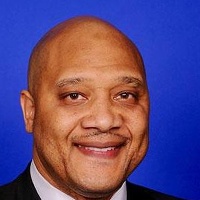
André Carson
Representative
IN
André Carson
Representative
IN
The UNRWA Funding Emergency Restoration Act of 2025 aims to immediately restart U.S. funding for the UN agency assisting Palestinian refugees, which was previously frozen. This bill mandates the cancellation of existing restrictions and requires the Secretary of State to resume aid payments while ensuring accountability based on an independent review. Furthermore, it urges Israel to cooperate with UNRWA investigations to maintain agency neutrality.
This Act establishes a 20% federal tax credit for converting eligible commercial buildings into affordable housing units, subject to state allocation and specific income restrictions.
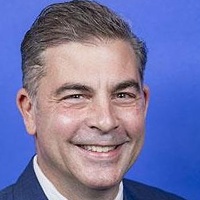
Mike Carey
Representative
OH
Mike Carey
Representative
OH
The Revitalizing Downtowns and Main Streets Act establishes a new 20% federal tax credit for converting eligible, older commercial buildings into affordable housing. This incentive aims to increase housing supply by requiring that at least 20% of the converted units remain rent-restricted for low-income residents for 30 years. State agencies will allocate these credits, which are subject to a national cap of $12 billion, based on approved plans prioritizing financially necessary projects.
This Act raises the minimum age for Federal Firearms Licensees to sell certain semiautomatic rifles and shotguns to 21, with exceptions for qualified individuals aged 18-20, and mandates an FBI report on its public access line operations.
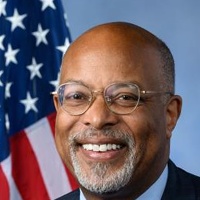
Glenn Ivey
Representative
MD
Glenn Ivey
Representative
MD
The Raise the Age Act of 2025 generally prohibits Federal Firearms Licensees from selling certain semiautomatic centerfire rifles or shotguns capable of holding magazines over five rounds to anyone under 21, with exceptions for qualified military or government personnel. The bill also maintains the existing minimum age of 18 for general firearm purchases, excluding the newly restricted categories. Finally, it mandates that the FBI Director report on the operational procedures of its public access line within 90 days of enactment.
This bill seeks to restore public faith in elections by imposing contribution limits on Super PACs to curb the influence of large donors and reduce the appearance of corruption.
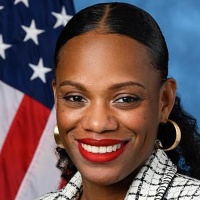
Summer Lee
Representative
PA
Summer Lee
Representative
PA
The Abolish Super PACs Act seeks to curb the influence of large, unlimited political donations by imposing new contribution limits on independent expenditure committees (Super PACs). Congress finds that uncapped spending has led to the appearance of corruption and damaged public trust in elections. This legislation aims to reduce the potential for corrupt deals and restore faith in the fairness of federal campaigns.
This bill expands Medicare coverage under Part B to pay qualified home infusion suppliers for augmentation therapy kits and nursing services for Medicare beneficiaries with Alpha-1 Antitrypsin Deficiency Disorder who require emphysema treatment in their homes.

Maria Salazar
Representative
FL
Maria Salazar
Representative
FL
The John W. Walsh Alpha-1 Home Infusion Act of 2025 amends Medicare to specifically cover augmentation therapy for individuals with severe Alpha-1 Antitrypsin Deficiency Disorder when administered in the home. This legislation establishes new payment rules under Medicare Part B for the necessary intravenous kits and associated nursing services. The goal is to ensure qualified home infusion suppliers are reimbursed directly for providing this essential, ongoing maintenance treatment.
This Act ensures the Office of Special Education Programs remains within the Department of Education and prohibits any reorganization, relocation, or outsourcing of its functions related to the Individuals with Disabilities Education Act.
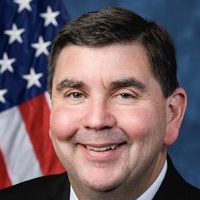
John Mannion
Representative
NY
John Mannion
Representative
NY
The Protecting Students with Disabilities Act reaffirms that the Office of Special Education Programs (OSEP) must remain within the Department of Education as mandated by existing law. This legislation explicitly prohibits the executive branch from eliminating, reorganizing, or moving IDEA program offices or staff. Furthermore, it prevents the delegation of IDEA program management or enforcement duties to any entity outside the Department of Education.
The Paycheck Fairness Act strengthens equal pay enforcement by tightening defenses against pay discrimination, expanding protections against retaliation, increasing penalties for violations, and requiring comprehensive data collection and training initiatives.

Rosa DeLauro
Representative
CT
Rosa DeLauro
Representative
CT
The Paycheck Fairness Act significantly strengthens federal equal pay protections by broadening definitions of sex discrimination, tightening employer defenses against pay disparities, and increasing penalties for violations. It also prohibits employers from using salary history in hiring decisions and mandates new data collection by the EEOC to better enforce anti-discrimination laws. Furthermore, the bill establishes new training and outreach programs to combat systemic wage bias.
This bill officially ratifies the Equal Rights Amendment, validating its inclusion in the Constitution regardless of any prior ratification deadlines.
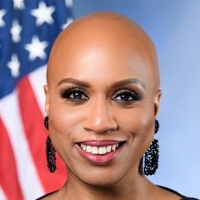
Ayanna Pressley
Representative
MA
Ayanna Pressley
Representative
MA
This bill officially ratifies the Equal Rights Amendment, declaring it a valid part of the U.S. Constitution. It specifically removes any previously imposed deadlines for state ratification. If three-fourths of the states have approved the amendment, this law confirms its official status regardless of past time constraints.
The Puppy Protection Act of 2025 establishes stricter housing, daily care, veterinary, and breeding standards for dog dealers under the Animal Welfare Act.
Brian Fitzpatrick
Representative
PA
Brian Fitzpatrick
Representative
PA
The Puppy Protection Act of 2025 significantly increases humane treatment standards for dog dealers under the Animal Welfare Act. This legislation mandates specific minimum space requirements, daily exercise access, and mandatory socialization for housed dogs. Furthermore, it establishes strict limits on female dog breeding frequency and age, alongside enhanced veterinary care protocols.
This bill extends the Medicare ground ambulance payment pilot program through 2028 to ensure continued patient access to these essential medical services.
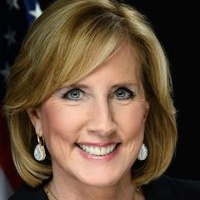
Claudia Tenney
Representative
NY
Claudia Tenney
Representative
NY
The Protecting Access to Ground Ambulance Medical Services Act of 2025 extends the current Medicare payment structure for ground ambulance services. This change ensures continuity in how these vital services are reimbursed under existing rules. Specifically, the temporary payment pilot program is extended through 2028, preventing an immediate change in payment policy.
This bill restores protections to prevent private health insurance plans from discriminating against dialysis patients with End-Stage Renal Disease (ESRD) or shifting their treatment costs unfairly onto Medicare.
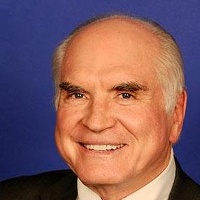
Mike Kelly
Representative
PA
Mike Kelly
Representative
PA
The Restore Protections for Dialysis Patients Act aims to prevent private health insurance plans from discriminating against patients with End-Stage Renal Disease (ESRD). This legislation clarifies that plans cannot offer worse benefits or unfairly limit coverage for dialysis treatments compared to other medical services. Furthermore, it stops these plans from shifting the primary financial responsibility for ESRD care onto Medicare. The bill maintains existing rules ensuring fair treatment while preserving a health plan's ability to select its network of dialysis providers.
This act permanently establishes a 7-year recovery period for the depreciation of motorsports entertainment complexes for tax purposes.
Claudia Tenney
Representative
NY
Claudia Tenney
Representative
NY
The Motorsports Fairness and Permanency Act of 2025 makes permanent a significant tax benefit for motorsports entertainment complexes. This legislation ensures these large venues can continue to use an accelerated 7-year recovery period for depreciating their building costs. By removing the previous expiration date, the Act provides long-term financial certainty for the industry.
The Air America Act of 2025 authorizes one-time monetary awards to former Air America employees or their survivors for service supporting the CIA between 1950 and 1976.
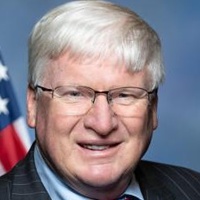
Glenn Grothman
Representative
WI
Glenn Grothman
Representative
WI
The Air America Act of 2025 recognizes the sacrifices of former Air America employees who served the U.S. Government between 1950 and 1976. This Act authorizes a one-time monetary award, up to $40,000 plus potential additional amounts, for qualifying service members or their survivors. The CIA Director is responsible for administering these payments, which are capped at a total of $60 million, and establishing the application procedures. Decisions made by the Director regarding these awards are final and not subject to judicial review.
This act exempts individuals and businesses deriving at least 75% of their adjusted gross income from farming, ranching, or forestry from certain payment limitations for specified agricultural disaster programs.
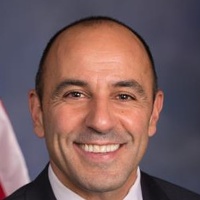
Jimmy Panetta
Representative
CA
Jimmy Panetta
Representative
CA
The Fair Access to Agriculture Disaster Programs Act creates an exception to income limits for certain federal agriculture disaster payments. This exception applies to individuals or businesses where at least 75% of their average adjusted gross income is derived from farming, ranching, or forestry. Consequently, these deeply involved agricultural producers will not be subject to standard payment caps on specific disaster assistance programs.
The Major Richard Star Act ensures that military retirees with combat-related disabilities can concurrently receive their full military retirement pay and VA disability compensation without reduction.

Gus Bilirakis
Representative
FL
Gus Bilirakis
Representative
FL
The Major Richard Star Act ensures that military retirees with combat-related disabilities can receive both their military retirement pay and VA disability compensation concurrently without reduction. This law removes previous restrictions that caused military retirement pay to be offset by VA disability payments for these specific cases. The changes take effect on the first day of the month following the Act's enactment.
Demands the President and Treasury Secretary to release documents regarding the Department of Government Efficiency's access to Treasury payment systems and taxpayer data.

Lloyd Doggett
Representative
TX
Lloyd Doggett
Representative
TX
This resolution requests the President and Secretary of the Treasury to submit documents to the House of Representatives regarding the Department of Government Efficiency's (DOGE) access to Treasury payment systems and taxpayer information. The request includes communications and documents related to DOGE, Elon Musk, or his team's access to these systems, as well as any screenshots of Treasury payment systems data. The information must be provided within 14 days of the resolution's adoption.
Demands the President to provide information to the House regarding the Social Security Administration's operations post-January 20, 2025, including details on the Department of Government Efficiency's access and compliance with specific executive orders.
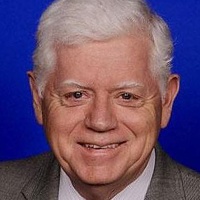
John Larson
Representative
CT
John Larson
Representative
CT
This resolution requests the President to provide the House of Representatives with information regarding the Social Security Administration's operations after January 20, 2025. The request includes details on the Department of Government Efficiency's access to the Social Security Administration, compliance with specific Executive Orders, call and visitor statistics, office closures, and staff reductions. The President is required to furnish the requested documents and information within 14 days of the resolution's adoption.