Legislative Activity
Track Tommy's sponsored bills, co-sponsored legislation, and voting record
This Act establishes emergency financial assistance and loans for private forest owners and timber businesses to combat pine beetle outbreaks and provides supplemental grants to government entities for response efforts.

Cindy Hyde-Smith
Senator
MS
Cindy Hyde-Smith
Senator
MS
The Emergency Pine Beetle Response Act of 2025 establishes emergency financial assistance for private forest owners and timber service businesses impacted by pine beetle outbreaks. This aid includes cost-share payments to cover restoration efforts and new emergency loan options specifically for nonindustrial private forest landowners. The bill also provides supplemental grants to state, Tribal, and local governments to aid in their response and recovery from these infestations.
This joint resolution honors the thirteen U.S. service members who made the ultimate sacrifice in the August 26, 2021, bombing at Abbey Gate during the withdrawal from Afghanistan and designates a National Day of Remembrance.
Markwayne Mullin
Senator
OK
Markwayne Mullin
Senator
OK
This joint resolution formally honors the thirteen U.S. service members who were killed in the August 26, 2021, bombing at Abbey Gate during the withdrawal from Afghanistan. It recognizes their ultimate sacrifice in service to the nation and expresses deep gratitude to their families. The resolution also designates a National Day of Remembrance to ensure their faithful service is never forgotten.
The American Tech Workforce Act of 2025 terminates the OPT program, raises the minimum H-1B salary to $150,000 initially, and prioritizes higher-paying applications to protect American jobs.
Jim Banks
Senator
IN
Jim Banks
Senator
IN
The American Tech Workforce Act of 2025 aims to reform the H-1B visa program by raising the minimum required salary to $150,000 (adjusted for inflation) and imposing stricter rules on third-party worksites. This legislation also terminates the Optional Practical Training (OPT) program, immediately ending work authorization for F-1 students upon course completion. The overall goal is to prioritize higher-paying jobs and discourage the use of foreign labor to replace American workers.
This resolution expresses support for designating November 16, 2025, as "National Warrior Call Day" to encourage vital peer-to-peer connection and support for members of the Armed Forces and veterans.

Jeanne Shaheen
Senator
NH
Jeanne Shaheen
Senator
NH
This resolution expresses support for designating November 16, 2025, as "National Warrior Call Day" to combat isolation and suicide among service members and veterans. It encourages all Americans to reach out and connect with those who have served to strengthen vital support structures. The day aims to foster peer-to-peer connection as a critical step in addressing the mental health challenges faced by our military community.
This resolution designates September 2025 as National Literacy Month to raise awareness about the importance of reading and promote evidence-based literacy initiatives nationwide.
John Reed
Senator
RI
John Reed
Senator
RI
This resolution officially designates September 2025 as National Literacy Month to raise awareness about the critical importance of reading skills. It highlights the significant national challenges in literacy rates and the economic costs associated with low literacy. The measure calls upon all sectors of society to observe the month by promoting evidence-based reading programs and activities.
This resolution condemns the assassination of Charlie Kirk while honoring his life, legacy, and commitment to civil discourse on college campuses.
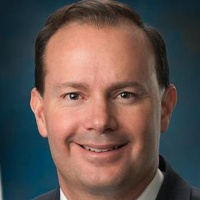
Mike Lee
Senator
UT
Mike Lee
Senator
UT
This resolution formally condemns the assassination of Charlie Kirk and honors his life and legacy as a devoted husband, father, and founder of Turning Point USA. It recognizes his commitment to encouraging civil discourse on college campuses across the nation. The Senate also extends its deepest sympathies to his surviving family.
The FAIR Act of 2025 mandates that hospitals publicly report data on the acceptance rates of allopathic and osteopathic medical school graduates in their residency programs and requires them to accept either USMLE or COMLEX scores.
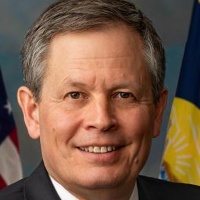
Steve Daines
Senator
MT
Steve Daines
Senator
MT
The Fair Access In Residency (FAIR) Act of 2025 aims to ensure equitable treatment of osteopathic (DO) and allopathic (MD) medical school graduates during residency applications. Hospitals must report detailed data on DO and MD applicant numbers and acceptances to avoid a 2% cut in Medicare payments. Furthermore, programs must affirm fair consideration and accept either COMLEX or USMLE exam scores if an exam is required. This collected data will be made publicly available by the Secretary of Health and Human Services.
This Act establishes a system of automatic, 14-day continuing appropriations to prevent government shutdowns while imposing travel and procedural restrictions on Congress and federal employees during funding lapses.

James Lankford
Senator
OK
James Lankford
Senator
OK
The Prevent Government Shutdowns Act of 2025 establishes an automatic, 14-day continuing funding mechanism to keep federal programs operational if Congress fails to pass a full budget by the start of the fiscal year. This automatic funding continues in two-week increments until a final budget is enacted, while simultaneously imposing strict travel and procedural limitations on Congress and federal employees during these lapses. The Act is designed to prevent government shutdowns by ensuring continuity of essential services while incentivizing timely budget passage.
This bill mandates that schools receiving federal funding must obtain parental consent before affirming a minor's gender transition and prohibits staff from concealing such information from parents.
Jim Banks
Senator
IN
Jim Banks
Senator
IN
The Empower Parents to Protect their Kids Act of 2025 aims to ensure that schools receiving federal funding cannot affirm a student's gender identity that differs from their biological sex without explicit parental consent. This bill mandates that school employees must not conceal information from parents regarding a student's gender transition discussions or social changes. Any school violating these requirements faces civil lawsuits from affected parents or the Attorney General, with the potential for financial penalties and court-ordered relief.
This bill mandates that the Department of Education update the College Scorecard annually to include median earnings, specific loan debt levels, and repayment/default rates for individual higher education programs and institutions.
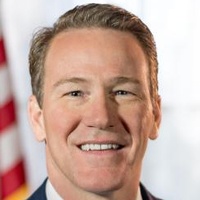
Jon Husted
Senator
OH
Jon Husted
Senator
OH
The Debt, Earnings, and Cost Information Disclosure for Education Act, or DECIDE Act, aims to increase transparency for student loan borrowers. This bill mandates that the Secretary of Education update the College Scorecard annually with crucial data for every federal aid-eligible program. This new information will include median earnings ten years out, median student loan debt levels, and repayment/default rates for program completers. The goal is to provide prospective students with clearer accountability metrics before they enroll.
The CLEAN DC Act completely repeals the Comprehensive Policing and Justice Reform Amendment Act of 2022, restoring previous laws.
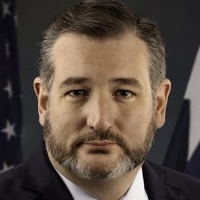
Ted Cruz
Senator
TX
Ted Cruz
Senator
TX
The CLEAN DC Act, officially the Common-Sense Law Enforcement and Accountability Now in DC Act, seeks to completely repeal the Comprehensive Policing and Justice Reform Amendment Act of 2022. This action effectively nullifies all changes made by the 2022 Act, restoring the previous legal standards regarding policing and justice in DC.
This bill establishes a Veterans Experience Office within the VA, mandates quarterly budget briefings for Congress, and places new restrictions on executive bonuses.
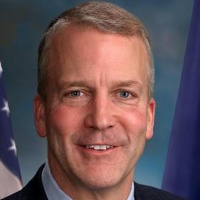
Dan Sullivan
Senator
AK
Dan Sullivan
Senator
AK
The Protecting Regular Order for Veterans Act of 2025 mandates quarterly budget briefings for Congress by the VA Secretary and places new restrictions on critical skills bonuses for senior executives. Additionally, the bill establishes a new Veterans Experience Office, reporting directly to the Secretary, tasked with improving beneficiary satisfaction and reporting on customer feedback data to Congress. This new office will sunset on September 30, 2028, following a review by the Comptroller General.
This resolution solemnly marks the anniversary of the attempted assassination of President Trump, condemns political violence, and honors the victims and first responders involved.
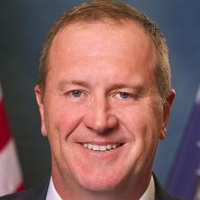
Eric Schmitt
Senator
MO
Eric Schmitt
Senator
MO
This resolution solemnly marks the one-year anniversary of the attempted assassination of former President Donald J. Trump. It condemns the multiple attempts against his life and other political officials, while honoring the victims and first responders involved in the July 2024 shooting. The measure further calls for an end to the incitement of political violence that threatens the democratic process.
This bill prohibits non-citizens from voting in District of Columbia elections and repeals the Local Resident Voting Rights Amendment Act of 2022.

Katie Britt
Senator
AL
Katie Britt
Senator
AL
This bill prohibits non-U.S. citizens from voting in any election within the District of Columbia. It also repeals the Local Resident Voting Rights Amendment Act of 2022, effectively undoing that prior legislation. The measure ensures that only citizens can participate in D.C. local elections and ballot initiatives.
This resolution designates August 16, 2025, as "National Airborne Day" to honor the history and bravery of U.S. airborne forces and special operations warriors.
John Reed
Senator
RI
John Reed
Senator
RI
This resolution designates August 16, 2025, as "National Airborne Day" to honor the history and bravery of U.S. airborne forces. It specifically recognizes the service of combat parachutists, air assault forces, and special operations warriors across all conflicts. The day serves as an expression of national gratitude for the thousands who have served in these elite units.
The Equal Shot Act of 2025 prohibits the Small Business Administration from denying financial assistance to qualified firearm entities, affiliates, or trade associations solely based on their connection to the firearms industry.

James Risch
Senator
ID
James Risch
Senator
ID
The Equal Shot Act of 2025 aims to prevent discrimination against businesses within the firearms industry when applying for financial assistance from the Small Business Administration (SBA). This legislation explicitly prohibits the SBA from denying loans or guarantees solely based on an applicant's status as a firearm entity, affiliate, or trade association. The Act first establishes clear definitions for these industry participants to ensure fair and equal consideration for all qualified applicants.
The Veterans ACCESS Act of 2025 strengthens the Veterans Community Care Program and overhauls mental health services to ensure veterans receive timely, accessible, and high-quality care through improved standards, expanded provider options, and increased VA accountability.

Jerry Moran
Senator
KS
Jerry Moran
Senator
KS
The Veterans’ ACCESS Act of 2025 aims to improve healthcare delivery by establishing clear, enforceable wait-time standards for both VA and community care. The legislation mandates faster access to mental health and substance abuse treatment, introduces a streamlined appeals process, and requires new digital tools to help veterans manage their care. By increasing transparency and accountability, the bill seeks to reduce administrative barriers and ensure veterans receive timely, high-quality support.
This resolution urges all NATO members to commit a minimum of 5% of their GDP to defense, clarifying spending goals and reaffirming support for the Alliance.

John Kennedy
Senator
LA
John Kennedy
Senator
LA
This resolution urges all NATO members to commit to spending a minimum of 5% of their Gross Domestic Product (GDP) on defense, clarifying the breakdown between traditional and non-traditional defense expenditures. It emphasizes that failing to meet current spending goals reflects a lack of political will rather than financial inability. Ultimately, the resolution reaffirms the U.S. Senate's strong support for a unified and robust NATO alliance.
This resolution honors the economic and cultural contributions of small firearm manufacturers and designates August 2025 as "National Shooting Sports Month."
James Risch
Senator
ID
James Risch
Senator
ID
This resolution formally honors the significant economic and cultural contributions of small, domestic firearm manufacturers to the United States. It recognizes these businesses as vital to supporting American manufacturing, job creation, and the traditions of recreational shooting sports. Furthermore, the resolution designates August 2025 as "National Shooting Sports Month."
This bill mandates new data collection and analysis to update Medicare payment rates for air ambulance services and requires a GAO study on the true costs of these emergency transports.

Michael Bennet
Senator
CO
Michael Bennet
Senator
CO
The Protecting Air Ambulance Services for Americans Act of 2025 aims to reform how Medicare pays for emergency air ambulance services. It requires the Secretary of HHS to update the payment system using newly collected cost and usage data from providers. Furthermore, the bill mandates the timely finalization of data collection rules and directs the GAO to study the true costs of these essential emergency transports.