Legislative Activity
Track Bennie's sponsored bills, co-sponsored legislation, and voting record
The RAISE Act of 2025 introduces a refundable tax credit for eligible teachers and early childhood educators, increases the tax deduction for educator expenses, and provides mandatory funding to support local educational agencies that maintain or increase teacher salaries.
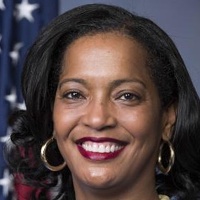
Jahana Hayes
Representative
CT
Jahana Hayes
Representative
CT
The RAISE Act of 2025 introduces a refundable tax credit for eligible teachers, offering $1,000 plus additional amounts for teachers in qualifying schools with high student poverty levels. It also increases the tax deduction for educators' expenses to $500 and expands eligibility to include early childhood educators. Additionally, the Act amends the Elementary and Secondary Education Act to provide mandatory funding to support local educational agencies that maintain or increase teacher salaries, with a portion reserved for teacher salary incentive grants. These grants can be used for various programs aimed at strengthening the teaching profession and improving educator skills.
The HEIR Act of 2025 eases property ownership documentation for disaster relief applicants with heir properties through standardized affidavits and alternative verification methods.

Lizzie Fletcher
Representative
TX
Lizzie Fletcher
Representative
TX
The HEIR Act of 2025 amends regulations for Community Development Block Grant Disaster Recovery (CDBG-DR) and Mitigation (CDBG-MIT) programs to assist homeowners with heir properties or non-traditional documentation in proving property ownership after Presidentially declared disasters. It allows for the use of standardized affidavits and other forms of documentation to establish ownership. The Department of Housing and Urban Development is required to develop a standardized affidavit of ownership form for grantees to use.
This bill would allow nurse practitioners and physician assistants to complete Medicare paperwork for covering certain shoes for people with diabetes.
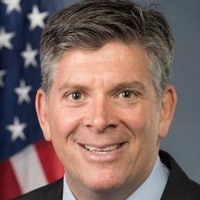
Darin LaHood
Representative
IL
Darin LaHood
Representative
IL
The "Promoting Access to Diabetic Shoes Act" allows nurse practitioners and physician assistants to complete Medicare paperwork for covering therapeutic shoes for people with diabetes, increasing access to this benefit.
The CROWN Act of 2025 prohibits discrimination based on hair texture and hairstyle in federally funded programs, housing, public accommodations, and employment.
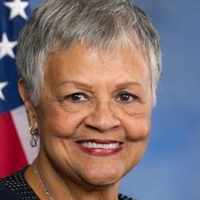
Bonnie Watson Coleman
Representative
NJ
Bonnie Watson Coleman
Representative
NJ
The CROWN Act of 2025 prohibits discrimination based on hair texture and hairstyle if that style is commonly associated with a particular race or national origin. This protection extends to federally funded programs, housing, public accommodations, and employment. The act aims to ensure equal opportunity and prevent discrimination based on hair, addressing historical biases and stereotypes. It clarifies that existing civil rights laws should be interpreted to include protection against hair-based discrimination.
Ethan's Law establishes federal penalties for improperly storing firearms where minors or prohibited persons can access them and creates grant programs to incentivize states to adopt matching safe storage laws.
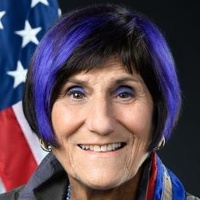
Rosa DeLauro
Representative
CT
Rosa DeLauro
Representative
CT
Ethan's Law establishes federal requirements for the secure storage of firearms to prevent unauthorized access by minors and prohibited persons, making improper storage a civil violation with escalating penalties if injury or death results. The bill also creates a federal grant program to incentivize states and Tribes to adopt matching safe storage laws. Furthermore, Congress declares that failing to comply with these storage requirements constitutes negligence and may be considered the direct cause of resulting firearm injuries.
The Federal Retirement Fairness Act allows temporary employees' service after 1988 to count toward retirement benefits under the Federal Employees Retirement System.

Gerald Connolly
Representative
VA
Gerald Connolly
Representative
VA
The Federal Retirement Fairness Act amends title 5 of the United States Code, allowing civilian service in a temporary position after December 31, 1988, to be creditable under the Federal Employees Retirement System. This change applies to current employees and Members of the United States Postal Service, and requires the Office of Personnel Management to notify eligible individuals and issue implementing regulations.
This resolution designates February 24–28, 2025, as "Public Schools Week" to celebrate the vital role of public education and advocate for the continued support and funding of our nation's schools.
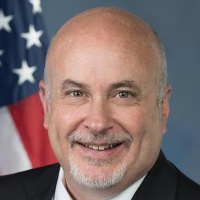
Mark Pocan
Representative
WI
Mark Pocan
Representative
WI
This resolution designates February 24–28, 2025, as "Public Schools Week" to celebrate the vital role public education plays in preparing students for the future. It reaffirms the commitment to providing every child with a high-quality, inclusive, and well-funded learning environment. Additionally, the bill calls on lawmakers to prioritize equitable resources and support services to ensure student success.
The "New Era of Preventing End-Stage Kidney Disease Act" aims to improve research, early intervention, and treatment for rare kidney diseases through centers of excellence, studies, and provider education initiatives.

Gus Bilirakis
Representative
FL
Gus Bilirakis
Representative
FL
The "New Era of Preventing End-Stage Kidney Disease Act" aims to improve the prevention, diagnosis, and treatment of rare kidney diseases through research, education, and increased public awareness. It establishes Centers of Excellence for Rare Kidney Disease Research, directs studies on testing and treatment approaches, and promotes provider education in nephrology. The Act prioritizes addressing disparities in affected populations and seeks to delay or eliminate the need for dialysis and transplant. It authorizes appropriations for these activities from 2026 through 2030.
The Mississippi River Basin Fishery Commission Act of 2025 establishes a commission to improve the management and sustainability of fishery resources in the Mississippi River Basin through collaboration, research, and grant programs.
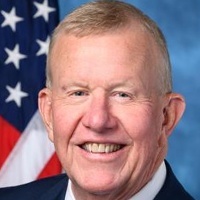
Mike Ezell
Representative
MS
Mike Ezell
Representative
MS
The Mississippi River Basin Fishery Commission Act of 2025 establishes a commission to improve the management and sustainability of fishery resources in the Mississippi River Basin by fostering collaboration among states, federal agencies, and tribes. The commission will develop and implement fishery management plans, address aquatic invasive species, and administer a grant program to support interjurisdictional fishery projects. This act authorizes appropriations for the commission's establishment, management duties, grant program, and housing within the Department of the Interior. The commission will submit annual reports to Congress detailing its activities and progress.
The bill modifies and extends funding for the World Trade Center Health Program, expands the types of healthcare providers who can certify mental health conditions, and requires a report to Congress on the program's budget.
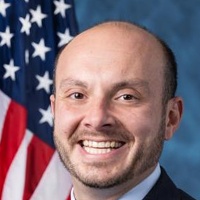
Andrew Garbarino
Representative
NY
Andrew Garbarino
Representative
NY
The 9/11 Responder and Survivor Health Funding Correction Act of 2025 amends the Public Health Service Act to improve the World Trade Center (WTC) Health Program by expanding the types of healthcare providers who can conduct mental health evaluations, modifying provider credentialing, clarifying enrollment calculations, and extending the time frame for adding health conditions for WTC responders. The act adjusts the funding formula for fiscal years 2026 through 2090 and requires the Secretary of Health and Human Services to report to Congress on the program's budget, including projected needs through 2090 and recommendations for changes to the funding formula. It also stipulates that remaining funds in the Supplemental Fund, Special Fund, and Pentagon-Shanksville Fund will revert to the Treasury.
This bill establishes an Office of Gun Violence Prevention within the Department of Justice to coordinate gun violence prevention efforts, evaluate related programs and policies, recommend evidence-based strategies, and assist communities affected by gun violence.
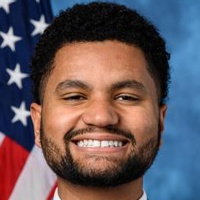
Maxwell Frost
Representative
FL
Maxwell Frost
Representative
FL
The "Office of Gun Violence Prevention Act of 2025" establishes an Office of Gun Violence Prevention within the Department of Justice, led by a Director appointed by the Attorney General, to coordinate gun violence prevention efforts, evaluate related laws and programs, and recommend evidence-based policies to Congress and the President. The Director will also convene an advisory council comprising various officials and at least 12 additional individuals representing gun violence survivors, community violence intervention service providers, and other relevant groups. The Office will also assist communities affected by gun violence with crisis response activities, such as providing access to mental health services and suicide prevention resources. Finally, the act authorizes the appropriation of necessary funds to carry out the provisions of the bill.
The "PSA Screening for HIM Act" ensures that high-risk men, including African-American men and those with a family history of prostate cancer, have access to prostate cancer screenings without cost-sharing under group health plans and insurance coverage.
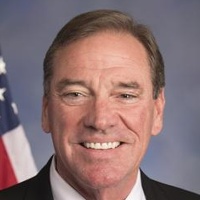
Neal Dunn
Representative
FL
Neal Dunn
Representative
FL
The "PSA Screening for HIM Act" aims to improve early detection of prostate cancer by requiring group health plans and health insurance issuers to cover prostate cancer screenings without cost-sharing for high-risk men aged 40 and over, including African-American men and those with a family history of the disease. This coverage mandate ensures that high-risk individuals have access to potentially life-saving screenings, aligning with the goal of reducing prostate cancer-related deaths and improving treatment outcomes. The Act defines "men with a family history of prostate cancer" as those with a first-degree relative with prostate cancer, associated cancers, or genetic alterations linked to increased risk. This provision is set to take effect for plan years starting on or after January 1, 2026.
The I CAN Act removes practice and billing barriers for Nurse Practitioners, CRNAs, and CNMs across Medicare and Medicaid while increasing transparency in federal health program coverage decisions.
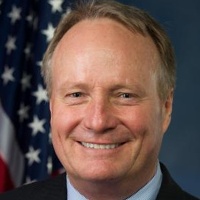
David Joyce
Representative
OH
David Joyce
Representative
OH
The "I CAN Act" is comprehensive legislation designed to remove existing practice and billing barriers for various Advanced Practice Registered Nurses (APRNs)—including Nurse Practitioners, CRNAs, and CNMs—within Medicare and Medicaid. It aims to expand patient access to care by allowing these qualified professionals to supervise, order, and bill for services to the full extent of their state-defined scope of practice. Furthermore, the bill enhances transparency and accountability for Medicare's local coverage decisions affecting APRN services. Overall, this act seeks to integrate APRNs more fully into federal healthcare programs, improving efficiency and service delivery.
The "Ending DOGE Conflicts Act" mandates financial disclosures for special government employees who own or lead companies contracting with the federal government, ensuring transparency and preventing conflicts of interest.
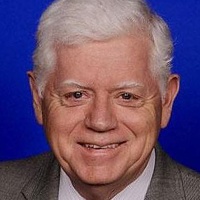
John Larson
Representative
CT
John Larson
Representative
CT
The "Ending DOGE Conflicts Act" mandates that special government employees with financial ties to companies contracting with the federal government must adhere to strict financial disclosure requirements. It requires the Director of the Office of Government Ethics to certify these employees' financial reports and prohibits them from performing official duties until compliance is confirmed.
This resolution expresses Congressional opposition to imposing new performance fees or royalties on local radio stations and businesses for broadcasting or playing music.
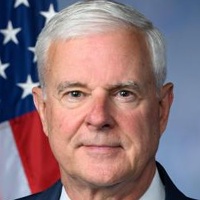
Steve Womack
Representative
AR
Steve Womack
Representative
AR
The Local Radio Freedom Act expresses Congressional opposition to imposing new performance fees, taxes, or royalties on local radio stations and businesses for playing music. It argues that the current system of free airplay provides essential promotional value to artists and that new fees would threaten the financial viability of local broadcasters and the vital community services they provide.
The "Black History Matters Act" directs the National Museum of African American History and Culture to study and report on the state of Black history education in public schools.
Bonnie Watson Coleman
Representative
NJ
Bonnie Watson Coleman
Representative
NJ
The Black History Matters Act directs the Director of the National Museum of African American History and Culture to study Black history education in public schools. The study will identify which states require Black history education, assess the quality of education, instructional materials, and analyze how schools assess students' knowledge. A report will then be submitted to Congress detailing the findings of the study.
The "Tipped Income Protection and Support Act" eliminates the lower minimum wage for tipped employees, ensuring they receive the standard minimum wage while retaining all tips, and introduces a tax deduction for reported cash tips for eligible employees.
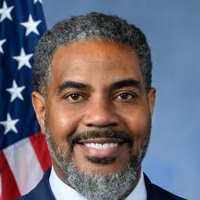
Steven Horsford
Representative
NV
Steven Horsford
Representative
NV
The Tipped Income Protection and Support (TIPS) Act eliminates the subminimum wage for tipped employees, requiring employers to pay the standard minimum wage before tips. It ensures that all tips go to the employees, allowing for traditional tip pooling. The bill also introduces a tax deduction for qualified cash tips for employees earning up to $112,500 annually, effective for taxable years after 2025.
The "All Access Act of 2025" grants Members of Congress access to any public building during regular hours with their official ID and requires advance notice for access outside of those hours.
Jahana Hayes
Representative
CT
Jahana Hayes
Representative
CT
The "All Access Act of 2025" ensures Members of Congress can access any public building during regular hours by showing their official ID. Access outside of normal business hours requires a 12-hour advance notice to the building head. This act defines "Member of Congress" as a Representative or Senator.
This bill provides additional funding for scholarships to students at 1890 institutions, including both bachelor's and graduate programs, with mandatory funding starting in 2025.
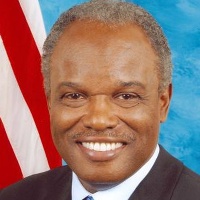
David Scott
Representative
GA
David Scott
Representative
GA
This bill amends the National Agricultural Research, Extension, and Teaching Policy Act of 1977 to expand scholarship opportunities at 1890 institutions to both bachelor's and graduate students. It provides mandatory funding of $15 million per fiscal year, starting in 2025, through the Commodity Credit Corporation, and makes discretionary funding available from fiscal year 2020 onward. The scholarships will be available each academic year that funding is available.
The Honoring Our Fallen Heroes Act of 2025 expands public safety officer benefits to include disability and death coverage for certain cancers presumed to be caused by on-duty exposure to carcinogens, and clarifies "line of duty" definitions for first responder benefits.
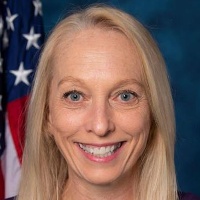
Mary Scanlon
Representative
PA
Mary Scanlon
Representative
PA
The Honoring Our Fallen Heroes Act of 2025 expands public safety officer benefits to include deaths and disabilities caused by exposure-related cancers, presuming that certain cancers diagnosed within 15 years of service are line-of-duty injuries if the officer served for at least 5 years. It defines "exposure-related cancer" and allows for updates to the list based on medical evidence, while also permitting individuals to petition for additions. The Act also clarifies "line of duty action" and applies retroactively to claims dating back to January 1, 2020, with a three-year window for filing claims based on these amendments.