Legislative Activity
Track Lateefah's sponsored bills, co-sponsored legislation, and voting record
This resolution demands the President transmit all documents related to the security clearances of Elon Musk and members of the DOGE team to the House of Representatives within 14 days.
Robert Garcia
Representative
CA
Robert Garcia
Representative
CA
This resolution of inquiry formally requests the President to transmit all documents in his possession related to the security clearances, vetting, and background checks for Elon Musk and several named members of the United States Department of Government Efficiency Service (DOGE). The House demands these unredacted records within 14 days of the resolution's adoption. This action seeks transparency regarding the clearance process for these specific individuals associated with the DOGE team.
This Act restores immediate U.S. funding to UNRWA contingent upon the agency's commitment to increased accountability and transparency reforms following an independent review.

André Carson
Representative
IN
André Carson
Representative
IN
The UNRWA Funding Emergency Restoration Act of 2025 aims to immediately restart U.S. funding for the UN agency assisting Palestinian refugees, which was previously frozen. This bill mandates the cancellation of existing restrictions and requires the Secretary of State to resume aid payments while ensuring accountability based on an independent review. Furthermore, it urges Israel to cooperate with UNRWA investigations to maintain agency neutrality.
This act establishes a statewide community eligibility option for schools to receive federal funding for free meals, provided the state covers any funding gaps.
Pete Aguilar
Representative
CA
Pete Aguilar
Representative
CA
The No Hungry Kids in Schools Act establishes a new statewide community eligibility option for schools starting July 1, 2025. This option allows states to ensure all schools receive full federal reimbursement for 100% of meals served by covering any funding gaps with non-federal money. By opting in, states can eliminate the minimum participation threshold and calculate eligibility based on the entire statewide student population.
This Act removes existing restrictions and clarifies eligibility requirements for striking workers seeking Supplemental Nutrition Assistance Program (SNAP) benefits.
Alma Adams
Representative
NC
Alma Adams
Representative
NC
The Food Secure Strikers Act of 2025 aims to clarify and simplify eligibility rules for striking workers seeking Supplemental Nutrition Assistance Program (SNAP) benefits. This legislation removes outdated restrictions and clarifies the precise conditions under which participation in a labor strike affects a worker's SNAP eligibility. The goal is to streamline the existing law regarding striker access to food assistance.
This Act raises the minimum age for Federal Firearms Licensees to sell certain semiautomatic rifles and shotguns to 21, with exceptions for qualified individuals aged 18-20, and mandates an FBI report on its public access line operations.
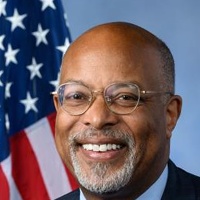
Glenn Ivey
Representative
MD
Glenn Ivey
Representative
MD
The Raise the Age Act of 2025 generally prohibits Federal Firearms Licensees from selling certain semiautomatic centerfire rifles or shotguns capable of holding magazines over five rounds to anyone under 21, with exceptions for qualified military or government personnel. The bill also maintains the existing minimum age of 18 for general firearm purchases, excluding the newly restricted categories. Finally, it mandates that the FBI Director report on the operational procedures of its public access line within 90 days of enactment.
This Act ensures the Office of Special Education Programs remains within the Department of Education and prohibits any reorganization, relocation, or outsourcing of its functions related to the Individuals with Disabilities Education Act.
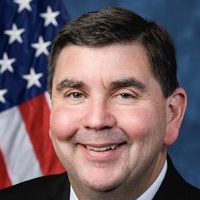
John Mannion
Representative
NY
John Mannion
Representative
NY
The Protecting Students with Disabilities Act reaffirms that the Office of Special Education Programs (OSEP) must remain within the Department of Education as mandated by existing law. This legislation explicitly prohibits the executive branch from eliminating, reorganizing, or moving IDEA program offices or staff. Furthermore, it prevents the delegation of IDEA program management or enforcement duties to any entity outside the Department of Education.
This resolution formally recognizes the persistent gender wage gap and reaffirms Congress's commitment to achieving pay equity.
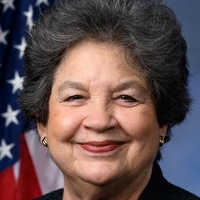
Lois Frankel
Representative
FL
Lois Frankel
Representative
FL
This resolution formally recognizes the significant and persistent wage gap between men and women in the United States, highlighting statistics that show women earn substantially less. It serves as a strong public statement reaffirming Congress's commitment to achieving pay equity. The measure does not enact new laws but emphasizes the economic harm caused by unequal pay for women and their families.
The Paycheck Fairness Act strengthens equal pay enforcement by tightening defenses against pay discrimination, expanding protections against retaliation, increasing penalties for violations, and requiring comprehensive data collection and training initiatives.

Rosa DeLauro
Representative
CT
Rosa DeLauro
Representative
CT
The Paycheck Fairness Act significantly strengthens federal equal pay protections by broadening definitions of sex discrimination, tightening employer defenses against pay disparities, and increasing penalties for violations. It also prohibits employers from using salary history in hiring decisions and mandates new data collection by the EEOC to better enforce anti-discrimination laws. Furthermore, the bill establishes new training and outreach programs to combat systemic wage bias.
This bill officially ratifies the Equal Rights Amendment, validating its inclusion in the Constitution regardless of any prior ratification deadlines.
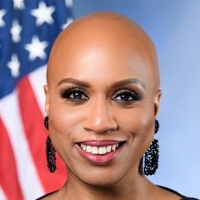
Ayanna Pressley
Representative
MA
Ayanna Pressley
Representative
MA
This bill officially ratifies the Equal Rights Amendment, declaring it a valid part of the U.S. Constitution. It specifically removes any previously imposed deadlines for state ratification. If three-fourths of the states have approved the amendment, this law confirms its official status regardless of past time constraints.
This Act increases the maximum financial assistance available to disabled veterans for necessary in-home structural improvements and mandates annual inflation adjustments to certain benefit amounts.
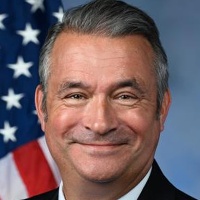
Don Bacon
Representative
NE
Don Bacon
Representative
NE
The Autonomy for Disabled Veterans Act increases the maximum financial assistance available to disabled veterans for necessary home improvements related to their health services. This legislation raises the existing benefit caps to provide greater support for accessibility modifications. Furthermore, it mandates annual adjustments to a specific benefit amount based on the rate of inflation to ensure continued relevance.
The Puppy Protection Act of 2025 establishes stricter housing, daily care, veterinary, and breeding standards for dog dealers under the Animal Welfare Act.
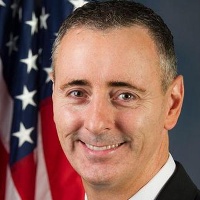
Brian Fitzpatrick
Representative
PA
Brian Fitzpatrick
Representative
PA
The Puppy Protection Act of 2025 significantly increases humane treatment standards for dog dealers under the Animal Welfare Act. This legislation mandates specific minimum space requirements, daily exercise access, and mandatory socialization for housed dogs. Furthermore, it establishes strict limits on female dog breeding frequency and age, alongside enhanced veterinary care protocols.
The Protect Our Watchdogs Act of 2025 establishes a "for cause" removal standard, requiring documented proof of specific misconduct or incapacity before an Inspector General can be fired or transferred.

Gerald Connolly
Representative
VA
Gerald Connolly
Representative
VA
The Protect Our Watchdogs Act of 2025 establishes a "for cause" removal standard for Inspectors General (IGs). This legislation mandates that the President must provide specific, documented reasons—such as documented neglect of duty or gross mismanagement—to remove or transfer an Inspector General. The bill aims to strengthen the independence and tenure of IGs by limiting arbitrary dismissals.
The Air America Act of 2025 authorizes one-time monetary awards to former Air America employees or their survivors for service supporting the CIA between 1950 and 1976.
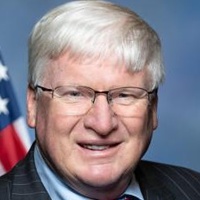
Glenn Grothman
Representative
WI
Glenn Grothman
Representative
WI
The Air America Act of 2025 recognizes the sacrifices of former Air America employees who served the U.S. Government between 1950 and 1976. This Act authorizes a one-time monetary award, up to $40,000 plus potential additional amounts, for qualifying service members or their survivors. The CIA Director is responsible for administering these payments, which are capped at a total of $60 million, and establishing the application procedures. Decisions made by the Director regarding these awards are final and not subject to judicial review.
The No Round Up Act repeals the outdated Alien Registration Act of 1940 and makes corresponding technical amendments to immigration law.

Pramila Jayapal
Representative
WA
Pramila Jayapal
Representative
WA
The No Round Up Act primarily repeals the outdated Alien Registration Act of 1940 and related provisions within the Immigration and Nationality Act. This action eliminates the requirement for aliens to register and be fingerprinted. The bill focuses on cleaning up obsolete registration rules and associated penalties.
The Major Richard Star Act ensures that military retirees with combat-related disabilities can concurrently receive their full military retirement pay and VA disability compensation without reduction.

Gus Bilirakis
Representative
FL
Gus Bilirakis
Representative
FL
The Major Richard Star Act ensures that military retirees with combat-related disabilities can receive both their military retirement pay and VA disability compensation concurrently without reduction. This law removes previous restrictions that caused military retirement pay to be offset by VA disability payments for these specific cases. The changes take effect on the first day of the month following the Act's enactment.
The Caring for Survivors Act of 2025 increases dependency and indemnity compensation for surviving spouses and lowers the required period of total disability rating before death for survivors to qualify for certain benefits.
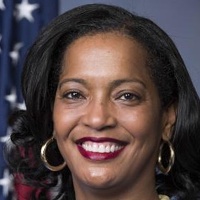
Jahana Hayes
Representative
CT
Jahana Hayes
Representative
CT
The Caring for Survivors Act of 2025 aims to increase financial support for surviving spouses of veterans. This bill raises the monthly Dependency and Indemnity Compensation (DIC) payment rate for surviving spouses. Additionally, it lowers the required duration of total disability rating before death from ten years to five years for survivors to qualify for certain DIC benefits. If the disability period was between five and ten years, the benefit amount will be proportionally adjusted.
The Stop Comstock Act streamlines federal statutes by removing outdated and redundant language concerning "indecent" or "immoral" materials, focusing legal definitions on "obscene materials."

Becca Balint
Representative
VT
Becca Balint
Representative
VT
The Stop Comstock Act aims to modernize and streamline federal statutes concerning obscene materials. It revises several sections of federal law, including those related to crimes, transportation, and importation, by removing outdated or redundant language like "indecent" or "immoral." This legislative cleanup focuses the legal definitions to center specifically on "obscene materials."
The REDI Act allows medical and dental interns and residents to defer both principal and interest payments on their student loans while in training.
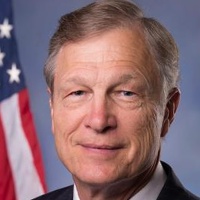
Brian Babin
Representative
TX
Brian Babin
Representative
TX
The Resident Education Deferred Interest (REDI) Act amends federal student loan regulations to provide a specific deferment for medical and dental residents. This allows borrowers currently serving in an internship or residency program to pause principal payments and prevent interest accrual on their student loans during that training period.
This Act converts Transportation Security Administration (TSA) personnel to standard federal employment rules under Title 5, establishes transition protections, mandates workforce reviews, and addresses labor relations and employee safety.
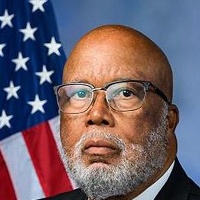
Bennie Thompson
Representative
MS
Bennie Thompson
Representative
MS
The Rights for the Transportation Security Administration Workforce Act transitions TSA personnel to standard federal employment rules under Title 5 of the U.S. Code by a set date no later than December 31, 2025. This mandates the freezing of current personnel policies during the transition while protecting current employee pay and benefits. The bill also requires extensive reviews by the Comptroller General on hiring, diversity, and workplace safety, and mandates consultation with employee representatives regarding labor relations. Finally, it ensures that screening agents retain collective bargaining rights and addresses specific concerns for Federal Air Marshals.
This Act eliminates the waiting periods for Social Security disability benefits and Medicare coverage for individuals diagnosed with metastatic breast cancer.
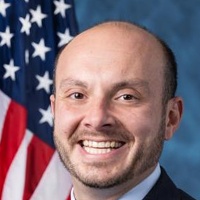
Andrew Garbarino
Representative
NY
Andrew Garbarino
Representative
NY
The Metastatic Breast Cancer Access to Care Act aims to improve support for individuals diagnosed with metastatic breast cancer. This bill eliminates the standard waiting period for receiving Social Security disability insurance benefits and waives the 24-month waiting period for Medicare coverage. These changes ensure immediate access to crucial financial and healthcare support upon diagnosis.