
Legislative Activity
Track Lateefah's sponsored bills, co-sponsored legislation, and voting record
This act authorizes $50 million annually from 2026 through 2031 for the CDC to conduct research on firearms safety and gun violence prevention.

Marilyn Strickland
Representative
WA
Marilyn Strickland
Representative
WA
The Gun Violence Prevention Research Act of 2025 authorizes $50 million annually for the Centers for Disease Control and Prevention (CDC) to conduct or support research on firearms safety and gun violence prevention. This dedicated funding is authorized for each fiscal year from 2026 through 2031. This new allocation is separate from and in addition to any existing CDC research funding.
The EATS Act of 2025 expands eligibility for SNAP benefits by removing previous restrictions for students enrolled at least half-time in recognized educational programs.
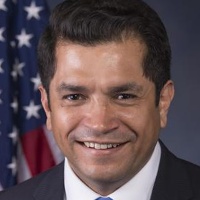
Jimmy Gomez
Representative
CA
Jimmy Gomez
Representative
CA
The EATS Act of 2025 significantly updates eligibility for the Supplemental Nutrition Assistance Program (SNAP) by removing previous restrictions that often disqualified students. This legislation explicitly includes bona fide students enrolled at least half-time in recognized educational programs as eligible participants for food assistance. These changes take effect on January 2, 2026.
This act repeals the prohibition on Medicaid payments to certain healthcare entities and mandates retroactive payment for services already rendered under the repealed ban.
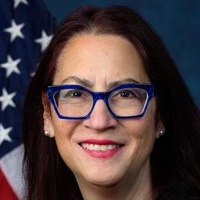
Laura Friedman
Representative
CA
Laura Friedman
Representative
CA
The Restoring Essential Healthcare Act repeals an outdated ban that prevented Medicaid from making payments to certain healthcare providers. This legislation ensures that these previously prohibited entities will now be reimbursed for medical services rendered between the enactment of the original ban and the passage of this Act. In short, it restores payment eligibility and retroactively covers past services.
The Protected Time Off Act establishes a federal minimum accrual rate of one hour of paid annual leave for every 25 hours worked, while protecting employees' rights to use and enforce this earned time off.
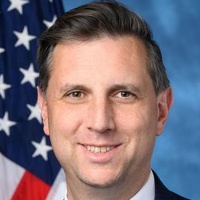
Seth Magaziner
Representative
RI
Seth Magaziner
Representative
RI
The Protected Time Off Act establishes a federal minimum standard for earned paid annual leave, requiring employers to grant employees at least one hour of paid time off for every 25 hours worked, up to 80 hours annually. This law specifies how leave is accrued, used, and rolled over, while protecting employees from retaliation for exercising these rights. It also ensures that existing state laws or agreements that provide more generous leave benefits remain in effect. Enforcement mechanisms are established, largely mirroring those under the Fair Labor Standards Act, allowing both government investigation and direct employee lawsuits.
This Act establishes the Eviction Right to Counsel Fund to provide federal grants to state, local, and tribal governments that guarantee free legal representation for low-income tenants facing eviction.

Summer Lee
Representative
PA
Summer Lee
Representative
PA
The Eviction Right to Counsel Act of 2025 establishes the Eviction Right to Counsel Fund with $100 million annually to support tenants facing eviction. This fund provides grants to state, local, and tribal governments that enact legislation guaranteeing full legal representation for low-income tenants in eviction proceedings. Priority for funding goes to entities that implement strong tenant protections and commit to using the money primarily for hiring and training legal counsel.
This Act establishes a federal grant program to fund community-based mentoring initiatives for children and young adults who are currently in or have aged out of the foster care system.
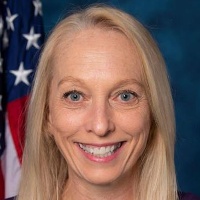
Mary Scanlon
Representative
PA
Mary Scanlon
Representative
PA
The Foster Youth Mentoring Act of 2025 establishes a new federal grant program to fund community-based organizations that provide structured, long-term mentoring for children and young adults who are currently or formerly in foster care. These grants aim to expand high-quality mentoring relationships, requiring rigorous mentor training, thorough background screening, and significant input from youth with lived experience. The goal is to improve outcomes for foster youth in areas like education, mental health, and successful transition to adulthood.
This resolution expresses the sense of Congress in supporting the designation of July as Disability Pride Month to recognize the contributions of people with disabilities and combat discrimination.
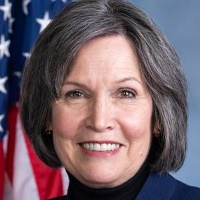
Betty McCollum
Representative
MN
Betty McCollum
Representative
MN
This resolution officially expresses the support of Congress for designating July as Disability Pride Month nationwide. It recognizes the significant contributions of people with disabilities while acknowledging ongoing discrimination. The bill encourages the public and organizations to observe the month through appropriate celebrations and by actively working to prevent exclusion.
This Act establishes grant programs and a four-year phase-out schedule to transition employers away from paying sub-minimum wages to individuals with disabilities toward competitive integrated employment.
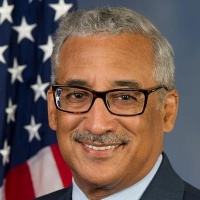
Robert Scott
Representative
VA
Robert Scott
Representative
VA
The Transformation to Competitive Integrated Employment Act aims to eliminate the practice of paying individuals with disabilities less than the minimum wage by phasing out special wage certificates over four years. It establishes federal and state grant programs to help employers and states transition to models of competitive integrated employment, where workers earn prevailing wages alongside non-disabled peers. The bill also funds technical assistance to guide businesses through this operational shift and mandates rigorous reporting to track employment outcomes.
This Act prohibits the shackling and detention of pregnant and postpartum noncitizens except in extraordinary, narrowly defined circumstances, while mandating comprehensive healthcare access and staff training.
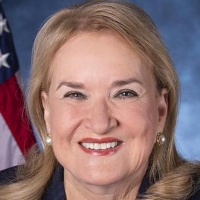
Sylvia Garcia
Representative
TX
Sylvia Garcia
Representative
TX
The Stop Shackling and Detaining Pregnant Women Act aims to significantly reform the detention of pregnant and postpartum noncitizens by establishing a presumption against their detention. This bill strictly limits the use of physical restraints on pregnant detainees and mandates comprehensive reproductive healthcare access. Furthermore, it requires detailed quarterly and annual reporting on the treatment and outcomes of pregnant individuals in custody.
This bill updates the eligibility requirements for creating records of lawful admission for long-term residents by changing the qualifying entry date to a minimum of seven years of U.S. residency prior to application.
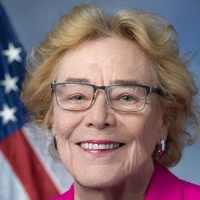
Zoe Lofgren
Representative
CA
Zoe Lofgren
Representative
CA
This bill, the Renewing Immigration Provisions of the Immigration Act of 1929, updates the eligibility requirements for creating records of lawful admission for long-term residents. It replaces a fixed entry date with a new standard requiring applicants to have resided in the U.S. for at least seven years prior to applying. These revised provisions will take effect 60 days after the Act is enacted.
This act mandates clear, front-of-package labeling to alert consumers when foods are high in added sugars, sodium, or saturated fat, and requires warnings for artificial sweeteners in certain products.

Janice Schakowsky
Representative
IL
Janice Schakowsky
Representative
IL
The Transparency, Readability, Understandability, Truth, and Helpfulness in Labeling Act mandates clear front-of-package labeling for foods high in added sugars, sodium, or saturated fat. These labels must use a prominent "High in" warning icon to help consumers make healthier choices quickly. Furthermore, the law requires a specific warning on labels if a product contains non-nutritive (artificial) sweeteners, especially for products marketed to children. These requirements aim to align food labeling with current dietary guidelines and public health concerns.
This bill establishes a federal grant program to help low-income households pay for their drinking water and sewer services.
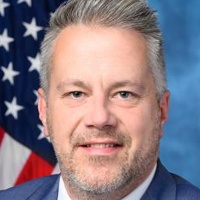
Eric Sorensen
Representative
IL
Eric Sorensen
Representative
IL
This bill establishes the Low-Income Household Water Assistance Program to provide grants to states and tribes. These funds will help public water systems cover the water and sewer bills for eligible low-income households. The program aims to supplement existing aid by assisting families whose income is at or below 150% of the poverty level or 60% of the state median income. Funding is authorized at $500 million annually from fiscal years 2026 through 2030.
This bill establishes a mandatory system for the Department of Homeland Security to track, record, and report all instances of detaining or removing U.S. citizens or lawful permanent residents during immigration enforcement actions.
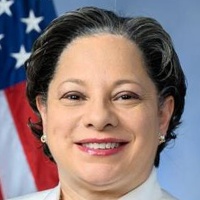
Jennifer McClellan
Representative
VA
Jennifer McClellan
Representative
VA
This bill mandates the Department of Homeland Security (DHS) to establish a comprehensive system for tracking and reporting all instances where U.S. citizens or lawful permanent residents are detained or removed during immigration enforcement actions. The system requires quarterly reports to Congress detailing these incidents, including those involving individuals transferred from other law enforcement agencies. Furthermore, the bill requires DHS to create a formal process allowing detained or removed individuals to submit proof of their citizenship or permanent resident status.
This bill amends the Foreign Assistance Act of 1961 to officially reclassify the provision of HIV pre-exposure prophylaxis (PrEP) and related prevention services as "core life-saving humanitarian assistance."
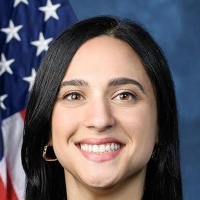
Yassamin Ansari
Representative
AZ
Yassamin Ansari
Representative
AZ
This bill amends the Foreign Assistance Act of 1961 to reclassify certain activities combating HIV/AIDS. Specifically, it mandates that providing HIV pre-exposure prophylaxis (PrEP) and related prevention services be formally recognized as "core life-saving humanitarian assistance." This change ensures these critical risk-reduction efforts are categorized as essential aid within U.S. foreign assistance programs.
This Act prohibits businesses from using automated systems that rely on personal data surveillance to set individualized prices or determine worker wages, while preserving stronger state and collective bargaining protections.
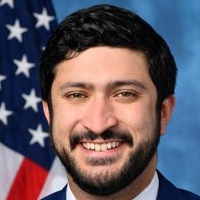
Gregorio Casar
Representative
TX
Gregorio Casar
Representative
TX
The Stop AI Price Gouging and Wage Fixing Act of 2025 prohibits businesses from using automated systems that analyze personal data to set individualized prices or determine employee wages. This legislation establishes strict transparency requirements for any permitted pricing exceptions and grants enforcement power to the FTC, EEOC, State Attorneys General, and private citizens. Furthermore, the Act ensures that existing state laws providing greater protections and collective bargaining rights remain fully in effect.
The Hands Off Our Social Security Act prohibits unauthorized tampering with benefits, data mining, privatization, workforce reductions, and office closures without explicit Congressional approval.
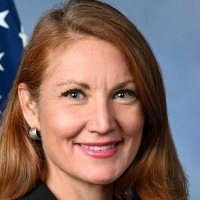
Melanie Stansbury
Representative
NM
Melanie Stansbury
Representative
NM
The Hands Off Our Social Security Act is designed to safeguard the functionality and integrity of the Social Security Administration (SSA). This bill prohibits the SSA from tampering with benefits, engaging in unauthorized data mining, or privatizing services. Furthermore, it prevents the agency from closing local offices or reducing staff without explicit approval from Congress. Ultimately, the Act ensures that essential services and communication channels remain accessible to beneficiaries.
This Act expands Medicare coverage for hereditary cancer genetic testing, preventative surgeries, and evidence-based cancer screenings for at-risk individuals.
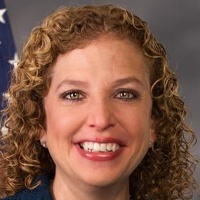
Debbie Wasserman Schultz
Representative
FL
Debbie Wasserman Schultz
Representative
FL
The Reducing Hereditary Cancer Act expands Medicare coverage for individuals with a family or personal history suggestive of hereditary cancer. This legislation mandates Medicare coverage for appropriate genetic testing and risk-reducing preventive surgeries. Furthermore, it allows for expanded, evidence-based cancer screenings for individuals already diagnosed with a hereditary cancer gene mutation.
This Act severely restricts the use of solitary confinement in federal facilities, mandates a minimum of 14 hours of daily social interaction for all incarcerated individuals, and establishes strict oversight and state incentives to end the practice nationwide.

Sydney Kamlager-Dove
Representative
CA
Sydney Kamlager-Dove
Representative
CA
The End Solitary Confinement Act aims to drastically limit the use of solitary confinement in federal facilities by mandating a minimum of 14 hours of daily social interaction for all incarcerated individuals. The bill establishes strict emergency exceptions for isolation, prohibits its use against vulnerable populations, and creates an independent community monitoring body to ensure compliance. Furthermore, it incentivizes states to adopt similar standards by tying federal funding to adherence to these new minimum treatment requirements.
This bill establishes a new system for distributing up to 2,000 additional Medicare-funded residency positions annually from 2026 through 2032, prioritizing hospitals serving underserved areas, and mandates a study on strategies to increase workforce diversity.
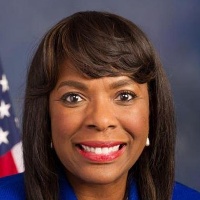
Terri Sewell
Representative
AL
Terri Sewell
Representative
AL
The Resident Physician Shortage Reduction Act of 2025 establishes a structured process for distributing up to 2,000 additional, federally funded residency positions annually between fiscal years 2026 and 2032. This distribution prioritizes hospitals serving in underserved areas, those already training above their limit, and those committed to primary care and general surgery training. The bill also mandates a study and report by the Comptroller General on effective strategies to increase diversity within the health professional workforce.
This Act prohibits insurance companies from discriminating against living organ donors when issuing life, disability, or long-term care policies and mandates the updating of educational materials regarding donation risks and insurance implications.
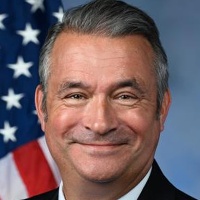
Don Bacon
Representative
NE
Don Bacon
Representative
NE
The Living Donor Protection Act of 2025 prohibits life, disability, and long-term care insurance companies from denying coverage or increasing premiums solely because an individual is a living organ donor. This legislation ensures that living donors are not financially penalized for their altruistic act. Additionally, the bill requires the Secretary of HHS to update educational materials to accurately reflect the insurance protections afforded to living donors.