Legislative Activity
Track Jefferson's sponsored bills, co-sponsored legislation, and voting record
This resolution formally condemns the assassination of Charlie Kirk and reaffirms the right to peaceful assembly against political violence.
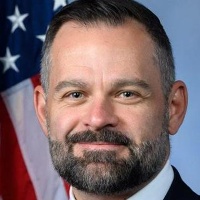
Cory Mills
Representative
FL
Cory Mills
Representative
FL
This resolution formally condemns the horrific political assassination of conservative spokesman Charlie Kirk on September 10, 2025, in Orem, Utah. It expresses deep condolences to his family and recognizes the bravery of the first responders at the scene. Ultimately, the measure reaffirms the fundamental American right to peaceful assembly and stands firmly against political violence.
This Act establishes sanctions against Pakistani officials undermining democracy and human rights, while urging the U.S. government to promote democratic institutions in Pakistan until September 30, 2030.
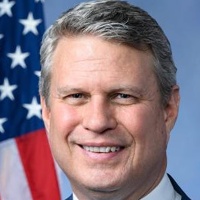
Bill Huizenga
Representative
MI
Bill Huizenga
Representative
MI
The Pakistan Freedom and Accountability Act expresses strong U.S. support for democracy and human rights in Pakistan, citing concerns over military influence and recent election interference. This legislation directs the President to identify and impose sanctions on Pakistani officials responsible for undermining democratic processes or committing serious human rights abuses. The Act emphasizes the need for civilian control over the military and sets an expiration date for its provisions in September 2030.
This act ensures that essential Border Patrol Agents and Customs Officers receive their salaries during a government shutdown in fiscal year 2026.
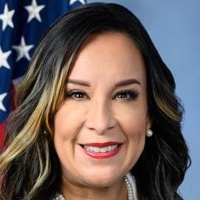
Mónica De La Cruz
Representative
TX
Mónica De La Cruz
Representative
TX
The Pay Our Border Patrol and Customs Agents Act ensures that essential U.S. Border Patrol Agents and Customs and Border Protection officers who must work during a government shutdown in fiscal year 2026 will receive their salaries. This legislation appropriates necessary funds from the Treasury to cover these payments during the lapse in appropriations. The goal is to guarantee that critical border security personnel are paid even if the government temporarily closes.
This joint resolution formally establishes a National Day of Remembrance to honor the thirteen U.S. service members killed in the August 26, 2021, Abbey Gate bombing during the Afghanistan withdrawal.
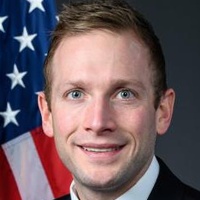
Max Miller
Representative
OH
Max Miller
Representative
OH
This joint resolution formally honors the thirteen U.S. service members who were killed in the August 26, 2021, bombing at Abbey Gate during the withdrawal from Afghanistan. It recognizes their ultimate sacrifice in service to the nation and expresses deep gratitude to their Gold Star Families. The bill essentially establishes a National Day of Remembrance to ensure their faithful service in the fight for liberty is never forgotten.
The ENFORCE Act strengthens laws against child exploitation by clarifying the crime of producing child pornography involving interstate commerce and enhancing enforcement, including removing the statute of limitations, mandating sex offender registration, and strengthening pretrial detention for offenses involving obscene visual representations of child sexual abuse.
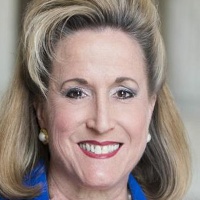
Ann Wagner
Representative
MO
Ann Wagner
Representative
MO
The ENFORCE Act strengthens federal laws against child exploitation by clarifying the crime of producing child pornography intended for interstate commerce. It also significantly enhances enforcement for crimes involving obscene visual representations of child sexual abuse. These enhancements include removing the statute of limitations for prosecution, mandating sex offender registration, and establishing a presumption of pretrial detention for those charged.
This bill prohibits the Department of Transportation from using, procuring, or contracting for LiDAR technology originating from specified foreign adversaries.
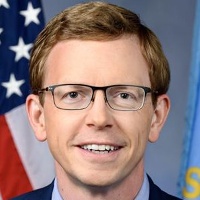
Dusty Johnson
Representative
SD
Dusty Johnson
Representative
SD
The Securing Infrastructure from Adversaries Act of 2025 prohibits the Department of Transportation (DOT) from procuring or contracting for the use of certain foreign-made LiDAR technology identified in related defense legislation. This ban applies to purchases, contracts, and the use of federal loan or grant funds for this restricted technology, generally beginning in mid-2026. The Secretary of Transportation may only waive this prohibition if it is certified to be in the national interest of the United States. Certain safety testing and regulatory exemption activities remain exempt from these restrictions.
The LIFT Act of 2025 accelerates the approval of routine Beyond Visual Line of Sight drone operations, explores international flight rules, mandates the use of AI for waiver processing, and establishes a pilot program for integrating electric vertical takeoff and landing (eVTOL) aircraft while prioritizing domestically manufactured drones.
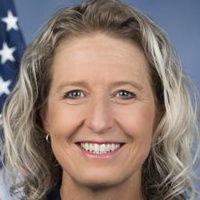
Jennifer Kiggans
Representative
VA
Jennifer Kiggans
Representative
VA
The LIFT Act of 2025 aims to accelerate the integration of advanced drone technology into U.S. airspace. It mandates rapid rulemaking for Beyond Visual Line of Sight (BVLOS) drone operations and requires the use of Artificial Intelligence to streamline waiver determinations. Furthermore, the Act establishes a pilot program to support local governments in launching electric Vertical Takeoff and Landing (eVTOL) operations and prioritizes the integration of domestically manufactured drones.
The Veterans’ ACCESS Act of 2025 improves veteran health care by establishing clear eligibility standards for community care, mandating timely mental health treatment, and streamlining administrative processes to ensure faster, more transparent access to services.
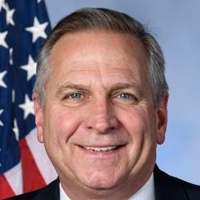
Mike Bost
Representative
IL
Mike Bost
Representative
IL
The Veterans’ ACCESS Act of 2025 strengthens the Veterans Community Care Program by establishing clear, enforceable standards for care eligibility and wait times while streamlining the referral process. The legislation also overhauls access to residential mental health and substance abuse treatment, ensuring veterans receive timely, localized care with robust oversight. Additionally, it mandates the development of digital tools and pilot programs to reduce bureaucratic hurdles and improve transparency across the VA healthcare system.
This Act prohibits insurance companies from discriminating against living organ donors when issuing life, disability, or long-term care policies and mandates the updating of educational materials regarding donation risks and insurance implications.
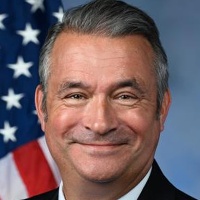
Don Bacon
Representative
NE
Don Bacon
Representative
NE
The Living Donor Protection Act of 2025 prohibits life, disability, and long-term care insurance companies from denying coverage or increasing premiums solely because an individual is a living organ donor. This legislation ensures that living donors are not financially penalized for their altruistic act. Additionally, the bill requires the Secretary of HHS to update educational materials to accurately reflect the insurance protections afforded to living donors.
This bill amends the Family and Medical Leave Act to explicitly qualify time taken for an employee's own organ donation surgery as a serious health condition.
Don Bacon
Representative
NE
Don Bacon
Representative
NE
This bill amends the Family and Medical Leave Act (FMLA) to explicitly clarify that time taken off for an employee's own organ donation surgery qualifies as a serious health condition. This ensures both private and federal sector workers receive FMLA protection for recovery from organ donation. The legislation also specifies how federal employees must substitute existing paid leave when taking FMLA time for this purpose.
The Burma GAP Act establishes U.S. policy to hold the Burmese military accountable for genocide against the Rohingya, appoints a Special Representative, and mandates comprehensive support for the protection, justice, and durable solutions for the Rohingya people.
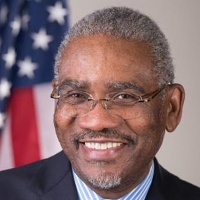
Gregory Meeks
Representative
NY
Gregory Meeks
Representative
NY
The Burma Genocide Accountability and Protection Act (Burma GAP Act) establishes a comprehensive U.S. policy to address the ongoing atrocities against the Rohingya people in Myanmar. The bill mandates the appointment of a Special Representative for Burma, increases humanitarian and protection support for refugees, and prioritizes accountability for genocide and crimes against humanity. Furthermore, it commits the U.S. to isolating the military junta until civilian rule is restored.
This resolution formally condemns the severe, ongoing persecution of Christians in Muslim-majority countries and urges the President to prioritize their protection in U.S. foreign policy.
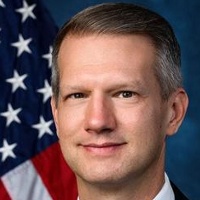
Riley Moore
Representative
WV
Riley Moore
Representative
WV
This resolution formally condemns the severe, ongoing persecution of Christians in Muslim-majority countries worldwide. It documents specific instances of violence, discrimination, and legal restrictions faced by Christian communities across numerous nations. The bill urges the President to prioritize the protection of these religious minorities in all U.S. foreign policy and diplomatic engagement.
The MAGA Act mandates a Department of Defense study and report on the prevalence of foreign-made or foreign-owned small arms and light weapons used by the U.S. military, along with recommendations for increasing domestic sourcing.
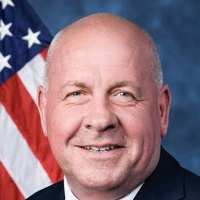
David Taylor
Representative
OH
David Taylor
Representative
OH
The Make American Guns Again (MAGA) Act of 2025 requires the Secretary of Defense to study the prevalence of foreign-made or foreign-owned small arms and light weapons used by the U.S. military. Within 180 days, the Secretary must report these findings to Congress and the President. This report must also include recommendations for increasing the procurement of domestically manufactured and owned small arms.
This resolution condemns the slogan "Globalize the Intifada" as a call for violence against Israeli and Jewish people globally and urges leaders to denounce it as such.
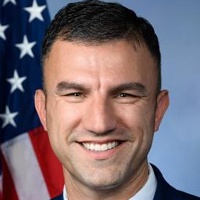
Rudy Yakym
Representative
IN
Rudy Yakym
Representative
IN
This resolution formally condemns the slogan "Globalize the Intifada" as a call for violence against Israeli and Jewish people worldwide. It cites the historical context of past Intifadas and recent antisemitic incidents to support this position. The bill urges all levels of U.S. leadership to publicly denounce the slogan.
This Act prohibits lawsuits claiming discrimination based solely on the unintended, disproportionate statistical effect (disparate impact) of employment or housing practices.
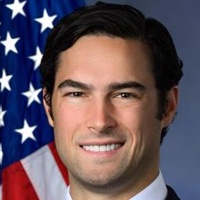
Brandon Gill
Representative
TX
Brandon Gill
Representative
TX
The Restoring Equal Opportunity Act aims to eliminate "disparate-impact liability" across major federal laws. This bill prohibits lawsuits claiming discrimination based solely on the unintended, disproportionate negative effect of a rule or practice. Consequently, it removes the ability to challenge employment and housing practices unless discriminatory intent can be proven. The Act also nullifies specific prior regulatory approvals related to civil rights enforcement.
The SAMS Act of 2025 codifies several existing Executive Orders related to critical minerals into permanent federal law.
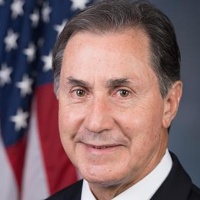
Gary Palmer
Representative
AL
Gary Palmer
Representative
AL
The SAMS Act of 2025 codifies several previous Executive Orders into permanent law, specifically focusing on policies related to critical minerals. This action elevates existing presidential directives concerning these vital resources to the full force and effect of statutory law. The bill ensures the long-term legal standing of established critical mineral supply chain strategies.
This bill mandates that elementary, secondary, and higher education institutions must certify compliance with biological fairness requirements in women's sports to receive federal funding, with penalties for non-compliance.
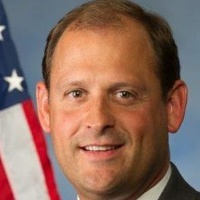
Garland Barr
Representative
KY
Garland Barr
Representative
KY
The Defend Girls Athletics Act mandates that elementary, secondary, and higher education institutions must certify compliance with Executive Order 14201 regarding biological fairness in women's sports to receive federal funding. This certification must be renewed annually for K-12 districts and by July 1st for colleges and universities. Failure to comply or report results in the immediate requirement to return unobligated federal funds and ineligibility for future federal financial assistance until compliance is restored.
This act modernizes the Fairness to Contact Lens Consumers Act by requiring online sellers to accept electronic prescription transfers, mandating encrypted email for health information, and updating required seller contact information.
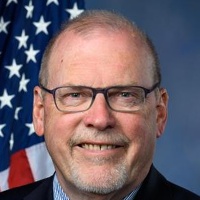
H. Griffith
Representative
VA
H. Griffith
Representative
VA
The Contact Lens Prescription Verification Modernization Act updates existing law to ensure consumers can easily obtain and use their contact lens prescriptions. This bill specifically requires online sellers to provide a HIPAA-compliant method for electronically receiving prescriptions and mandates encryption for any protected health information sent via email. Additionally, it updates seller record-keeping requirements to include customer email addresses.
The 123 GO Act directs the Secretary of State to lead negotiations for at least 20 new international nuclear cooperation agreements and establishes a program to enhance U.S. competitiveness in the global nuclear energy market.
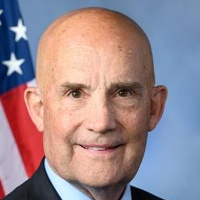
Keith Self
Representative
TX
Keith Self
Representative
TX
The 123 GO Act directs the Secretary of State to lead negotiations for international nuclear cooperation agreements, setting a goal to sign at least 20 new agreements by 2029. The bill also establishes a program to enhance the global competitiveness of U.S. nuclear energy companies by streamlining regulatory hurdles and promoting U.S. technology abroad. This legislation aims to strengthen U.S. leadership in international nuclear diplomacy and commerce.
This act establishes a new federal crime specifically targeting individuals who knowingly defraud veterans or attempt to steal their federal benefits.
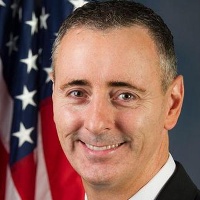
Brian Fitzpatrick
Representative
PA
Brian Fitzpatrick
Representative
PA
The Preventing Crimes Against Veterans Act of 2025 establishes a new federal crime specifically targeting individuals who knowingly defraud veterans or attempt to steal their federal benefits. This legislation creates enhanced penalties, including potential fines and imprisonment up to five years, for those convicted of such schemes. The Act ensures robust legal tools are in place to protect veterans from financial exploitation related to their earned benefits.