Legislative Activity
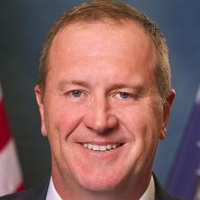
Track Eric's sponsored bills, co-sponsored legislation, and voting record
This resolution formally honors the life, achievements, and legacy of former United States Senator Christopher "Kit" Bond of Missouri.
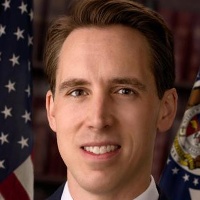
Joshua Hawley
Senator
MO
Joshua Hawley
Senator
MO
This resolution serves as a formal tribute honoring the life, achievements, and enduring legacy of former United States Senator Christopher "Kit" Bond of Missouri. It recognizes his decades of public service, including his terms as Missouri Governor and U.S. Senator, where he championed infrastructure, agriculture, and conservative values. The Senate expresses deep sadness over his passing and directs that official copies of this tribute be sent to his family.
This Act stabilizes the Crime Victims Fund by expanding its revenue sources to include certain non-conviction settlements and temporary deposits from False Claims Act recoveries.

Lisa Murkowski
Senator
AK
Lisa Murkowski
Senator
AK
The Crime Victims Fund Stabilization Act of 2025 aims to strengthen the Crime Victims Fund by expanding the sources of deposits. This includes allowing the Fund to receive money from certain legal settlements that do not result in a criminal conviction. Additionally, the bill temporarily allows certain recoveries from False Claims Act settlements to fund victim services through 2030, while protecting payments to whistleblowers and the government's direct recovery.
This bill establishes an expedited process for the Department of Homeland Security to deport non-citizens convicted of serious crimes, including gang membership, terrorism support, and specific violent offenses.

Ashley Moody
Senator
FL
Ashley Moody
Senator
FL
The Expedited Removal of Criminal Aliens Act establishes a new, faster process for the government to deport non-citizens who are members of criminal gangs or terrorist organizations, or who have been convicted of specific serious crimes. This process mandates detention and bars these individuals from seeking withholding of removal. The law specifically defines vulnerable groups for the purpose of determining which misdemeanor convictions qualify for this expedited action.
This Act authorizes livestock producers and their employees to take action against black vultures reasonably believed to be harming livestock or related property, with specific reporting requirements.
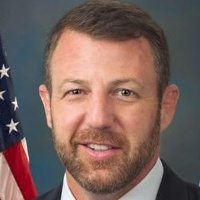
Markwayne Mullin
Senator
OK
Markwayne Mullin
Senator
OK
The Black Vulture Relief Act of 2025 authorizes livestock producers and their employees to take action against black vultures that are harming or threatening livestock or related property. This provision allows for the capture, killing, or dispersal of the birds, provided that poisoning is strictly prohibited. Those who take action must report the activity to the U.S. Fish and Wildlife Service once the required reporting form is made available.
This bill mandates new electronic, transparent, and timely prior authorization requirements for Medicare Advantage plans to improve seniors' access to care.

Roger Marshall
Senator
KS
Roger Marshall
Senator
KS
The Improving Seniors’ Timely Access to Care Act of 2025 aims to modernize and increase transparency in the prior authorization process for Medicare Advantage plans. This bill mandates the adoption of electronic prior authorization systems and requires plans to publicly report detailed data on their approval, denial, and appeal rates. Furthermore, it establishes new standards to protect enrollees and grants the Secretary authority to enforce faster decision timelines for care requests.
This bill conditions federal funding for graduate medical schools on their certification that they will not mandate agreement with specific anti-discrimination tenets, abolish DEI offices, or require diversity statements for admission or employment.

John Kennedy
Senator
LA
John Kennedy
Senator
LA
The EDUCATE Act conditions federal funding for graduate medical schools on certifying they do not mandate agreement with specific divisive tenets regarding race or sex. This legislation prohibits medical schools from requiring diversity statements or establishing DEI offices as a condition for admission or employment. Furthermore, it requires accrediting agencies to ensure they do not mandate policies contrary to these provisions for medical education programs. The Act includes provisions to protect existing First Amendment rights and academic freedom.
The Honoring Our Fallen Heroes Act of 2025 establishes a presumption that certain cancers leading to death or disability in public safety officers are the result of on-duty exposure to carcinogens.

Amy Klobuchar
Senator
MN
Amy Klobuchar
Senator
MN
The Honoring Our Fallen Heroes Act of 2025 establishes a presumption that certain cancers leading to death or disability in public safety officers were caused by on-duty exposure to recognized carcinogens. This law defines specific exposure-related cancers and sets conditions, such as five years of service, for the presumption to apply. It also updates review processes for adding new cancers to the list and grants retroactive application and filing extensions for eligible past and present claims.
The COUNTER Act delegates authority and clarifies methods for the Department of Defense to neutralize unmanned aircraft system threats outside the U.S., while exempting related operational details from public disclosure.

Tom Cotton
Senator
AR
Tom Cotton
Senator
AR
The COUNTER Act grants the Department of Defense (DoD) expanded authority to neutralize threats from unmanned aircraft systems (drones) operating outside of the United States. This legislation delegates response authority, clarifies mitigation methods like remote identification, and exempts security details regarding these operations from public disclosure. Furthermore, it limits the application of certain criminal and security laws to authorized DoD and Coast Guard activities aimed at countering these aerial threats overseas.
This Act establishes new competitive procurement rules for the Department of Defense's acquisition of artificial intelligence, cloud computing, and data infrastructure services while safeguarding government data used by contractors.

Elizabeth Warren
Senator
MA
Elizabeth Warren
Senator
MA
The Protecting AI and Cloud Competition in Defense Act of 2025 establishes new competitive procurement rules for the Department of Defense's acquisition of artificial intelligence, cloud computing, and data infrastructure services. It mandates competitive bidding, prioritizes multi-cloud technology, and strictly protects government data used by vendors to train commercial AI models. Furthermore, the bill requires annual reporting to Congress on market competition, innovation barriers, and the use of any granted exemptions.
This bill clarifies that the federal government, not states, has exclusive authority to set emission standards for certain existing locomotives and small engines used in construction or farm equipment.

Joni Ernst
Senator
IA
Joni Ernst
Senator
IA
The LOCOMOTIVES Act clarifies federal authority under the Clean Air Act regarding emissions standards for certain existing locomotives and engines used in construction or farm equipment. This legislation ensures that federal standards, rather than varying state standards, apply to these specific engines, particularly those under 175 horsepower and locomotives engaged in commerce. Essentially, it centralizes regulatory power over these emissions sources at the federal level.
This resolution officially designates the week of May 11 through May 17, 2025, as National Police Week to honor law enforcement officers, remember those killed in the line of duty, and encourage public observance.

Charles Grassley
Senator
IA
Charles Grassley
Senator
IA
This resolution officially designates the week of May 11 through May 17, 2025, as "National Police Week." It serves to honor the valor and integrity of law enforcement officers across the nation. The resolution specifically remembers the officers killed in the line of duty during 2024 and encourages the public to observe this week to show appreciation for law enforcement personnel.
This bill repeals numerous Diversity, Equity, and Inclusion (DEI) mandates across federal science and technology programs while restricting executive agencies from imposing non-statutory policy requirements on federal funding recipients.
Tom Cotton
Senator
AR
Tom Cotton
Senator
AR
This bill primarily repeals and modifies numerous existing requirements across federal science and technology acts, specifically targeting and eliminating mandates related to Diversity, Equity, and Inclusion (DEI) in STEM programs and research funding. It also restricts federal agencies from imposing policy requirements on funding recipients that are not explicitly established in law. The legislation streamlines various programs while maintaining specific encouragement for Historically Black Colleges and Universities (HBCUs) and Tribal Colleges or Universities (TCUs).
The Chip Security Act mandates security mechanisms on advanced integrated circuit products exported from the U.S. to protect national security and prevent unauthorized use.
Tom Cotton
Senator
AR
Tom Cotton
Senator
AR
The Chip Security Act mandates the implementation of security mechanisms on advanced integrated circuit products before they are exported to protect U.S. national security interests. This requires the Secretary of Commerce to ensure chips include features verifying location and reporting unauthorized use or tampering. Furthermore, the Act calls for an assessment and potential rollout of secondary security features to enhance export control compliance and prevent misuse by adversaries. The goal is to maintain the U.S. competitive edge by securing sensitive hardware sent to allies and partners.
This joint resolution disapproves the FCC's rule intended to close the "Homework Gap" by modifying the E-Rate Program.
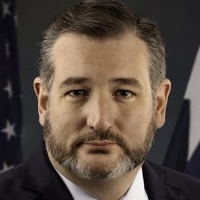
Ted Cruz
Senator
TX
Ted Cruz
Senator
TX
This joint resolution expresses Congress's disapproval of the Federal Communications Commission's (FCC) recent rule aimed at closing the "Homework Gap" using the E-Rate Program. By invoking the Congressional Review Act, Congress is formally rejecting the FCC's specific plan to extend E-Rate funding for student home internet access. Consequently, the FCC's rule, published on November 29, 2024, will not take effect.
The American Ownership and Resilience Act establishes an Ownership Investment Facility to provide government leverage to licensed investment companies making covered investments, particularly in Employee Stock Ownership Plans (ESOPs), while setting strict operational and capital requirements for those companies.

Chris Van Hollen
Senator
MD
Chris Van Hollen
Senator
MD
The American Ownership and Resilience Act establishes an Ownership Investment Facility to provide government leverage to licensed investment companies making "covered investments," primarily focused on supporting Employee Stock Ownership Plans (ESOPs) and worker cooperatives in acquiring business ownership. The Act sets strict operational rules for these investment companies, including capital requirements, portfolio diversification limits, and mandates for independent review of ESOP transactions. Furthermore, it details the licensing process, oversight mechanisms, and reporting requirements to ensure accountability and protect employee interests.
The MOMS Act establishes a federal resource website for pregnant women, expands access to prenatal/postnatal care through grants and telehealth, and allows states to enforce child support for unborn children upon the mother's request.

Katie Britt
Senator
AL
Katie Britt
Senator
AL
The MOMS Act aims to support mothers and unborn children through three main areas: establishing a federal resource website, Pregnancy.gov, to connect expecting and new mothers with local services. It also creates grant programs to fund organizations that support carrying pregnancies to term and expand access to prenatal/postnatal telehealth care. Finally, the Act mandates that states establish and enforce child support obligations on behalf of unborn children upon the mother's request.
This resolution expresses support for designating the week of May 4-10, 2025, as National Small Business Week to celebrate the vital contributions of small businesses and entrepreneurs nationwide.
Joni Ernst
Senator
IA
Joni Ernst
Senator
IA
This resolution expresses strong support for designating the week of May 4 through May 10, 2025, as National Small Business Week. It aims to celebrate the vital contributions of the over 34.5 million small businesses that support tens of millions of jobs nationwide. The bill honors the hard work and entrepreneurial spirit of small business owners in every community.
This Act mandates a systematic, periodic review of all existing federal regulations while imposing strict conditions and trade-offs for issuing new or amended rules during a specified period.

James Risch
Senator
ID
James Risch
Senator
ID
The Zero Based Regulations Act mandates a systematic, ongoing review of all existing federal regulations to ensure they remain effective and cost-efficient. This process requires agencies to repeal rules before review and subject any reinstated rule to strict cost limitations and public hearings. Furthermore, the Act temporarily restricts the creation of new rules unless they reduce the overall regulatory burden or address critical public safety needs.
The LIT Act of 2025 streamlines and updates existing energy conservation laws by renumbering definitions and officially canceling outdated Department of Energy regulations concerning general service incandescent lamps.
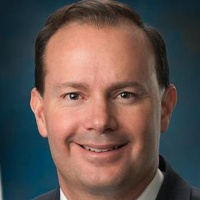
Mike Lee
Senator
UT
Mike Lee
Senator
UT
The Liberating Incandescent Technology Act of 2025 (LIT Act) primarily makes technical updates to the Energy Policy and Conservation Act concerning general service lamps. This involves renumbering definitions and updating cross-references throughout the relevant sections of the law. The bill also officially cancels several previous Department of Energy rules related to energy conservation standards for these lamps.
This Act establishes a commission to review and recommend improvements for the U.S. defense industrial base to ensure adequate production capacity for national security needs.
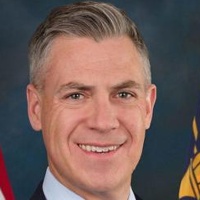
Jim Banks
Senator
IN
Jim Banks
Senator
IN
The William S. Knudsen Defense Remobilization Act establishes a commission to assess and strengthen the U.S. defense industrial base. This body will analyze current production capacity, identify bottlenecks, and review federal regulations hindering defense manufacturing. The Commission must deliver recommendations within one year to boost domestic production capabilities necessary for national security contingencies.