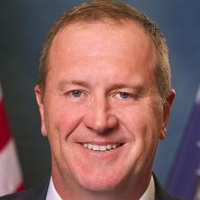
Legislative Activity
Track Eric's sponsored bills, co-sponsored legislation, and voting record
The "Protection of Women and Girls in Sports Act of 2025" amends Title IX to prohibit individuals born male from participating in women's and girls' athletic programs in educational institutions that receive federal funds, defining "sex" as determined at birth.
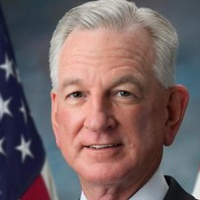
Tommy Tuberville
Senator
AL
Tommy Tuberville
Senator
AL
The "Protection of Women and Girls in Sports Act of 2025" amends Title IX to prohibit schools receiving federal funding from allowing individuals born male to participate in female athletic programs. Sex is defined as determined by reproductive biology and genetics at birth. This bill aims to ensure fair competition for women and girls in sports.
This bill expands the use of 529 education savings accounts to cover expenses related to postsecondary credentialing programs and certifications, offering more flexibility in workforce training investments.

Amy Klobuchar
Senator
MN
Amy Klobuchar
Senator
MN
The "Freedom to Invest in Tomorrow's Workforce Act" amends Section 529 of the Internal Revenue Code to allow the use of 529 education savings accounts for expenses related to postsecondary credential programs. These programs include workforce training, professional certifications, and licenses. This change expands the definition of qualified higher education expenses to include tuition, fees, books, supplies, equipment, and testing fees associated with recognized postsecondary credentials. The bill aims to make workforce training and professional certifications more accessible and affordable.
Streamlines Medicaid and CHIP enrollment for out-of-state providers serving children, reducing administrative burdens and enhancing access to care.
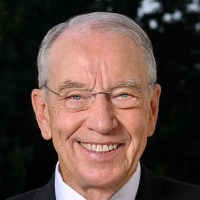
Charles Grassley
Senator
IA
Charles Grassley
Senator
IA
The "Accelerating Kids’ Access to Care Act" streamlines the Medicaid and CHIP enrollment process for out-of-state providers, allowing them to furnish services to individuals under 21 more efficiently. By reducing excessive screening and enrollment requirements, the bill aims to improve access to care for children. Enrolled providers will have a 5-year enrollment period, and the changes will take effect three years after enactment.
The "No Bailout for Sanctuary Cities Act" withholds certain federal funds from sanctuary jurisdictions that obstruct the sharing of immigration status information or compliance with federal detainment requests, while requiring an annual report on non-compliance.

James Risch
Senator
ID
James Risch
Senator
ID
The "No Bailout for Sanctuary Cities Act" aims to defund sanctuary jurisdictions, defined as those that obstruct the sharing of immigration status information or compliance with federal detainment requests, by making them ineligible for certain federal funds. This act requires the Department of Homeland Security to report annually to Congress, identifying non-compliant jurisdictions.
The "Stop Dangerous Sanctuary Cities Act" aims to enhance cooperation between federal and local law enforcement on immigration matters by allowing state and local officers to act as federal agents, defines "sanctuary jurisdictions," and restricts these jurisdictions from receiving certain federal funds.
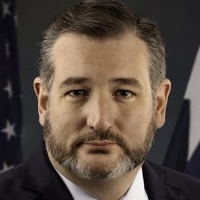
Ted Cruz
Senator
TX
Ted Cruz
Senator
TX
The "Stop Dangerous Sanctuary Cities Act" aims to enhance cooperation between federal and local law enforcement by allowing state and local officers to act as agents of the Department of Homeland Security and protecting them from liability when complying with immigration detainers. It defines "sanctuary jurisdictions" as those that restrict information sharing or compliance with federal detainment requests, and it makes these jurisdictions ineligible for certain federal grants, reallocating those funds to non-sanctuary jurisdictions. This act does not protect individuals who knowingly violate civil or constitutional rights.
The Leveling the Playing Field 2.0 Act strengthens U.S. trade laws to combat unfair trade practices, prevent duty evasion, and protect domestic industries.

Todd Young
Senator
IN
Todd Young
Senator
IN
The Leveling the Playing Field 2.0 Act enhances U.S. trade laws to counteract unfair trade practices by foreign countries. It strengthens the ability of the International Trade Commission to address successive instances of unfair trade, expands countervailing duty authority, and prevents duty evasion. The Act also counters currency undervaluation and sets clear guidelines for implementation and applicability.
This resolution designates February 15–22, 2025, as "National FFA Week" to honor the organization's role in developing future leaders and celebrate its historic milestones.
Todd Young
Senator
IN
Todd Young
Senator
IN
This resolution designates February 15–22, 2025, as "National FFA Week" to celebrate the National FFA Organization’s vital role in developing the next generation of agricultural leaders. It commemorates the 90th anniversary of the New Farmers of America and the 75th anniversary of the FFA’s Federal charter. The bill encourages nationwide participation in honoring the organization's long-standing commitment to leadership, personal growth, and career success.
This bill designates America's National Churchill Museum as a National Historic Landmark and requires a study to evaluate its potential inclusion in the National Park System.
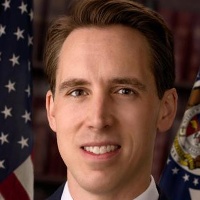
Joshua Hawley
Senator
MO
Joshua Hawley
Senator
MO
The "America's National Churchill Museum National Historic Landmark Act" designates America's National Churchill Museum as a National Historic Landmark. It authorizes the Secretary of the Interior to create cooperative agreements to protect the landmark and provide educational programs. Additionally, the Act requires the Secretary to conduct a special resource study to evaluate the landmark's national significance and the feasibility of incorporating it into the National Park System.
This resolution commemorates the 80th anniversary of the Battle of Iwo Jima and honors the service members who fought in the historic 1945 amphibious assault.
Todd Young
Senator
IN
Todd Young
Senator
IN
This resolution commemorates the 80th anniversary of the Battle of Iwo Jima, honoring the service and sacrifice of the U.S. armed forces who fought in this pivotal World War II engagement. It recognizes the strategic importance of the battle, the iconic flag raising on Mount Suribachi, and the enduring legacy of those who served. Furthermore, the resolution reaffirms the strong bond of friendship and reconciliation between the United States and Japan today.
The "Death Tax Repeal Act of 2025" eliminates estate and generation-skipping transfer taxes, modifies gift tax calculations, and adjusts lifetime gift exemptions.
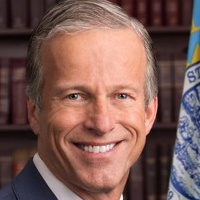
John Thune
Senator
SD
John Thune
Senator
SD
The "Death Tax Repeal Act of 2025" eliminates both estate and generation-skipping transfer taxes, while also modifying gift tax laws. It adjusts gift tax calculations, addresses transfers in trust, sets an initial $10,000,000 amount for calculating tentative tax, and adjusts for inflation. These changes apply to estates of decedents dying, generation-skipping transfers occurring, and gifts made on or after the enactment date of this Act.
The Regulations from the Executive in Need of Scrutiny Act of 2025 (REINS Act) would require congressional approval for major executive branch rules with significant economic impacts before they can take effect.

Rand Paul
Senator
KY
Rand Paul
Senator
KY
The "Regulations from the Executive in Need of Scrutiny Act of 2025" aims to increase transparency and accountability in federal agency rulemaking by requiring congressional approval for major rules with significant economic impact (over $100 million). It establishes procedures for congressional review and approval or disapproval of both major and non-major rules, mandates the publication of guidance documents, and sets expiration dates for major rules. The Act also requires agencies to conduct retrospective reviews of existing rules and includes a regulatory budget to control the costs of regulations. Additionally, the Government Accountability Office must study the number and economic impact of existing rules.
The "Jobs and Opportunities for Medicaid Act" mandates able-bodied adults to meet a minimum work requirement of 20 hours per week to be eligible for Medicaid starting January 1, 2026, with certain exemptions.
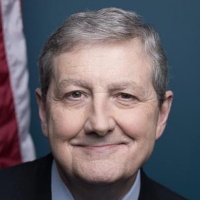
John Kennedy
Senator
LA
John Kennedy
Senator
LA
The "Jobs and Opportunities for Medicaid Act" introduces a work requirement for able-bodied adults aged 18 to 65 to be eligible for Medicaid, beginning January 1, 2026. These adults must work or volunteer at least 20 hours per week, on average, to maintain their medical assistance. Certain individuals, such as those medically unfit for employment, pregnant, primary caretakers, or those in treatment programs, are exempt from this requirement.
This bill removes federal overreach by allowing state and local eviction moratoriums to proceed without conflicting with the CARES Act.

Cindy Hyde-Smith
Senator
MS
Cindy Hyde-Smith
Senator
MS
The "Respect State Housing Laws Act" repeals a provision in the CARES Act that restricted states' abilities to enforce their own eviction moratoriums. This change clarifies that state laws regarding evictions should be respected.
The Complete COVID Collections Act strengthens oversight, extends fraud enforcement deadlines to 10 years, and mandates rigorous collection and reporting requirements for pandemic relief programs to ensure accountability and debt reduction.

Joni Ernst
Senator
IA
Joni Ernst
Senator
IA
The Complete COVID Collections Act strengthens oversight and accountability for federal pandemic relief programs by extending the authority of the Special Inspector General for Pandemic Recovery through 2030. The bill establishes a uniform 10-year statute of limitations for COVID-19 fraud prosecutions, mandates rigorous reporting on collection efforts, and requires that all recovered fraud funds be applied toward reducing the national debt.
The Fair Access to Banking Act aims to prevent financial institutions from denying services to individuals or businesses based on subjective or political reasons, ensuring fair and impartial access to financial services.

Kevin Cramer
Senator
ND
Kevin Cramer
Senator
ND
The Fair Access to Banking Act aims to ensure equal access to financial services by preventing banks and credit unions from denying services to individuals or entities engaged in lawful activities based on subjective or politically motivated reasons. It sets requirements for banks with over $10 billion in assets, prohibiting them from denying services based on reputational risk and requiring them to justify denials with documented, risk-based standards. The act also allows individuals to sue financial institutions that violate these requirements, with the potential for treble damages and attorney fees awarded to successful plaintiffs. Furthermore, it restricts access to Federal Reserve lending programs and the Automated Clearing House Network for institutions that fail to comply with the Act.
The Homeowner Energy Freedom Act repeals federal high-efficiency electric home rebate programs and rescinds all associated unobligated funding.
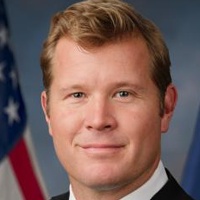
Tim Sheehy
Senator
MT
Tim Sheehy
Senator
MT
The Homeowner Energy Freedom Act proposes the repeal of several federal high-efficiency electric home rebate programs established under Public Law 117-169. Additionally, the bill mandates the rescission of all unobligated funds previously allocated to these specific energy initiatives.
The Educational Choice for Children Act of 2025 establishes a federal tax credit for donations to scholarship-granting organizations to help eligible students cover a wide range of K-12 educational expenses while protecting the autonomy of participating schools and families.
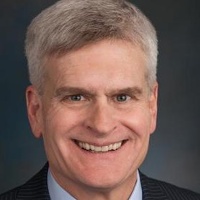
Bill Cassidy
Senator
LA
Bill Cassidy
Senator
LA
The Educational Choice for Children Act of 2025 establishes a federal tax credit for individuals and corporations that donate to scholarship-granting organizations. These organizations provide scholarships to help eligible students cover a wide range of K-12 educational expenses, including private school tuition, tutoring, and educational therapies. The bill includes a $10 billion annual volume cap on these credits and contains robust protections to ensure the autonomy of participating schools and the rights of parents to direct their children's education.
The ACE Act expands 529 education savings account flexibility for K-12 and homeschool expenses, increases annual withdrawal limits, enhances gift tax exclusions, and ties federal tax-exempt bond status to state school choice implementation.
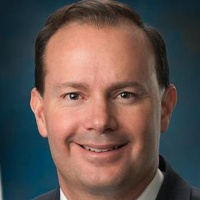
Mike Lee
Senator
UT
Mike Lee
Senator
UT
The Achieving Choice in Education (ACE) Act expands the flexibility and tax benefits of 529 education savings accounts by allowing funds to cover a wider range of K-12 and homeschool expenses while doubling the annual withdrawal limit. Additionally, the bill incentivizes the adoption of state-level school choice programs by conditioning the federal tax-exempt status of state and local bonds on the implementation of such policies.
The A PLUS Act empowers states to consolidate federal education funding and reduce administrative burdens in exchange for increased local accountability and transparency in student performance.
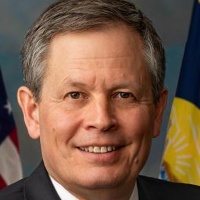
Steve Daines
Senator
MT
Steve Daines
Senator
MT
The A PLUS Act empowers states and local communities to take greater control of federal education funding by reducing administrative red tape and allowing for the consolidation of various programs. By opting into this flexibility, states can better tailor educational reforms to their specific needs while remaining publicly accountable for student achievement. The legislation ensures that states continue to uphold civil rights protections and provide transparent reporting on student progress to parents and taxpayers.
The Laken Riley Act mandates the detention of aliens who commit theft and empowers state attorneys general to sue the Department of Homeland Security or the Secretary of State over immigration enforcement failures.
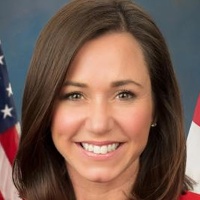
Katie Britt
Senator
AL
Katie Britt
Senator
AL
The Laken Riley Act mandates the detention of illegal aliens who commit theft, burglary, larceny, or shoplifting. It empowers state attorneys general to sue the Department of Homeland Security or the Secretary of State if they believe the state or its residents are harmed by violations of immigration enforcement or visa granting. The bill aims to ensure that these aliens are detained throughout their removal proceedings and to provide states with legal recourse against perceived failures in federal immigration enforcement.