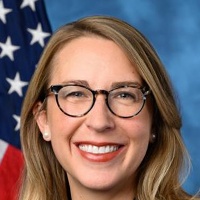
Legislative Activity
Track Hillary's sponsored bills, co-sponsored legislation, and voting record
This bill mandates the removal of U.S. Armed Forces from Venezuela unless explicitly authorized by Congress.
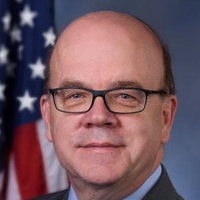
James McGovern
Representative
MA
James McGovern
Representative
MA
This bill mandates the President to withdraw all United States Armed Forces from Venezuela. This action is required unless Congress has formally declared war or passed specific legislation authorizing the use of military force in that country.
This act mandates that Small Business Development Centers assist small businesses in evaluating and implementing artificial intelligence for their operations.
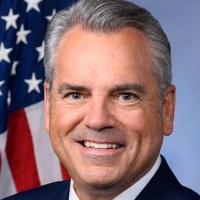
Mark Alford
Representative
MO
Mark Alford
Representative
MO
The AI for Main Street Act directs Small Business Development Centers (SBDCs) to assist small businesses in evaluating and implementing artificial intelligence in their operations. This support includes providing guidance, training on best practices, and outreach regarding AI use for planning, security, and compliance. The bill also formally defines artificial intelligence within the Small Business Act.
This Act mandates the translation of federal gun violence prevention materials and prioritizes grant funding for outreach to limited English proficient populations.
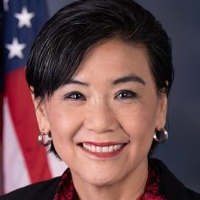
Judy Chu
Representative
CA
Judy Chu
Representative
CA
The Language Access to Gun Violence Prevention Strategies Act of 2026 mandates that federal agencies translate critical gun violence prevention materials into priority languages. It prioritizes federal grant funding for efforts that include targeted outreach to limited English proficient populations. The Act also establishes national public awareness campaigns by the DOJ and HHS specifically designed to increase language access to prevention strategies like Extreme Risk Protection Orders.
This bill prohibits political appointees from managing NIH programs or participating in NIH funding decisions, and prevents the NIH from unilaterally canceling existing research agreements without documented findings of mismanagement or fraud.

Diana DeGette
Representative
CO
Diana DeGette
Representative
CO
The Follow the Science Act aims to insulate the National Institutes of Health (NIH) from political influence by prohibiting most political appointees from working on or managing NIH programs. This legislation specifically bars political employees from participating in the review, selection, or awarding of NIH grants and contracts. Furthermore, it restricts the NIH Director from canceling or delaying existing funding agreements unless specific findings of mismanagement or fraud are documented and reported to Congress.
This act mandates an annual joint hearing where the Comptroller General presents an objective analysis of the federal government's financial audit findings to the Budget Committees.
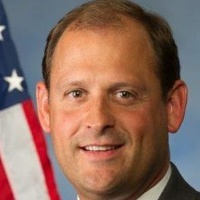
Garland Barr
Representative
KY
Garland Barr
Representative
KY
The Fiscal State of the Nation Act mandates an annual joint hearing where the Comptroller General presents the findings of the federal government's financial audit to the Budget Committees. This presentation must objectively analyze the nation's financial position and sustainability measures based on the Treasury Secretary's report. The hearing ensures public review of the government's fiscal health, open to all members of Congress.
This bill modifies deposits into the Crime Victims Fund by excluding certain False Claims Act recoveries and mandates an Inspector General audit of the Fund's sustainability.
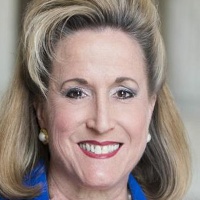
Ann Wagner
Representative
MO
Ann Wagner
Representative
MO
This bill amends the Victims of Crime Act of 1984 to temporarily exclude certain False Claims Act recoveries from being deposited into the Crime Victims Fund through fiscal year 2029. It also mandates a comprehensive audit by the Department of Justice Inspector General on the Fund's sustainability and the impact of recent legislative changes. The resulting report will provide recommendations for improving the Fund's effectiveness and oversight.
This resolution recognizes the 15th anniversary of the 2011 Tucson shooting, honoring the victims, survivors, and the ongoing advocacy of Gabby Giffords.
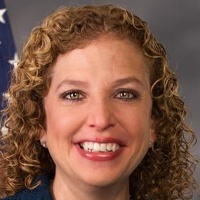
Debbie Wasserman Schultz
Representative
FL
Debbie Wasserman Schultz
Representative
FL
This resolution commemorates the 15th anniversary of the tragic January 8, 2011, Tucson shooting, honoring the six lives lost and the thirteen injured. It specifically commends the courage and ongoing advocacy of gun violence survivor and former Congresswoman Gabby Giffords. The resolution also recognizes the resilience of the community and reaffirms a commitment to ending political violence.
This act mandates the EPA to list all PFAS chemicals with fully fluorinated carbon atoms as hazardous air pollutants and identify their emission source categories under the Clean Air Act.
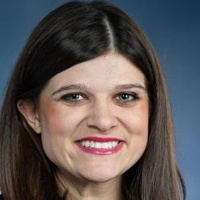
Haley Stevens
Representative
MI
Haley Stevens
Representative
MI
The PROTECT Act of 2026 mandates the Environmental Protection Agency (EPA) to list all perfluoroalkyl and polyfluoroalkyl substances (PFAS) with at least one fully fluorinated carbon atom as hazardous air pollutants. This action requires the EPA to identify and list the specific source categories that emit these newly designated hazardous substances under the Clean Air Act.
This bill mandates quarterly public reports detailing the aggregate cost of tariffs imposed after January 20, 2025, on consumers and small businesses.
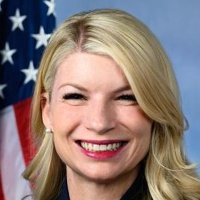
Brittany Pettersen
Representative
CO
Brittany Pettersen
Representative
CO
The Trump Tariff Transparency Act mandates the Small Business Administration to issue quarterly public reports detailing the aggregate cost of tariffs imposed after January 20, 2025, on both consumers and small businesses. These reports, developed in consultation with the Bureau of Economic Analysis, will track the financial impact of these specific tariffs. The final quarterly report of each year must summarize the total annual cost.
The HOTDOG Act mandates the FTC to study and report on concession pricing transparency and fairness at publicly subsidized sports and entertainment venues.

Dan Goldman
Representative
NY
Dan Goldman
Representative
NY
The Honest Oversight of Ticketed Dining and Onsite Grub (HOTDOG) Act mandates the Federal Trade Commission (FTC) to study concession pricing at publicly subsidized sports and entertainment venues. This study will compare in-venue food and drink prices against those in surrounding communities. The FTC must then report its findings and recommendations to Congress within one year to improve pricing transparency and affordability for consumers.
This Act establishes a federal civil cause of action for victims of domestic violence involving reproductive coercion.
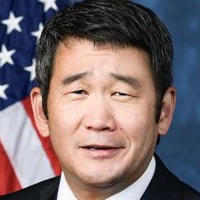
Dave Min
Representative
CA
Dave Min
Representative
CA
The Reproductive Coercion Prevention and Protection Act of 2025 addresses reproductive coercion as a form of intimate partner violence that undermines reproductive autonomy. This bill amends federal law to define reproductive coercion, which includes sabotaging contraception or forcing pregnancy decisions. Crucially, it establishes a new federal civil cause of action allowing victims to sue perpetrators when the abuse involves interstate or foreign commerce. This new right ensures victims can seek damages and relief in federal court for this specific type of domestic violence.
The American Affordability Act of 2025 is a comprehensive bill designed to lower costs for families through expanded housing assistance, clean energy tax credits, monthly child payments, education relief, and enhanced healthcare subsidies.
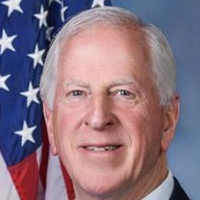
Mike Thompson
Representative
CA
Mike Thompson
Representative
CA
The American Affordability Act of 2025 is a comprehensive bill designed to lower costs across five key areas: housing, energy, family care, education, and healthcare. It achieves this by expanding tax credits for housing construction and homebuyers, extending incentives for clean energy manufacturing and consumer adoption, replacing the Child Tax Credit with larger monthly payments, making higher education expenses more affordable, and permanently expanding subsidies to lower health insurance premiums for millions. Overall, the legislation aims to provide direct financial relief and increase access to essential services for American families and workers.
The Essential Caregivers Act of 2025 guarantees nursing home and long-term care residents the right to designate an essential caregiver who maintains access to them even during public health emergencies.
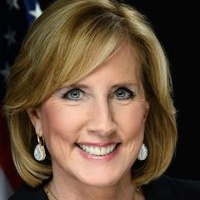
Claudia Tenney
Representative
NY
Claudia Tenney
Representative
NY
The Essential Caregivers Act of 2025 protects the rights of residents in long-term care facilities to designate an essential caregiver who can provide support and companionship. This legislation ensures that these caregivers maintain in-person access to residents even during public health emergencies when general visitation is restricted. By establishing clear protocols and an appeals process, the bill aims to prevent the harmful effects of isolation and ensure residents continue to receive vital care and advocacy.
This act restricts senior government officials and their families from owning or trading specific investments, requiring divestment of existing holdings to restore public trust.
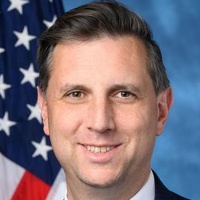
Seth Magaziner
Representative
RI
Seth Magaziner
Representative
RI
The Restore Trust in Government Act establishes strict new federal restrictions on senior government officials and their immediate families regarding the ownership and trading of specific financial investments. Covered individuals must divest existing investments that fall under the law's definition within a set timeframe, with limited exceptions. Violators face significant financial penalties, including a 10% fee on the investment value and disgorgement of any profits earned from prohibited transactions.
This act nullifies a recent Executive Order regarding federal labor relations and ensures existing collective bargaining agreements remain in effect.
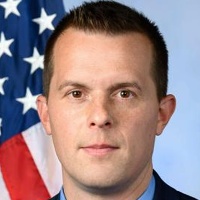
Jared Golden
Representative
ME
Jared Golden
Representative
ME
The Protect America's Workforce Act nullifies a specific Executive Order issued in March 2025 concerning exclusions from federal labor-management relations programs. This legislation ensures that any existing collective bargaining agreements between federal agencies and employee unions remain fully in effect until their stated expiration dates. The Act also prohibits the use of federal funds to implement the overturned Executive Order.
This bill extends enhanced premium tax credits for 2026, establishes strict anti-fraud measures for health insurance agents and brokers, imposes new accountability and transparency requirements on Pharmacy Benefit Managers (PBMs) in Medicare, and extends the 2026 open enrollment period.
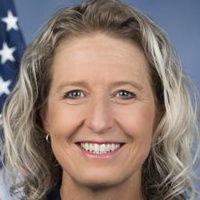
Jennifer Kiggans
Representative
VA
Jennifer Kiggans
Representative
VA
The CommonGround for Affordable Health Care Act extends enhanced premium tax credits for Marketplace health insurance through 2026, while also establishing strict new penalties and verification processes to combat fraud by agents and brokers in health insurance exchanges. Furthermore, the bill imposes significant new transparency and accountability requirements on Pharmacy Benefit Managers (PBMs) contracting with Medicare Part D plans. Finally, it extends the 2026 open enrollment period and creates a fast-track legislative process for future premium tax credit reform bills.
The SAF Act extends and significantly increases the clean fuel production tax credit specifically for sustainable aviation fuel.
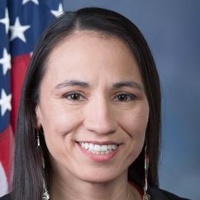
Sharice Davids
Representative
KS
Sharice Davids
Representative
KS
The Securing Americas Fuels (SAF) Act extends and significantly increases the clean fuel production tax credit specifically for sustainable aviation fuel. This legislation establishes higher credit rates per gallon based on carbon capture technology used in production. The bill also extends the applicability of this credit through 2033 for qualifying sustainable aviation fuels.
This Act officially recognizes the installation of mechanical insulation in federal buildings as a qualifying energy or water efficiency measure.
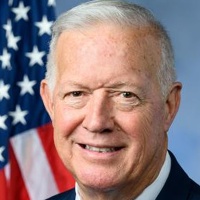
Randy Weber
Representative
TX
Randy Weber
Representative
TX
The Federal Mechanical Insulation Act officially recognizes the installation of mechanical insulation in federal buildings as a qualifying energy or water efficiency measure. This legislation defines compliant mechanical insulation as meeting or exceeding ASHRAE Standard 90.1 requirements and resulting in energy loss reduction. Furthermore, the Act mandates that comprehensive evaluations of federal buildings must identify these specific energy and water-saving insulation opportunities.
This resolution celebrates the 50th anniversary of the Individuals with Disabilities Education Act (IDEA) and recognizes its profound, transformative impact on ensuring a free, appropriate public education for children with disabilities.
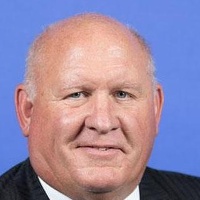
Glenn Thompson
Representative
PA
Glenn Thompson
Representative
PA
This resolution celebrates the 50th anniversary of the Individuals with Disabilities Education Act (IDEA), recognizing its landmark achievement in guaranteeing a free, appropriate public education for every child with a disability. It honors the law's transformative impact since 1975, which ensured access, protected rights, and established critical early intervention services. The resolution reaffirms the commitment to fully implementing IDEA so all students with disabilities have the opportunity to thrive.
This act establishes a hotline for small entities to report government actions, ensuring their burdens are considered while keeping regulatory benefits intact.
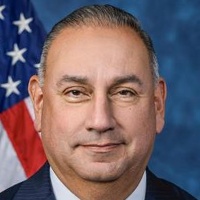
Gilbert Cisneros
Representative
CA
Gilbert Cisneros
Representative
CA
The Cut the Burden, Keep the Benefits Act establishes a dedicated hotline for small entities to report on burdensome government actions. Operated by the Small Business Administration's Chief Counsel for Advocacy, this system will collect information on rules, executive orders, and proclamations affecting small businesses, organizations, and governments. The Chief Counsel must then consider regulatory alternatives to minimize burdens and submit annual reports detailing the most frequently reported actions and their associated benefits and costs.