Legislative Activity
Track Hillary's sponsored bills, co-sponsored legislation, and voting record
The Hands Off Our Great Lakes Act prohibits the federal government from renaming any of the five Great Lakes and nullifies Executive Order 14422.
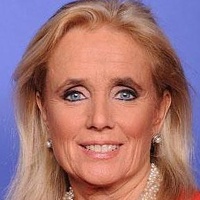
Debbie Dingell
Representative
MI
Debbie Dingell
Representative
MI
The "Hands Off Our Great Lakes Act" prohibits the federal government from altering or renaming any of the five Great Lakes. Additionally, the bill formally nullifies Executive Order 14422, which sought to rename Lake Ontario, and prevents the use of federal funds to implement any similar renaming initiatives in the future.
This bill designates the United States Postal Service facility at 117 West Lovett Street in Charlotte, Michigan, as the "Francis C. Flaherty Post Office Building."
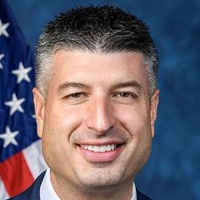
Tom Barrett
Representative
MI
Tom Barrett
Representative
MI
This bill officially designates the United States Postal Service facility located at 117 West Lovett Street in Charlotte, Michigan, as the "Francis C. Flaherty Post Office Building." All official references to this facility will be updated to reflect this new name.
This bill authorizes a seven-year grant program for the National Law Enforcement Officers Memorial Fund to support the National Law Enforcement Museum’s educational, community outreach, and officer wellness initiatives.
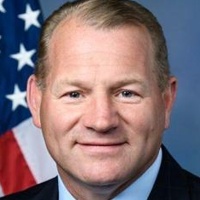
Troy Nehls
Representative
TX
Troy Nehls
Representative
TX
The National Law Enforcement Officers Remembrance, Support, and Community Outreach Act authorizes $6 million in annual grants over seven years to the National Law Enforcement Officers Memorial Fund. These funds will support the National Law Enforcement Museum’s public education, community outreach, and officer safety and wellness programs. As a condition of the grant, the museum must provide free admission to law enforcement officers and their families, as well as dedicated free hours for the general public.
This bill clarifies that a franchisor is only considered a joint employer of a franchisee's workers if it exercises substantial, direct, and immediate control over essential terms of employment.
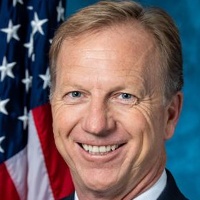
Kevin Hern
Representative
OK
Kevin Hern
Representative
OK
The American Franchise Act aims to protect the traditional franchise business model by clarifying the definition of a "joint employer." This legislation establishes that a franchisor is only considered a joint employer if it exercises "substantial direct and immediate control" over the essential terms of employment for a franchisee's workers. This change specifically targets liability risks associated with maintaining brand standards, ensuring franchisors are not automatically held responsible for local labor practices. The new standard applies prospectively to future legal proceedings.
This resolution recognizes July 21, 2026, as Black Women’s Equal Pay Day to raise awareness of the persistent wage gap and reaffirm the commitment to achieving pay equity.
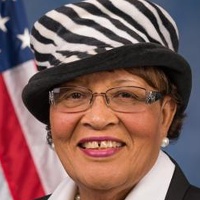
Alma Adams
Representative
NC
Alma Adams
Representative
NC
This resolution recognizes July 21, 2026, as Black Women’s Equal Pay Day to highlight the persistent and significant wage gap between Black women and white, non-Hispanic men. It calls attention to the systemic racial and gender-based barriers contributing to this disparity and reaffirms a commitment to achieving true pay equity.
The "Combating Illicit Xylazine Act" aims to combat the misuse of xylazine by adding it to Schedule III of the Controlled Substances Act, tracking its distribution, and ensuring appropriate penalties for related offenses, while also protecting legitimate veterinary use.
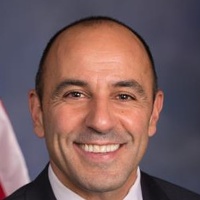
Jimmy Panetta
Representative
CA
Jimmy Panetta
Representative
CA
The "Combating Illicit Xylazine Act" aims to combat the illegal use of xylazine by adding it to Schedule III of the Controlled Substances Act, which would allow for increased regulation and tracking of the substance. The bill includes exemptions and delayed effective dates for certain requirements to ease the transition for legitimate users, such as veterinarians and animal handlers. It also directs the Sentencing Commission to review sentencing guidelines for xylazine-related offenses and mandates reports to Congress on the prevalence and impact of illicit xylazine use. Finally, it will include xylazine in Arcos tracking.
The FDA Modernization Act 3.0 mandates updates to federal regulations to replace references to animal testing with broader "nonclinical" terminology and corrects technical errors in the Federal Food, Drug, and Cosmetic Act.
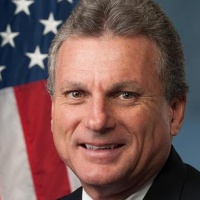
Earl Carter
Representative
GA
Earl Carter
Representative
GA
The FDA Modernization Act 3.0 directs the FDA to update federal regulations by replacing references to "animal testing" with the broader term "nonclinical tests." This update ensures regulatory consistency with modern testing standards and includes a technical correction to the Federal Food, Drug, and Cosmetic Act.
The Stop CHEATERS Act provides significant multi-year funding to the IRS to modernize technology, improve taxpayer services, and enhance tax enforcement efforts focused on high-income individuals and large corporations.
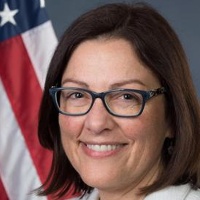
Suzan DelBene
Representative
WA
Suzan DelBene
Representative
WA
The Stop CHEATERS Act provides significant multi-year funding to the IRS to modernize its technology, improve taxpayer services, and strengthen tax enforcement. The bill specifically mandates that the agency prioritize auditing high-income individuals and large corporations to close the tax gap. Additionally, it requires regular reporting to Congress to ensure accountability and progress in these enforcement efforts.
This bill mandates electronic prior authorization, increases transparency through required data reporting, and establishes faster decision timelines for Medicare Advantage plans to improve timely access to care for seniors.
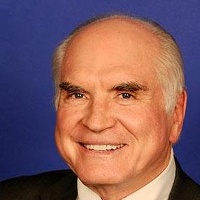
Mike Kelly
Representative
PA
Mike Kelly
Representative
PA
The Improving Seniors’ Timely Access to Care Act of 2025 aims to streamline and modernize the prior authorization process within Medicare Advantage plans. This bill mandates the adoption of electronic prior authorization systems and significantly increases transparency regarding approval rates and decision times starting in 2027. Furthermore, it establishes new enrollee protections and grants the Secretary authority to enforce faster decision timeframes for medical services.
This resolution designates July 10th as Journeyman Lineworkers Recognition Day to honor the essential service and sacrifices of the professionals who maintain our nation’s power grid.
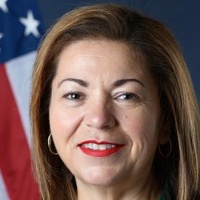
Linda Sánchez
Representative
CA
Linda Sánchez
Representative
CA
This resolution designates July 10th as Journeyman Lineworkers Recognition Day to honor the essential, high-risk work performed by these skilled professionals. It pays tribute to the lineworkers who provide critical service during emergencies and recognizes those who have made the ultimate sacrifice in the line of duty.
This bill mandates that the Small Business Administration conduct a comprehensive study and report on the challenges, needs, and oversight of for-profit child care providers to inform future legislative improvements.
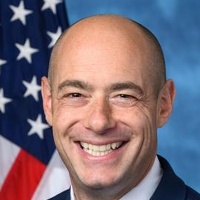
Greg Landsman
Representative
OH
Greg Landsman
Representative
OH
The Child Care Small Business Insight and Improvement Act of 2026 mandates that the Small Business Administration conduct a comprehensive study on the challenges, needs, and resource gaps facing for-profit child care providers. This report will provide Congress with actionable recommendations to improve support for these businesses while identifying strategies to prevent the misuse of federal funds. The initiative aims to strengthen the sector without requiring additional federal appropriations.
This resolution recognizes Michigan's history and celebrates the significant contributions of its citizens to the United States as the nation approaches its 250th anniversary.

John Moolenaar
Representative
MI
John Moolenaar
Representative
MI
This resolution recognizes Michigan's admission as the 26th state and celebrates the significant contributions of its people to the United States. It uses the upcoming 250th anniversary of the Declaration of Independence as an occasion to reflect on Michigan's lasting impact on the nation.
This bill establishes a NIST pilot program to create standardized documentation templates and guidelines for artificial intelligence models and their training data.
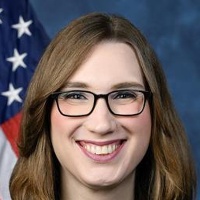
Sarah McBride
Representative
DE
Sarah McBride
Representative
DE
The READ AI Models Act establishes a pilot program, managed by NIST, to create standardized documentation for artificial intelligence models and their training data. This initiative will develop a flexible template and technical guidelines, incorporating stakeholder input, to ensure transparency about AI model development. Following a review, NIST will report on the program's effectiveness and potentially establish permanent documentation standards.
This bill renames and revises the Great American Outdoors Act's maintenance fund, increases dedicated funding through new, higher fees for foreign visitors, and sets spending priorities for deferred maintenance across public lands agencies.
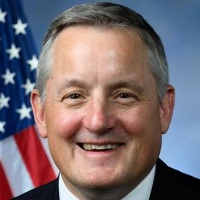
Bruce Westerman
Representative
AR
Bruce Westerman
Representative
AR
This bill, the Great American Outdoors Act 250, significantly reforms and renames the existing public lands restoration fund to the America’s Legacy Restoration Fund. It secures dedicated funding streams, primarily from energy revenues and new fees on foreign visitors, to address critical deferred maintenance across the National Park Service, Forest Service, and other public land agencies. The legislation establishes strict spending priorities for infrastructure repair while also creating pilot programs for enhancing outdoor recreation and sportsmen's access. Finally, it mandates increased transparency and accountability through standardized metrics and public reporting on all funded projects.
This act establishes an Office of Native American Affairs within the SBA to enhance entrepreneurial development, contracting, and capital access for Indian Tribes and Native Hawaiian Organizations.
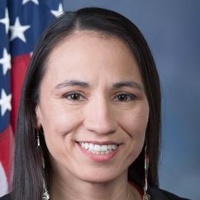
Sharice Davids
Representative
KS
Sharice Davids
Representative
KS
The Native American Entrepreneurial Opportunity Act establishes an Office of Native American Affairs within the Small Business Administration (SBA). This office will focus on connecting Indian Tribes and Native Hawaiian Organizations with SBA resources for entrepreneurial development, contracting, and capital access. Headed by an Assistant Administrator with relevant cultural knowledge, the Office aims to promote economic growth for these communities before its authority sunsets after seven years.
The Latonya Reeves Freedom Act of 2026 strengthens the right of individuals eligible for long-term services and supports to live in the most integrated community setting possible, holding states and providers accountable for transitioning people out of institutions.
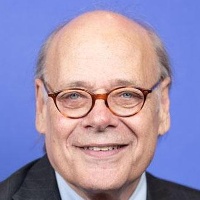
Steve Cohen
Representative
TN
Steve Cohen
Representative
TN
The Latonya Reeves Freedom Act of 2026 aims to strengthen the right of individuals eligible for long-term services and supports (LTSS) to live in the most integrated community setting possible. It prohibits discrimination by public entities and insurers against those who qualify for institutional placement but desire community-based services. The Act mandates comprehensive planning, self-evaluation, and enforcement mechanisms to speed up the transition of individuals out of institutions and ensure maximum control over their supports.
This bill significantly strengthens child labor protections under federal law by expanding definitions of oppressive labor, increasing penalties, enhancing supply chain accountability, and imposing new requirements on federal contractors.
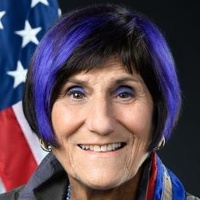
Rosa DeLauro
Representative
CT
Rosa DeLauro
Representative
CT
The CHILD Labor Act significantly strengthens protections against child labor by expanding the definition of oppressive child labor and requiring updated regulations for hazardous work under the Fair Labor Standards Act. It enhances enforcement through supply chain accountability, extended "hot goods" restrictions, liability for successor businesses, and increased civil and criminal penalties for violations. Furthermore, the Act imposes strict child labor requirements on federal contractors and recipients of federal financial assistance.
This bill, the "Protect Local Funding Act," prohibits the finalization, implementation, or enforcement of the proposed "Regulation for Federal Financial Assistance" rule published on May 29, 2026, or any substantially similar rule.
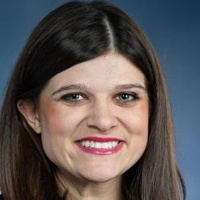
Haley Stevens
Representative
MI
Haley Stevens
Representative
MI
This bill, the "Protect Local Funding Act," prohibits the finalization, implementation, or enforcement of the proposed "Regulation for Federal Financial Assistance" published on May 29, 2026, or any substantially similar rule. It prevents federal agencies from enacting this specific regulation concerning federal financial assistance.
This bill establishes a mandatory timeline and binding arbitration process to expedite the negotiation of first-time collective bargaining agreements between employers and newly certified unions.
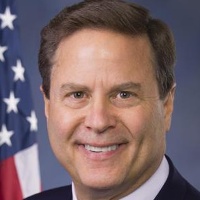
Donald Norcross
Representative
NJ
Donald Norcross
Representative
NJ
The Faster Labor Contracts Act aims to speed up the process of securing a first collective bargaining agreement after a union is certified. It establishes a mandatory timeline, including mediation and binding arbitration, if an agreement is not reached within 90 days of bargaining. This process is designed to prevent lengthy delays that currently weaken the union's position. The bill also requires a GAO report on current time-to-contract averages.
The BLANCHE Act of 2026 strictly controls and prohibits federal payments to the President resulting from any settlement with the United States, requiring mandatory federal court approval for any such agreement.
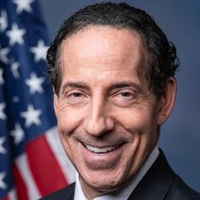
Jamie Raskin
Representative
MD
Jamie Raskin
Representative
MD
The BLANCHE Act of 2026 strictly regulates and prohibits any settlement where the federal government pays the sitting President or a third party at the President's direction to resolve a claim against the United States. Any such agreement must be reviewed and explicitly approved by a federal court after a public hearing to ensure the parties are truly adverse and the settlement is in the interest of justice. These rigorous standards apply retroactively to all existing and future agreements between the President and the United States.