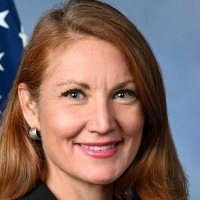
Legislative Activity
Track Melanie's sponsored bills, co-sponsored legislation, and voting record
This bill designates May 2025 as Jewish American Heritage Month while calling for efforts to counter antisemitism and educate the public on the community's vital contributions.
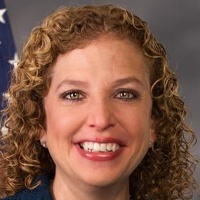
Debbie Wasserman Schultz
Representative
FL
Debbie Wasserman Schultz
Representative
FL
This resolution designates May 2025 as Jewish American Heritage Month to recognize the significant contributions of Jewish Americans to the nation. It also addresses the concerning rise in antisemitism across the country. The bill calls on leaders to actively counter hate, educate the public on Jewish heritage, and ensure the safety and dignity of Jewish Americans.
This resolution condemns attacks on civilians in Sudan, demands an end to external support for the warring parties, and calls for efforts to negotiate a settlement to the civil war.
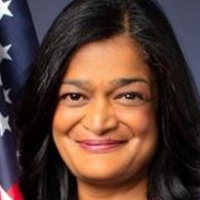
Pramila Jayapal
Representative
WA
Pramila Jayapal
Representative
WA
This resolution condemns the devastating attacks on civilians in the Sudanese civil war and calls for an immediate end to external support fueling the conflict. It urges all parties to cease hostilities and demands robust international efforts to negotiate a settlement leading to civilian-led democratic governance. The bill emphasizes the urgent need to address the massive humanitarian crisis and hold perpetrators of atrocities accountable.
This act establishes universal free breakfast and lunch programs in schools, eliminates meal debt, and updates poverty metrics across various federal education and nutrition programs.

Ilhan Omar
Representative
MN
Ilhan Omar
Representative
MN
The Universal School Meals Program Act of 2026 establishes permanent, universal free breakfast and lunch programs for all enrolled students at participating schools, eliminating income tests and meal debt collection. The bill significantly updates federal funding mechanisms by replacing reliance on free and reduced-price lunch data with new measures for identifying economically disadvantaged students across various education and social programs. Furthermore, it expands access to summer and afterschool meals while making technical amendments across several federal education and nutrition laws.
This bill mandates the Department of Homeland Security to develop and implement mandatory training for its personnel on recognizing and accepting Native American tribal documents as proof of U.S. citizenship.
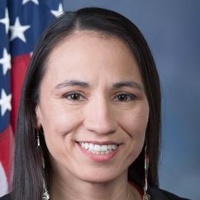
Sharice Davids
Representative
KS
Sharice Davids
Representative
KS
The Respect Tribal IDs Act mandates that the Department of Homeland Security (DHS) develop and implement comprehensive training for its personnel on recognizing and accepting Native American tribal documents as proof of U.S. citizenship. This training will cover proper interaction protocols, document identification, and the U.S. government's trust responsibility to tribes. All immigration enforcement personnel must complete this mandatory training annually and upon regional assignment.
This bill limits drug costs for TRICARE beneficiaries and veterans to Medicare Part D negotiated prices and caps federal procurement prices for drugs covered under the Medicare Drug Price Negotiation Program.
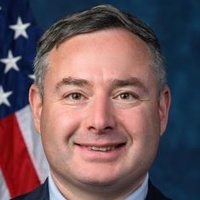
Eugene Vindman
Representative
VA
Eugene Vindman
Representative
VA
The MISSION Rx Act aims to lower prescription drug costs for servicemembers, veterans, and federal procurement programs. It caps the cost-sharing amounts paid by TRICARE beneficiaries and veterans for certain drugs at the level paid by Medicare Part D beneficiaries. Furthermore, the bill limits the price federal agencies pay for these same negotiated drugs under existing procurement agreements.
This resolution commends U.S. public servants for their dedication to defending the Constitution, delivering essential services, and supporting the economy, particularly during Public Service Recognition Week.
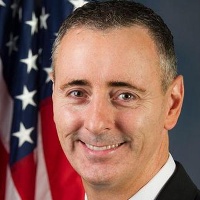
Brian Fitzpatrick
Representative
PA
Brian Fitzpatrick
Representative
PA
This resolution expresses the sense of the House of Representatives commending public servants for their dedication to defending the Constitution and delivering essential services to the American people. It specifically designates the week of May 3 through May 9, 2026, as Public Service Recognition Week. The bill honors the millions of federal, state, and local employees and uniformed service members who support the economy and democratic foundations of the nation.
This bill establishes the Caja del Rio Special Management Area and National Conservation Area to permanently protect its cultural and ecological values while prioritizing tribal involvement in its management and limiting new development and motorized use.
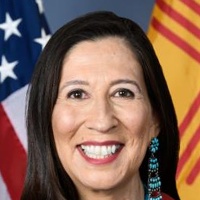
Teresa Leger Fernandez
Representative
NM
Teresa Leger Fernandez
Representative
NM
The Caja del Rio Protection Act establishes two protected zones—the Special Management Area and the National Conservation Area—to permanently safeguard the cultural, ecological, and historical values of roughly 85,000 acres of federal land in New Mexico. The bill significantly limits new roads and motorized vehicle use while prioritizing the involvement of Indian Tribes and traditional communities in management decisions. Furthermore, the Act withdraws the federal land from future mining and mineral leasing while preserving existing grazing rights and essential water infrastructure.
The CHARTER Act prohibits federally funded charter schools from contracting with for-profit entities to operate, oversee, or manage the school's core administration, ensuring public funds serve educational needs rather than generate private profit.

Rosa DeLauro
Representative
CT
Rosa DeLauro
Representative
CT
The CHARTER Act ensures that federally funded charter schools adhere to nonprofit requirements by prohibiting them from contracting with for-profit entities to operate or manage the school's core operations. This legislation aims to prevent public education funds from being diverted as profit for private entities. It clarifies that while core management must remain nonprofit, charters can still contract for specific support services like food or transportation.
The No WAR Act establishes a point of order preventing the use of budget reconciliation to fund unauthorized military hostilities against Iran.
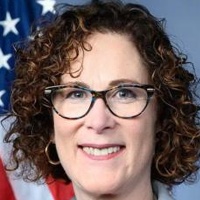
Valerie Hoyle
Representative
OR
Valerie Hoyle
Representative
OR
The No WAR Act establishes a procedural barrier, a "point of order," in Congress to prevent funding for unauthorized military action against Iran through the budget reconciliation process. This means that any reconciliation bill providing budget authority for hostilities against Iran will be out of order unless Congress has first formally authorized that military force. The Act ensures that funding for military conflict against Iran requires explicit prior congressional approval.
This bill nullifies three specific Department of State rules regarding foreign assistance, effectively voiding their implementation and preventing enforcement of similar future policies.
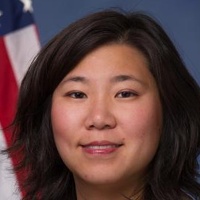
Grace Meng
Representative
NY
Grace Meng
Representative
NY
This Act nullifies three specific Department of State rules concerning foreign assistance, effectively treating them as if they never existed. It prohibits any federal agency from implementing or enforcing these rules, or any substantially similar future policies. The legislation aims to prevent the enforcement of rules related to "Protecting Life," "Discriminatory Equity Ideology," and "Gender Ideology" in foreign aid.
This resolution directs the House Oversight Committee Chair to sue Pamela J. Bondi to compel her testimony regarding the federal government's enforcement of sex trafficking laws related to the Jeffrey Epstein investigation.
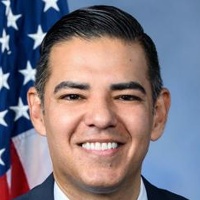
Robert Garcia
Representative
CA
Robert Garcia
Representative
CA
This resolution directs the House Oversight Committee Chair to initiate or intervene in a federal lawsuit within 30 days. The legal action must compel Pamela J. Bondi to comply with a committee subpoena for testimony regarding the DOJ's handling of records related to Jeffrey Epstein and sex trafficking law enforcement.
This Act establishes a phased-in increase of the federal minimum wage, ultimately tying it to two-thirds of the national median hourly wage while also reforming wages for tipped workers, youth workers, and incarcerated workers, and phasing out subminimum wages for workers with disabilities.
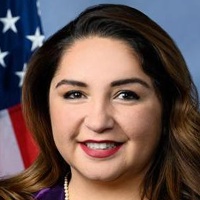
Delia Ramirez
Representative
IL
Delia Ramirez
Representative
IL
The Living Wage For All Act establishes a phased increase of the federal minimum wage, ultimately aiming to tie it to two-thirds of the national median hourly wage. It creates differentiated wage schedules, requiring large corporations to reach higher minimums sooner than other employers. Furthermore, the bill phases out subminimum wages for tipped workers and workers with disabilities, and extends federal wage protections to incarcerated workers.
This bill authorizes increased federal funding for IDEA Parts C and Section 619 programs to restore per-child support for early intervention and preschool special education services.
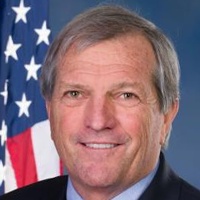
Mark DeSaulnier
Representative
CA
Mark DeSaulnier
Representative
CA
The Funding Early Childhood is the Right IDEA Act aims to restore critical federal funding for early intervention services (Part C) and preschool special education programs (Section 619) under the Individuals with Disabilities Education Act (IDEA). This legislation recognizes that high-quality early services significantly benefit children with disabilities and their families. The bill authorizes specific increased appropriations for both Part C and Section 619 programs through fiscal year 2031.
This bill designates April 2026 as "National County Government Month" to honor the county workforce, educate the public on local services, and celebrate the county's role in governance.
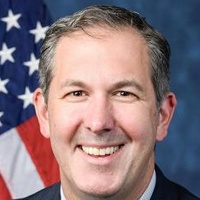
Johnny Olszewski
Representative
MD
Johnny Olszewski
Representative
MD
This bill officially designates April 2026 as "National County Government Month." The purpose is to honor the county government workforce and educate the public on the vital local programs and services counties provide. It encourages counties nationwide to use this month for outreach and celebration of their essential role in American life.
This Act establishes national goals and funding to strengthen influenza vaccine development, manufacturing, supply chains, and public access to diagnostics and treatments to better prepare for seasonal and pandemic flu threats.
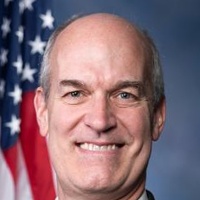
Rick Larsen
Representative
WA
Rick Larsen
Representative
WA
This Act aims to significantly bolster the nation's preparedness against seasonal and pandemic influenza threats. It establishes ambitious goals for rapid vaccine development, strengthens domestic manufacturing and supply chains for vaccines and diagnostics, and funds key public health programs. Furthermore, the bill focuses on increasing public access to vaccines and treatments while combating misinformation to build confidence in public health measures.
This act establishes strict contaminant limits, mandatory testing, and enhanced FDA oversight for baby and toddler foods, while also improving food traceability and inspection authority.
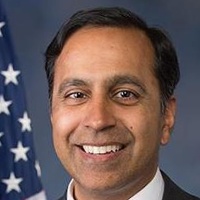
Raja Krishnamoorthi
Representative
IL
Raja Krishnamoorthi
Representative
IL
The Baby Food Safety Act of 2026 establishes strict new limits and testing requirements for toxic contaminants like lead and arsenic in infant and toddler foods. It mandates that manufacturers implement rigorous sampling and testing programs, with results subject to FDA oversight. Additionally, the bill enhances FDA authority for mandatory recalls and modernizes inspection procedures, including allowing remote record requests.
This Act establishes the creation and placement of three memorial plaques in New Mexico to honor the Downwinder communities affected by the 1945 atomic bomb test.
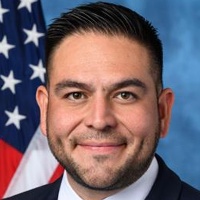
Gabriel (Gabe) Vasquez
Representative
NM
Gabriel (Gabe) Vasquez
Representative
NM
The Downwinder Commemoration Act of 2025 establishes a formal recognition of New Mexico communities affected by the 1945 atomic bomb test. This legislation mandates the creation and placement of three memorial plaques honoring the Downwinders. These plaques will be installed at publicly accessible locations within the White Sands Missile Range, Holloman Air Force Base, and White Sands National Park.
This Act establishes federal programs to address the impact of climate change risks, like extreme heat and pollution, on maternal and infant health through grants, education, research, and risk zone identification.
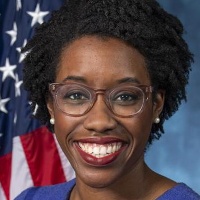
Lauren Underwood
Representative
IL
Lauren Underwood
Representative
IL
The Protecting Moms and Babies Against Climate Change Act directs the Department of Health and Human Services to address how climate change risks, like extreme heat and pollution, harm maternal and infant health. The bill establishes grant programs to support local efforts and education, and mandates research and strategies to identify high-risk zones for pregnant individuals and young children. Its goal is to reduce adverse outcomes such as preterm birth, low birth weight, and maternal mortality linked to climate change.
This bill mandates a 15 percent increase in the annual base pay for all career Transportation Security Administration (TSA) employees.
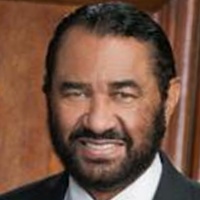
Al Green
Representative
TX
Al Green
Representative
TX
This bill, officially titled the "Original Legislation to Give TSA Employees a Raise," mandates a 15 percent increase to the annual base pay for all TSA career employees and corresponding pay bands. This pay raise will take effect starting with the first pay period immediately following the law's enactment.
This bill designates April as Cancer Prevention and Early Detection Month to renew the national commitment to reducing cancer burden through increased awareness, access to screening, and preventive action.
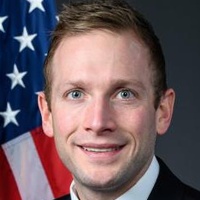
Max Miller
Representative
OH
Max Miller
Representative
OH
This bill designates April as Cancer Prevention and Early Detection Month to renew the national commitment to reducing the burden of cancer. It aims to address gaps in screening access and promote preventive actions across all populations. The legislation encourages federal investment in early detection programs and supports advancements in lifesaving cancer innovation.