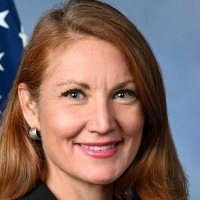
Legislative Activity
Track Melanie's sponsored bills, co-sponsored legislation, and voting record
Expresses the House of Representatives' disapproval of the President's decision to withdraw the United States from the Paris Agreement, urging the President to reverse his decision and Congress to prioritize climate change leadership.
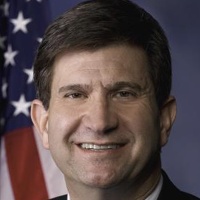
Bradley Schneider
Representative
IL
Bradley Schneider
Representative
IL
This bill expresses the House of Representatives' disapproval of the President's decision to withdraw the United States from the Paris Agreement, recognizing climate change as a threat and highlighting the increasing costs of extreme weather events. It commends entities supporting the Agreement, urges the President to reconsider, and encourages Congress to prioritize U.S. leadership on climate change.
The Expanding Head Start Eligibility Act of 2025 broadens access to Head Start programs by formally defining the public assistance criteria used to determine participant eligibility.

John Garamendi
Representative
CA
John Garamendi
Representative
CA
The Expanding Head Start Eligibility Act of 2025 broadens access to Head Start programs by clearly defining "public assistance" to include a wider range of federal and state support programs. This update ensures that families receiving various forms of aid, such as SNAP, SSI, and housing assistance, can more easily qualify for early childhood education services.
Designates January as "Muslim-American Heritage Month" to honor the contributions, culture, and heritage of Muslim Americans in the United States. Encourages the celebration of Muslim Americans' role in the U.S. economy, culture, and identity through public education and awareness events.

André Carson
Representative
IN
André Carson
Representative
IN
This bill recognizes January as "Muslim-American Heritage Month" to celebrate the heritage, culture, and significant contributions of Muslim Americans to the United States. It acknowledges their diverse backgrounds, contributions across various sectors, and service in the Armed Forces. The bill supports raising public awareness and encourages the observance of the month with celebratory events.
This bill authorizes the Department of Veterans Affairs to provide annual reimbursements of at least $2,000 to eligible health care professionals for continuing professional education expenses.
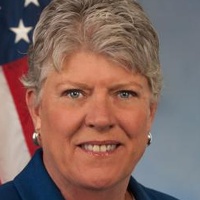
Julia Brownley
Representative
CA
Julia Brownley
Representative
CA
The VA CPE Modernization Act updates and standardizes the reimbursement process for continuing professional education expenses for Department of Veterans Affairs health care professionals. The bill establishes a guaranteed annual reimbursement of up to $2,000 for a wide range of medical staff, including physicians, nurses, and social workers. This measure ensures that VA health care providers can maintain their professional credentials and stay current with evolving medical standards.
The Health Care Providers Safety Act of 2025 authorizes federal grants to help health care facilities enhance their physical and cybersecurity measures to ensure the safety of personnel and patients.
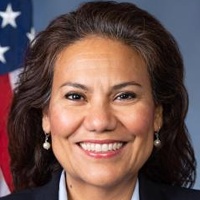
Veronica Escobar
Representative
TX
Veronica Escobar
Representative
TX
The Health Care Providers Safety Act of 2025 authorizes federal grants to help health care facilities enhance the safety of their personnel, patients, and infrastructure. These funds support critical security upgrades, including physical site improvements, advanced surveillance systems, and strengthened cybersecurity measures.
The Headwaters Protection Act of 2025 expands and increases funding for the Water Source Protection Program to improve watershed health, water quality, and climate resilience on National Forest lands and adjacent non-federal areas.

Jim Costa
Representative
CA
Jim Costa
Representative
CA
The Headwaters Protection Act of 2025 strengthens the Water Source Protection Program by expanding its scope to include adjacent non-federal lands and increasing annual funding to $30 million. This legislation enhances watershed health and water security by fostering collaborative partnerships, streamlining project implementation, and prioritizing resilience against wildfire and drought. Additionally, it establishes new safeguards to ensure forest management activities do not cause long-term degradation to watershed conditions.
The Assuring Medicare’s Promise Act of 2025 strengthens the Medicare Hospital Insurance Trust Fund by expanding the net investment income tax and directing its revenue toward long-term program solvency.

Lloyd Doggett
Representative
TX
Lloyd Doggett
Representative
TX
The Assuring Medicare’s Promise Act of 2025 aims to strengthen the Medicare Hospital Insurance Trust Fund by redirecting revenue from the net investment income tax directly to the program. Additionally, the bill expands the scope of this tax for high-income earners by including certain trade or business income and foreign earnings in the tax base. These measures are designed to improve the long-term financial stability of Medicare starting in 2026.
The Neighbors Not Enemies Act repeals the Alien Enemies Act to eliminate outdated statutes concerning the treatment of foreign nationals during wartime.

Ilhan Omar
Representative
MN
Ilhan Omar
Representative
MN
The Neighbors Not Enemies Act seeks to repeal the Alien Enemies Act of 1798. By eliminating these long-standing statutes, the bill aims to remove the legal framework that currently allows for the detention and deportation of non-citizens based solely on their country of origin during times of declared war.
This Act permanently protects the Boundary Waters Canoe Area Wilderness by withdrawing over 225,000 acres of federal land in the Rainy River Watershed from future mineral leasing and sulfide-ore mining.
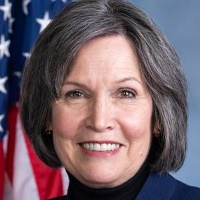
Betty McCollum
Representative
MN
Betty McCollum
Representative
MN
The Boundary Waters Wilderness Protection and Pollution Prevention Act permanently protects over 225,000 acres of federal land and water in Minnesota’s Rainy River Watershed from the risks of sulfide-ore copper mining. By withdrawing these lands from mineral leasing and development, the bill safeguards the region’s pristine water quality, wilderness values, and treaty-protected resources. This legislation ensures the long-term ecological integrity of the Boundary Waters Canoe Area Wilderness and supports the local amenity-based economy.
This bill codifies Executive Order 14096 to permanently establish the federal government's commitment to achieving environmental justice for all.
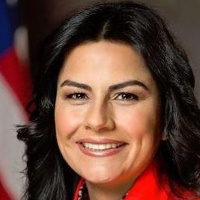
Nanette Barragán
Representative
CA
Nanette Barragán
Representative
CA
This bill formally codifies Executive Order 14096, elevating the federal commitment to environmental justice into permanent statute. By establishing this mandate as law, the legislation ensures that the principles of equitable environmental protection carry the full force and effect of a congressional act.
The Food Deserts Act establishes a federal grant program to help states provide low-interest loans for opening and operating grocery stores in underserved communities.
André Carson
Representative
IN
André Carson
Representative
IN
The Food Deserts Act establishes a federal grant program to help states create revolving loan funds for grocery stores in underserved communities. These funds provide affordable financing to support the opening and operation of stores that prioritize healthy, affordable food. By incentivizing local hiring and community-focused business practices, the Act aims to increase access to nutritious food in areas that need it most.
The Equal COLA Act amends federal law to ensure Federal Employees Retirement System (FERS) annuities receive full annual cost-of-living adjustments regardless of the annuity's start date.

Gerald Connolly
Representative
VA
Gerald Connolly
Representative
VA
The Equal COLA Act amends the Federal Employees Retirement System (FERS) to ensure that retirees receive the full annual cost-of-living adjustment (COLA). This legislation eliminates current discrepancies in calculation methods, providing federal annuitants with a COLA that matches the full percentage change in the price index.
The Saving the Civil Service Act protects the merit-based federal workforce by restricting the ability of agencies to reclassify competitive service positions into the excepted service.
Gerald Connolly
Representative
VA
Gerald Connolly
Representative
VA
The Saving the Civil Service Act protects the merit-based federal workforce by restricting the ability of agencies to reclassify competitive service positions into the excepted service. The bill establishes strict oversight, limits the number of positions that can be transferred, and mandates employee consent for such reclassifications. These measures ensure that federal staffing remains professional and protected from arbitrary political interference.
The Chiropractic Medicare Coverage Modernization Act of 2025 expands Medicare coverage to include all services provided by doctors of chiropractic that are within the scope of their state licensure.
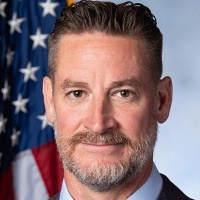
W. Steube
Representative
FL
W. Steube
Representative
FL
The Chiropractic Medicare Coverage Modernization Act of 2025 expands Medicare coverage to include all services legally authorized under a chiropractor’s state license, moving beyond the current restriction limited to manual spinal manipulation. This legislation aligns Medicare benefits with private insurance and other federal health programs to better reflect modern chiropractic practice. To provide these expanded services, chiropractors will be required to complete a one-time training program verified by the Secretary of Health and Human Services.
This bill authorizes the presentation of a Congressional Gold Medal to Muhammad Ali in recognition of his extraordinary athletic achievements and humanitarian contributions to the United States.
André Carson
Representative
IN
André Carson
Representative
IN
The Muhammad Ali Congressional Gold Medal Act authorizes the presentation of a Congressional Gold Medal to Muhammad Ali in recognition of his extraordinary athletic achievements and lifelong humanitarian contributions. The bill directs the Secretary of the Treasury to design and strike the medal for presentation to his wife, Lonnie Ali, and authorizes the production and sale of bronze duplicates.
This Act directs the Secretary of the Treasury to mint commemorative coins in 2028 to honor the diverse women who served on the Home Front during World War II, with proceeds supporting the Rosie the Riveter WWII Home Front National Historical Park.
John Garamendi
Representative
CA
John Garamendi
Representative
CA
The Rosie the Riveter Commemorative Coin Act directs the Secretary of the Treasury to mint and issue a series of commemorative coins in 2028 to honor the diverse women who served on the Home Front during World War II. Proceeds from the sale of these coins will support the Rosie the Riveter Trust in its efforts to maintain the Rosie the Riveter/WWII Home Front National Historical Park and fund educational programs. This initiative ensures the legacy of these essential workers is preserved and recognized through a national numismatic program.
This bill prohibits the Department of Education from using appropriated funds to reorganize, decentralize, or reduce its current staffing and operational structure.
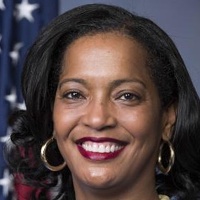
Jahana Hayes
Representative
CT
Jahana Hayes
Representative
CT
The Department of Education Protection Act prohibits the Department of Education from using federal funds to reorganize, decentralize, or reduce its staffing and operations. This legislation mandates that the Department must maintain the structure, authority, and functions that were in place as of January 1, 2025.
The LNG Public Interest Determination Act of 2025 mandates that the Secretary of Energy conduct rigorous climate, economic, and environmental justice assessments before authorizing any natural gas exports to ensure they align with the public interest.
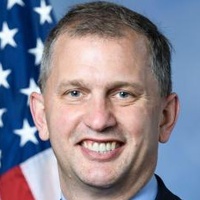
Sean Casten
Representative
IL
Sean Casten
Representative
IL
The LNG Public Interest Determination Act of 2025 mandates that the Secretary of Energy approve natural gas exports only after a rigorous public interest review. This process requires comprehensive climate, economic, and environmental justice assessments to ensure that exports do not negatively impact U.S. consumer prices, global climate goals, or vulnerable communities. Additionally, the bill eliminates previous regulatory exemptions, ensuring all export authorizations undergo full environmental review under the National Environmental Policy Act.
Recognizes the contributions of Korean Americans to American society and designates January 13 of each year as Korean American Day. Encourages all Americans to acknowledge the vital role of Korean Americans in the U.S. and celebrates the anniversary of the first Korean immigrants' arrival.
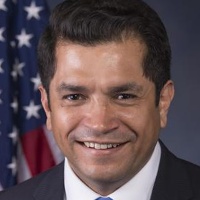
Jimmy Gomez
Representative
CA
Jimmy Gomez
Representative
CA
This bill designates January 13th of each year as Korean American Day. It recognizes the important influence, contributions, and sacrifices of Korean Americans in the United States, and celebrates the 122nd anniversary of the arrival of the first Korean immigrants to the U.S. The bill encourages all Americans to acknowledge and celebrate the integral role of Korean Americans in strengthening the ties between the United States and the Republic of Korea.
This bill prohibits Members of Congress, their spouses, and their dependents from owning or trading individual stocks and other financial assets to prevent conflicts of interest.
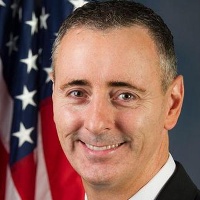
Brian Fitzpatrick
Representative
PA
Brian Fitzpatrick
Representative
PA
The Bipartisan Restoring Faith in Government Act prohibits Members of Congress, their spouses, and their dependents from owning or trading individual stocks, commodities, and other specified financial instruments. To comply, covered individuals must divest these assets or place them into a qualified blind trust. The bill establishes strict oversight, reporting requirements, and civil penalties for non-compliance to prevent conflicts of interest.