This resolution designates April 10 as "Dolores Huerta Day" to honor the enduring legacy and civil rights contributions of the trailblazing labor leader.
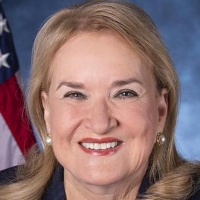
Sylvia Garcia
Representative
TX-29
This resolution designates April 10 as "Dolores Huerta Day" to honor the enduring legacy of the trailblazing labor and civil rights leader. It recognizes her foundational role in the farm workers movement, her advocacy for equality, and her lifelong commitment to nonviolent activism. The bill celebrates her historic achievements and encourages the continued pursuit of civil rights for all.
New Federal Resolution Designates April 10 as Dolores Huerta Day to Honor Labor and Civil Rights Legacy
This resolution officially recognizes the life and massive influence of Dolores Huerta by designating April 10—her birthday—as 'Dolores Huerta Day.' Unlike complex tax codes or regulatory overhauls, this is a commemorative measure designed to cement her place in American history. It specifically honors her journey from a 1950s community activist to a co-founder of the National Farm Workers Association in 1962, alongside Cesar Chavez. For anyone who has ever used the phrase 'Sí Se Puede,' this bill formally credits Huerta as the originator of that rallying cry and acknowledges her decades of nonviolent advocacy for the people who put food on our tables.
Roots of the Movement
The resolution walks through the specific milestones that changed the landscape for American workers. It highlights her leadership in the 1965 Delano grape strike and the subsequent nationwide boycotts that forced the industry to the bargaining table. These actions didn't just win better pay; they led to the landmark California Agricultural Labor Relations Act of 1975, which gave farm workers the right to collective bargaining. For a modern office worker or tradesperson, this history is the blueprint for the labor protections many take for granted today, such as safer working conditions and the right to organize without fear of retaliation.
Beyond the Fields
This isn't just a look back at labor history; it also focuses on Huerta’s work in gender equality and political representation. The text notes her induction into the National Women's Hall of Fame in 1993 and her 'Feminization of Power' campaign, which aimed to get more women and Latinos into public office. By listing her nine honorary doctorates and the Presidential Medal of Freedom she received in 2012, the resolution frames her legacy as a continuous effort toward '50/50 representation.' For busy professionals today, the resolution serves as a formal nod to the ongoing push for diversity and equal protection in both the workplace and the voting booth.
What This Means for You
In practical terms, this resolution doesn't create new taxes, change your healthcare, or add a federal paid holiday to your calendar. Instead, it acts as a permanent record of achievement that can be used by schools, local governments, and community organizations to guide educational programming. It’s a formal 'thank you' to a woman who spent her life fighting for the 'everyman' and 'everywoman.' By establishing this day, the government is signaling that the contributions of labor organizers and civil rights leaders are a fundamental part of the American story, ensuring that future generations of workers understand the origins of their rights.