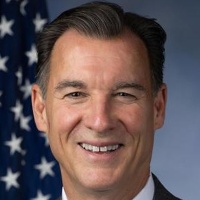
Legislative Activity
Track Thomas's sponsored bills, co-sponsored legislation, and voting record
This bill extends the special rule allowing low emission and energy efficient vehicles access to HOV lanes until the end of 2026 and mandates a study on the effectiveness of this provision.
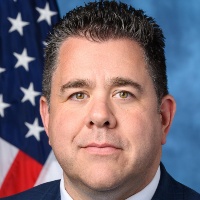
Nicolas LaLota
Representative
NY
Nicolas LaLota
Representative
NY
This bill extends the special rule allowing low emission and energy-efficient vehicles access to High Occupancy Vehicle (HOV) lanes until December 31, 2026. It also mandates a study by the Secretary of Transportation to evaluate the effectiveness of this provision on reducing traffic congestion.
This resolution demands the President provide the House with documents detailing the Department of Government Efficiency's access to and planned use of a cloud copy of the Social Security Administration's NUMIDENT database.
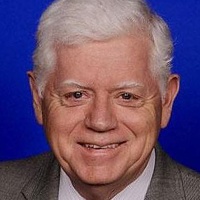
John Larson
Representative
CT
John Larson
Representative
CT
This resolution is a formal request from the House of Representatives demanding the President provide specific documents regarding the Department of Government Efficiency's access to and use of sensitive Social Security Administration (SSA) data, particularly the NUMIDENT database. Congress seeks detailed information on the creation of a cloud copy of NUMIDENT, including its intended uses, security assessments, and who has been granted access. The inquiry specifically targets records concerning data usage for federal audits, benefit denials, AI training, and potential private sales.
This bill posthumously awards a Congressional Gold Medal to honor the groundbreaking civil rights achievements of Constance Baker Motley and authorizes the production and sale of bronze duplicates.

Rosa DeLauro
Representative
CT
Rosa DeLauro
Representative
CT
This bill, the Congressional Tribute to Constance Baker Motley Act of 2025, posthumously awards the Congressional Gold Medal to the pioneering civil rights attorney and federal judge, Constance Baker Motley. The legislation recognizes her historic achievements, including her role in *Brown v. Board of Education* and her service as the first African-American woman appointed as a federal judge. The Secretary of the Treasury is authorized to strike the medal, and provisions are made for selling bronze duplicates to cover production costs.
The RESULTS Act reforms how Medicare determines payment rates for clinical diagnostic laboratory tests by mandating the use of comprehensive, real-world private payor claims data collected from an independent entity.
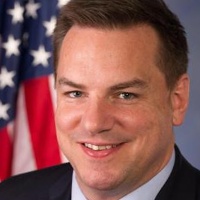
Richard Hudson
Representative
NC
Richard Hudson
Representative
NC
The Reforming and Enhancing Sustainable Updates to Laboratory Testing Services Act of 2025 (RESULTS Act) aims to improve Medicare payment rates for clinical lab tests by mandating the collection of more accurate, real-world payment data directly from large, independent private insurance claims databases. This legislation updates definitions, collection timelines, and calculation methods to ensure Medicare payments for widely available tests reflect current market rates. It also establishes default payment rules if sufficient private payor data cannot be secured.
The PART Act establishes new federal requirements for marking catalytic converters, creates a grant program for VIN stamping, tightens record-keeping for used parts dealers, and increases criminal penalties for theft and trafficking of catalytic converters.
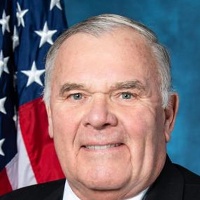
James Baird
Representative
IN
James Baird
Representative
IN
The PART Act aims to combat catalytic converter theft by requiring new vehicles to have traceable identifying markers on these parts. It establishes a federal grant program to help entities stamp identifying numbers onto existing converters. Furthermore, the bill imposes strict record-keeping requirements on businesses that buy used converters and creates new federal criminal penalties for stealing or trafficking stolen catalytic converters.
This act removes a federal payment limitation for certain state Medicaid home and community-based services (HCBS) waivers.

Debbie Dingell
Representative
MI
Debbie Dingell
Representative
MI
The HCBS Worker Protection Act of 2025 removes a federal payment limitation for certain home and community-based services (HCBS) waivers under Medicaid. This change grants states greater flexibility in receiving federal matching funds for these essential community services.
The Mental Health in Aviation Act of 2025 mandates the FAA to update mental health regulations, improve medical clearance processes, fund more aviation medical examiners, and launch an anti-stigma campaign for aviation workers.
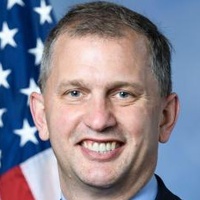
Sean Casten
Representative
IL
Sean Casten
Representative
IL
The Mental Health in Aviation Act of 2025 directs the FAA to update regulations to encourage aviation workers to seek mental health support without fear of stigma. The bill mandates annual reviews of the medical clearance process and allocates funding to hire more Aviation Medical Examiners. Furthermore, it requires the FAA to implement recommendations from a recent mental health task force and launch a public awareness campaign to reduce stigma.
This Act grants general aviation airports increased authority, in consultation with the FAA and the community, to implement local flight route adjustments for aircraft noise reduction without jeopardizing federal funding.
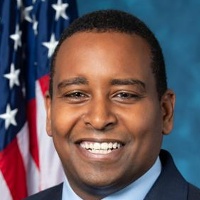
Joe Neguse
Representative
CO
Joe Neguse
Representative
CO
The Aircraft Noise Reduction Act grants general aviation airports increased authority to work with the FAA to implement local aircraft noise limitations. This process requires consultation with airport owners and consideration of community input when adjusting flight and training routes. Crucially, airports taking these noise-reduction actions will not face the loss of federal funding as a result.
This bill extends Haiti's preferential trade benefits until 2037, enhances annual labor compliance reviews for producers, and mandates U.S. technical assistance to boost and diversify Haitian exports.
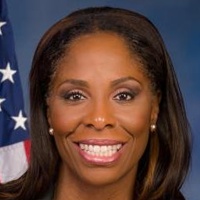
Stacey Plaskett
Representative
VI
Stacey Plaskett
Representative
VI
The HOPE for Haitian Prosperity Act of 2025 strengthens trade benefits for Haiti by extending preferential duty treatment until 2037 and increasing annual labor compliance reviews focusing on wages and working conditions. The bill also mandates the U.S. Trade Representative to provide targeted technical assistance aimed at increasing and diversifying Haitian exports to the United States. These measures seek to enhance Haiti's economic competitiveness while ensuring adherence to core labor standards.
This Act limits the sharing of consumer reports requested in connection with a residential mortgage loan to prevent unauthorized access to homebuyers' sensitive financial information.
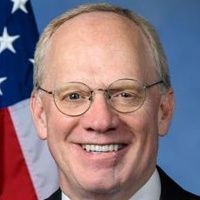
John Rose
Representative
TN
John Rose
Representative
TN
The Homebuyers Privacy Protection Act limits how consumer reporting agencies can share a consumer's report when it is requested in connection with a residential mortgage loan. Reports can only be shared with entities directly involved in the consumer's current mortgage or those providing a firm offer of credit or insurance. The Act also mandates a study by the GAO regarding the use and impact of "trigger leads" derived from credit checks.
This bill extends enhanced financial assistance for purchasing health insurance through the Marketplace until the end of 2026.
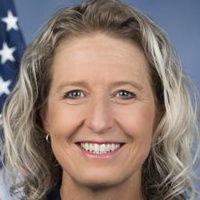
Jennifer Kiggans
Representative
VA
Jennifer Kiggans
Representative
VA
The Bipartisan Premium Tax Credit Extension Act extends the enhanced financial assistance available for purchasing health insurance through the Marketplace. This legislation pushes the expiration date for these boosted premium tax credits, including those for higher earners, from the end of 2025 through the end of 2026. Essentially, it ensures continued, robust subsidies for Marketplace health coverage.
The Quiet Communities Act of 2025 reestablishes the EPA's Office of Noise Abatement and Control to combat noise pollution through research, technical assistance, and funding for state and local programs.

Grace Meng
Representative
NY
Grace Meng
Representative
NY
The Quiet Communities Act of 2025 addresses the growing public health crisis caused by noise pollution by reestablishing the Environmental Protection Agency's (EPA) Office of Noise Abatement and Control. This office will be tasked with researching noise impacts, supporting state and local noise control efforts through technical assistance and grants, and conducting a specific study on aircraft noise. The Act authorizes \$25 million annually through Fiscal Year 2030 to fund these critical national noise reduction initiatives.
The FEMA Act of 2025 establishes FEMA as an independent, cabinet-level agency and enacts sweeping reforms across public assistance, individual aid, and mitigation programs to speed up recovery and increase transparency.
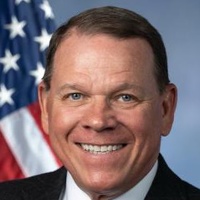
Sam Graves
Representative
MO
Sam Graves
Representative
MO
The FEMA Act of 2025 establishes the Federal Emergency Management Agency (FEMA) as an independent, cabinet-level agency to lead a unified, all-hazards approach to national emergency management. The bill enacts sweeping reforms across Public Assistance, Individual Assistance, and Mitigation programs to accelerate recovery, streamline funding, and reduce bureaucratic hurdles for disaster survivors and communities. Furthermore, it mandates significant new transparency measures, including public data reporting and GAO oversight, to ensure accountability for federal disaster spending.
This Act bans Members of Congress and their immediate families from trading or owning specific investments while in office, requiring divestment within 90 to 180 days or facing significant financial penalties.

Chip Roy
Representative
TX
Chip Roy
Representative
TX
The Restore Trust in Congress Act establishes strict new rules prohibiting Members of Congress and their immediate families from owning or trading specific financial assets, referred to as "covered investments," while in office. Covered individuals must divest existing prohibited holdings within a set timeframe or face significant financial penalties, including fines and forfeiture of profits. The legislation aims to eliminate conflicts of interest arising from personal financial trading while serving in federal office.
This bill exempts federal actions for infill housing construction from NEPA review and accelerates the required frequency of state natural hazard risk assessments.
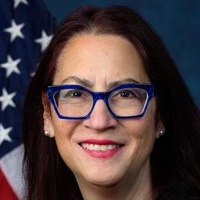
Laura Friedman
Representative
CA
Laura Friedman
Representative
CA
This bill exempts federal actions related to the construction of qualifying infill housing from the environmental review requirements of the National Environmental Policy Act (NEPA). It defines qualifying infill housing based on location, size, and successful environmental site assessments. Additionally, the legislation accelerates the required frequency for states to update their natural hazard risk assessments from every five years to every three years.
This bill mandates a Department of Defense report assessing the threat posed by violent antisemitism within transnational extremist movements by March 20, 2026.
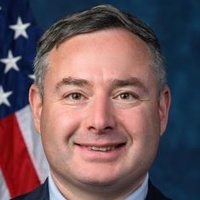
Eugene Vindman
Representative
VA
Eugene Vindman
Representative
VA
The Violent Antisemitism Threat Assessment Act mandates the Secretary of Defense to produce a comprehensive report by March 20, 2026. This report must detail the threat posed by violent antisemitism when integrated within transnational extremist movements. It will specifically analyze antisemitic ideology, related violence, propaganda, and the resulting danger to U.S. persons and interests globally.
This bill authorizes the award of a Congressional Gold Medal to honor the service and sacrifice of Army and Navy nurses who served during World War II.
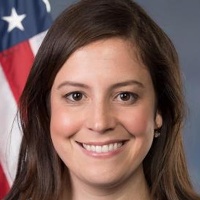
Elise Stefanik
Representative
NY
Elise Stefanik
Representative
NY
This bill authorizes Congress to award the Congressional Gold Medal to the nurses who served in the Army and Navy Nurse Corps during World War II to recognize their extraordinary service and sacrifice. The legislation highlights the dangerous conditions these nurses faced, often without full military status or benefits. The Secretary of the Treasury will strike the medal, which will ultimately be housed at the Smithsonian Institution. The Act also permits the sale of bronze duplicates to cover production costs.
This act mandates that the Department of Veterans Affairs must provide abortion care, counseling, and related services and medication to eligible veterans and certain other individuals.
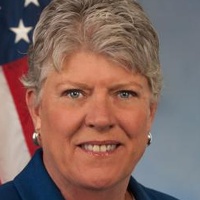
Julia Brownley
Representative
CA
Julia Brownley
Representative
CA
The Reproductive Freedom for Veterans Act mandates that the Department of Veterans Affairs (VA) must now provide abortion care, counseling, and related medication as part of the medical services offered to eligible veterans and certain other beneficiaries. This legislation formally amends existing VA health care provisions to include these reproductive health services.
The CREATE Act increases the spending limits and extends the expiration date for tax benefits related to qualified productions.
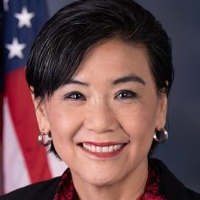
Judy Chu
Representative
CA
Judy Chu
Representative
CA
The CREATE Act, or Creative Relief and Expensing for Artistic Entertainment Act, modifies tax rules for qualified productions by significantly increasing the allowable spending limits for certain tax benefits. This legislation also introduces automatic inflation adjustments for these dollar amounts starting in 2027. Furthermore, the bill extends the expiration date for these beneficial tax provisions from the end of 2025 to the end of 2030.
The Transnational Repression Policy Act establishes a national strategy and mandates training to protect individuals in the U.S. and abroad from harassment, intimidation, and human rights abuses orchestrated by foreign governments.
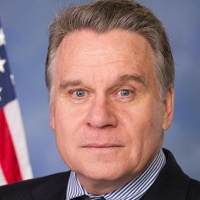
Christopher Smith
Representative
NJ
Christopher Smith
Representative
NJ
The Transnational Repression Policy Act establishes a comprehensive U.S. strategy to protect individuals within the country and abroad from harassment, intimidation, and abuse by foreign governments. The law mandates interagency coordination to develop a national strategy, enhance training for federal personnel, and direct the Department of Homeland Security and the Department of Justice to create resources to combat these foreign interference tactics domestically. Ultimately, this Act aims to increase international cooperation and hold foreign actors accountable for violating human rights across borders.