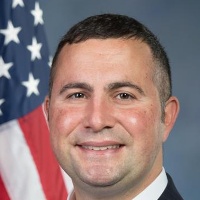
Legislative Activity
Track Darren's sponsored bills, co-sponsored legislation, and voting record
The App Store Freedom Act mandates fair competition and interoperability for large operating system and app store owners by prohibiting anti-competitive practices and ensuring developers and users have choice.
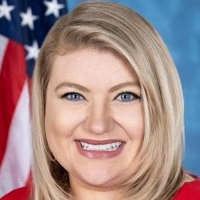
Katherine Cammack
Representative
FL
Katherine Cammack
Representative
FL
The App Store Freedom Act aims to foster a more competitive app market by establishing clear rules for large technology companies that own operating systems and app stores. This legislation mandates that these "covered companies" must allow users to easily choose third-party default apps and grants developers fair access to necessary operating system features. Furthermore, the Act prohibits unfair practices such as payment system lock-in and penalizing developers for offering sales outside the official store. Enforcement will be handled by the FTC and state attorneys general, with significant civil penalties for violations.
The HOME Act of 2025 establishes federal prohibitions against housing price gouging during declared affordable housing crises and mandates investigations into market manipulation, excessive institutional purchasing, and unfair rental screening practices.
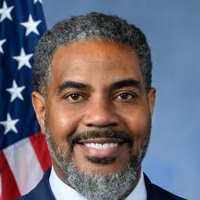
Steven Horsford
Representative
NV
Steven Horsford
Representative
NV
The HOME Act of 2025 aims to combat the affordable housing crisis by prohibiting price gouging on rentals and sales during officially declared crisis periods. It mandates investigations into housing market manipulation, including excessive purchases by large investors, and establishes a new HUD unit to monitor and enforce fair housing practices. Furthermore, the bill directs regulators to set standards for Fannie Mae and Freddie Mac investments to protect renters from unfair rent hikes and requires a review of anti-competitive behavior in housing markets.
This resolution officially recognizes the cultural and historical significance of Cinco de Mayo, celebrating the Mexican victory at the Battle of Puebla and encouraging its observance in the United States.
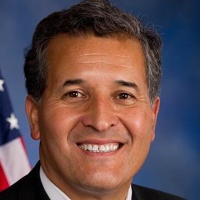
Juan Vargas
Representative
CA
Juan Vargas
Representative
CA
This resolution officially recognizes Cinco de Mayo as a significant holiday celebrating the Mexican victory over the French at the Battle of Puebla in 1862. It honors the historical importance of this day as a symbol of self-governance and democracy. Furthermore, the bill encourages the observance of Cinco de Mayo in the United States to celebrate the vibrant culture and strong relationship between the people of Mexico and the U.S.
This act establishes research grants and training programs to develop and implement PFAS-free, next-generation turnout gear to protect firefighters from occupational illness and injury.

Debbie Dingell
Representative
MI
Debbie Dingell
Representative
MI
The PFAS Alternatives Act aims to protect firefighters by funding research and development for next-generation turnout gear that eliminates harmful PFAS chemicals. The bill establishes grants through NIOSH to create safer, PFAS-free protective equipment and separate funding for training programs on the proper care of this new gear. Ultimately, this legislation seeks to reduce occupational illness and injury among fire and EMS personnel.
This Act establishes federal penalties for assaulting hospital personnel and creates a grant program to help medical facilities improve workforce safety.

Madeleine Dean
Representative
PA
Madeleine Dean
Representative
PA
The Save Healthcare Workers Act aims to protect hospital personnel by making assault against them a federal crime with severe penalties. It also establishes a new federal grant program to help hospitals implement crucial safety measures, such as violence prevention training and physical security upgrades. This legislation seeks to reduce workplace violence in healthcare settings across the nation.
This bill mandates that certain immigration officers prominently display large, visible identification during all immigration enforcement actions.
Bonnie Watson Coleman
Representative
NJ
Bonnie Watson Coleman
Representative
NJ
This bill mandates that certain immigration officers from agencies like CBP and ICE must clearly display large, highly visible identification during all enforcement actions. The identification, at least 12x6 inches, cannot be obscured by external gear like body armor. This ensures clear identification of immigration officers while they are actively carrying out their duties.
This resolution recognizes the 50th anniversary of the Fall of Saigon, honoring the history, service, and contributions of Vietnamese Americans while reaffirming U.S. commitment to democracy and human rights.
Derek Tran
Representative
CA
Derek Tran
Representative
CA
This resolution commemorates the 50th anniversary of the Fall of Saigon and recognizes the profound contributions of Vietnamese Americans to the United States. It honors those who fled the communist regime after April 30, 1975, and reaffirms American commitment to democracy and human rights. The bill encourages all citizens to observe this anniversary and remember the sacrifices made in the pursuit of freedom.
The Better CARE for Animals Act of 2025 strengthens the enforcement of the Animal Welfare Act by expanding investigative authority, establishing new civil penalties up to \$10,000 per day, and explicitly granting the Attorney General power to file civil actions, including seeking seizure and forfeiture of animals.
Nicole Malliotakis
Representative
NY
Nicole Malliotakis
Representative
NY
The Better CARE for Animals Act of 2025 significantly strengthens enforcement of the Animal Welfare Act by clarifying definitions and expanding the scope of investigations. It grants the Attorney General explicit authority to file civil actions seeking penalties up to $10,000 per day, and mandates that collected fines help cover temporary animal care costs. The bill also requires the Secretary of Agriculture and the Attorney General to establish a formal agreement for coordinated enforcement.
This bill bans the manufacture, sale, and transfer of specific semiautomatic assault weapons and large-capacity ammunition feeding devices while grandfathering existing possessions and establishing new transfer requirements.
Lucy McBath
Representative
GA
Lucy McBath
Representative
GA
The Assault Weapons Ban of 2025 comprehensively defines and bans the manufacture, sale, and transfer of specific semiautomatic assault weapons and large capacity ammunition feeding devices. The bill grandfathers existing weapons but imposes new requirements for their secure storage and mandates dealer involvement for future private transfers. It also allows federal grant money to be used by states for buy-back programs targeting these banned items.
The RESEARCHER Act establishes new federal guidelines to address the financial instability of graduate and postdoctoral researchers by improving stipends, benefits, and support services, while mandating new data collection and studies on the issue.
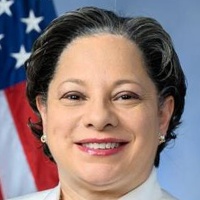
Jennifer McClellan
Representative
VA
Jennifer McClellan
Representative
VA
The RESEARCHER Act establishes new federal guidelines to address the financial instability faced by graduate and postdoctoral researchers supported by federal funding. It mandates agencies to improve stipends, healthcare access, and support for housing and family care for these essential researchers. Furthermore, the bill requires comprehensive data collection and studies by the National Academies and GAO to assess and report on the effectiveness of these new financial support measures.
This bill repeals the Arctic National Wildlife Refuge oil and gas program and designates over 1.5 million acres of the refuge as protected wilderness.
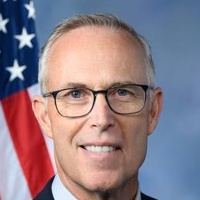
Jared Huffman
Representative
CA
Jared Huffman
Representative
CA
The Arctic Refuge Protection Act officially repeals the previous law authorizing oil and gas leasing in the Arctic National Wildlife Refuge. This legislation simultaneously designates approximately 1.56 million acres within the Refuge as protected wilderness under the National Wilderness Preservation System. The Secretary of the Interior is now required to manage this newly designated land according to strict wilderness preservation standards.
The Equality Act comprehensively prohibits discrimination based on sex, sexual orientation, and gender identity across key areas including public accommodations, employment, housing, credit, and jury service.
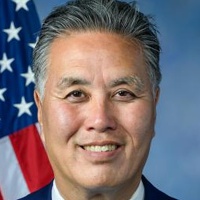
Mark Takano
Representative
CA
Mark Takano
Representative
CA
The Equality Act comprehensively expands federal civil rights protections against discrimination based on sex, sexual orientation, and gender identity across key areas of American life. It amends existing laws to prohibit discrimination in public accommodations, housing, credit, employment, and federal funding. The purpose of the bill is to provide consistent, explicit, and comprehensive remedies for individuals facing bias in these essential sectors.
This bill establishes a special visitor category for qualifying Canadian retirees to stay in the U.S. for up to 240 days annually and grants them non-resident alien tax status.
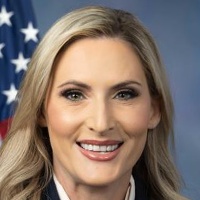
Laurel Lee
Representative
FL
Laurel Lee
Representative
FL
The Canadian Snowbird Act creates a special visitor status for qualifying Canadian retirees, allowing them to stay in the U.S. for up to 240 days per year while maintaining their Canadian residency. This legislation also ensures that these Canadian visitors are treated as non-resident aliens for U.S. tax purposes, preventing them from being taxed like U.S. residents. The bill aims to simplify entry and tax obligations for long-term seasonal visitors from Canada.
This bill temporarily exempts certain physician practices from Stark Law restrictions to allow them to dispense designated Medicare Part D prescription drugs directly to their patients while mandating a GAO study on in-office dispensing trends.

Diana Harshbarger
Representative
TN
Diana Harshbarger
Representative
TN
The Seniors’ Access to Critical Medications Act of 2025 temporarily modifies the physician self-referral prohibition (Stark Law) to allow physician practices to dispense certain Medicare Part D prescription drugs directly to their patients between 2026 and 2030. This exception is subject to specific conditions regarding prescribing, patient history, and dispensing location. The bill also mandates a GAO study to examine trends in physician office drug dispensing and makes a minor adjustment to the allocation for the Medicare Improvement Fund.
This Act establishes significant tax incentives for medical manufacturing in economically distressed zones while also expanding federal authority to develop and prioritize medical countermeasures for vulnerable populations during health crises.
Nicole Malliotakis
Representative
NY
Nicole Malliotakis
Representative
NY
The Medical Manufacturing, Economic Development, and Sustainability Act of 2025 (MMEDS Act) aims to revitalize domestic medical production by offering significant tax incentives for manufacturing in designated economically distressed zones. The bill establishes a 40% tax credit on wages and expenses for medical manufacturers operating in these areas, with higher rates for facilities repatriating production or focusing on population health products. Furthermore, it expands government authority to prioritize the research, development, and stockpiling of medical countermeasures specifically designed to protect vulnerable populations during public health emergencies.
This Act establishes and protects the right of tenants in federally assisted housing to organize, communicate concerns, and receive support for their participation in housing matters.
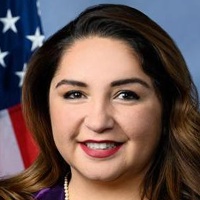
Delia Ramirez
Representative
IL
Delia Ramirez
Representative
IL
The Tenants’ Right to Organize Act establishes and protects the right of tenants receiving federal rental assistance, including Section 8 voucher holders and those in LIHTC projects, to form and participate in tenant organizations without fear of retaliation. The bill mandates that Public Housing Agencies and property owners must recognize these legitimate groups, consider their concerns, and respond to their feedback. Furthermore, it creates new enforcement mechanisms, allows tenants to sue for violations, and establishes funding for technical assistance and training for tenant groups.
This Act funds state systems to track real-time hospital bed capacity affecting emergency department wait times and mandates CMMI pilot programs to improve emergency care for older adults and those in psychiatric crisis.
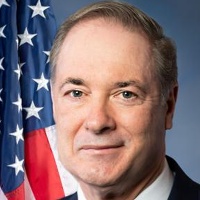
John Joyce
Representative
PA
John Joyce
Representative
PA
The ABC-ED Act of 2025 aims to alleviate emergency department boarding and crowding by modernizing public health data systems to track real-time hospital bed capacity. It also directs the Center for Medicare and Medicaid Innovation to pilot programs specifically improving emergency care for older adults and those in acute psychiatric crisis. Finally, the bill mandates a study on best practices for statewide, real-time capacity tracking systems and their impact on ER wait times.
This Act establishes an Advisory Council to survey needs, identify best practices, and disseminate comprehensive resources for victims of all forms of gun violence.
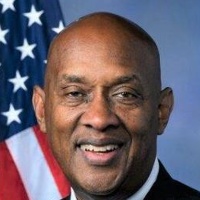
Dwight Evans
Representative
PA
Dwight Evans
Representative
PA
The Resources for Victims of Gun Violence Act of 2025 establishes an Advisory Council, led by HHS, to assess the needs of gun violence victims and service providers. This Council will survey stakeholders, review existing support programs, and identify best practices for medical, financial, and mental health assistance. Its primary function is to compile and widely distribute a comprehensive list of available federal, state, and nonprofit resources to ensure victims can easily access necessary aid.
The SOAR Act of 2025 reforms Medicare oxygen benefits by removing competitive bidding, establishing specific supplier responsibilities, enhancing fraud protection through electronic documentation, and enshrining patient rights for supplemental oxygen recipients.
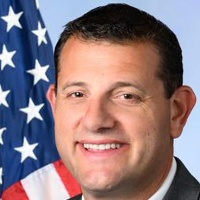
David Valadao
Representative
CA
David Valadao
Representative
CA
The SOAR Act of 2025 aims to significantly reform Medicare access to supplemental oxygen by removing it from the competitive bidding program and establishing new payment rates. The bill also mandates clearer documentation requirements for medical necessity using electronic templates and restores clinical judgment in claim audits. Finally, it establishes specific rights for oxygen beneficiaries and improves reimbursement for respiratory therapists.
This resolution supports designating April 10th as "Dolores Huerta Day" to honor the lifelong accomplishments and legacy of the trailblazing labor and civil rights leader.
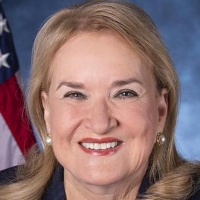
Sylvia Garcia
Representative
TX
Sylvia Garcia
Representative
TX
This resolution supports the designation of April 10th as "Dolores Huerta Day" to honor her legacy as a trailblazing labor and civil rights leader. It recognizes her foundational work co-founding the United Farm Workers and her lifelong fight for economic justice, workers' rights, and equality. The bill formally celebrates her accomplishments without creating new laws or programs.