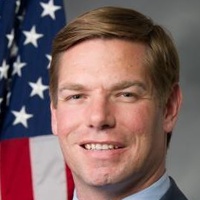
Legislative Activity
Track Eric's sponsored bills, co-sponsored legislation, and voting record
The Healthy MOM Act establishes special enrollment periods for pregnancy across various health plans, mandates maternity coverage for dependents, and ensures continuous 12-month Medicaid and CHIP coverage for pregnant and postpartum individuals.
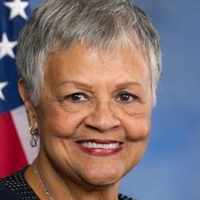
Bonnie Watson Coleman
Representative
NJ
Bonnie Watson Coleman
Representative
NJ
The Healthy Maternity and Obstetric Medicine Act, or Healthy MOM Act, aims to improve maternal and newborn health outcomes by ensuring comprehensive maternity coverage is accessible. It establishes special enrollment periods for pregnant individuals across various health plans and mandates that dependent coverage must include maternity care. Furthermore, the bill secures continuous 12-month postpartum coverage under Medicaid and CHIP and adjusts federal employee health benefit rules regarding pregnancy.
This resolution recognizes the epidemic of violence against transgender people, memorializes those lost this year, and calls for action to ensure their safety and dignity.
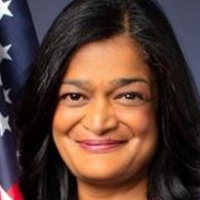
Pramila Jayapal
Representative
WA
Pramila Jayapal
Representative
WA
This resolution supports the goals of Transgender Day of Remembrance by recognizing the ongoing epidemic of violence targeting transgender people, particularly transgender women of color. It memorializes the lives lost this year and highlights the systemic barriers, including discrimination and lack of healthcare access, faced by the transgender community. The bill calls for urgent action from the government to protect these lives through inclusive legislation and policies that ensure dignity and respect for all individuals.
This Act prohibits discrimination based on religion, sex, or marital status in federally funded child welfare services to improve outcomes for all children, especially LGBTQ youth.
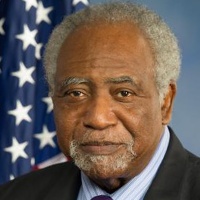
Danny Davis
Representative
IL
Danny Davis
Representative
IL
The John Lewis Every Child Deserves a Family Act prohibits discrimination based on religion, sex, or marital status in federally funded child welfare services. This aims to increase the number of stable, family-like placements for children, especially for LGBTQ youth who are overrepresented in foster care. The bill mandates federal guidance, training, and data collection to improve safety and well-being outcomes for all children involved in the system.
This bill establishes sanctions against foreign individuals responsible for human rights violations against LGBTQI people and mandates enhanced tracking and reporting of such abuses in annual human rights reports.
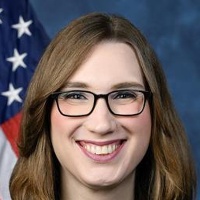
Sarah McBride
Representative
DE
Sarah McBride
Representative
DE
The Global Respect Act aims to promote and protect the human rights of LGBTQI individuals worldwide. It mandates the President to identify and report foreign persons responsible for human rights violations against LGBTQI people, leading to their inadmissibility to the United States. Furthermore, the Act requires enhanced tracking and reporting of violence and discrimination targeting individuals based on sexual orientation, gender identity, or sex characteristics in the annual human rights reports.
This resolution expresses support for designating November 20 to December 20, 2025, as "National Survivors of Homicide Victims Awareness Month" to recognize survivors' needs and advocate for improved support and justice.
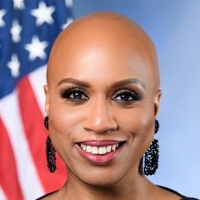
Ayanna Pressley
Representative
MA
Ayanna Pressley
Representative
MA
This resolution expresses support for designating November 20 to December 20, 2025, as "National Survivors of Homicide Victims Awareness Month." It recognizes the trauma experienced by survivors and affirms their need for dignified treatment and comprehensive support services. The bill also calls for improving behavioral health resources for survivors and increasing the national homicide clearance rate. Finally, it encourages the public to promote awareness, combat violence, and respond to grieving families with compassion.
This act repeals specific sections of a prior reconciliation act to restore previous laws affecting American families and farmers.
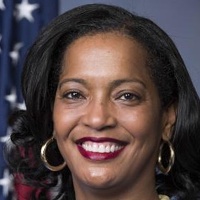
Jahana Hayes
Representative
CT
Jahana Hayes
Representative
CT
The Restoring Food Security for American Families and Farmers Act of 2025 aims to strengthen domestic food security by repealing specific sections of a prior reconciliation act. This action effectively revives the original laws that were previously amended by the repealed provisions. The bill seeks to revert existing agricultural and food-related statutes to their pre-amendment status.
The PILLAR Act reauthorizes and modifies the CISA State and Local Cybersecurity Grant Program, expanding its scope to include operational technology and AI systems, and updating funding and oversight requirements through 2033.
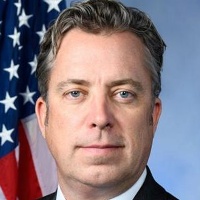
Andrew Ogles
Representative
TN
Andrew Ogles
Representative
TN
The PILLAR Act reauthorizes and modifies the CISA State and Local Cybersecurity Grant Program through 2033. This legislation expands the program's focus to explicitly include operational technology and artificial intelligence systems in cybersecurity planning. It also updates definitions, adjusts federal cost-sharing requirements, and restricts grant use for technology from foreign entities of concern.
This act repeals Senate notification requirements related to legal processes concerning Senate data and mandates the disgorgement of any funds awarded to Senators under the repealed provisions.
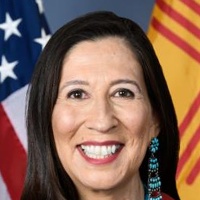
Teresa Leger Fernandez
Representative
NM
Teresa Leger Fernandez
Representative
NM
The No Payola Act repeals existing Senate notification requirements concerning legal processes related to the disclosure of Senate data. Furthermore, it mandates that any Senator who received funds through a private right of action under the repealed law must return those awarded funds to the Treasury.
This bill establishes a permanent Special Envoy for the Human Rights of LGBTQI+ Peoples within the Department of State to advance U.S. policy countering global criminalization, violence, and discrimination against LGBTQI+ individuals.
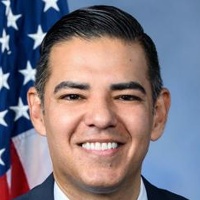
Robert Garcia
Representative
CA
Robert Garcia
Representative
CA
This bill, the International Human Rights Defense Act of 2025, establishes a permanent Special Envoy for the Human Rights of LGBTQI+ Peoples within the Department of State. It codifies U.S. policy to actively combat international criminalization, violence, and discrimination against LGBTQI+ individuals worldwide. The legislation also mandates enhanced reporting on these abuses in annual human rights reports and authorizes assistance to support related protection efforts abroad.
This bill authorizes federal grants for public transit systems to hire unarmed "transit support specialists" to enhance rider safety and deter disruptive behavior.
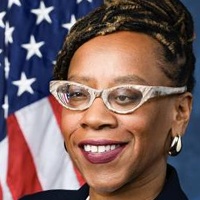
Lateefah Simon
Representative
CA
Lateefah Simon
Representative
CA
The RIDER Safety Act authorizes federal grants for public transit systems to hire unarmed "Transit Support Specialists." These specialists are tasked with increasing rider security through their visible presence, engaging with the public, and handling minor conflicts. Their role is to deter disruptive behavior and connect riders with necessary services, allowing law enforcement to focus on critical incidents.
This resolution expresses support for National Caregiving Youth Week and calls for national research to recognize and address the challenges faced by youth caregivers under 18.
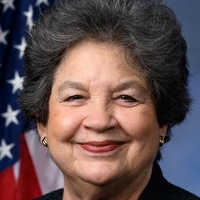
Lois Frankel
Representative
FL
Lois Frankel
Representative
FL
This resolution expresses support for designating a week in November 2025 as "National Caregiving Youth Week" to recognize children under 18 who care for family members. It highlights the significant challenges these youth face balancing caregiving with their own well-being and education. The bill also calls for urgent national research to better understand and support this underserved population.
This bill establishes November 12, 2025, as Creutzfeldt-Jakob Disease (CJD) Awareness Day to raise public awareness about this rare and fatal brain disorder.
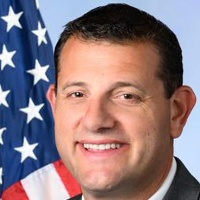
David Valadao
Representative
CA
David Valadao
Representative
CA
This bill officially establishes November 12, 2025, as Creutzfeldt-Jakob Disease (CJD) Awareness Day. The purpose is to raise public awareness about this rare, rapidly progressive, and fatal brain disorder. The House of Representatives supports this day to recognize the unique challenges faced by CJD patients and their families.
This act prohibits the Department of Housing and Urban Development from counting veterans' disability and dependency compensation as household income when determining eligibility and rent for housing assistance programs.
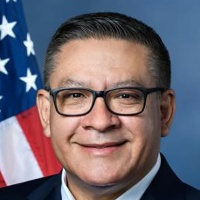
Salud Carbajal
Representative
CA
Salud Carbajal
Representative
CA
The Home for the Brave Act of 2025 ensures that veterans' disability compensation and dependency/indemnity compensation are not counted as household income by the Department of Housing and Urban Development (HUD). This change will positively affect eligibility and the calculation of housing assistance benefits for veterans and their families.
This Act ensures uninterrupted funding and operation for the SNAP and WIC programs through fiscal year 2026, even if appropriations for the Department of Agriculture are delayed.
Jahana Hayes
Representative
CT
Jahana Hayes
Representative
CT
The Keep SNAP and WIC Funded Act of 2025 ensures that the Supplemental Nutrition Assistance Program (SNAP) and the Special Supplemental Nutrition Program for Women, Infants, and Children (WIC) continue to operate without interruption in fiscal year 2026 if standard appropriations are delayed. If funding lapses, the Secretary of Agriculture is authorized to use funds from the Treasury to provide benefits and reimburse state agencies. This special funding remains in effect until full appropriations are enacted or until September 30, 2026.
This resolution expresses support for National Adoption Day and Month by promoting awareness, celebrating adoption, and encouraging the nation to secure safety and well-being for all children awaiting families.
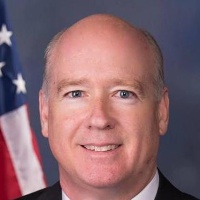
Robert Aderholt
Representative
AL
Robert Aderholt
Representative
AL
This resolution expresses support for National Adoption Day and Month by promoting national awareness of adoption and the children awaiting permanent families. It highlights the significant number of children in foster care waiting for adoption and encourages all Americans to consider providing a safe, permanent, and well-being-focused home for these children. The resolution supports various avenues for achieving permanency, including reunification, kinship care, and adoption.
This resolution supports the goals of National Domestic Violence Awareness Month, highlights the pervasive and devastating impact of intimate partner violence across all demographics, and calls for increased funding for prevention and support programs.
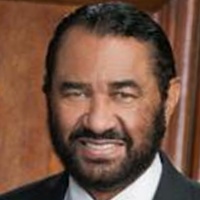
Al Green
Representative
TX
Al Green
Representative
TX
This resolution designates October as National Domestic Violence Awareness Month to highlight the widespread and devastating impact of intimate partner violence across all demographics. It recognizes the urgent need to eliminate domestic violence and supports increased funding for intervention and prevention programs. The resolution underscores the severe physical, emotional, and economic toll this abuse takes on individuals, families, and communities.
The RESTRAIN Act prohibits the United States from conducting any explosive testing of nuclear weapons starting in fiscal year 2026, while still permitting subcritical nuclear tests.
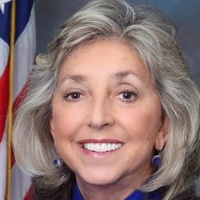
Dina Titus
Representative
NV
Dina Titus
Representative
NV
The RESTRAIN Act prohibits the United States from conducting any explosive testing of nuclear weapons or any other nuclear explosion, effective in fiscal year 2026 and beyond. This legislation specifically bans the use of authorized funds for such testing. However, the Act explicitly allows for the continuation of subcritical nuclear tests.
This Act ensures the United States Capitol Police receive uninterrupted salaries and expenses during any government shutdown.
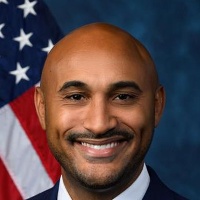
Shomari Figures
Representative
AL
Shomari Figures
Representative
AL
This Act ensures that the salaries and expenses for the United States Capitol Police (USCP) are fully funded during any government shutdown. It appropriates the necessary funds from the Treasury to guarantee uninterrupted pay for USCP employees when discretionary appropriations lapse.
This resolution expresses deep concern over the surge in book banning and threats to free expression, urging the immediate restoration of removed materials in federal schools and the repeal of restrictive directives.
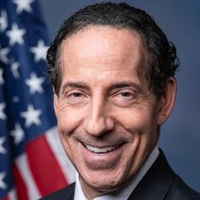
Jamie Raskin
Representative
MD
Jamie Raskin
Representative
MD
This resolution expresses deep concern over the growing trend of book banning and threats to freedom of expression in U.S. schools and libraries. It asserts that such censorship undermines democratic values and harms students by restricting access to diverse ideas and histories. The bill urges local entities to follow best practices for book challenges and calls for the immediate reinstatement of books removed from Department of Defense schools. Ultimately, it reaffirms the nation's commitment to First Amendment rights and the freedom to read.
This resolution expresses support for designating October 2025 as National Learning Disabilities Awareness Month while urging action to address the significant achievement gaps faced by students with Specific Learning Disabilities.
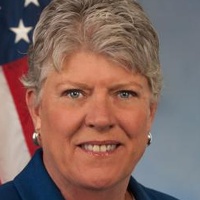
Julia Brownley
Representative
CA
Julia Brownley
Representative
CA
This resolution expresses support for designating October 2025 as National Learning Disabilities Awareness Month to highlight the significant academic challenges faced by students with Specific Learning Disabilities (SLD). It emphasizes that SLDs are the most common disability category under IDEA, yet these students show alarmingly low proficiency rates in reading and math. The bill urges early screening and calls on educational agencies to ensure these students receive the required specialized instruction and support to achieve success.