Legislative Activity
Track Eric's sponsored bills, co-sponsored legislation, and voting record
Partisan Hack-O-Meter
This Act establishes a program to expedite mortgage processing for tribal trust land homeownership by setting strict deadlines for the Bureau of Indian Affairs and creating a Realty Ombudsman position.
John Thune
Senator
SD
John Thune
Senator
SD
The Tribal Trust Land Homeownership Act of 2025 establishes a new program to expedite mortgage processing for tribal members seeking to buy, build, or improve homes on trust land. It mandates strict, short deadlines for the Bureau of Indian Affairs (BIA) to approve or deny mortgage applications, with automatic approval if deadlines are missed. The Act also creates a Realty Ombudsman position within the BIA to ensure compliance and resolve disputes related to these land transactions.
This bill funds the Department of Homeland Security for fiscal year 2026 while imposing strict oversight, accountability measures, and specific spending restrictions across its management, enforcement, and preparedness operations.
Tom Cole
Representative
OK
Tom Cole
Representative
OK
The Department of Homeland Security Appropriations Act, 2026 provides funding and sets strict operational rules for DHS agencies, including CBP, TSA, and FEMA, for the fiscal year 2026. The bill allocates over $60 billion while imposing significant oversight requirements on management, border enforcement, and disaster response activities. Key provisions focus on increasing accountability through body camera mandates, restricting new pilot programs without clear plans, and speeding up disaster aid processing. Division B of the act includes technical adjustments and extensions to ensure government funding remains continuous through various continuing resolutions.
This bill expresses congressional disapproval of the Bureau of Land Management's rule withdrawing federal lands in three Minnesota counties.
Pete Stauber
Representative
MN
Pete Stauber
Representative
MN
This bill expresses the disapproval of Congress regarding a Bureau of Land Management rule that withdrew federal lands in specific Minnesota counties under Public Land Order No. 7917. By disapproving the rule, Congress renders it legally void.
The Small Business Innovation and Economic Security Act reauthorizes and reforms the SBIR and STTR programs through 2031 by enhancing security review requirements, streamlining Phase III transitions, and establishing new strategic funding allocations for critical technologies.

Joni Ernst
Senator
IA
Joni Ernst
Senator
IA
The Small Business Innovation and Economic Security Act reauthorizes the SBIR and STTR programs through 2031 while strengthening national security through enhanced due diligence and foreign risk screening for award applicants. The bill also introduces a "strategic breakthrough" funding mechanism to accelerate the development of critical technologies and streamlines administrative processes to improve commercialization and program efficiency.
This resolution establishes the procedural framework for the House to concur with Senate amendments to H.R. 7147 regarding consolidated appropriations for fiscal year 2026.
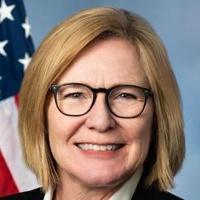
Michelle Fischbach
Representative
MN
Michelle Fischbach
Representative
MN
This resolution establishes the procedural framework for the House of Representatives to finalize a consolidated appropriations bill for fiscal year 2026. It facilitates the legislative process by enabling the House to concur with Senate amendments while incorporating specific modifications detailed in the Rules Committee print.
This bill authorizes the President to deny U.S. port entry to vessels transiting facilities in Western Hemisphere free-trade partner countries that have expropriated property from U.S. citizens.
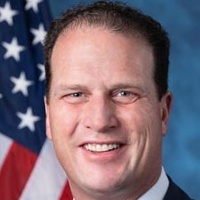
August Pfluger
Representative
TX
August Pfluger
Representative
TX
The Defending American Property Abroad Act of 2026 authorizes the President to deny U.S. port entry to vessels that utilize foreign ports in Western Hemisphere free-trade partner countries that have unlawfully expropriated property from U.S. citizens. This legislation aims to protect American assets abroad by restricting access to U.S. markets for vessels operating through seized facilities. The bill includes provisions for lifting these restrictions once the property is returned, compensated for, or the dispute is otherwise resolved.
The Pay Our Homeland Defenders Act provides comprehensive fiscal year 2026 appropriations for the Department of Homeland Security while establishing rigorous oversight, transparency requirements, and temporary funding measures to ensure the continuity of essential government operations.
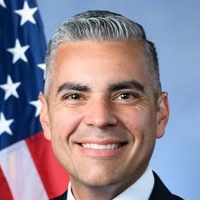
Juan Ciscomani
Representative
AZ
Juan Ciscomani
Representative
AZ
The Pay Our Homeland Defenders Act provides comprehensive fiscal year 2026 funding for the Department of Homeland Security, prioritizing operational oversight, transparency, and accountability. The legislation mandates strict reporting requirements for agency spending and establishes clear policy directives for border security, emergency management, and immigration services. Additionally, the bill includes technical provisions to ensure the continuity of government operations and the timely payment of federal personnel during funding lapses.
This resolution expresses the House of Representatives' support for the Department of Homeland Security and emphasizes the urgent need to fully fund the agency to ensure national safety and security.
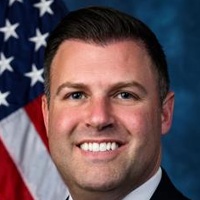
Ryan Mackenzie
Representative
PA
Ryan Mackenzie
Representative
PA
This resolution expresses the House of Representatives' support for the Department of Homeland Security (DHS) and underscores the critical need for consistent, full funding. It highlights how government funding lapses jeopardize national security, disrupt essential operations, and negatively impact the personnel tasked with protecting the American people. Ultimately, the resolution calls for immediate action to ensure DHS maintains the resources necessary to defend against a heightened domestic threat environment.
This Act establishes a federal beautification program for D.C. and creates a commission to recommend actions on public safety and federal immigration enforcement in the District.
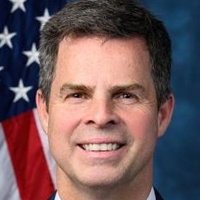
John McGuire
Representative
VA
John McGuire
Representative
VA
This Act establishes a temporary program to beautify and clean up public spaces across the District of Columbia through federal and local coordination. It also creates a temporary commission focused on recommending actions to improve public safety and enhance federal immigration enforcement within D.C. Both the beautification program and the commission will terminate on January 2, 2029.
This resolution establishes the procedural rules for House consideration of the Department of Homeland Security appropriations bill, a D.C. beautification initiative, maritime vessel regulations, and a resolution supporting the Department of Homeland Security.
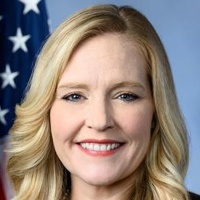
Erin Houchin
Representative
IN
Erin Houchin
Representative
IN
This resolution establishes the procedural rules for the House of Representatives to consider four distinct legislative measures: the Department of Homeland Security appropriations bill for fiscal year 2026, a resolution supporting the Department of Homeland Security, a bill to beautify the District of Columbia, and legislation regarding vessel operations in U.S. waters. It sets specific parameters for debate, voting, and the handling of amendments for each measure. Additionally, the resolution extends the expiration date for provisions previously established in House Resolution 707.
The American Water Stewardship Act extends and expands critical federal water restoration programs, establishes new protections for the San Francisco Bay, and enhances coastal water quality monitoring through 2031.
Pete Stauber
Representative
MN
Pete Stauber
Representative
MN
The American Water Stewardship Act extends and strengthens critical federal water restoration programs for major U.S. basins and estuaries through 2031. The bill establishes a new restoration program for the San Francisco Bay, expands the National Estuary Program, and enhances coastal water quality monitoring. Additionally, it implements new funding safeguards regarding foreign entities and mandates a comprehensive GAO report to improve the accountability and effectiveness of EPA geographic programs.
The Federal Working Animal Protection Act makes non-citizens who harm law enforcement animals inadmissible to the United States and subject to deportation.
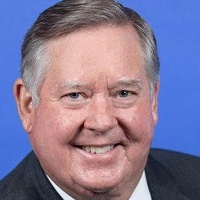
Ken Calvert
Representative
CA
Ken Calvert
Representative
CA
The Federal Working Animal Protection Act amends the Immigration and Nationality Act to make individuals who harm law enforcement animals inadmissible to the United States. Additionally, the bill establishes that such individuals are subject to deportation if they have been convicted of or admit to committing these offenses.
This proposed constitutional amendment mandates a balanced federal budget by limiting spending based on prior receipts, requiring supermajorities for tax increases, and establishing exceptions for war or extraordinary circumstances.

Andy Biggs
Representative
AZ
Andy Biggs
Representative
AZ
This proposed constitutional amendment mandates that the federal government maintain a balanced budget by limiting annual spending to the average of the previous three years' receipts, adjusted for population and inflation. It establishes a high threshold, requiring a two-thirds vote in both houses of Congress for any tax increases or to exceed the spending limit, except during wartime. The amendment aims to enforce fiscal discipline by restricting federal expenditures.
The Deporting Fraudsters Act of 2026 mandates the inadmissibility and deportation of non-citizens convicted of defrauding the U.S. government or unlawfully receiving public benefits.
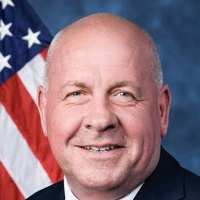
David Taylor
Representative
OH
David Taylor
Representative
OH
The Deporting Fraudsters Act of 2026 amends the Immigration and Nationality Act to make non-citizens inadmissible to and deportable from the United States if they commit fraud against the government or unlawfully receive public benefits. Additionally, the bill renders individuals convicted of these offenses ineligible for any form of immigration relief.
This bill prohibits federal agencies from banning the use of lead ammunition and tackle on federal lands and waters unless specific, evidence-based criteria and state-level coordination requirements are met.

Robert Wittman
Representative
VA
Robert Wittman
Representative
VA
The Protecting Access for Hunters and Anglers Act prevents federal agencies from banning the use of lead ammunition and tackle on federal lands and waters open to hunting and fishing. Exceptions to this rule are only permitted if specific, site-based field data proves lead is causing a wildlife population decline and the action is approved by or consistent with state wildlife policies.
This resolution establishes the rules for House floor consideration of legislation regarding lead ammunition on federal lands, immigration consequences for fraud or public benefit abuse, and the deportation of individuals who harm law enforcement animals.

Virginia Foxx
Representative
NC
Virginia Foxx
Representative
NC
This resolution establishes the procedural rules for House floor consideration of three specific bills: H.R. 556, regarding the use of lead ammunition and tackle on federal lands; H.R. 1958, concerning the inadmissibility and deportation of non-citizens convicted of government fraud or benefit abuse; and H.R. 4638, regarding the inadmissibility and deportation of non-citizens convicted of harming law enforcement animals. It outlines the terms for debate, amendment, and final voting for each measure. Additionally, the resolution sets guidelines for motions to suspend the rules regarding a balanced budget amendment.
The MAWS Act of 2026 establishes a NOAA pilot program to incentivize the commercial harvest and processing of invasive blue catfish in the Chesapeake Bay Watershed to support local watermen and improve ecosystem health.

Sarah Elfreth
Representative
MD
Sarah Elfreth
Representative
MD
The MAWS Act of 2026 establishes a two-year pilot program to incentivize the removal of invasive blue catfish from the Chesapeake Bay Watershed. By providing funding to pet food and animal feed manufacturers, the program encourages the purchase of blue catfish from local watermen at set prices. Additionally, the act mandates improved data collection and reporting to better track the species' abundance and assess the program's environmental and economic impact.
This bill provides fiscal year 2026 appropriations for the Department of Homeland Security across management, enforcement, and preparedness divisions while including provisions to ensure federal employee pay and address funding lapses.
Tom Cole
Representative
OK
Tom Cole
Representative
OK
This bill provides fiscal year 2026 appropriations for the Department of Homeland Security (DHS), allocating over $90 billion across management, security operations, disaster response, and research. It funds key agencies like CBP, ICE, TSA, and FEMA while imposing strict new reporting requirements and restrictions on spending, particularly concerning border enforcement and detention practices. The legislation aims to enhance accountability and transparency across DHS operations while ensuring critical national security and disaster preparedness functions remain funded.
This resolution directs the President to remove U.S. Armed Forces from unauthorized hostilities against Iran, pursuant to the War Powers Resolution.

Thomas Massie
Representative
KY
Thomas Massie
Representative
KY
This resolution directs the President, under the authority of the War Powers Resolution, to immediately remove U.S. Armed Forces from unauthorized hostilities against the Islamic Republic of Iran. It asserts that military action must cease unless Congress has formally declared war or passed a specific authorization for the use of force. The bill explicitly states that it does not authorize new military action nor does it impede necessary self-defense against an immediate attack.
This resolution reaffirms that the Islamic Republic of Iran remains the world's largest state sponsor of terrorism due to its support for militant groups and threats to the United States.
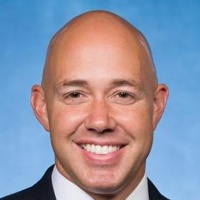
Brian Mast
Representative
FL
Brian Mast
Representative
FL
This resolution formally declares that the Islamic Republic of Iran remains the world's largest state sponsor of terrorism. It cites Iran's extensive financial and military support for groups like Hezbollah, Hamas, and the Houthis, as well as its ongoing threat to the United States. The bill also highlights Iran's continued nuclear program activities and harboring of terrorist leaders.