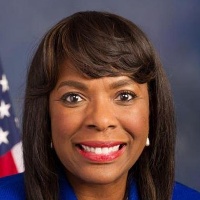
Legislative Activity
Track Terri's sponsored bills, co-sponsored legislation, and voting record
The "Apprenticeship Opportunity Act" encourages participation in apprenticeship programs by requiring states to disregard income earned during the first year of a registered apprenticeship program when determining eligibility for Temporary Assistance for Needy Families (TANF).
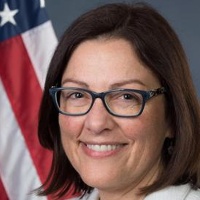
Suzan DelBene
Representative
WA
Suzan DelBene
Representative
WA
The "Apprenticeship Opportunity Act" encourages participation in apprenticeship programs by requiring states to disregard income earned during the first year of a registered apprenticeship when determining eligibility for Temporary Assistance for Needy Families (TANF). States that do not comply will face a reduction in their TANF grants. This aims to make apprenticeships more accessible for individuals and families relying on TANF.
The "Keeping Our Field Offices Open Act" prevents the Social Security Administration from closing or limiting access to field offices, hearing offices, and resident stations, ensuring continued service availability for the public.
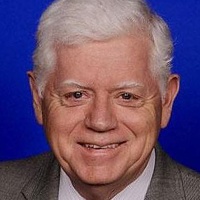
John Larson
Representative
CT
John Larson
Representative
CT
The "Keeping Our Field Offices Open Act" prevents the Social Security Administration (SSA) from closing or consolidating field offices, hearing offices, and resident stations, ensuring continued access to services. It requires the SSA Commissioner to justify any planned closures to Congress with detailed analysis and cost-benefit assessments, considering the impact on vulnerable populations. The bill mandates public notice, hearings, and a final report to Congress before any changes, allowing appeals and maintaining the number of offices at or above the January 20, 2025 level, excluding temporary emergency closures.
This bill allows homeowners to exclude from their gross income any payments they receive from state programs designed to help them improve their property to mitigate damage from disasters like windstorms, earthquakes, or wildfires.
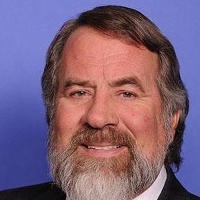
Doug LaMalfa
Representative
CA
Doug LaMalfa
Representative
CA
The Disaster Mitigation and Tax Parity Act of 2025 allows individuals to exclude from their gross income any payments or benefits they receive from state-based catastrophe loss mitigation programs designed to help homeowners protect their properties from disasters such as windstorms, earthquakes, or wildfires. These payments will not affect the property's basis, and the exclusion is applicable retroactively for taxable years starting after December 31, 2020, allowing individuals to claim the exclusion retroactively.
This bill restricts political appointees and special government employees from accessing Social Security data, establishes civil damages for unauthorized access, mandates Inspector General investigations, and requires a GAO study on the changes.
John Larson
Representative
CT
John Larson
Representative
CT
The Protecting Americans’ Social Security Data Act restricts political appointees and special government employees from accessing sensitive Social Security beneficiary data systems. It establishes a right for individuals to sue the government or responsible parties for unauthorized access or disclosure of their private Social Security information, including specified minimum damages. Furthermore, the bill mandates the Inspector General to investigate such violations and report findings to Congress within 30 days. Finally, it requires the GAO to conduct a comprehensive study on the impact of these new privacy and enforcement measures.
This Act establishes a tax credit incentive for capturing methane gas from mines and utilizing it for energy purposes.
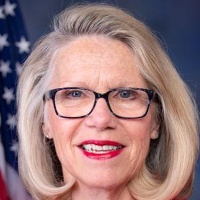
Carol Miller
Representative
WV
Carol Miller
Representative
WV
The Methane Reduction and Economic Growth Act amends existing tax law to create a new incentive credit for capturing methane gas emitted from mines. This credit mirrors the existing carbon capture tax structure, applying it specifically to qualified methane captured from mining operations. The goal is to encourage the capture and beneficial use of this potent greenhouse gas, provided certain construction and capture thresholds are met.
The ACRE Act of 2025 creates a federal tax exemption for qualified lenders on interest earned from loans secured by rural or agricultural real property, excluding loans to foreign adversary entities.
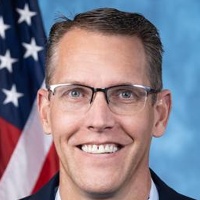
Randy Feenstra
Representative
IA
Randy Feenstra
Representative
IA
The Access to Credit for our Rural Economy Act of 2025 (ACRE Act) creates a new federal tax incentive for qualified lenders. This incentive excludes income earned from interest on loans secured by rural or agricultural real property from taxation. The goal is to encourage lending for agricultural, forestry, and certain rural home improvement purposes while prohibiting loans to foreign adversary entities.
The MERIT Act mandates the reinstatement of federal probationary employees affected by mass terminations occurring between January 20, 2025, and the Act's enactment, providing back pay and benefits.

LaMonica McIver
Representative
NJ
LaMonica McIver
Representative
NJ
The MERIT Act requires federal agencies to reinstate probationary employees who were terminated as part of a mass termination event between January 20, 2025, and the Act's enactment date, providing them with back pay and benefits. The Act also mandates reports on government employee terminations and the reinstatement process. It defines key terms such as "affected probationary employee" and "mass termination" to clarify the scope and applicability of the Act. This act ensures that affected employees are treated as involuntarily separated without cause and outlines the process for determining back pay and providing notice to eligible employees.
The "Peace on the Korean Peninsula Act" promotes diplomatic engagement to formally end the Korean War, encourages humanitarian travel to North Korea, and suggests establishing liaison offices between the U.S. and North Korea, while reaffirming the U.S. troop presence in South Korea.
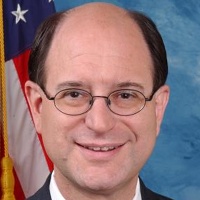
Brad Sherman
Representative
CA
Brad Sherman
Representative
CA
The "Peace on the Korean Peninsula Act" seeks to promote diplomatic engagement to formally end the Korean War by replacing the Armistice Agreement with a peace agreement. It requires the Secretary of State to review travel restrictions to North Korea for humanitarian reasons and to develop a plan for achieving a permanent peace agreement, including the potential establishment of liaison offices between the U.S. and North Korea. The act emphasizes that it does not affect the status of U.S. troops stationed in South Korea or elsewhere.
The SHOPP Act of 2025 expands the Gus Schumacher Nutrition Incentive Program to include fresh frozen fruits and vegetables, and legumes, increasing access to healthy food options.

Jasmine Crockett
Representative
TX
Jasmine Crockett
Representative
TX
The SHOPP Act of 2025 expands the Gus Schumacher Nutrition Incentive Program to increase access to healthy foods. It allows program incentives to be used for fresh frozen fruits and vegetables, increasing year-round availability. The act also includes legumes as eligible purchases, alongside fruits and vegetables, to promote diverse and nutritious food choices.
The "Safe Schools Improvement Act" amends the Elementary and Secondary Education Act of 1965, requiring states to establish policies that prevent and prohibit bullying and harassment in schools based on protected characteristics, ensuring a safe and inclusive learning environment for all students.

Linda Sánchez
Representative
CA
Linda Sánchez
Representative
CA
The Safe Schools Improvement Act aims to reduce bullying and harassment in schools by requiring states to establish policies prohibiting such conduct based on various characteristics, including race, sex, religion, and disability. It mandates annual notifications, data collection on incidents, biennial evaluations of programs, and regular reports to Congress to ensure accountability and effectiveness. This act does not infringe on existing nondiscrimination laws or freedom of speech but seeks to create a safer, more inclusive learning environment for all students.
This resolution designates August as Slavery Remembrance Month to honor the lives of enslaved people, condemn the history and legacy of slavery, and recognize the freedom fighters who fought for its abolition.
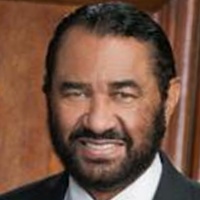
Al Green
Representative
TX
Al Green
Representative
TX
The "Original Slavery Remembrance Month Resolution" designates August as a time to commemorate the lives of enslaved people and honor the freedom fighters who resisted the institution of slavery. This resolution condemns the history of chattel slavery and its ongoing systemic effects in the United States. It encourages national observance and reflection to ensure the history and legacy of slavery are never forgotten.
This resolution designates March 2025 as National Colorectal Cancer Awareness Month to promote education, encourage life-saving screenings, and support efforts to reduce the impact of the disease.
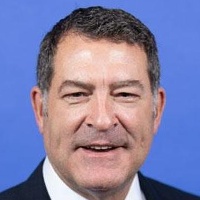
Mark Green
Representative
TN
Mark Green
Representative
TN
This resolution designates March 2025 as National Colorectal Cancer Awareness Month to highlight the importance of early detection and prevention. It emphasizes that regular screening is critical to reducing the high mortality rate of this disease. The bill encourages nationwide participation in educational activities to promote awareness and improve health outcomes.
The Original Black History Month Resolution of 2025 recognizes February as Black History Month, honoring the theme "African Americans and Labor" and the essential contributions of Black workers throughout U.S. history.
Al Green
Representative
TX
Al Green
Representative
TX
The "Original Black History Month Resolution of 2025" officially recognizes February 2025 as Black History Month with the theme "African Americans and Labor." The resolution honors the essential contributions of Black workers to the U.S. economy from enslavement to the present day while highlighting the ongoing struggle for labor equality. It encourages all Americans to celebrate these achievements and acknowledge the historical and systemic challenges still faced by Black workers today.
The "Roberto Clemente Commemorative Coin Act" directs the Treasury to mint coins in 2027 honoring Roberto Clemente, with surcharges benefiting the Roberto Clemente Foundation.
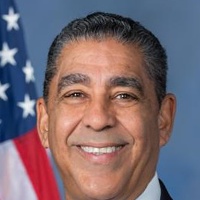
Adriano Espaillat
Representative
NY
Adriano Espaillat
Representative
NY
The Roberto Clemente Commemorative Coin Act directs the Department of Treasury to mint and issue gold, silver, and half-dollar coins in 2027 to commemorate the life and legacy of Roberto Clemente. The coins' designs will represent Clemente's life, including his baseball achievements and humanitarian work. Surcharges from the coin sales will benefit the Roberto Clemente Foundation, supporting their educational programs, youth sports initiatives, disaster relief efforts, and historic preservation projects. The Act ensures that the coin program will not incur any net cost to the United States government.
The ARCH Act extends Medicare payments for rural hospitals and requires a GAO report on rural hospital classifications.
Carol Miller
Representative
WV
Carol Miller
Representative
WV
The ARCH Act extends Medicare-dependent hospital (MDH) and Medicare low-volume hospital (LVH) payments through fiscal year 2031, ensuring continued financial support for rural hospitals. It also mandates a GAO report to Congress analyzing rural hospital classifications and recommending improvements for financial sustainability and healthcare access in rural areas.
This bill expands income-driven repayment options for parents who have federal student loans.

Maxine Waters
Representative
CA
Maxine Waters
Representative
CA
The "Affordable PLUS Repayment Options for Parents Act of 2025" expands income-contingent and income-based repayment options to parents who have taken out PLUS loans for their children's education. It removes restrictions that previously made PLUS loan borrowers ineligible for income-based repayment plans. The bill defines "partial financial hardship" based on a borrower's income and family size, ensuring more families can qualify for reduced payments. These changes apply to borrowers with outstanding PLUS loans or consolidation loans used to pay off PLUS loans, who are repaying their loans through income-driven repayment plans on or after the enactment date.
This bill regulates large capacity ammunition feeding devices, making it illegal to import, sell, manufacture, transfer, or possess them, with certain exceptions for law enforcement and other entities, and allows for Byrne grants to be used for buy-back programs.

Diana DeGette
Representative
CO
Diana DeGette
Representative
CO
The "Keep Americans Safe Act" aims to regulate large capacity ammunition feeding devices by making it illegal to import, sell, manufacture, transfer, or possess magazines holding more than 15 rounds, with exceptions for law enforcement, government entities, and devices lawfully possessed before the law's enactment. It also permits the use of Byrne grants for buy-back programs of these devices and mandates that newly manufactured devices be marked with identifying information. Violators of this Act will face penalties under existing provisions of Title 18 of the U.S. Code.
The "Public Health Funding Restoration Act" fully funds the Prevention and Public Health Fund at $2,000,000,000 annually to support public health programs and disease prevention.

Doris Matsui
Representative
CA
Doris Matsui
Representative
CA
The "Public Health Funding Restoration Act" aims to fully fund the Prevention and Public Health Fund at $2,000,000,000 annually beginning in 2026. This will restore investments in crucial public health programs focused on preventing diseases, injuries, and chronic conditions. By ensuring consistent funding, the act seeks to improve healthcare, quality of life, and preparedness for future health crises.
The Health Equity and Rare Disease Act of 2025 aims to improve research, data collection, training, and awareness related to rare diseases, with a focus on addressing health inequities in minority populations.
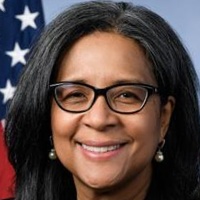
Marilyn Strickland
Representative
WA
Marilyn Strickland
Representative
WA
The Health Equity and Rare Disease Act of 2025, or HEARD Act of 2025, aims to improve health equity in the research, diagnosis, and treatment of rare diseases, particularly within minority populations. It directs the NIH and CDC to expand research, data collection, and awareness campaigns, while also promoting diversity in clinical trials and healthcare professions. The act also establishes grant programs for physician training and support for Tribal epidemiology centers, and requires reports to Congress on federal efforts and Medicare barriers. Finally, the act aims to address disparities in access to care and improve outcomes for individuals with rare diseases.
The "Access to Reproductive Care for Servicemembers Act" ensures that members of the Armed Forces and their dependents can access leave and travel reimbursement for reproductive health care services, including abortion and fertility treatments, not covered by the Department of Defense, while safeguarding their privacy and prohibiting adverse actions.
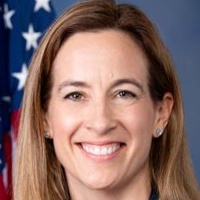
Mikie Sherrill
Representative
NJ
Mikie Sherrill
Representative
NJ
The "Access to Reproductive Care for Servicemembers Act" ensures that members of the Armed Forces and their dependents can access leave and reimbursement for travel expenses related to abortion services and assisted reproductive technology, such as in vitro fertilization, when these services are not available nearby. It protects the privacy of service members seeking such care and prohibits any adverse actions against them for utilizing these provisions. The bill aims to address barriers to reproductive healthcare created by state abortion restrictions and logistical challenges faced by military personnel.