Legislative Activity
Track Terri's sponsored bills, co-sponsored legislation, and voting record
This Act limits the FCC's authority to prohibit state and federal correctional facilities from using authorized cellphone jamming systems within their premises under specific operational and funding conditions.

David Kustoff
Representative
TN
David Kustoff
Representative
TN
The Cellphone Jamming Reform Act of 2025 limits the FCC's authority to prohibit the use of cell phone jamming systems within jails and prisons. This legislation specifically permits state and federal correctional facilities to deploy jamming technology to block communications involving inmates or contraband devices. Any facility using these systems must adhere to strict operational limits, ensure state funding for state-run systems, and coordinate with local public safety officials beforehand.
This resolution supports designating March 2025 as Endometriosis Awareness Month to highlight the need for increased education, research, and timely diagnosis for this common and debilitating condition.
David Scott
Representative
GA
David Scott
Representative
GA
This resolution supports the designation of March 2025 as Endometriosis Awareness Month to highlight the severe impact of this common, painful condition. It recognizes the urgent need to reduce the long diagnostic delays and significant personal and economic burdens caused by endometriosis. The bill encourages public education, better provider training, and continued commitment to research for improved treatments and a potential cure.
This Act permits tax-exempt charities to fund collegiate housing and infrastructure projects for college social or athletic organizations without jeopardizing their charitable status, provided the housing primarily serves full-time students.

Blake Moore
Representative
UT
Blake Moore
Representative
UT
The Collegiate Housing and Infrastructure Act of 2025 permits qualifying charities to provide grants to college social or athletic organizations specifically for collegiate housing and infrastructure projects without jeopardizing their tax-exempt status. This legislation clarifies that such grants remain eligible for donor deductions, provided the housing primarily serves full-time students. The Act specifically excludes funding for physical fitness facilities from these provisions.
The Paycheck Fairness Act strengthens equal pay enforcement by tightening defenses against pay discrimination, expanding protections against retaliation, increasing penalties for violations, and requiring comprehensive data collection and training initiatives.

Rosa DeLauro
Representative
CT
Rosa DeLauro
Representative
CT
The Paycheck Fairness Act significantly strengthens federal equal pay protections by broadening definitions of sex discrimination, tightening employer defenses against pay disparities, and increasing penalties for violations. It also prohibits employers from using salary history in hiring decisions and mandates new data collection by the EEOC to better enforce anti-discrimination laws. Furthermore, the bill establishes new training and outreach programs to combat systemic wage bias.
This bill authorizes the President to posthumously award the Medal of Honor to Navy serviceman Doris Miller for his valor during World War II, bypassing existing time limitations for the award.
Kweisi Mfume
Representative
MD
Kweisi Mfume
Representative
MD
This bill authorizes the President to posthumously award the Medal of Honor to Doris Miller for his extraordinary heroism while serving in the Navy during World War II. The legislation specifically bypasses existing time limitations to recognize his valor at Pearl Harbor, where he saved lives and bravely manned a machine gun. Congress finds that Miller deserves the nation's highest military honor despite historical limitations on recognizing African American service members.
This bill officially ratifies the Equal Rights Amendment, validating its inclusion in the Constitution regardless of any prior ratification deadlines.
Ayanna Pressley
Representative
MA
Ayanna Pressley
Representative
MA
This bill officially ratifies the Equal Rights Amendment, declaring it a valid part of the U.S. Constitution. It specifically removes any previously imposed deadlines for state ratification. If three-fourths of the states have approved the amendment, this law confirms its official status regardless of past time constraints.
A bill to raise awareness of the racial disparities in the impact of colorectal cancer on the Black community, encourage screening, and urge further research.
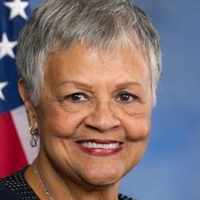
Bonnie Watson Coleman
Representative
NJ
Bonnie Watson Coleman
Representative
NJ
This bill aims to raise awareness of the racial disparities in the impact of colorectal cancer on the Black community. It encourages increased screening, further research, and expanded coverage for at-risk individuals to combat the disproportionately high rates of colorectal cancer and death among Black Americans. The bill also urges further research into why young adults are increasingly contracting and dying from colorectal cancer.
Recognizes the importance of sleep and supports Sleep Awareness Week to promote public awareness of healthy sleep habits and the need for policies that improve sleep health.

Madeleine Dean
Representative
PA
Madeleine Dean
Representative
PA
This bill recognizes the critical role of sleep in health and well-being and supports the designation of "Sleep Awareness Week." It encourages public health initiatives, promotes healthy sleep habits, and urges Americans to prioritize sleep and consult healthcare providers about sleep concerns. The bill also acknowledges the need for policies that improve sleep health.
This bill authorizes a dedicated Cerebral Palsy Research Program within the CDC to advance understanding, diagnosis, and treatment for the most common lifelong childhood movement disorder.

Steve Cohen
Representative
TN
Steve Cohen
Representative
TN
The Cerebral Palsy Research Program Authorization Act of 2025 establishes a dedicated research program for cerebral palsy (CP) within the CDC. This program will focus on improving diagnosis, treatment, prevention, and understanding the public health impact of CP. The Act authorizes $5 million annually from 2026 through 2031 to fund these critical research efforts.
This act permanently establishes a 7-year recovery period for the depreciation of motorsports entertainment complexes for tax purposes.

Claudia Tenney
Representative
NY
Claudia Tenney
Representative
NY
The Motorsports Fairness and Permanency Act of 2025 makes permanent a significant tax benefit for motorsports entertainment complexes. This legislation ensures these large venues can continue to use an accelerated 7-year recovery period for depreciating their building costs. By removing the previous expiration date, the Act provides long-term financial certainty for the industry.
This bill extends the Medicare ground ambulance payment pilot program through 2028 to ensure continued patient access to these essential medical services.
Claudia Tenney
Representative
NY
Claudia Tenney
Representative
NY
The Protecting Access to Ground Ambulance Medical Services Act of 2025 extends the current Medicare payment structure for ground ambulance services. This change ensures continuity in how these vital services are reimbursed under existing rules. Specifically, the temporary payment pilot program is extended through 2028, preventing an immediate change in payment policy.
The Air America Act of 2025 authorizes one-time monetary awards to former Air America employees or their survivors for service supporting the CIA between 1950 and 1976.
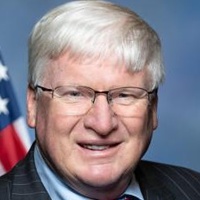
Glenn Grothman
Representative
WI
Glenn Grothman
Representative
WI
The Air America Act of 2025 recognizes the sacrifices of former Air America employees who served the U.S. Government between 1950 and 1976. This Act authorizes a one-time monetary award, up to $40,000 plus potential additional amounts, for qualifying service members or their survivors. The CIA Director is responsible for administering these payments, which are capped at a total of $60 million, and establishing the application procedures. Decisions made by the Director regarding these awards are final and not subject to judicial review.
This Act updates Medicare coverage and payment rules for home infusion therapy starting in 2026 to ensure continued patient access, clarify covered services, and adjust supplier reimbursement.

Vern Buchanan
Representative
FL
Vern Buchanan
Representative
FL
The Preserving Patient Access to Home Infusion Act updates Medicare coverage and payment rules for home infusion therapy starting in 2026 to ensure continued patient access. The bill explicitly adds pharmacy services to covered home infusion care and clarifies payment calculations for suppliers, including transitional rules based on infusion hours. Furthermore, it expands who can establish and review patient care plans to include nurse practitioners and physician assistants. Finally, the Act modifies definitions and payment rules for certain non-pump infusion drugs and stops separate Medicare payment for specific disposable supplies when infusion therapy is already being reimbursed.
This bill restores protections to prevent private health insurance plans from discriminating against dialysis patients with End-Stage Renal Disease (ESRD) or shifting their treatment costs unfairly onto Medicare.

Mike Kelly
Representative
PA
Mike Kelly
Representative
PA
The Restore Protections for Dialysis Patients Act aims to prevent private health insurance plans from discriminating against patients with End-Stage Renal Disease (ESRD). This legislation clarifies that plans cannot offer worse benefits or unfairly limit coverage for dialysis treatments compared to other medical services. Furthermore, it stops these plans from shifting the primary financial responsibility for ESRD care onto Medicare. The bill maintains existing rules ensuring fair treatment while preserving a health plan's ability to select its network of dialysis providers.
This Act establishes grants to help medical and osteopathic schools, particularly those in underserved areas, expand programs to increase the number of doctors serving diverse and medically needy communities.

Jim Costa
Representative
CA
Jim Costa
Representative
CA
The Expanding Medical Education Act establishes new federal grants to help medical and osteopathic schools establish, upgrade, or expand programs, prioritizing those in medically underserved areas. These funds are intended to support the recruitment and training of diverse students, particularly those from disadvantaged backgrounds, and develop curricula focused on culturally competent care. The Secretary of HHS must report regularly to Congress on the impact of these grants on the healthcare workforce in underserved communities.
The Major Richard Star Act ensures that military retirees with combat-related disabilities can concurrently receive their full military retirement pay and VA disability compensation without reduction.

Gus Bilirakis
Representative
FL
Gus Bilirakis
Representative
FL
The Major Richard Star Act ensures that military retirees with combat-related disabilities can receive both their military retirement pay and VA disability compensation concurrently without reduction. This law removes previous restrictions that caused military retirement pay to be offset by VA disability payments for these specific cases. The changes take effect on the first day of the month following the Act's enactment.
The Safe Vehicle Access for Survivors Act mandates that connected vehicle service providers quickly terminate an abuser's remote access to a survivor's vehicle upon request, while protecting the survivor's privacy and ensuring no fees are charged for the action.

Debbie Dingell
Representative
MI
Debbie Dingell
Representative
MI
The Safe Vehicle Access for Survivors Act mandates that providers of connected vehicle services must quickly terminate an abuser's remote access to a survivor's vehicle upon request, without imposing fees or requiring co-owner consent. This legislation requires providers to secure the survivor's information, offer clear instructions for regaining sole control, and establish specific notification procedures for all actions taken. The FCC is tasked with creating detailed regulations to ensure survivor safety and data confidentiality within two years of the bill's enactment.
Demands the President and Treasury Secretary to release documents regarding the Department of Government Efficiency's access to Treasury payment systems and taxpayer data.

Lloyd Doggett
Representative
TX
Lloyd Doggett
Representative
TX
This resolution requests the President and Secretary of the Treasury to submit documents to the House of Representatives regarding the Department of Government Efficiency's (DOGE) access to Treasury payment systems and taxpayer information. The request includes communications and documents related to DOGE, Elon Musk, or his team's access to these systems, as well as any screenshots of Treasury payment systems data. The information must be provided within 14 days of the resolution's adoption.
Demands the President to provide information to the House regarding the Social Security Administration's operations post-January 20, 2025, including details on the Department of Government Efficiency's access and compliance with specific executive orders.

John Larson
Representative
CT
John Larson
Representative
CT
This resolution requests the President to provide the House of Representatives with information regarding the Social Security Administration's operations after January 20, 2025. The request includes details on the Department of Government Efficiency's access to the Social Security Administration, compliance with specific Executive Orders, call and visitor statistics, office closures, and staff reductions. The President is required to furnish the requested documents and information within 14 days of the resolution's adoption.
This Act eliminates the waiting periods for Social Security disability benefits and Medicare coverage for individuals diagnosed with metastatic breast cancer.
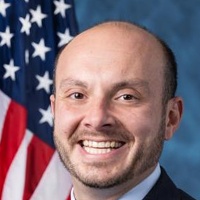
Andrew Garbarino
Representative
NY
Andrew Garbarino
Representative
NY
The Metastatic Breast Cancer Access to Care Act aims to improve support for individuals diagnosed with metastatic breast cancer. This bill eliminates the standard waiting period for receiving Social Security disability insurance benefits and waives the 24-month waiting period for Medicare coverage. These changes ensure immediate access to crucial financial and healthcare support upon diagnosis.