
Legislative Activity
Track Linda's sponsored bills, co-sponsored legislation, and voting record
The "Keeping Our Field Offices Open Act" prevents the Social Security Administration from closing or limiting access to field offices, hearing offices, and resident stations, ensuring continued service availability for the public.

John Larson
Representative
CT
John Larson
Representative
CT
The "Keeping Our Field Offices Open Act" prevents the Social Security Administration (SSA) from closing or consolidating field offices, hearing offices, and resident stations, ensuring continued access to services. It requires the SSA Commissioner to justify any planned closures to Congress with detailed analysis and cost-benefit assessments, considering the impact on vulnerable populations. The bill mandates public notice, hearings, and a final report to Congress before any changes, allowing appeals and maintaining the number of offices at or above the January 20, 2025 level, excluding temporary emergency closures.
The SAFE Act of 2025 amends existing law to include equines (horses) in the prohibition of slaughtering animals for human consumption.
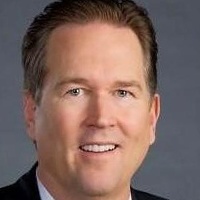
Vern Buchanan
Representative
FL
Vern Buchanan
Representative
FL
The SAFE Act of 2025 amends existing legislation to explicitly prohibit the slaughter of horses for human consumption, reinforcing protections for these animals. This bill seeks to prevent the inhumane treatment of American equines by closing loopholes that allow their slaughter and export for human consumption.
This bill regulates large capacity ammunition feeding devices, making it illegal to import, sell, manufacture, transfer, or possess them, with certain exceptions for law enforcement and other entities, and allows for Byrne grants to be used for buy-back programs.

Diana DeGette
Representative
CO
Diana DeGette
Representative
CO
The "Keep Americans Safe Act" aims to regulate large capacity ammunition feeding devices by making it illegal to import, sell, manufacture, transfer, or possess magazines holding more than 15 rounds, with exceptions for law enforcement, government entities, and devices lawfully possessed before the law's enactment. It also permits the use of Byrne grants for buy-back programs of these devices and mandates that newly manufactured devices be marked with identifying information. Violators of this Act will face penalties under existing provisions of Title 18 of the U.S. Code.
This resolution reaffirms the United States' commitment to Mexican sovereignty and condemns the use of unilateral military action in Mexico without the Mexican government's consent and explicit congressional authorization.
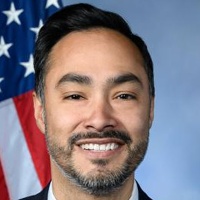
Joaquin Castro
Representative
TX
Joaquin Castro
Representative
TX
This resolution reaffirms the United States' commitment to respecting Mexico’s sovereignty and condemns the use of unilateral military action without Mexico's consent and explicit congressional authorization. It emphasizes that transnational criminal activities, such as drug trafficking, do not constitute an armed attack justifying military force under international or U.S. law. Ultimately, the bill advocates for continued bilateral cooperation to address shared security challenges rather than military intervention.
The PAST Act of 2025 significantly strengthens the Horse Protection Act by increasing penalties, banning specific action devices, and mandating licensed inspectors to combat the practice of horse soring.
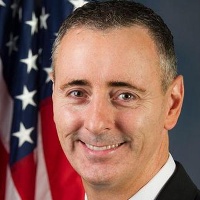
Brian Fitzpatrick
Representative
PA
Brian Fitzpatrick
Representative
PA
The PAST Act of 2025 significantly strengthens the Horse Protection Act to combat the painful practice of soring in specific horse breeds. This bill increases penalties for violations, establishes stricter licensing and oversight for inspectors, and explicitly bans the use of "action devices" designed to cause unnatural gaits. The legislation aims to enhance enforcement, ensure fairer competition, and hold violators accountable through increased fines and disqualifications.
The HOPE for Homeownership Act imposes new excise taxes on large investment entities that own multiple single-family residences and disallows mortgage interest and depreciation deductions for those "covered taxpayers."

Adam Smith
Representative
WA
Adam Smith
Representative
WA
The HOPE for Homeownership Act imposes a new federal excise tax on large investment entities, such as hedge funds, that purchase or hold excess single-family residences. This legislation aims to discourage large-scale corporate ownership of homes by applying penalties upon acquisition and for holding too many units. Furthermore, taxpayers subject to these new taxes will be disallowed from claiming standard mortgage interest and depreciation deductions on those residential properties.
This bill officially renames the Robert E. Lee Memorial as the Arlington House National Historic Site.
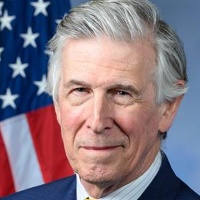
Donald Beyer
Representative
VA
Donald Beyer
Representative
VA
This bill officially redesignates the site currently known as the Robert E. Lee Memorial as the "Arlington House National Historic Site." It mandates that all official U.S. records, maps, and documents be updated to reflect this new name and repeals the previous joint resolutions that established the former designation.
The BEST Act establishes a grant program to support states in creating and improving Seal of Biliteracy programs, which recognize students fluent in both English and another language, including Native American languages and American Sign Language.
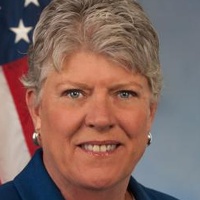
Julia Brownley
Representative
CA
Julia Brownley
Representative
CA
The Biliteracy Education Seal and Teaching (BEST) Act aims to establish a grant program that supports states in creating, improving, and running Seal of Biliteracy programs. These programs recognize students proficient in both English and another language, including Native American languages and American Sign Language. The Act allocates funds for administrative costs, public outreach, professional development, and testing subsidies, ensuring equal access for English learners and students with disabilities. Ultimately, the BEST Act seeks to promote and acknowledge the value of biliteracy among students nationwide.
The Humane Cosmetics Act of 2025 bans cosmetic animal testing in the U.S., restricts the use of animal testing data, and sets penalties for violations, while also preventing states from enacting conflicting regulations.
Donald Beyer
Representative
VA
Donald Beyer
Representative
VA
The Humane Cosmetics Act of 2025 bans cosmetic animal testing in the U.S. and restricts the use of animal testing data for cosmetic safety, with certain exceptions. It authorizes the Secretary of Health and Human Services to impose civil penalties for non-compliance and preempts states from enacting conflicting regulations. The Act defines key terms related to cosmetic animal testing and cosmetics.
The "Protect Veteran Jobs Act" allows wrongly terminated veteran civil service employees to be reinstated and requires executive agencies to report to Congress on veteran employee terminations.
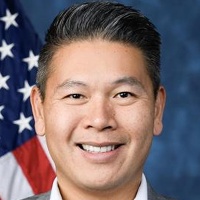
Derek Tran
Representative
CA
Derek Tran
Representative
CA
The Protect Veteran Jobs Act allows wrongly fired or dismissed veterans in civil service jobs between January 20, 2025, and the Act's enactment date to be reinstated to their previous position or a similar one. It mandates executive branch agencies to report to Congress every three months on all veteran employees who were fired or dismissed and the reasons for their termination, effective until January 20, 2029. The Act relies on existing U.S. Code definitions for key terms like "veteran" and "civil service."
This bill prohibits the U.S. government from recognizing Russia's claim of sovereignty over Crimea.

Gerald Connolly
Representative
VA
Gerald Connolly
Representative
VA
The "Crimea Annexation Non-Recognition Act" prohibits the U.S. government from recognizing Russia's claim of sovereignty over Crimea. It also prevents any federal department or agency from taking actions that could imply recognition of this claim.
The Security Clearance Review Act mandates FBI Director review and Congressional notification for security clearances of political appointees and special government employees in the Executive Office of the President.
Donald Beyer
Representative
VA
Donald Beyer
Representative
VA
The Security Clearance Review Act mandates that the FBI Director, rather than other entities, is responsible for granting security clearances and access to classified information for political appointees and special government employees within the Executive Office of the President. The Act requires the FBI Director to notify the President and Congress when a security clearance is denied, suspended, or revoked. If the President overrides the FBI Director's decision, they must provide an explanation to relevant Congressional committees. This ensures accountability and transparency in security clearance determinations within the Executive Office.
This resolution condemns the Iranian regime’s terrorism and human rights abuses while affirming support for the Iranian people’s right to establish a democratic, secular, and non-nuclear republic.

Tom McClintock
Representative
CA
Tom McClintock
Representative
CA
This resolution condemns the Iranian regime for its ongoing human rights abuses, state-sponsored terrorism, and regional instability. It expresses strong support for the Iranian people's struggle for a democratic, secular, and non-nuclear republic. Furthermore, the bill advocates for international accountability for the regime's crimes and calls for the protection of Iranian political refugees.
The American Dream and Promise Act of 2025 provides a pathway to permanent residency for eligible individuals who came to the U.S. as children, or who have Temporary Protected Status (TPS) or Deferred Enforced Departure (DED) status.
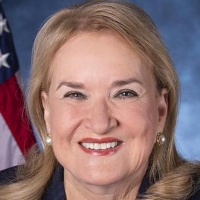
Sylvia Garcia
Representative
TX
Sylvia Garcia
Representative
TX
The American Dream and Promise Act of 2025 provides a pathway to permanent residency for eligible individuals who entered the United States as children and those with Temporary Protected Status (TPS) or Deferred Enforced Departure (DED). Title I, the Dream Act of 2025, establishes conditional permanent residency for eligible individuals who entered the U.S. as children. Title II, the American Promise Act of 2025, allows the Secretary of Homeland Security or the Attorney General to grant permanent resident status to eligible individuals from TPS or DED countries. Title III outlines general provisions, such as background checks, application processes, and fee exemptions, applicable to all seeking to adjust their status under this Act.
The "Access Technology Affordability Act of 2025" creates a tax credit of up to $2,000 every three years for blind individuals who purchase qualified access technology.
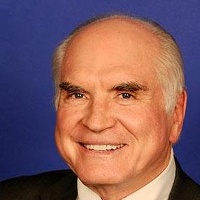
Mike Kelly
Representative
PA
Mike Kelly
Representative
PA
The "Access Technology Affordability Act of 2025" introduces a tax credit for blind individuals who purchase qualified access technology, such as hardware or software that converts visual information into accessible formats. The credit is capped at $2,000 per blind individual over any three consecutive tax years and will be adjusted for inflation after 2026. This credit is effective for tax years starting after December 31, 2025, and expires after December 31, 2030. It ensures that individuals cannot claim double benefits for the same expenses.
This resolution designates February 24–28, 2025, as "Public Schools Week" to celebrate the vital role of public education and advocate for the continued support and funding of our nation's schools.
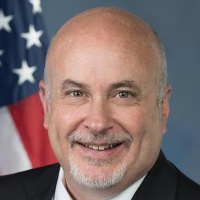
Mark Pocan
Representative
WI
Mark Pocan
Representative
WI
This resolution designates February 24–28, 2025, as "Public Schools Week" to celebrate the vital role public education plays in preparing students for the future. It reaffirms the commitment to providing every child with a high-quality, inclusive, and well-funded learning environment. Additionally, the bill calls on lawmakers to prioritize equitable resources and support services to ensure student success.
This bill authorizes the creation of a Congressional Gold Medal to honor the volunteers and communities involved with the North Platte Canteen during World War II.

Adrian Smith
Representative
NE
Adrian Smith
Representative
NE
The North Platte Canteen Congressional Gold Medal Act recognizes and honors the volunteers and donors of the North Platte Canteen in Nebraska during World War II with a Congressional Gold Medal. This medal will be presented by the Speaker of the House and the President pro tempore of the Senate, and then displayed at the Lincoln County Historical Museum. The Act also authorizes the creation and sale of bronze duplicates of the gold medal to cover production costs, with proceeds deposited into the Mint's Public Enterprise Fund.
The "MODERN WIC Act of 2025" expands remote access to WIC benefits by allowing virtual certification appointments, remote benefit issuance, and requires a report to Congress on the use of remote technologies within the WIC program.
Brian Fitzpatrick
Representative
PA
Brian Fitzpatrick
Representative
PA
The MODERN WIC Act of 2025 aims to modernize the WIC program by expanding options for remote certification appointments, including telephone and video calls, and allowing for remote delivery of food benefits. It requires state agencies to offer various formats for certification appointments, ensuring accessibility for individuals with disabilities. The Act also mandates a report to Congress on the use of remote technologies in WIC, focusing on their impact and best practices.
The TRIO Access Act allows colleges to use federal tax return information obtained for financial aid purposes to also assist students in Federal TRIO programs.
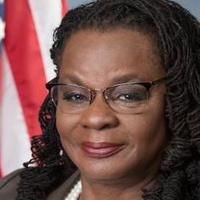
Gwen Moore
Representative
WI
Gwen Moore
Representative
WI
The TRIO Access Act permits colleges to utilize federal tax return information obtained for financial aid purposes to support students participating in specific Federal TRIO programs. This act amends the Higher Education Act of 1965, allowing FAFSA data to be shared with institutions for programs under sections 402D or 402E. It mandates that institutions use FAFSA data solely for financial aid application, award, and administration, including these TRIO programs. Additionally, institutions can request tax return information to determine eligibility for programs under sections 402D or 402E if needed.
The Public Safety Employer-Employee Cooperation Act establishes collective bargaining rights for public safety officers nationwide, ensuring fair labor practices and cooperation between employers and employees.
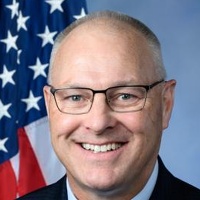
Pete Stauber
Representative
MN
Pete Stauber
Representative
MN
The Public Safety Employer-Employee Cooperation Act establishes a framework for collective bargaining rights for public safety officers (law enforcement, firefighters, and emergency medical services personnel) at the state level. It directs the Federal Labor Relations Authority to determine if states substantially protect these rights, and if not, the Authority will establish collective bargaining procedures. The Act aims to promote cooperation between public safety employers and employees while respecting existing state laws and prohibiting strikes and lockouts. This law does not override state laws that provide similar or stronger protections for public safety officers.