
Legislative Activity
Track Jan's sponsored bills, co-sponsored legislation, and voting record
The Hands Off Our Great Lakes Act prohibits the federal government from renaming any of the five Great Lakes and nullifies Executive Order 14422.

Debbie Dingell
Representative
MI
Debbie Dingell
Representative
MI
The "Hands Off Our Great Lakes Act" prohibits the federal government from altering or renaming any of the five Great Lakes. Additionally, the bill formally nullifies Executive Order 14422, which sought to rename Lake Ontario, and prevents the use of federal funds to implement any similar renaming initiatives in the future.
This bill mandates that biomedical products developed with federal research funding be sold at reasonable prices, ensuring U.S. residents are not charged more than the median price in comparable high-income nations.
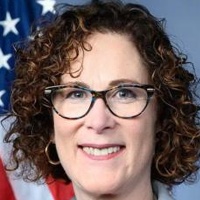
Valerie Hoyle
Representative
OR
Valerie Hoyle
Representative
OR
The Affordable Pricing for Taxpayer-Funded Prescription Drugs Act of 2026 mandates that biomedical products developed with federal research funding must be sold at a reasonable price. It establishes a price ceiling based on international benchmarks to ensure U.S. residents do not pay more than those in other high-income nations. Additionally, the bill increases transparency by requiring manufacturers to publicly report clinical trial costs, federal subsidies, and annual revenues for these products.
The Green New Deal for Public Housing Act provides federal grants to modernize, decarbonize, and expand public housing while creating workforce development opportunities and strengthening resident participation.

Alexandria Ocasio-Cortez
Representative
NY
Alexandria Ocasio-Cortez
Representative
NY
The Green New Deal for Public Housing Act aims to modernize the nation’s public housing stock by investing in deep energy retrofits, sustainability upgrades, and climate resilience. The bill establishes grant programs to transition public housing to zero-carbon, energy-efficient homes while simultaneously fostering economic empowerment through workforce development and resident-led management. By repealing restrictive caps on housing units and prioritizing tenant participation, the legislation seeks to improve living standards, ensure long-term habitability, and expand the availability of safe, affordable housing.
The Protect American Values Act prohibits the use of federal funds to implement or enforce the Department of Homeland Security’s "Public Charge Ground of Inadmissibility" rule.
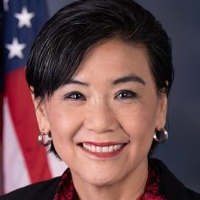
Judy Chu
Representative
CA
Judy Chu
Representative
CA
The Protect American Values Act seeks to block the implementation and enforcement of the Department of Homeland Security’s "Public Charge Ground of Inadmissibility" rule. The bill asserts that this policy harms immigrant families and local economies by restricting access to essential food, housing, and medical care. Consequently, it prohibits the use of federal funds to carry out or administer the rule.
The Restoring Justice for Workers Act prohibits mandatory pre-dispute arbitration agreements and class-action waivers, ensuring workers retain their right to pursue legal claims collectively in court.
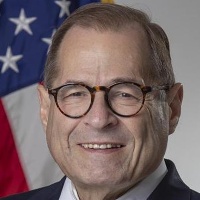
Jerrold Nadler
Representative
NY
Jerrold Nadler
Representative
NY
The Restoring Justice for Workers Act prohibits employers from forcing workers to sign away their rights to pursue legal claims in court or participate in collective legal actions. The bill renders pre-dispute mandatory arbitration agreements and class-action waivers unenforceable, ensuring workers retain the ability to seek justice for workplace violations. Additionally, it protects employees from retaliation for refusing to waive these fundamental legal rights.
The Increasing Mental Health Options Act of 2026 expands access to care by providing Medicare bonus payments to psychologists in underserved areas and removing physician supervision requirements for behavioral health services where state law permits.
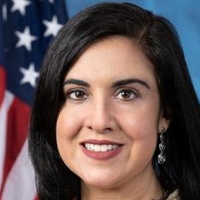
Nicole Malliotakis
Representative
NY
Nicole Malliotakis
Representative
NY
The Increasing Mental Health Options Act of 2026 aims to improve access to behavioral healthcare by incentivizing clinical psychologists to practice in rural and underserved areas through Medicare bonus payments. Additionally, the bill removes federal requirements for physician supervision of psychological services in various clinical settings, allowing clinical psychologists to oversee care when permitted by state law.
The Transportation for Reentry Act mandates that federally funded transit agencies provide one year of free public transportation to individuals recently released from prison to support their successful reintegration into the community.

Emanuel Cleaver
Representative
MO
Emanuel Cleaver
Representative
MO
The Transportation for Reentry Act requires federally funded transit agencies to provide one year of free public transportation to individuals recently released from prison. By removing barriers to reliable travel, this program aims to support successful community reintegration, improve access to essential services, and reduce recidivism rates. The bill provides federal funding and administrative support to help transit agencies implement and manage these reentry services.
The TPS Review Act strengthens judicial oversight and establishes congressional review for decisions to terminate Temporary Protected Status, ensuring that such actions are evidence-based and subject to legal challenge.
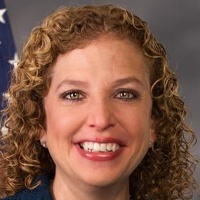
Debbie Wasserman Schultz
Representative
FL
Debbie Wasserman Schultz
Representative
FL
The Temporary Protected Status (TPS) Review Act strengthens oversight of government decisions to terminate TPS designations by reinstating judicial review and requiring that such decisions be supported by a comprehensive administrative record. The bill also subjects TPS terminations to congressional review under the Congressional Review Act, ensuring these decisions are subject to greater accountability. Additionally, it provides legal protections for beneficiaries by automatically staying terminations during the pendency of any legal challenges.
The Right to IVF Act of 2026 establishes a nationwide right to fertility care, mandates comprehensive insurance coverage for reproductive services, and expands access to fertility treatments for veterans and federal employees.
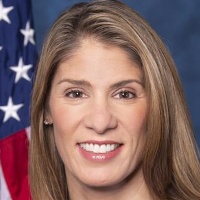
Lori Trahan
Representative
MA
Lori Trahan
Representative
MA
The Right to IVF Act of 2026 establishes a nationwide statutory right to access assisted reproductive technology (ART) and intrauterine insemination (IUI) while prohibiting states from imposing restrictive barriers. The bill further expands family-building support by mandating comprehensive fertility coverage across private insurance, Medicare, Medicaid, and federal employee health plans. Additionally, it guarantees expanded access to fertility services and preservation for military service members and veterans.
This bill reauthorizes the Accelerating Access to Critical Therapies for ALS Act through 2031 while enhancing grant oversight, safety reporting requirements, and FDA strategic planning for rare neurodegenerative diseases.

Mike Quigley
Representative
IL
Mike Quigley
Representative
IL
The Accelerating Access to Critical Therapies for ALS Reauthorization Act of 2026 extends vital funding for ALS research and clinical trial programs through 2031. This legislation strengthens oversight by enhancing grant review processes, improving safety reporting requirements, and mandating a comprehensive five-year FDA action plan to accelerate the development of treatments for rare neurodegenerative diseases.
This bill prohibits domestic business entities with significant foreign ownership or influence from contributing to U.S. elections and mandates strict certification requirements to ensure political spending is free from foreign control.
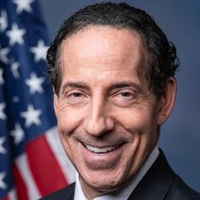
Jamie Raskin
Representative
MD
Jamie Raskin
Representative
MD
The Get Foreign Money Out of United States Elections Act strengthens existing laws to prevent foreign influence in American elections. It expands the ban on foreign contributions to include domestic companies with significant foreign ownership or control and mandates strict certification requirements for corporate political action committees. These measures ensure that foreign entities cannot influence federal, state, or local elections through direct spending, ballot initiatives, or Super PACs.
Tyler's Law mandates a study and subsequent guidance on the routine testing for fentanyl in hospital emergency departments during overdose treatment.
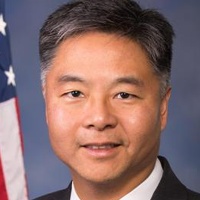
Ted Lieu
Representative
CA
Ted Lieu
Representative
CA
Tyler's Law mandates a comprehensive study by the Secretary of Health and Human Services on the frequency, cost, and impact of fentanyl testing in hospital emergency departments during overdose cases. Following the study, the Secretary must issue guidance on whether routine fentanyl testing should become standard practice for overdose patients. This guidance will also address staff training regarding existing drug test panels and the long-term health implications of such testing.
This resolution recognizes July 21, 2026, as Black Women’s Equal Pay Day to raise awareness of the persistent wage gap and reaffirm the commitment to achieving pay equity.
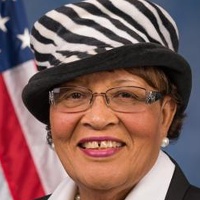
Alma Adams
Representative
NC
Alma Adams
Representative
NC
This resolution recognizes July 21, 2026, as Black Women’s Equal Pay Day to highlight the persistent and significant wage gap between Black women and white, non-Hispanic men. It calls attention to the systemic racial and gender-based barriers contributing to this disparity and reaffirms a commitment to achieving true pay equity.
The MOMMIES Act strengthens maternal health outcomes by extending Medicaid and CHIP postpartum coverage to one year, mandating comprehensive oral health benefits, and establishing demonstration projects to improve maternity care access and equity.
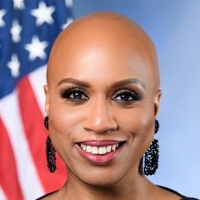
Ayanna Pressley
Representative
MA
Ayanna Pressley
Representative
MA
The MOMMIES Act aims to improve maternal health outcomes by expanding Medicaid and CHIP coverage for pregnant and postpartum individuals to a full year. The bill mandates comprehensive benefits, including oral health services, and establishes a maternity care home demonstration project to provide coordinated, culturally appropriate care. Additionally, it increases provider reimbursement rates for primary care, promotes access to doula services, and requires federal studies to address disparities and improve telehealth access in maternal care.
The No Passes for Polluters Act of 2026 requires Congressional approval for executive branch exemptions from Clean Air Act emission standards and eliminates specific compliance waivers for hazardous air pollutants.

Doris Matsui
Representative
CA
Doris Matsui
Representative
CA
The No Passes for Polluters Act of 2026 amends the Clean Air Act to require explicit Congressional approval before the President or federal agencies can grant exemptions from air pollution, vehicle fleet, or ozone-depleting substance regulations. The bill establishes a formal joint resolution process for these approvals and empowers citizens to sue if exemptions are utilized without legislative authorization. Additionally, the legislation repeals existing provisions that allowed for compliance schedule exemptions regarding hazardous air pollutants.
This bill establishes criminal penalties for immigration service fraud, provides relief for victims of "notario" scams, and creates grant programs to increase access to legitimate legal assistance for immigrants.
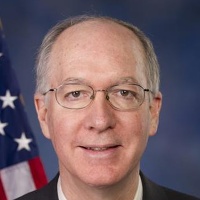
Bill Foster
Representative
IL
Bill Foster
Representative
IL
The Protecting Immigrants From Legal Exploitation Act of 2026 establishes new criminal penalties for fraudulent immigration service providers and creates protections for victims of "notario" fraud. The bill mandates stricter oversight of immigration filings, authorizes civil lawsuits against fraudulent practitioners, and provides relief for immigrants misled by unauthorized legal assistance. Additionally, it funds public outreach programs and grants for nonprofit organizations to provide legitimate legal services to immigrant communities.
The Action for Dental Health Act authorizes $15 million in annual funding from 2026 through 2030 to support programs aimed at improving oral health care access and delivery.
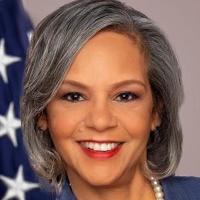
Robin Kelly
Representative
IL
Robin Kelly
Representative
IL
The Action for Dental Health Act authorizes $15 million in annual funding from 2026 through 2030 to support the Action for Dental Health program. This legislation ensures continued federal investment in initiatives designed to improve oral health care access and outcomes.
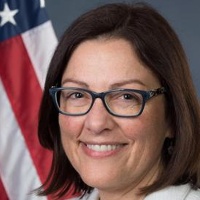
The Stop CHEATERS Act provides significant multi-year funding to the IRS to modernize technology, improve taxpayer services, and enhance tax enforcement efforts focused on high-income individuals and large corporations.
Suzan DelBene
Representative
WA
Suzan DelBene
Representative
WA
The Stop CHEATERS Act provides significant multi-year funding to the IRS to modernize its technology, improve taxpayer services, and strengthen tax enforcement. The bill specifically mandates that the agency prioritize auditing high-income individuals and large corporations to close the tax gap. Additionally, it requires regular reporting to Congress to ensure accountability and progress in these enforcement efforts.
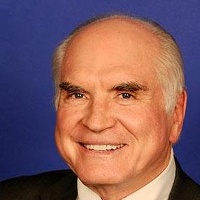
This bill mandates electronic prior authorization, increases transparency through required data reporting, and establishes faster decision timelines for Medicare Advantage plans to improve timely access to care for seniors.
Mike Kelly
Representative
PA
Mike Kelly
Representative
PA
The Improving Seniors’ Timely Access to Care Act of 2025 aims to streamline and modernize the prior authorization process within Medicare Advantage plans. This bill mandates the adoption of electronic prior authorization systems and significantly increases transparency regarding approval rates and decision times starting in 2027. Furthermore, it establishes new enrollee protections and grants the Secretary authority to enforce faster decision timeframes for medical services.
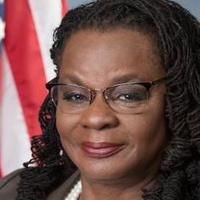
The Mamas First Act mandates that state Medicaid programs provide comprehensive, no-cost coverage for pregnancy and postpartum services delivered by doulas, midwives, and lactation support providers.
Gwen Moore
Representative
WI
Gwen Moore
Representative
WI
The Mamas First Act aims to improve maternal health outcomes and reduce mortality rates by mandating Medicaid coverage for doula, midwife, and lactation support services. This legislation ensures that these essential prenatal, labor, and postpartum care services are provided without out-of-pocket costs to patients. By expanding access to these culturally congruent care providers, the bill seeks to address significant disparities in maternal health across the United States.