The MOMMIES Act strengthens maternal health outcomes by extending Medicaid and CHIP postpartum coverage to one year, mandating comprehensive oral health benefits, and establishing demonstration projects to improve maternity care access and equity.
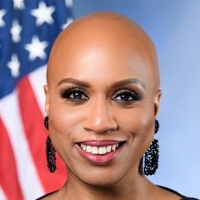
Ayanna Pressley
Representative
MA-7
The MOMMIES Act aims to improve maternal health outcomes by expanding Medicaid and CHIP coverage for pregnant and postpartum individuals to a full year. The bill mandates comprehensive benefits, including oral health services, and establishes a maternity care home demonstration project to provide coordinated, culturally appropriate care. Additionally, it increases provider reimbursement rates for primary care, promotes access to doula services, and requires federal studies to address disparities and improve telehealth access in maternal care.
MOMMIES Act Extends Postpartum Medicaid to 12 Months and Mandates Dental Care Coverage Starting 2027
The MOMMIES Act is a major overhaul of how Medicaid and CHIP handle pregnancy. Right now, many states cut off coverage just 60 days after a baby is born—leaving new parents to navigate the hardest part of recovery without insurance. This bill flips the script, requiring states to provide a full year of postpartum coverage. It also mandates that this coverage includes full Medicaid benefits, meaning you can't be shuffled into a 'pregnancy-only' bucket that doesn't cover your basic health needs. For anyone who has ever stared at a medical bill two months after giving birth, this is a massive shift in the safety net.
More Than Just a Checkup
One of the biggest practical wins here is the inclusion of oral health. Under Section 2, Medicaid and CHIP must now cover preventive, diagnostic, and restorative dental care for pregnant and postpartum people. We’re talking about everything from cleanings to fillings and periodontal work. The bill also ensures that doctors get paid fairly by forcing Medicaid to match Medicare’s payment rates for primary care. For a family doctor in a rural area or a midwife in a busy city clinic, this means they can actually afford to keep their doors open to Medicaid patients, which directly translates to better appointment availability for you.
The 'Maternity Care Home' Model
Section 3 introduces a five-year pilot program called the Maternity Care Home Demonstration Project. Think of this like a 'concierge' service for Medicaid patients. At least 10 states will get grants to build teams of OB-GYNs, midwives, doulas, and social workers who stick with a patient from the first trimester through the first year of the baby's life. These teams are tasked with the 'real life' stuff: coordinating transportation, helping with housing, providing breastfeeding support, and screening for postpartum depression. It’s designed to treat the person, not just the pregnancy, with a specific focus on closing the gap in health outcomes for people of color and those in 'maternity deserts.'
Doulas and Digital Health
The bill also looks toward the future of care by ordering a deep dive into doula services and telehealth. Section 5 requires a roadmap for how states can pay doulas a living wage and get them integrated into the hospital system. Meanwhile, Section 6 demands a report on how telehealth—like remote blood pressure monitoring—is working for moms who can’t always get to a physical office. While the full implementation of the extended coverage doesn't kick in until January 1, 2027, the federal government is offering to pick up 100% of the extra cost, removing the usual 'we can't afford it' excuse from state governments.