Legislative Activity
Track Pete's sponsored bills, co-sponsored legislation, and voting record
The Fair and Open Competition Act of 2025 prohibits the federal government from requiring or penalizing bidders or contractors on federally funded construction projects based on their agreement or non-agreement with labor unions.
Clay Higgins
Representative
LA
Clay Higgins
Representative
LA
The Fair and Open Competition Act of 2025 ensures fair competition on federally funded construction projects by prohibiting the government from requiring or penalizing bidders based on union agreements. This legislation aims to keep federal agencies neutral in labor relations while promoting cost savings and opening opportunities for all businesses. Exceptions to this neutrality rule are strictly limited to specific public health, safety, or national security emergencies.
The Major Richard Star Act ensures that military retirees with combat-related disabilities can concurrently receive their full military retirement pay and VA disability compensation without reduction.

Gus Bilirakis
Representative
FL
Gus Bilirakis
Representative
FL
The Major Richard Star Act ensures that military retirees with combat-related disabilities can receive both their military retirement pay and VA disability compensation concurrently without reduction. This law removes previous restrictions that caused military retirement pay to be offset by VA disability payments for these specific cases. The changes take effect on the first day of the month following the Act's enactment.
This act establishes a grant program to reimburse eligible U.S. communities within 200 miles of the U.S.-Mexico border for security-related costs, provided they are not designated as "sanctuary jurisdictions."
Ronny Jackson
Representative
TX
Ronny Jackson
Representative
TX
The Reimbursing Border Communities Act of 2025 establishes a grant program to help local governments within 200 miles of the U.S.-Mexico border cover specific security-related costs. To qualify, communities cannot be designated as "sanctuary jurisdictions" that limit cooperation with federal immigration enforcement. Grants are capped at $500,000 per year and strictly prohibit funding for non-citizen basic needs or legal representation.
This Act eliminates the waiting periods for Social Security disability benefits and Medicare coverage for individuals diagnosed with metastatic breast cancer.
Andrew Garbarino
Representative
NY
Andrew Garbarino
Representative
NY
The Metastatic Breast Cancer Access to Care Act aims to improve support for individuals diagnosed with metastatic breast cancer. This bill eliminates the standard waiting period for receiving Social Security disability insurance benefits and waives the 24-month waiting period for Medicare coverage. These changes ensure immediate access to crucial financial and healthcare support upon diagnosis.
The REDI Act allows medical and dental interns and residents to defer both principal and interest payments on their student loans while in training.
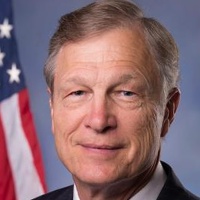
Brian Babin
Representative
TX
Brian Babin
Representative
TX
The Resident Education Deferred Interest (REDI) Act amends federal student loan regulations to provide a specific deferment for medical and dental residents. This allows borrowers currently serving in an internship or residency program to pause principal payments and prevent interest accrual on their student loans during that training period.
This bill directs Congress to award a Congressional Gold Medal to honor the service of the Red Cross "Donut Dollies" who provided recreation and morale support to U.S. troops during the Vietnam War.
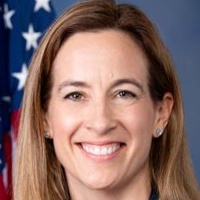
Mikie Sherrill
Representative
NJ
Mikie Sherrill
Representative
NJ
This bill, the Donut Dollies Congressional Gold Medal Act, directs the striking of a Congressional Gold Medal to honor the American Red Cross volunteers who served in the Supplemental Recreation Activities Overseas (SRAO) program during the Vietnam War. These volunteers, known as "Donut Dollies," provided crucial morale support to troops on the front lines. The original medal will be presented on behalf of Congress and ultimately housed at the Smithsonian Institution, with provisions made for selling bronze duplicates.
This bill allows investors to defer taxes on capital gain dividends from mutual funds when those dividends are automatically reinvested until the shares are sold or the investor passes away.
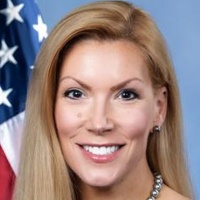
Beth Van Duyne
Representative
TX
Beth Van Duyne
Representative
TX
This bill, the Generating Retirement Ownership through Long-Term Holding Act, allows individual investors to defer paying taxes on capital gain dividends from mutual funds if those dividends are automatically reinvested into more fund shares. Taxes on these deferred gains are only due when the investor sells the shares or upon death. This provision aims to encourage long-term investment in mutual funds by providing immediate tax relief on reinvested earnings.
This bill officially designates the United States Postal Service facility at 620 East Pecan Boulevard in McAllen, Texas, as the "Agent Raul H. Gonzalez Jr. Memorial Post Office Building."
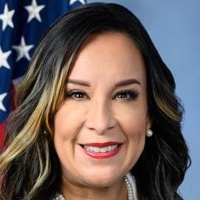
Mónica De La Cruz
Representative
TX
Mónica De La Cruz
Representative
TX
This bill officially designates the United States Postal Service facility located at 620 East Pecan Boulevard in McAllen, Texas, as the "Agent Raul H. Gonzalez Jr. Memorial Post Office Building." The legislation ensures that all official records and documents reflect this new memorial name for the building.
The "Stop Fentanyl Money Laundering Act of 2025" aims to combat fentanyl trafficking by targeting money laundering activities through enhanced regulations, advisories, and reporting requirements for financial institutions, along with a comprehensive review of past drug crises to inform current strategies.
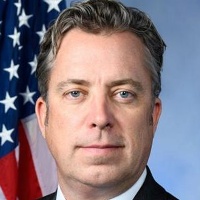
Andrew Ogles
Representative
TN
Andrew Ogles
Representative
TN
The "Stop Fentanyl Money Laundering Act of 2025" aims to combat fentanyl and narcotics trafficking by enhancing financial institutions' ability to detect and report money laundering activities. It authorizes the Treasury Secretary to impose special measures against financial institutions involved in illicit fentanyl financing, mandates updated advisories on identifying Chinese professional money laundering networks, and requires guidance for reporting suspicious transactions linked to transnational criminal organizations involved in narcotics trafficking. The Act also calls for a comprehensive report on lessons learned from past drug crises to inform strategies for addressing the opioid crisis.
The "Second Chances for Rural Hospitals Act" expands Medicare eligibility for rural emergency hospitals to include certain facilities that closed between 2014 and 2020, with modified payment rules for those near existing hospitals.
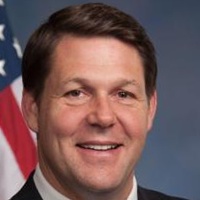
Jodey Arrington
Representative
TX
Jodey Arrington
Representative
TX
The "Second Chances for Rural Hospitals Act" broadens the definition of "rural emergency hospital" under Medicare, enabling certain previously closed rural hospitals to re-qualify. Effective January 1, 2027, it allows facilities that ceased operations between 2014 and 2020 to become rural emergency hospitals. It also modifies payment rules, specifying that increased payments will not apply to facilities located less than 35 miles from the nearest hospital.
The "Federal Firearms Licensee Protection Act of 2025" increases penalties for stealing firearms from licensed dealers, manufacturers, or importers, especially during burglaries or robberies, and clarifies related definitions.
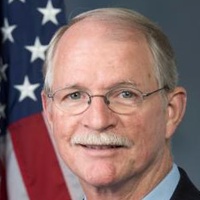
John Rutherford
Representative
FL
John Rutherford
Representative
FL
The "Federal Firearms Licensee Protection Act of 2025" increases penalties for stealing firearms from licensed dealers. It sets stricter punishments, including up to 20 years in prison, for violating laws related to firearm theft. The act also mandates minimum prison sentences of 3 years for burglaries and 5 years for robberies targeting licensed firearm businesses.
The "Local Zoning Decisions Protection Act of 2025" nullifies certain HUD rules related to fair housing, prohibits federal databases on racial disparities in housing, and requires consultation with local officials for Fair Housing Act recommendations.

Paul Gosar
Representative
AZ
Paul Gosar
Representative
AZ
The "Local Zoning Decisions Protection Act of 2025" nullifies specific Department of Housing and Urban Development rules and notices related to fair housing. It prevents federal funds from being used to create databases tracking racial or affordable housing disparities. The Act also mandates the Secretary of Housing and Urban Development to consult with state, local, and public housing officials to develop Fair Housing Act recommendations and create a report, emphasizing collaboration and transparency.
The "Roberto Clemente Commemorative Coin Act" directs the Treasury to mint coins in 2027 honoring Roberto Clemente, with surcharges benefiting the Roberto Clemente Foundation.
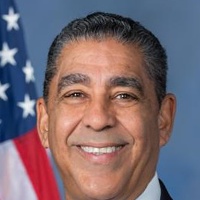
Adriano Espaillat
Representative
NY
Adriano Espaillat
Representative
NY
The Roberto Clemente Commemorative Coin Act directs the Department of Treasury to mint and issue gold, silver, and half-dollar coins in 2027 to commemorate the life and legacy of Roberto Clemente. The coins' designs will represent Clemente's life, including his baseball achievements and humanitarian work. Surcharges from the coin sales will benefit the Roberto Clemente Foundation, supporting their educational programs, youth sports initiatives, disaster relief efforts, and historic preservation projects. The Act ensures that the coin program will not incur any net cost to the United States government.
The "Rectifying UDAAP Act" amends the Consumer Financial Protection Act of 2010 to refine the definitions and enforcement process for unfair, deceptive, or abusive acts or practices, including limitations on the CFPB's authority and new requirements for transparency and due process.
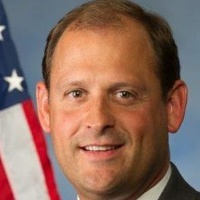
Garland Barr
Representative
KY
Garland Barr
Representative
KY
The Rectifying UDAAP Act amends the Consumer Financial Protection Act of 2010, modifying the rulemaking process for unfair, deceptive, or abusive acts or practices. It requires the CFPB to define "abusive act or practice," conduct cost-benefit analyses for new rules, and consider mitigating factors when assessing civil penalties. The act also sets new limitations and standards for the CFPB's enforcement authority, including where they can file enforcement actions, the clarity of their claims, and the remedies they can seek. Furthermore, it provides a notice and cure period for covered entities that self-report potential violations.
The Law Enforcement Protection and Privacy Act of 2025 protects law enforcement and firearm licensee information by amending FOIA, penalizing unauthorized disclosures, and allowing private lawsuits for damages.
Clay Higgins
Representative
LA
Clay Higgins
Representative
LA
The Law Enforcement Protection and Privacy Act of 2025 amends FOIA to protect sensitive firearms data, penalizes unauthorized disclosures of protected information by non-federal entities, and grants licensees the right to sue for damages resulting from such disclosures. It establishes financial penalties for improper disclosures and allows harmed parties to seek compensation in court. The act defines key terms and ensures that other legal remedies remain available.
This bill modifies the definition of "qualifying single source drug" under the Social Security Act to include certain advanced drugs using genetically targeted technology for a limited time.
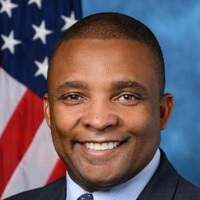
Donald Davis
Representative
NC
Donald Davis
Representative
NC
The "Maintaining Investments in New Innovation Act" amends the Social Security Act's definition of "qualifying single source drug" to include advanced drugs using genetically targeted technology. This update applies to drugs that can modify gene function, potentially impacting drug pricing and access regulations under the Act.
Nullifies the EPA's rule on greenhouse gas emissions from power plants and reinstates the Affordable Clean Energy Rule.
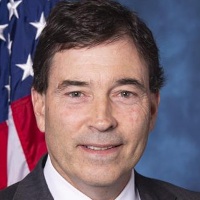
Troy Balderson
Representative
OH
Troy Balderson
Representative
OH
This bill nullifies the Environmental Protection Agency's rule on greenhouse gas emissions from power plants. The rule targeted new, modified, and reconstructed fossil fuel-fired electric generating units. It also set emission guidelines and repealed the Affordable Clean Energy Rule.
This bill would allow nurse practitioners and physician assistants to complete Medicare paperwork for covering certain shoes for people with diabetes.
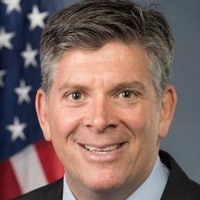
Darin LaHood
Representative
IL
Darin LaHood
Representative
IL
The "Promoting Access to Diabetic Shoes Act" allows nurse practitioners and physician assistants to complete Medicare paperwork for covering therapeutic shoes for people with diabetes, increasing access to this benefit.
The "Repeal CFPB Act" aims to eliminate the Consumer Financial Protection Bureau and revert to pre-2010 financial regulations.
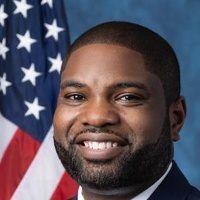
Byron Donalds
Representative
FL
Byron Donalds
Representative
FL
The "Repeal CFPB Act" aims to eliminate the Consumer Financial Protection Bureau (CFPB) by repealing the Consumer Financial Protection Act of 2010. This action would effectively reverse all changes and removals made by the 2010 Act, restoring the legal framework as it existed before the CFPB's creation.
This resolution condemns the Iranian regime’s terrorism and human rights abuses while affirming support for the Iranian people’s right to establish a democratic, secular, and non-nuclear republic.
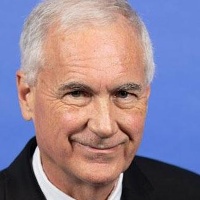
Tom McClintock
Representative
CA
Tom McClintock
Representative
CA
This resolution condemns the Iranian regime for its ongoing human rights abuses, state-sponsored terrorism, and regional instability. It expresses strong support for the Iranian people's struggle for a democratic, secular, and non-nuclear republic. Furthermore, the bill advocates for international accountability for the regime's crimes and calls for the protection of Iranian political refugees.