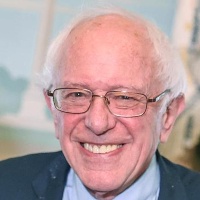
Legislative Activity
Track Bernie's sponsored bills, co-sponsored legislation, and voting record
The Hot Foods Act of 2025 generally permits the purchase of hot, ready-to-eat foods with SNAP benefits while limiting retailers' gross sales of such items to 50% to remain eligible for the program.

Michael Bennet
Senator
CO
Michael Bennet
Senator
CO
The Hot Foods Act of 2025 amends the rules for the Supplemental Nutrition Assistance Program (SNAP) to generally allow beneficiaries to purchase hot, ready-to-eat foods. This legislation removes the previous general ban on buying such items with SNAP benefits. However, retailers participating in SNAP will now face a limit, as hot, ready-to-eat food sales cannot exceed 50% of their total gross sales.
This act expands federal meat inspection exemptions for small-scale, personal processing of livestock owned, even partially, by the individual performing the processing.
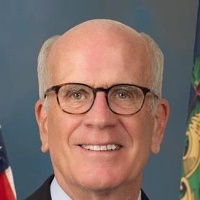
Peter Welch
Senator
VT
Peter Welch
Senator
VT
The LOCAL Foods Act of 2025 expands exemptions under the Federal Meat Inspection Act for small-scale, personal meat processing. This allows individuals who partially own livestock to process the resulting meat for their household, guests, or employees without federal inspection. The bill requires owners to maintain strict control and identification of the meat, even when using agents for slaughtering or transport, to prevent it from entering commercial channels.
This resolution honors the life, distinguished public service, and enduring legacy of former Wyoming Senator Alan K. Simpson.
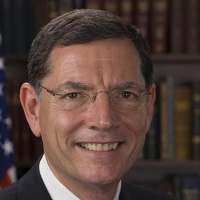
John Barrasso
Senator
WY
John Barrasso
Senator
WY
This resolution formally honors the life and distinguished public service career of the Honorable Alan K. Simpson, former U.S. Senator for Wyoming. It celebrates his extensive tenure in both state and federal government, highlighting his focus on fiscal responsibility and support for veterans. The Senate expresses its deep sorrow at his passing and directs that the day's adjournment serve as a final tribute to his memory.
This resolution officially recognizes the heritage, culture, and significant contributions of Latinas across the United States while acknowledging ongoing disparities.

Catherine Cortez Masto
Senator
NV
Catherine Cortez Masto
Senator
NV
This resolution officially recognizes and celebrates the rich heritage, culture, and significant contributions of Latinas across the United States. It highlights their achievements in diverse fields while acknowledging ongoing disparities, such as the wage gap. Ultimately, the measure calls for continued investment in the future of Latinas as a vital part of the nation's growth.
This bill directs the Secretary of the Interior to study the Deerfield River system in Massachusetts and Vermont for potential inclusion in the National Wild and Scenic Rivers System.
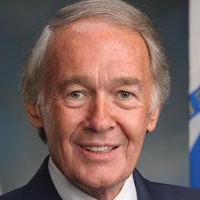
Edward Markey
Senator
MA
Edward Markey
Senator
MA
This act designates the Deerfield River system in Massachusetts and Vermont for a formal study under the Wild and Scenic Rivers Act. The Secretary of the Interior must complete this comprehensive study, which includes major tributaries, within three years of funding. Upon completion, a report detailing the findings will be submitted to Congress.
The Honor Farmer Contracts Act of 2025 mandates the immediate funding and payment of existing USDA contracts and protects local USDA offices from closure without congressional notification.
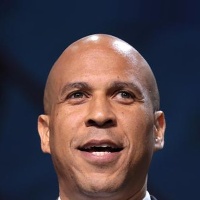
Cory Booker
Senator
NJ
Cory Booker
Senator
NJ
The Honor Farmer Contracts Act of 2025 mandates the Department of Agriculture to immediately honor and pay all existing, unfrozen contracts with farmers and related entities. This legislation prevents the cancellation of signed agreements unless the terms have been violated by the recipient. Furthermore, it requires the Secretary of Agriculture to provide 60 days' notice to Congress before closing any local Farm Service Agency, NRCS, or Rural Development offices.
The Northern Rockies Ecosystem Protection Act designates vast wilderness areas, establishes biological connecting corridors, protects wild and scenic rivers, mandates wildland restoration, and clarifies tribal and water rights across public lands in the Northern Rockies.
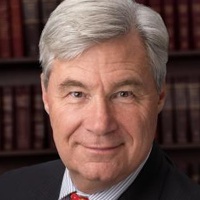
Sheldon Whitehouse
Senator
RI
Sheldon Whitehouse
Senator
RI
The Northern Rockies Ecosystem Protection Act seeks to permanently protect vast tracts of federal land across Idaho, Montana, Oregon, and Wyoming by designating new wilderness areas, establishing critical biological connecting corridors, and safeguarding key river segments. The bill also mandates the restoration of over a million acres to a roadless character and imposes immediate development restrictions on unstudied roadless lands. Furthermore, it secures necessary water rights for new wilderness areas and reinforces tribal rights and access across the protected regions.
The Excess Urban Heat Mitigation Act of 2025 establishes a grant program to fund projects like tree planting and cool infrastructure in urban areas, prioritizing low-income and heat-vulnerable communities.
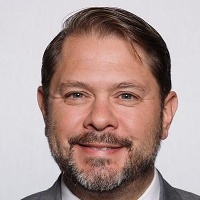
Ruben Gallego
Senator
AZ
Ruben Gallego
Senator
AZ
The Excess Urban Heat Mitigation Act of 2025 establishes a federal grant program to combat dangerous urban heat islands, which disproportionately affect low-income communities. This program will fund eligible entities for projects such as planting trees, installing cool roofs, and creating cooling centers. A minimum of 75% of the funds must be directed toward designated high-need census tracts, emphasizing community engagement and environmental justice in project selection.
This bill officially designates numerous tracts of land across Utah as protected wilderness areas while establishing administrative rules for their management, including land trades, water rights, and protection of existing uses like grazing.
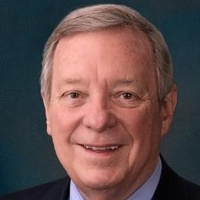
Richard Durbin
Senator
IL
Richard Durbin
Senator
IL
The America’s Red Rock Wilderness Act seeks to permanently protect hundreds of thousands of acres of public lands across Utah by designating them as official wilderness areas. This designation ensures the preservation of unique ecological, geological, and cultural resources under the highest level of federal protection. The bill also establishes administrative rules, including securing water rights and managing state inholdings, while explicitly safeguarding existing livestock grazing and Tribal rights.
This joint resolution proposes a constitutional amendment granting Congress and states the authority to regulate campaign contributions and expenditures to protect election integrity.
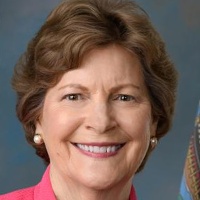
Jeanne Shaheen
Senator
NH
Jeanne Shaheen
Senator
NH
This joint resolution proposes a constitutional amendment granting Congress and the states the explicit authority to regulate campaign contributions and expenditures. If ratified, it would allow for setting reasonable limits on spending intended to influence elections to protect democratic fairness. The amendment also specifically empowers regulators to treat corporations and other entities differently than individuals regarding election spending, while explicitly protecting the freedom of the press.
This bill establishes comprehensive protections and clear legal recourse for federal employees, applicants, and contractors who face retaliation for whistleblowing.
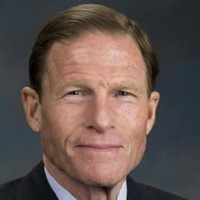
Richard Blumenthal
Senator
CT
Richard Blumenthal
Senator
CT
The Congressional Whistleblower Protection Act of 2025 establishes clear pathways for federal employees, applicants, and contractors to seek redress when their rights are violated. Covered individuals can pursue administrative remedies through existing personnel practice procedures or escalate their case directly to federal court after a delay or final adverse decision. If successful in court, whistleblowers are eligible for significant relief, including double back pay, compensatory damages, and attorney fees.
This act removes the automatic ban preventing striking workers from receiving SNAP benefits.
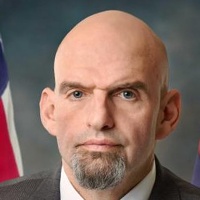
John Fetterman
Senator
PA
John Fetterman
Senator
PA
The Food Secure Strikers Act of 2025 removes the automatic ban preventing workers participating in a strike from receiving Supplemental Nutrition Assistance Program (SNAP) benefits. This legislation updates eligibility rules to ensure that striking workers are no longer automatically disqualified from receiving food assistance solely because they are on strike. The bill simplifies the language to focus ineligibility on the *result* of striking, rather than the act of striking itself.
The Paycheck Fairness Act strengthens equal pay protections by enhancing enforcement, restricting the use of salary history in hiring, and funding negotiation skills training to close gender-based wage gaps.
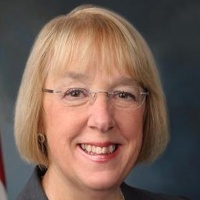
Patty Murray
Senator
WA
Patty Murray
Senator
WA
The Paycheck Fairness Act aims to strengthen protections against sex-based wage discrimination and close the gender pay gap. It enhances enforcement by tightening employer defenses for pay disparities, expanding anti-retaliation protections, and increasing penalties for violations. The bill also mandates new data collection by the EEOC and establishes grant programs to support negotiation skills training.
This resolution expresses strong support for local public K-12 schools and condemns any efforts to defund, weaken, or dismantle the Department of Education.
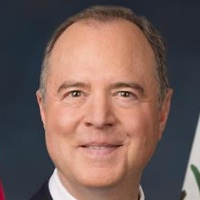
Adam Schiff
Senator
CA
Adam Schiff
Senator
CA
This resolution expresses strong support for the nation's public K-12 schools and condemns any efforts to defund or dismantle the Department of Education. It affirms the crucial federal role in ensuring equitable funding and support for students, especially those with disabilities and from low-income families. The resolution warns that weakening the Department would severely disrupt vital programs serving millions of students nationwide.
This bill blocks major oil and gas companies from obtaining new Gulf of Mexico leases until they renegotiate older, royalty-free leases to include price-based royalty payments.
Edward Markey
Senator
MA
Edward Markey
Senator
MA
The Stop Giving Big Oil Free Money Act aims to eliminate unwarranted financial benefits for certain oil and gas companies operating in the Gulf of Mexico. It prevents companies holding specific older leases that lack price caps from obtaining new leases unless they renegotiate those existing leases to include mandatory royalty payments above certain price thresholds. Furthermore, the bill adjusts the terms for royalty suspension on some existing leases, setting new price triggers that will take effect in late 2026.
The Major Richard Star Act allows veterans with combat-related disabilities to receive both military retired pay and veteran's disability compensation without reduction.
Richard Blumenthal
Senator
CT
Richard Blumenthal
Senator
CT
The Major Richard Star Act allows veterans with combat-related disabilities to receive both veteran's disability compensation and military retired pay concurrently, without reduction. This act amends Title 10 of the United States Code to ensure that disability retirees with combat-related disabilities are not subject to reductions in retired pay due to receiving veteran's disability compensation. These changes will take effect the first day of the month following the enactment of the Act.
This Act explicitly defines tar sands products as crude oil for excise tax purposes and grants the Secretary authority to include other hazardous fuel products under existing oil tax rules.
Edward Markey
Senator
MA
Edward Markey
Senator
MA
The Tar Sands Tax Loophole Elimination Act amends the tax code to explicitly classify tar sands products as "crude oil" for excise tax purposes. This ensures that various oil sands derivatives are subject to existing petroleum excise taxes. The bill also grants the Secretary authority to include other fuel products under these tax rules if they pose a significant environmental hazard when spilled.
This Act expands the Work Opportunity Tax Credit to include employers who hire military spouses.
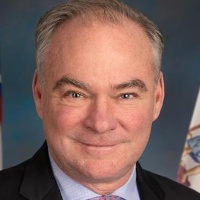
Timothy Kaine
Senator
VA
Timothy Kaine
Senator
VA
The Military Spouse Hiring Act amends the Work Opportunity Tax Credit (WOTC) to include military spouses as eligible hires. This allows employers to claim the tax credit for hiring individuals certified as spouses of active-duty military personnel. The provision applies to wages paid for individuals hired after the Act's enactment date.
The Putting Veterans First Act of 2025 seeks to protect military-affiliated federal employees, stabilize and increase transparency at the VA, and strengthen procedural fairness and support for the federal workforce.
Richard Blumenthal
Senator
CT
Richard Blumenthal
Senator
CT
The Putting Veterans First Act of 2025 is a comprehensive bill designed to support military-affiliated federal employees by reversing past unfair employment actions and establishing new procedural safeguards against future disciplinary actions. It also imposes significant limitations, increased transparency, and accountability measures across the Department of Veterans Affairs (VA) regarding personnel actions, office closures, and contracting. Furthermore, the Act strengthens protections, mental health support, and employment assistance for civil servants while mandating extensive public reporting on VA operations and staffing.
This Act converts Transportation Security Administration (TSA) personnel to standard federal employment rules under Title 5, while protecting existing pay and benefits and establishing new labor relations and oversight requirements.
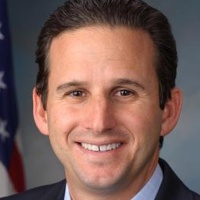
Brian Schatz
Senator
HI
Brian Schatz
Senator
HI
The Rights for the Transportation Security Administration Workforce Act moves TSA personnel from their special management system into the standard federal employee system under Title 5 of the U.S. Code by a set deadline. This transition aims to grant TSA employees the same workplace protections and benefits as other federal workers while ensuring current pay and service time are protected. The bill also mandates several reviews by the Comptroller General and requires consultation with employee representatives regarding the implementation process. Finally, it preserves existing anti-strike laws and addresses specific concerns for Federal Air Marshals.