Legislative Activity
Track Josh's sponsored bills, co-sponsored legislation, and voting record
This Act establishes a competitive grant program to test incentives aimed at increasing the purchase of naturally nutrient-rich dairy products by households using SNAP benefits.

Jim Costa
Representative
CA
Jim Costa
Representative
CA
The Dairy Nutrition Incentive Program Act of 2025 establishes a new federal program to test methods for increasing the purchase of nutrient-rich dairy products by households using SNAP benefits. The Secretary of Agriculture will award competitive grants to eligible entities to implement incentive projects at the point of sale. These projects must prioritize direct incentives that can only be spent on buying more eligible dairy items, and all projects will undergo rigorous independent evaluation. The Act also mandates the transition of existing dairy incentive projects into this new framework without interruption.
The Hot Foods Act of 2025 lifts the general ban on purchasing ready-to-eat hot foods with SNAP benefits while imposing a sales cap on retailers that primarily sell such items.

Grace Meng
Representative
NY
Grace Meng
Representative
NY
The Hot Foods Act of 2025 removes the general federal ban on using Supplemental Nutrition Assistance Program (SNAP) benefits to purchase hot, ready-to-eat foods. This legislation clarifies that hot foods are now eligible for purchase with SNAP benefits, while also setting a new rule that limits SNAP-participating retailers to deriving no more than 50% of their gross sales from these ready-to-eat hot items. The act updates existing statutes to reflect this expanded purchasing power for recipients.
This bill excludes certain veterinary student loan repayments and forgiveness amounts from taxable income to encourage veterinarians to practice in rural areas.

Adrian Smith
Representative
NE
Adrian Smith
Representative
NE
The Rural Veterinary Workforce Act aims to encourage more veterinarians to serve in underserved rural areas by making participation in certain loan repayment or forgiveness programs more financially appealing. This bill amends the tax code to exclude amounts received through qualifying state or federal veterinary student loan repayment programs from being counted as taxable income. This tax benefit applies to amounts received for taxable years beginning after December 31, 2025.
This Act mandates the Department of Agriculture to honor existing farmer contracts, release frozen funds, pay outstanding debts, and provide advance notice to Congress before closing local offices.
Gabriel (Gabe) Vasquez
Representative
NM
Gabriel (Gabe) Vasquez
Representative
NM
The Honor Farmer Contracts Act mandates that the Department of Agriculture immediately honor all existing written agreements and pay any outstanding debts owed under those contracts. This legislation strictly prohibits the cancellation of signed farmer contracts unless the farmer has breached the terms. Furthermore, the Act requires a 60-day advance written notice to Congress before closing any local Farm Service Agency, NRCS, or Rural Development offices.
This resolution designates March 27, 2025, as "National Women in Agriculture Day" to recognize the vital contributions of women to U.S. agriculture and encourage public support for their roles.
Katherine Cammack
Representative
FL
Katherine Cammack
Representative
FL
This resolution officially designates March 27, 2025, as "National Women in Agriculture Day" to honor the significant contributions of women across all sectors of U.S. agriculture. It recognizes women as vital producers, leaders, and mentors who drive economic success and support the next generation in farming. The bill encourages the public to celebrate and support the essential role women play in ensuring the nation's food supply and global trade.
The Save Our Small Farms Act of 2025 streamlines disaster assistance, enhances Whole Farm Revenue Protection, and mandates the development of a new weather-indexed insurance policy to better support small and diverse agricultural operations.
Jahana Hayes
Representative
CT
Jahana Hayes
Representative
CT
The Save Our Small Farms Act of 2025 aims to strengthen support for small, diverse, and underserved farmers by streamlining disaster assistance and insurance programs. It simplifies participation in the Noninsured Crop Disaster Assistance Program (NAP) and creates new incentives for transitioning to Whole Farm Revenue Protection. Furthermore, the bill mandates the research and development of a new, streamlined "single index insurance policy" to protect against losses caused by specific severe weather events.
This Act mandates a disclaimer on standard mortgage applications directing service members to inquire about VA Home Loan eligibility.
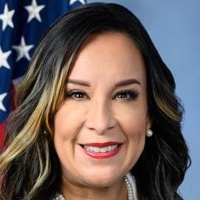
Mónica De La Cruz
Representative
TX
Mónica De La Cruz
Representative
TX
The VA Home Loan Awareness Act of 2025 mandates the addition of a disclaimer on standard mortgage applications, informing applicants who indicate military service that they may qualify for a VA Home Loan. This ensures veterans and service members are immediately directed to explore their VA loan eligibility when applying for a mortgage. The bill also requires the GAO to study the effectiveness of this new disclaimer requirement among lenders.
This bill expands Medicare coverage under Part B to pay qualified home infusion suppliers for augmentation therapy kits and nursing services for Medicare beneficiaries with Alpha-1 Antitrypsin Deficiency Disorder who require emphysema treatment in their homes.

Maria Salazar
Representative
FL
Maria Salazar
Representative
FL
The John W. Walsh Alpha-1 Home Infusion Act of 2025 amends Medicare to specifically cover augmentation therapy for individuals with severe Alpha-1 Antitrypsin Deficiency Disorder when administered in the home. This legislation establishes new payment rules under Medicare Part B for the necessary intravenous kits and associated nursing services. The goal is to ensure qualified home infusion suppliers are reimbursed directly for providing this essential, ongoing maintenance treatment.
The Paycheck Fairness Act strengthens equal pay enforcement by tightening defenses against pay discrimination, expanding protections against retaliation, increasing penalties for violations, and requiring comprehensive data collection and training initiatives.

Rosa DeLauro
Representative
CT
Rosa DeLauro
Representative
CT
The Paycheck Fairness Act significantly strengthens federal equal pay protections by broadening definitions of sex discrimination, tightening employer defenses against pay disparities, and increasing penalties for violations. It also prohibits employers from using salary history in hiring decisions and mandates new data collection by the EEOC to better enforce anti-discrimination laws. Furthermore, the bill establishes new training and outreach programs to combat systemic wage bias.
This act establishes a federally funded national public safety campaign utilizing television, radio, and digital media to warn against illegally passing stopped school buses.
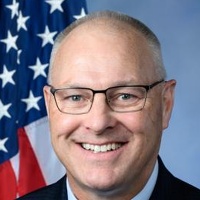
Pete Stauber
Representative
MN
Pete Stauber
Representative
MN
The Brake for Kids Act of 2025 establishes a national public safety messaging campaign to raise awareness about the dangers of illegally passing a stopped school bus. This initiative will be funded using existing allocations from the Infrastructure Investment and Jobs Act. The required campaign must utilize broad outreach methods, including national television, radio, social media, and edge service advertising.
This bill officially ratifies the Equal Rights Amendment, validating its inclusion in the Constitution regardless of any prior ratification deadlines.
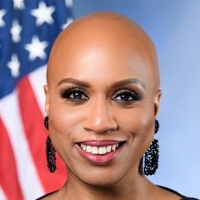
Ayanna Pressley
Representative
MA
Ayanna Pressley
Representative
MA
This bill officially ratifies the Equal Rights Amendment, declaring it a valid part of the U.S. Constitution. It specifically removes any previously imposed deadlines for state ratification. If three-fourths of the states have approved the amendment, this law confirms its official status regardless of past time constraints.
This Act authorizes the Treasury to mint and sell commemorative gold, silver, and clad coins honoring the National Fallen Firefighters Memorial, with surcharges benefiting the National Fallen Firefighters Foundation.
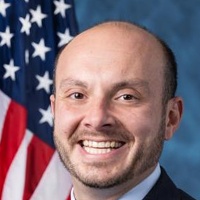
Andrew Garbarino
Representative
NY
Andrew Garbarino
Representative
NY
The National Fallen Firefighters Memorial Coin Act authorizes the Secretary of the Treasury to mint and issue special commemorative gold, silver, and clad coins honoring the National Fallen Firefighters Memorial. These coins will be sold to the public, with surcharges from the sales benefiting the National Fallen Firefighters Foundation. The Treasury must ensure that the production and issuance of these coins result in no net cost to the U.S. Government.
Supports the designation of March 18, 2025, as "National Agriculture Day" and recognizes the importance of agriculture in the United States.
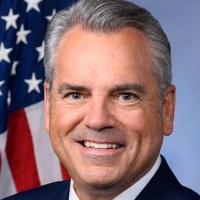
Mark Alford
Representative
MO
Mark Alford
Representative
MO
This resolution expresses support for designating March 18, 2025, as "National Agriculture Day." It recognizes and celebrates the significant impact of agriculture as a leading industry in the United States.
This Act expands eligibility for certain SNAP benefits for veterans based on specific disability ratings or pension status, effective October 1, 2030.
Jahana Hayes
Representative
CT
Jahana Hayes
Representative
CT
The Feed Hungry Veterans Act of 2025 expands eligibility for certain food assistance benefits for veterans. It updates the criteria for veterans based on service-connected disability ratings and adds specific categories of disabled or pensioned veterans who will now qualify. These changes are scheduled to take effect on October 1, 2030.
The Innovative FEED Act of 2025 establishes a new regulatory pathway under the FDA for substances added to animal food intended to modify digestive byproducts, reduce foodborne pathogens, or alter gut function without providing nutrition.
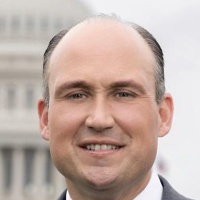
Nicholas Langworthy
Representative
NY
Nicholas Langworthy
Representative
NY
The Innovative FEED Act of 2025 establishes a new regulatory category for "zootechnical animal food substances" intended to modify animal digestive byproducts or reduce foodborne pathogens without treating disease. This bill mandates that these new substances must undergo the standard food additive approval process with the FDA, requiring petitioners to provide extensive data on their intended effects. Approval is contingent upon proving the substance achieves its claimed function under proposed use conditions, and all resulting animal food must carry a specific disclaimer stating it is not for disease treatment.
This bill extends the Medicare ground ambulance payment pilot program through 2028 to ensure continued patient access to these essential medical services.
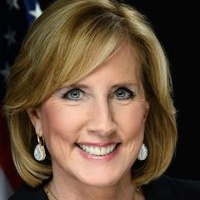
Claudia Tenney
Representative
NY
Claudia Tenney
Representative
NY
The Protecting Access to Ground Ambulance Medical Services Act of 2025 extends the current Medicare payment structure for ground ambulance services. This change ensures continuity in how these vital services are reimbursed under existing rules. Specifically, the temporary payment pilot program is extended through 2028, preventing an immediate change in payment policy.
This bill mandates that veterans' disability compensation, dependency and indemnity compensation, and clothing allowance rates increase starting December 1, 2025, by the same percentage as the Social Security cost-of-living adjustment for that year.
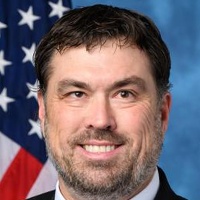
Morgan Luttrell
Representative
TX
Morgan Luttrell
Representative
TX
The Veterans’ Compensation Cost-of-Living Adjustment Act of 2025 mandates an increase in disability compensation and dependency and indemnity compensation (DIC) rates for veterans and survivors. This increase, effective December 1, 2025, will match the percentage increase applied to Social Security benefits for that year. The bill also requires the VA to publish the adjusted rates according to the Social Security Administration's COLA announcement schedule.
The HELPER Act of 2025 establishes a new FHA mortgage insurance program offering 100% financing with an upfront premium and no monthly premiums for eligible first responders, educators, and law enforcement officers.
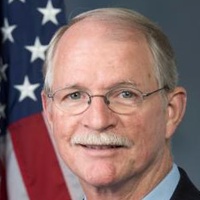
John Rutherford
Representative
FL
John Rutherford
Representative
FL
The HELPER Act of 2025 establishes a new FHA mortgage insurance program to assist first responders, educators, and law enforcement officers in purchasing homes. This program offers eligible first-time homebuyers 100% financing with no down payment required. Instead of monthly premiums, borrowers pay an upfront FHA insurance premium at closing.
The Major Richard Star Act ensures that military retirees with combat-related disabilities can concurrently receive their full military retirement pay and VA disability compensation without reduction.

Gus Bilirakis
Representative
FL
Gus Bilirakis
Representative
FL
The Major Richard Star Act ensures that military retirees with combat-related disabilities can receive both their military retirement pay and VA disability compensation concurrently without reduction. This law removes previous restrictions that caused military retirement pay to be offset by VA disability payments for these specific cases. The changes take effect on the first day of the month following the Act's enactment.
The IMPACT Act 2.0 establishes federal incentives and advance purchase commitment programs to encourage states to adopt lower-emission building materials for highway projects.

Valerie Foushee
Representative
NC
Valerie Foushee
Representative
NC
The IMPACT Act 2.0 aims to reduce pollution from highway projects by incentivizing states to use low-emissions building materials through new Federal Highway Administration grants and technical assistance. It also establishes an advance purchase commitment program, allowing states to secure future supplies of innovative, domestically produced, cleaner road materials at fixed prices. This legislation seeks to accelerate the adoption of greener construction standards across the nation's road network.