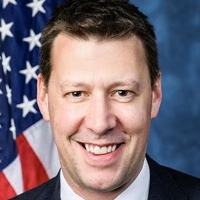
Legislative Activity
Track Josh's sponsored bills, co-sponsored legislation, and voting record
This act establishes a dedicated unit within the Department of Justice to enhance the investigation and prosecution of international trade-related crimes, such as smuggling, money laundering, and duty evasion.
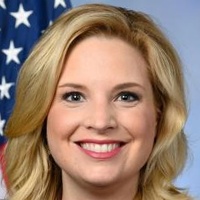
Ashley Hinson
Representative
IA
Ashley Hinson
Representative
IA
The Protecting American Industry and Labor from International Trade Crimes Act of 2026 establishes a dedicated unit within the Department of Justice to investigate and prosecute criminal trade activities, such as smuggling, duty evasion, and trade-based money laundering. This legislation aims to bolster enforcement capacity through increased staffing, interagency collaboration, and the development of multi-jurisdictional responses. Additionally, it mandates annual reporting to Congress to ensure transparency and accountability in the government's efforts to protect American industry and labor.
The VITAL Act expands affordable housing for older adults and people with disabilities by increasing federal tax credit allocations and incentivizing the construction of accessible, walkable residential communities.
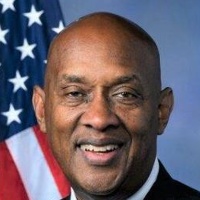
Dwight Evans
Representative
PA
Dwight Evans
Representative
PA
The Visitable Inclusive Tax credits for Accessible Living (VITAL) Act aims to expand the supply of affordable, disability-accessible housing by increasing federal tax credits for states. The bill incentivizes the development of inclusive, walkable communities and mandates that a significant portion of new low-income housing units be specifically designed for people with disabilities and older adults. By modernizing tax credit allocations, the VITAL Act seeks to help these populations live independently and age in place.
The Medicare at Home Act establishes a new Medicare Part B benefit providing up to 20 hours per week of essential home care services for eligible older adults and individuals with disabilities.

Debbie Dingell
Representative
MI
Debbie Dingell
Representative
MI
The Medicare at Home Act proposes expanding Medicare Part B to cover essential home care services for older adults and individuals with disabilities. This benefit would provide up to 20 hours per week of assistance with daily living activities, such as bathing, dressing, and meal preparation, to help beneficiaries remain safely in their homes. The program would be financed through adjustments to Medicare Part B premiums and requires a physician-certified plan of care for eligibility.
The Right to IVF Act of 2026 establishes a nationwide right to fertility care, mandates comprehensive insurance coverage for reproductive services, and expands access to fertility treatments for veterans and federal employees.
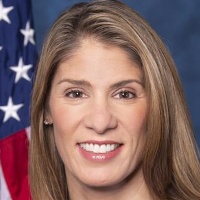
Lori Trahan
Representative
MA
Lori Trahan
Representative
MA
The Right to IVF Act of 2026 establishes a nationwide statutory right to access assisted reproductive technology (ART) and intrauterine insemination (IUI) while prohibiting states from imposing restrictive barriers. The bill further expands family-building support by mandating comprehensive fertility coverage across private insurance, Medicare, Medicaid, and federal employee health plans. Additionally, it guarantees expanded access to fertility services and preservation for military service members and veterans.
This bill designates the United States Postal Service facility located at 114 John Street in New York, New York, as the "Jack Greenberg Post Office."

Dan Goldman
Representative
NY
Dan Goldman
Representative
NY
This bill officially designates the United States Postal Service facility located at 114 John Street in New York, New York, as the "Jack Greenberg Post Office." All official federal records and documents will be updated to reflect this new name.
This bill reauthorizes the Accelerating Access to Critical Therapies for ALS Act through 2031 while enhancing grant oversight, safety reporting requirements, and FDA strategic planning for rare neurodegenerative diseases.

Mike Quigley
Representative
IL
Mike Quigley
Representative
IL
The Accelerating Access to Critical Therapies for ALS Reauthorization Act of 2026 extends vital funding for ALS research and clinical trial programs through 2031. This legislation strengthens oversight by enhancing grant review processes, improving safety reporting requirements, and mandating a comprehensive five-year FDA action plan to accelerate the development of treatments for rare neurodegenerative diseases.
This bill restricts stock trading by Members of Congress and their families while establishing new federal requirements for voters to provide photo identification in federal elections.
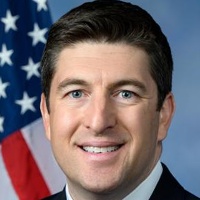
Bryan Steil
Representative
WI
Bryan Steil
Representative
WI
The Stop Insider Trading Act restricts Members of Congress, their spouses, and dependent children from purchasing or selling individual stocks to prevent conflicts of interest. Additionally, the bill mandates that voters provide valid photo identification when voting in person or by mail in federal elections.
This bill authorizes a seven-year grant program for the National Law Enforcement Officers Memorial Fund to support the National Law Enforcement Museum’s educational, community outreach, and officer wellness initiatives.
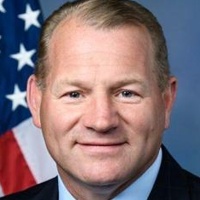
Troy Nehls
Representative
TX
Troy Nehls
Representative
TX
The National Law Enforcement Officers Remembrance, Support, and Community Outreach Act authorizes $6 million in annual grants over seven years to the National Law Enforcement Officers Memorial Fund. These funds will support the National Law Enforcement Museum’s public education, community outreach, and officer safety and wellness programs. As a condition of the grant, the museum must provide free admission to law enforcement officers and their families, as well as dedicated free hours for the general public.
This bill officially renames the United States Postal Service facility at 80 Atlantic Avenue in Oceanside, New York, as the "Detective Luis G. Alvarez Post Office."
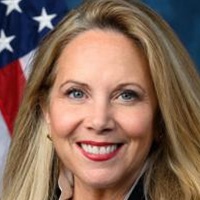
Laura Gillen
Representative
NY
Laura Gillen
Representative
NY
This bill officially renames the United States Postal Service facility located at 80 Atlantic Avenue in Oceanside, New York, in honor of Detective Luis G. Alvarez. The designation will now be used in all official records and documents pertaining to that post office.
This bill prohibits domestic business entities with significant foreign ownership or influence from contributing to U.S. elections and mandates strict certification requirements to ensure political spending is free from foreign control.
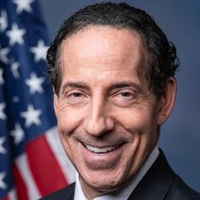
Jamie Raskin
Representative
MD
Jamie Raskin
Representative
MD
The Get Foreign Money Out of United States Elections Act strengthens existing laws to prevent foreign influence in American elections. It expands the ban on foreign contributions to include domestic companies with significant foreign ownership or control and mandates strict certification requirements for corporate political action committees. These measures ensure that foreign entities cannot influence federal, state, or local elections through direct spending, ballot initiatives, or Super PACs.
This resolution directs the Federal Trade Commission to investigate and report on anticompetitive practices and potential antitrust violations within the fire truck manufacturing industry.
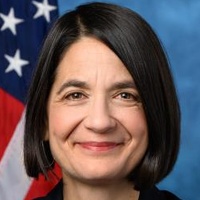
Becca Balint
Representative
VT
Becca Balint
Representative
VT
This bill directs the Federal Trade Commission (FTC) to conduct a formal investigation into potential antitrust violations within the fire truck manufacturing industry. The inquiry aims to address concerns regarding market consolidation, surging equipment prices, and extended delivery delays. The FTC is required to report its findings and recommendations for corrective legislative action to Congress within one year.
The "Combating Illicit Xylazine Act" aims to combat the misuse of xylazine by adding it to Schedule III of the Controlled Substances Act, tracking its distribution, and ensuring appropriate penalties for related offenses, while also protecting legitimate veterinary use.
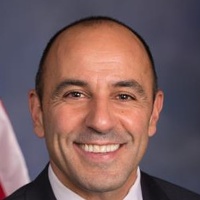
Jimmy Panetta
Representative
CA
Jimmy Panetta
Representative
CA
The "Combating Illicit Xylazine Act" aims to combat the illegal use of xylazine by adding it to Schedule III of the Controlled Substances Act, which would allow for increased regulation and tracking of the substance. The bill includes exemptions and delayed effective dates for certain requirements to ease the transition for legitimate users, such as veterinarians and animal handlers. It also directs the Sentencing Commission to review sentencing guidelines for xylazine-related offenses and mandates reports to Congress on the prevalence and impact of illicit xylazine use. Finally, it will include xylazine in Arcos tracking.
The Nucleic Acid Standards for Biosecurity Act directs NIST to develop technical standards, research, and industry best practices to improve the security and accuracy of nucleic acid synthesis screening.
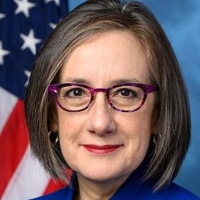
Andrea Salinas
Representative
OR
Andrea Salinas
Representative
OR
The Nucleic Acid Standards for Biosecurity Act directs the National Institute of Standards and Technology (NIST) to develop technical standards and best practices for screening synthetic nucleic acids to mitigate biosecurity risks. By establishing a multi-stakeholder consortium and investing in research, the bill aims to improve the accuracy and security of biomanufacturing and synthetic biology. This legislation ensures that emerging technologies, including artificial intelligence, are managed through robust, consensus-driven safety protocols.
The AADAPT Act expands grant eligibility and funding to integrate dementia care services into health centers through 2031.
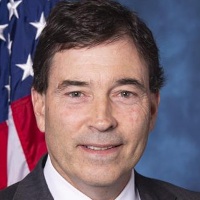
Troy Balderson
Representative
OH
Troy Balderson
Representative
OH
The AADAPT Act expands access to specialized dementia care by authorizing grants for public and nonprofit health centers to integrate these services into their programs. Additionally, the bill extends federal funding authorization through 2031 to ensure the continued growth and sustainability of these critical health outcomes.
This bill reauthorizes and updates federal vector-borne disease initiatives and grant programs through 2030 to improve the prevention, identification, and response to tick-borne illnesses.
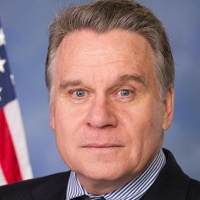
Christopher Smith
Representative
NJ
Christopher Smith
Representative
NJ
The Kay Hagan Tick Act reauthorization extends federal funding and support for vector-borne disease initiatives through 2030. This legislation updates national strategy requirements and enhances the capacity of regional centers and health departments to identify, prevent, and respond to tick-borne and other vector-borne illnesses.
This bill mandates electronic prior authorization, increases transparency through required data reporting, and establishes faster decision timelines for Medicare Advantage plans to improve timely access to care for seniors.
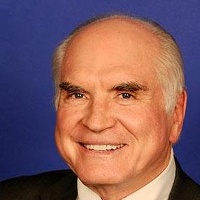
Mike Kelly
Representative
PA
Mike Kelly
Representative
PA
The Improving Seniors’ Timely Access to Care Act of 2025 aims to streamline and modernize the prior authorization process within Medicare Advantage plans. This bill mandates the adoption of electronic prior authorization systems and significantly increases transparency regarding approval rates and decision times starting in 2027. Furthermore, it establishes new enrollee protections and grants the Secretary authority to enforce faster decision timeframes for medical services.
This resolution formally congratulates the New York Knicks on their historic 2026 NBA championship victory and recognizes the team for their grit, excellence, and impact on the city.
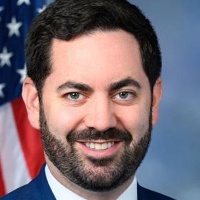
Michael Lawler
Representative
NY
Michael Lawler
Representative
NY
This resolution formally congratulates the New York Knicks on their historic 2026 NBA Championship victory. It recognizes the team’s remarkable season, record-breaking playoff performance, and the spirit of resilience that united fans across New York and the world.
The Securing Agriculture's Workforce Act of 2026 modernizes the H-2A visa program by streamlining the application process through a centralized online platform, updating labor and housing requirements, and expanding the definition of eligible agricultural work.
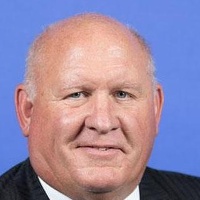
Glenn Thompson
Representative
PA
Glenn Thompson
Representative
PA
The Securing Agriculture's Workforce Act of 2026 modernizes the H-2A visa program to better support the agricultural industry by streamlining application processes and establishing a centralized online portal for employers. The bill updates labor certification, housing, and wage requirements while expanding the definition of eligible agricultural work to include a broader range of activities. Additionally, it enhances worker protections—including new heat illness prevention standards—and provides greater administrative efficiency for federal agencies managing the program.
This bill mandates that food products made with or containing lab-created butter must be clearly labeled as such to ensure consumer choice.
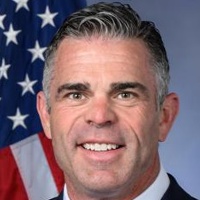
Tony Wied
Representative
WI
Tony Wied
Representative
WI
This bill, the REAL Butter Act, aims to ensure consumer choice by requiring clear and truthful labeling for butter alternatives created through non-agricultural synthesis. It mandates that products marketed as butter but made with synthesized milkfat must be labeled as "lab-created butter." This prevents misbranding by distinguishing these products from traditional butter defined under existing law.
This bill, the "Protect Local Funding Act," prohibits the finalization, implementation, or enforcement of the proposed "Regulation for Federal Financial Assistance" rule published on May 29, 2026, or any substantially similar rule.
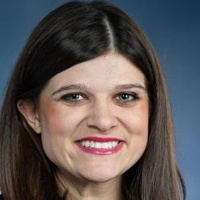
Haley Stevens
Representative
MI
Haley Stevens
Representative
MI
This bill, the "Protect Local Funding Act," prohibits the finalization, implementation, or enforcement of the proposed "Regulation for Federal Financial Assistance" published on May 29, 2026, or any substantially similar rule. It prevents federal agencies from enacting this specific regulation concerning federal financial assistance.